#interest-payments
#interest-payments
[ follow ]
#fiscal-policy #us-national-debt #us-debt #national-debt #federal-debt #fiscal-deficit #economic-policy
#us-debt

US politics
fromFortune
1 month agoIt took 200 years for national debt to hit $1 trillion, annual interest alone now exceeds that-a 'crushing legacy we must reverse,' says budget chair | Fortune
The U.S. debt has surpassed $39 trillion, posing a significant threat to the nation's future and requiring urgent financial reform.
Retirement
fromFortune
3 weeks ago'We owe it to the next generation' to get national debt under control, says think tank boss, as U.S. borrowing hits $1.2 trillion in just six months | Fortune
The U.S. government operated at a $1.17 trillion deficit in the first half of fiscal year 2026, raising concerns about public debt and economic growth.
#us-national-debt
Retirement
fromFortune
3 weeks agoU.S. government is spending $88 billion a month in interest on national debt, equal to its spending on both defense and education combined | Fortune
The U.S. national debt exceeds $39 trillion, with interest payments reaching $529 billion in the first half of the fiscal year.


Retirement
fromFortune
3 weeks agoU.S. government is spending $88 billion a month in interest on national debt, equal to its spending on both defense and education combined | Fortune
The U.S. national debt exceeds $39 trillion, with interest payments reaching $529 billion in the first half of the fiscal year.
fromIndependent
4 weeks ago'If you are using credit cards to take out cash, you need to cut up your card' - money experts share their credit card dos and don'ts
Credit cards can be very dangerous from a financial well-being perspective, if used irresponsibly. The temptation to use one to fund a big holiday or a new sofa that you can't afford can be seriously tempting.
Relationships

fromFortune
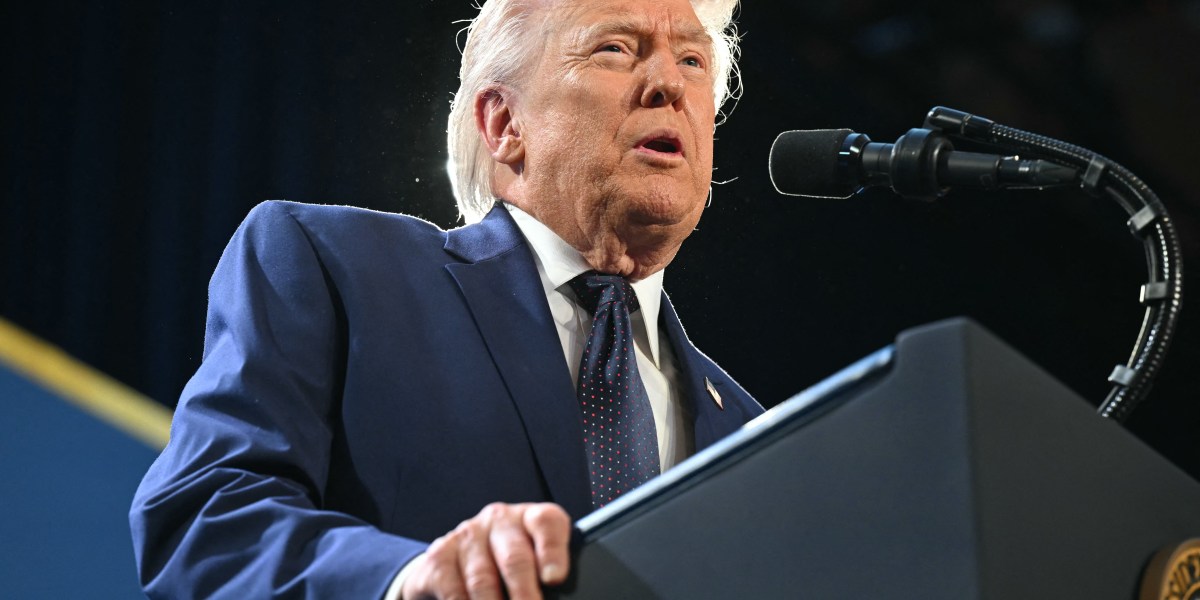
1 month agoInterest on the $38.8 trillion national debt has tripled since 2020 and it already costs taxpayers more than defense and Medicaid | Fortune
The United States is now paying nearly $970 billion a year just to service the interest on its $38.8 trillion national debt - a figure that has nearly tripled since 2020 and already exceeds what the federal government spends on national defense or Medicaid, according to a February analysis by the Committee for a Responsible Federal Budget (CRFB).
Retirement
fromFortune
2 months agoAmerica's national debt borrowing binge means interest payments will rocket to $2 trillion a year by 2036, CBO says | Fortune
The White House of 2036 will have a mammoth task on its hands: It will need to rustle up more than $2 trillion a year to pay the interest on its national debt burden, approximately 5% of the nation's entire economy. According to the latest projections from the Congressional Budget Office (CBO), the U.S. government will continue to run a sizeable and growing deficit over the next decade.
US politics

fromBusiness Matters
10 months agoReform UK clashes with Bank of England over interest payments to lenders
At the heart of the row is the legacy of quantitative easing (QE) - the Bank's £895 billion bond-buying programme launched during the global financial crisis and expanded in response to the pandemic.
UK politics
[ Load more ]