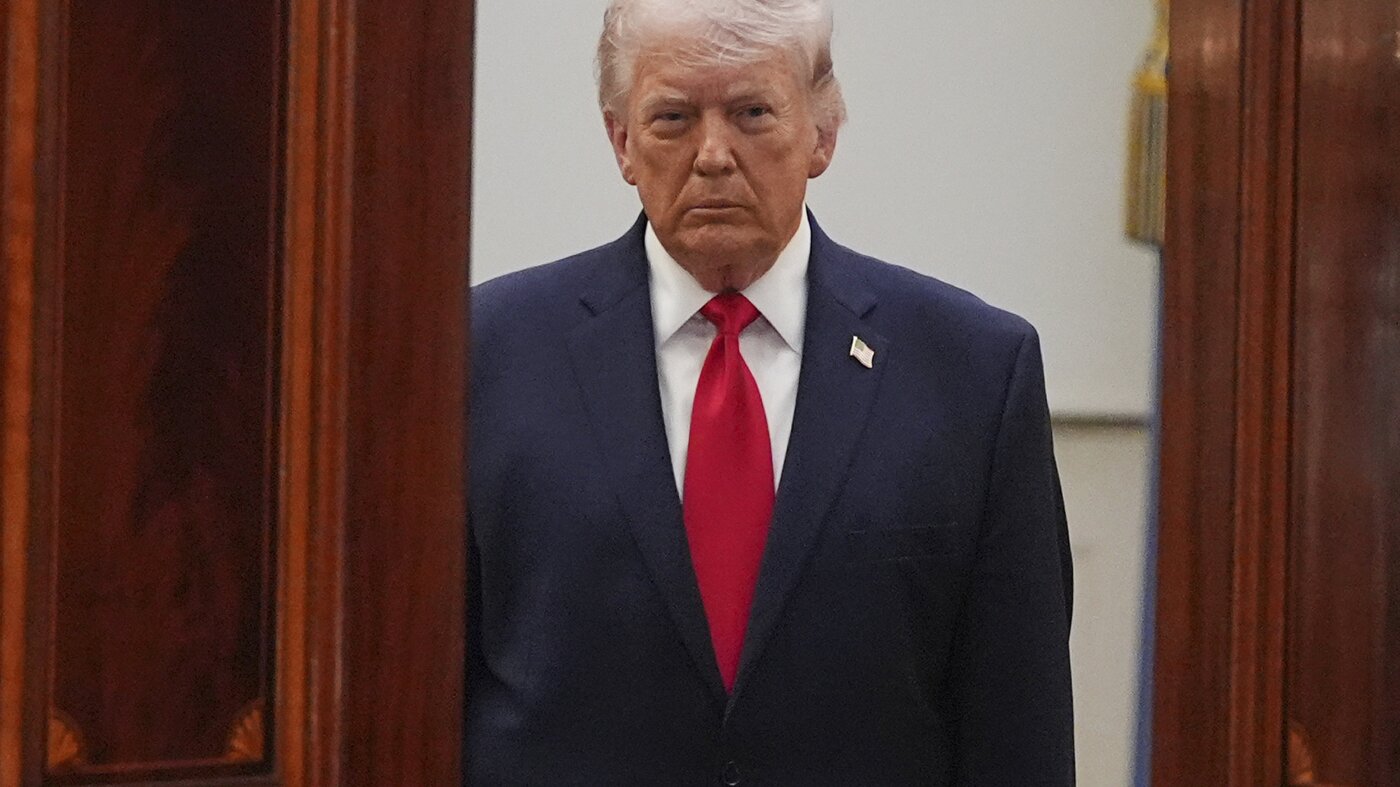
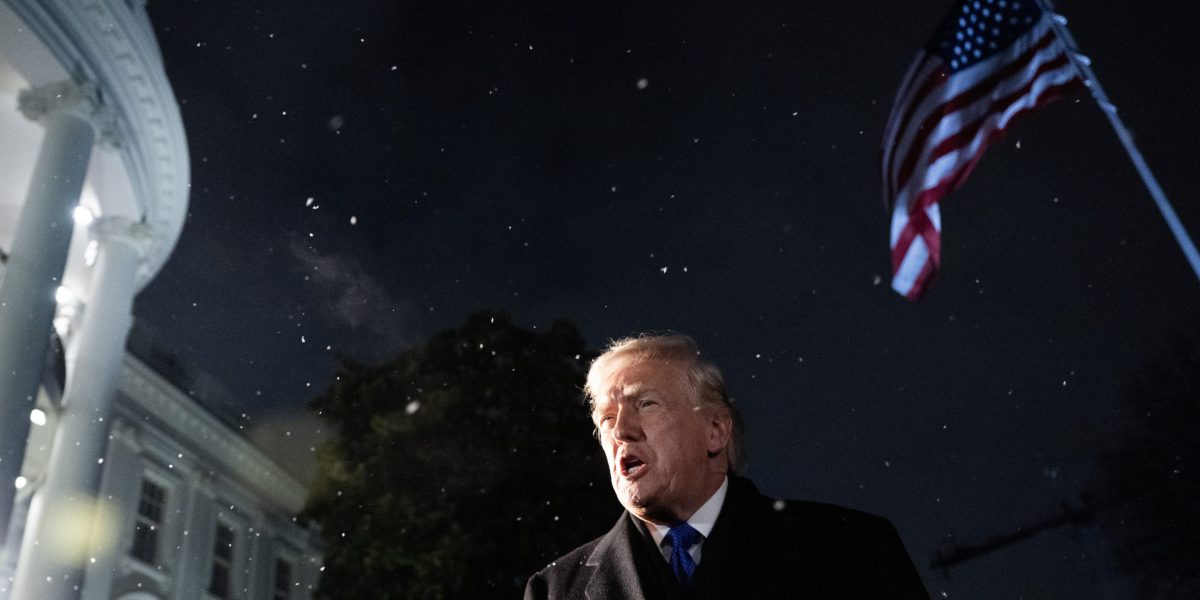
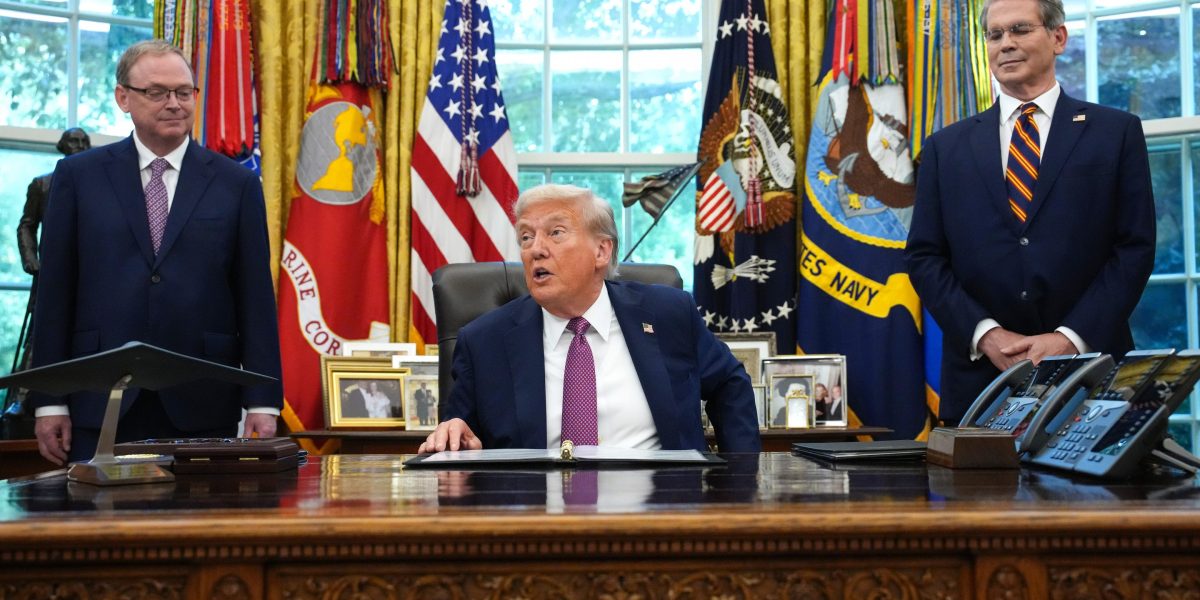
It might make the average American consumer happy, but the decision could amount to trillions of dollars worth of lost government revenue over the next decade, and eventually come back to haunt the country's fiscal stability. As evidence mounted that tariffs were taking a toll on American shoppers and companies, the Supreme Court justices ruled 6-3 that Trump had exceeded his authority when he installed sweeping "emergency" tariffs on a number of trade partners. The decision was cheered by business coalitions, and markets surged on the news.
The White House of 2036 will have a mammoth task on its hands: It will need to rustle up more than $2 trillion a year to pay the interest on its national debt burden, approximately 5% of the nation's entire economy. According to the latest projections from the Congressional Budget Office (CBO), the U.S. government will continue to run a sizeable and growing deficit over the next decade.
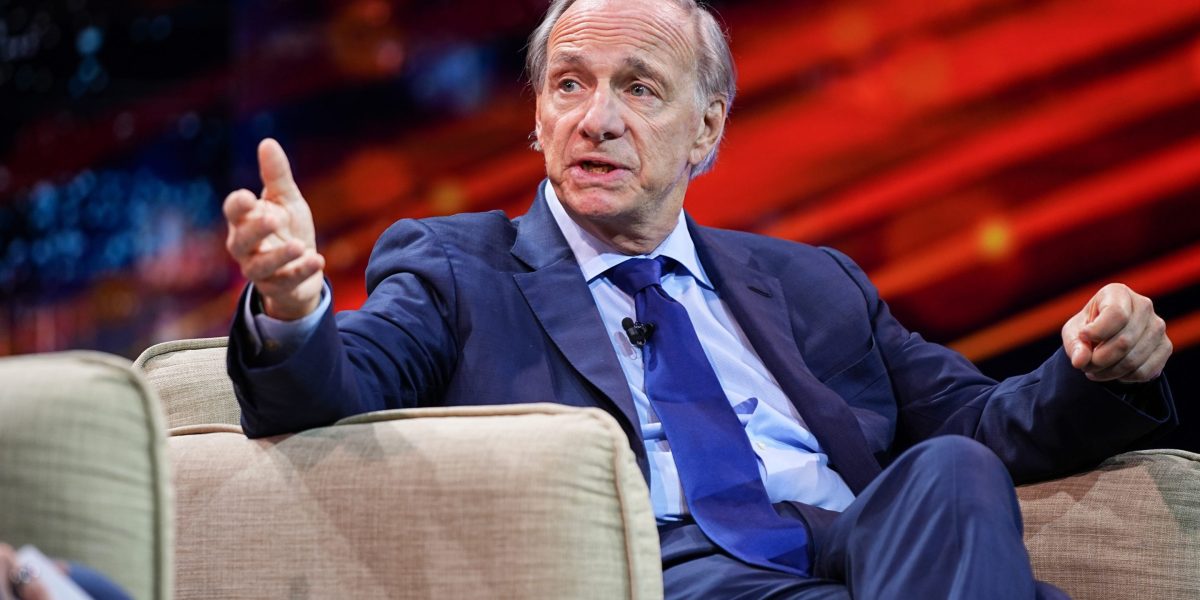
Ray Dalio never misses an opportunity to cut to the chase. On Wednesday at Davos, speaking to Kamal Ahmed, Fortune's Executive Editorial Director for the UK and Europe, he had a blunt assessment of the landscape leaders and CEOs are facing at the moment. "What always scares me is the lack of realism," among leaders, he said as he reeled off the historic economic, climate, and political threats the world is grappling with. "Will law prevail? Everyone is having to deal with that question."
With enhanced Affordable Care Act (ACA) subsidies due to expire within days, some Senate Democrats are scrambling to protect millions of Americans from getting the unpleasant holiday gift of spiking health insurance premiums. The CRFB says there's just one problem with the plan: it's not funded. "With the national debt as large as the economy and interest payments costing $1 trillion annually, it is absurd to suggest adding hundreds of billions more to the debt," CRFB President Maya MacGuineas wrote in a statement on Friday afternoon.
Some have argued keeping the national debt down protects the financial interests of younger people. That's because if the country's debt went up drastically, it is younger people who would have to foot the bill to pay for the interest on it. And it would be taken directly from their payslips through higher taxes. Generation Z, or those born between 1997 and 2012, have been hit in the pocket over the past 15 years by benefit cuts and dramatic increases in university tuition fees.
But as someone who was elected to the U.S. Congress in 1984 on the very platform of fiscal responsibility-and who was the first practicing CPA ever elected to Congress-I want to sound a more fundamental warning: the number may be much less meaningful than meets the eye. We will never truly know what the national debt really is, or tackle it effectively, unless we adopt full-GAAP accounting at the federal level.
"National debt" is a term thrown around quite frequently during political discussions. This often-staggering figure is the amount of money a country owes its creditors. But what or who constitutes as a creditor to a major nation? These can include institutions both overseas and at home, as well as other foreign countries. Though any sort of debt is generally painted in a negative light, national debt is normal and often goes along with a healthy economy; it can even help stimulate growth.
According to the detailed assessment from the nonpartisan budget watchdog, OBBBA will deliver a significant boost to economic output in the near term, with estimates showing growth rates could climb by nearly 1% in 2026, driven by increased demand and one-time incentives for labor and investment. However, the organization stresses this burst of activity is fleeting and warns projected long-term growth will stagnate as additional borrowing burdens the economy.
UK public sector borrowing dropped to £1.1bn in July, the lowest July borrowing for three years, as stronger tax revenues slowed the increase in public borrowing. The uplift in receipts was largely driven by a better-than-expected economic performance in the first half of the year. Despite this improvement, borrowing for the financial year to date remains £6.7bn higher than the same period last year.

When he goes on Fox News, the network where he hosts his show, and calls me crazy and refers to Marjorie Taylor Greene and her ilk, well he's insulting my entire district.
Since late 1996, individual donations through the Treasury Department's 'Gifts to Reduce the Public Debt' program have totaled $67.3 million, which represents roughly 20 minutes of debt accumulation.
I don't have any faith and confidence in the CBO, Nehls said, who was smoking a cigar and had both hands wrapped in bandages. They're scoring, they're wrong half the damn time.
Republican lawmakers are supporting a budget bill that threatens health care for vulnerable populations, risks rural hospitals, and escalates climate damage, while favoring the wealthy.
I think I'm the first senator in the history of the United States to be uninvited to the White House picnic. I just find this incredibly petty.