Yoga
fromYoga Journal
2 days agoHeadstand Comes with Rewards-and Risks. These 5 Alternative Poses Mimic Its Effects.
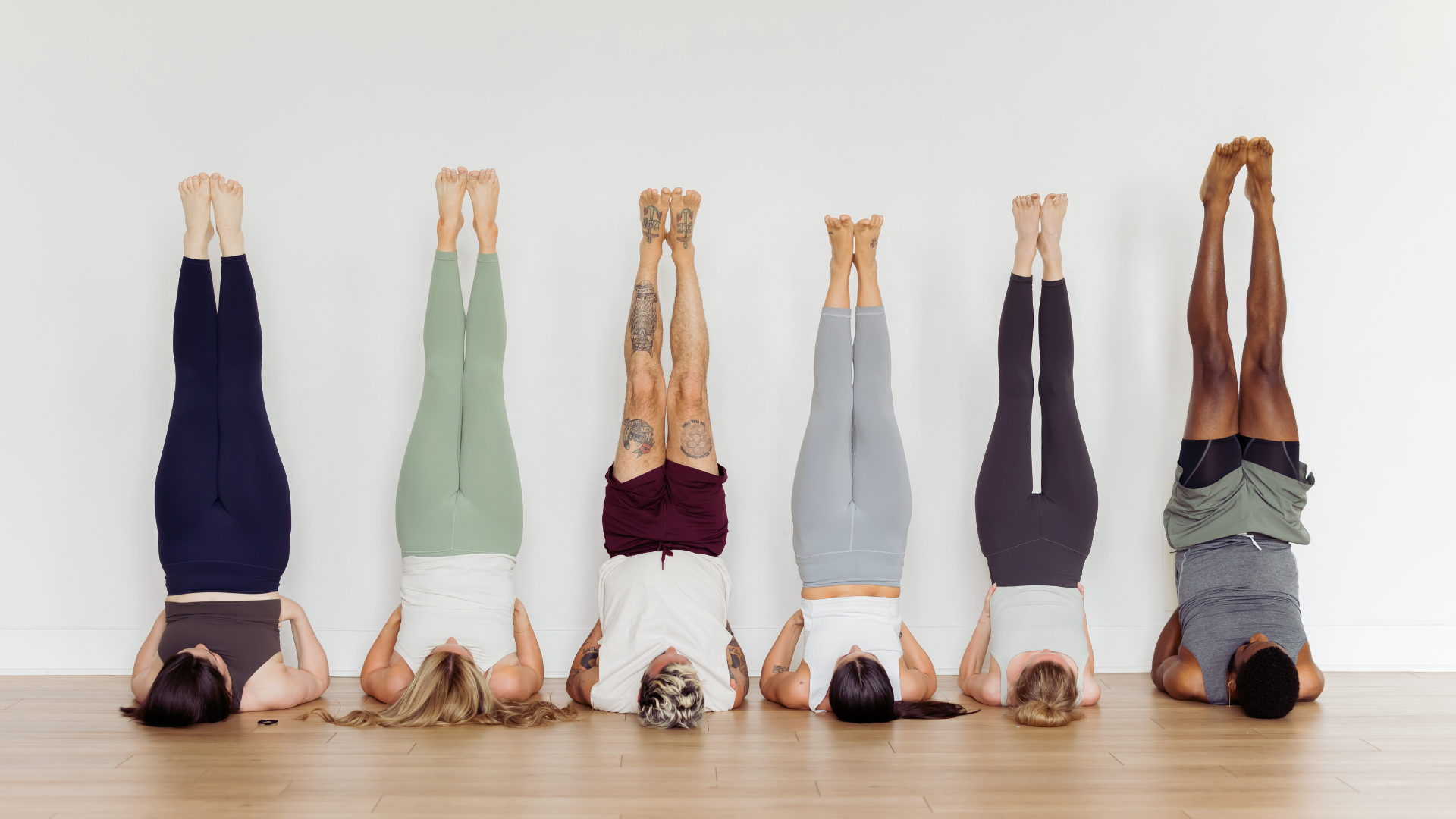
Headstand can be risky if practiced incorrectly, but with proper foundations and attention, it can be taught safely.
Headstand (Sirsasana) is often called the "king of poses" because of the many benefits it affords. It teaches balance and poise, increases the strength of the arms, positively affects the cardiovascular system, and allows, more than many poses, a few minutes for mental and physical stillness. It's a difficult pose, involving many precautions and prerequisites. Many Westerners feel that if they can practice Headstand, they are practicing "real" yoga.
This pose offers the benefits of inversions, such as increased circulation to the upper body. Like the other classical inverted poses of Sirsasana (Headstand) and Sarvangasana ( Shoulderstand), it also teaches the student poise. The nervous system controls movement through learned patterns in which groups of muscles and joints act habitually to produce desired results. In turn, this movement produces feedback, which informs the nervous system where one is in space in relation to gravity.