#jose-franco
#jose-franco
[ follow ]
#contemporary-art #photography #art-exhibition #street-art #architecture #cultural-heritage #illustration
Photography
fromArchDaily
13 hours ago40+ Contemporary Architectural Works Across Ecuador Captured by Francesco Russo and Luca Piffaretti
Photographers document Ecuador's architecture and landscapes, highlighting the country's evolving identity and the interplay between built environments and natural surroundings.
Arts
fromThe Art Newspaper - International art news and events
4 days agoGagosian chooses Paris location to present three important late paintings by Francis Bacon
Three late paintings by Francis Bacon will be exhibited in Paris, showcasing his significant connection to the city and his artistic evolution.
Graphic design
fromItsnicethat
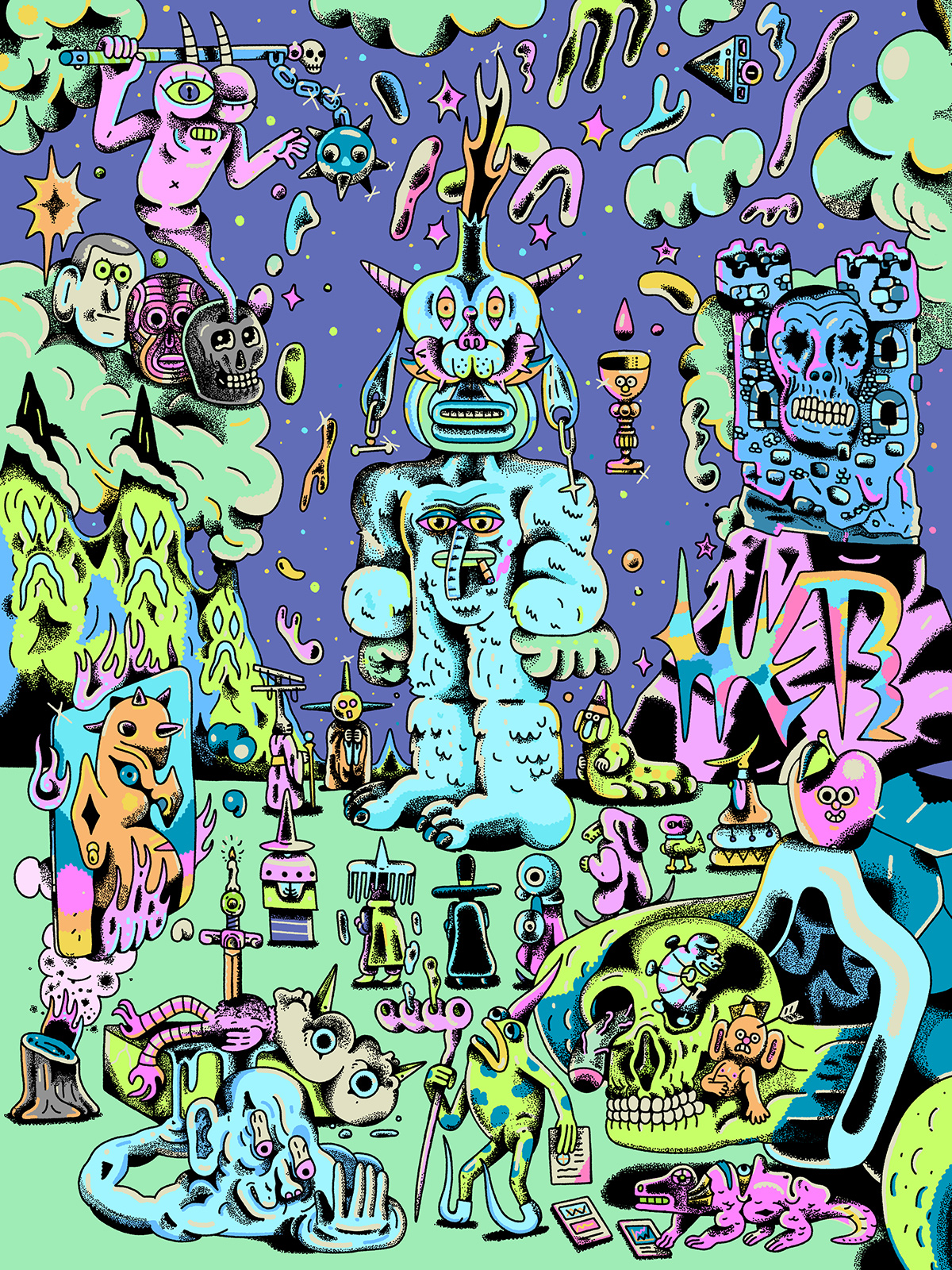
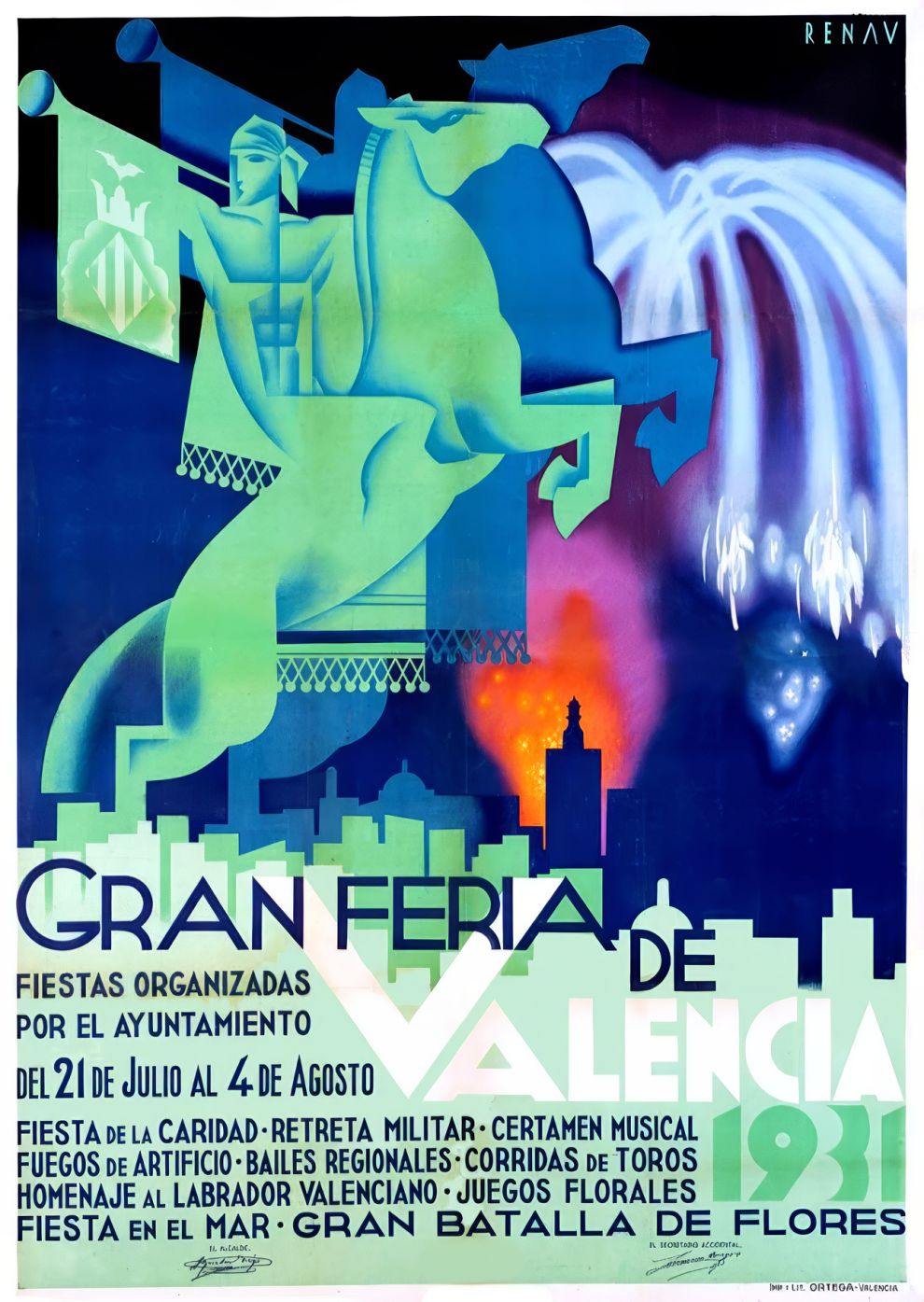
3 weeks agoDiogo Potes' paintings take poetic licence to a whole new level
Diogo transitions from two decades of client-focused graphic design to liberated painting, abandoning narrative cohesion and readability constraints for experimental, textured, and visually transgressive work.
Music
fromwww.theguardian.com
3 weeks agoUruguay's candombe brings streets to life as the once-banned musical tradition roars back
Candombe, Uruguay's Afro-descendant music once banned and marginalized, is now experiencing peak popularity after spreading from Black neighborhoods throughout the country.
Design
fromThe Art Newspaper - International art news and events
3 weeks agoSao Paulo pop-up exhibition spotlights spherical home by architect Eduardo Longo
The fifth edition of an annual art, architecture, and design exhibition opens in São Paulo, featuring six galleries, over 50 artists, and newly commissioned works across two landmarks including a spherical home designed by architect Eduardo Longo.
Arts
fromThe Art Newspaper - International art news and events
2 weeks agoBritish artist Simon Fujiwara tackles Guernica, syphilis and the death of a Japanese pornstar in Luxembourg survey exhibition
Simon Fujiwara's exhibition at Mudam Luxembourg reinterprets Picasso's Guernica, exploring themes of conflict, identity, and the aftermath of war.
Independent films
fromenglish.elpais.com
1 month agoWagner Moura, Oscar nominee: We're in a very ugly time, even I am afraid of running into ICE'
Wagner Moura stars in The Secret Agent, a political thriller about 1970s Brazilian dictatorship that earned him a Cannes best actor award and an Oscar nomination.
Miscellaneous
fromenglish.elpais.com
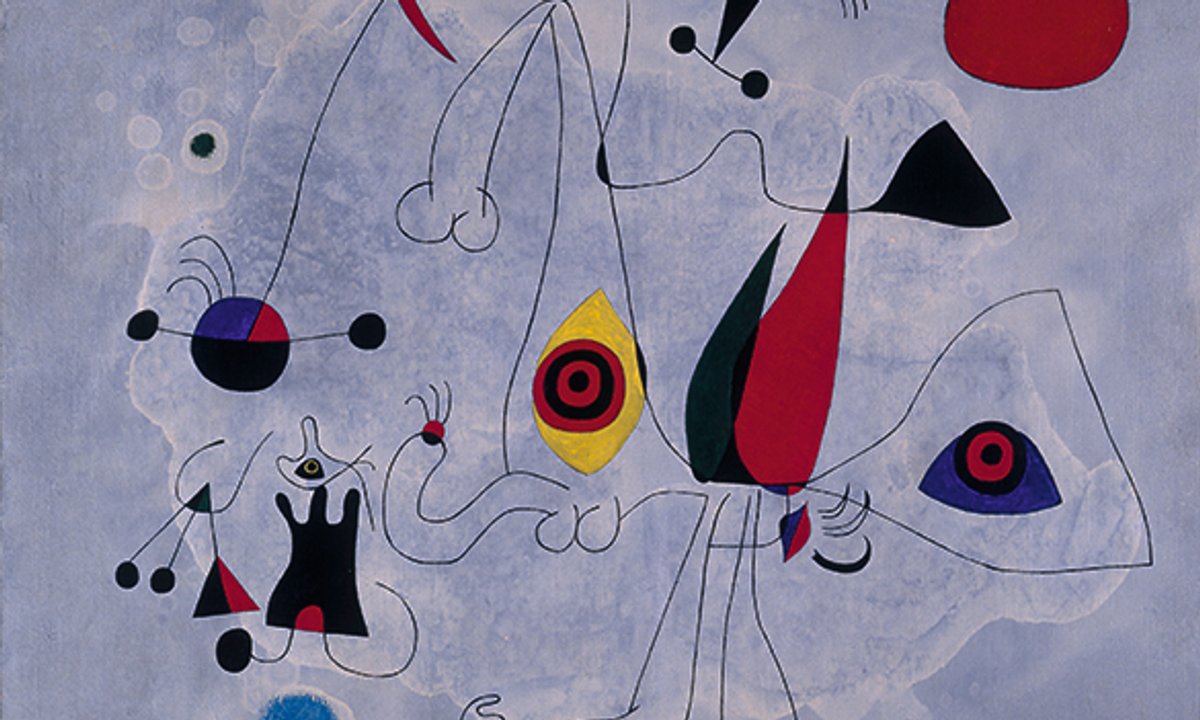
1 month agoLAM, the museum that displays a portrait made with sausages and a sculpture of moldy grapes
The Lisser Art Museum in Lisse, Netherlands houses the world's largest collection of art related to food, drink, and consumption, featuring multidimensional works that explore everyday culinary themes in extraordinary ways.
fromArtforum
1 month agoFoto Estudio Luisita
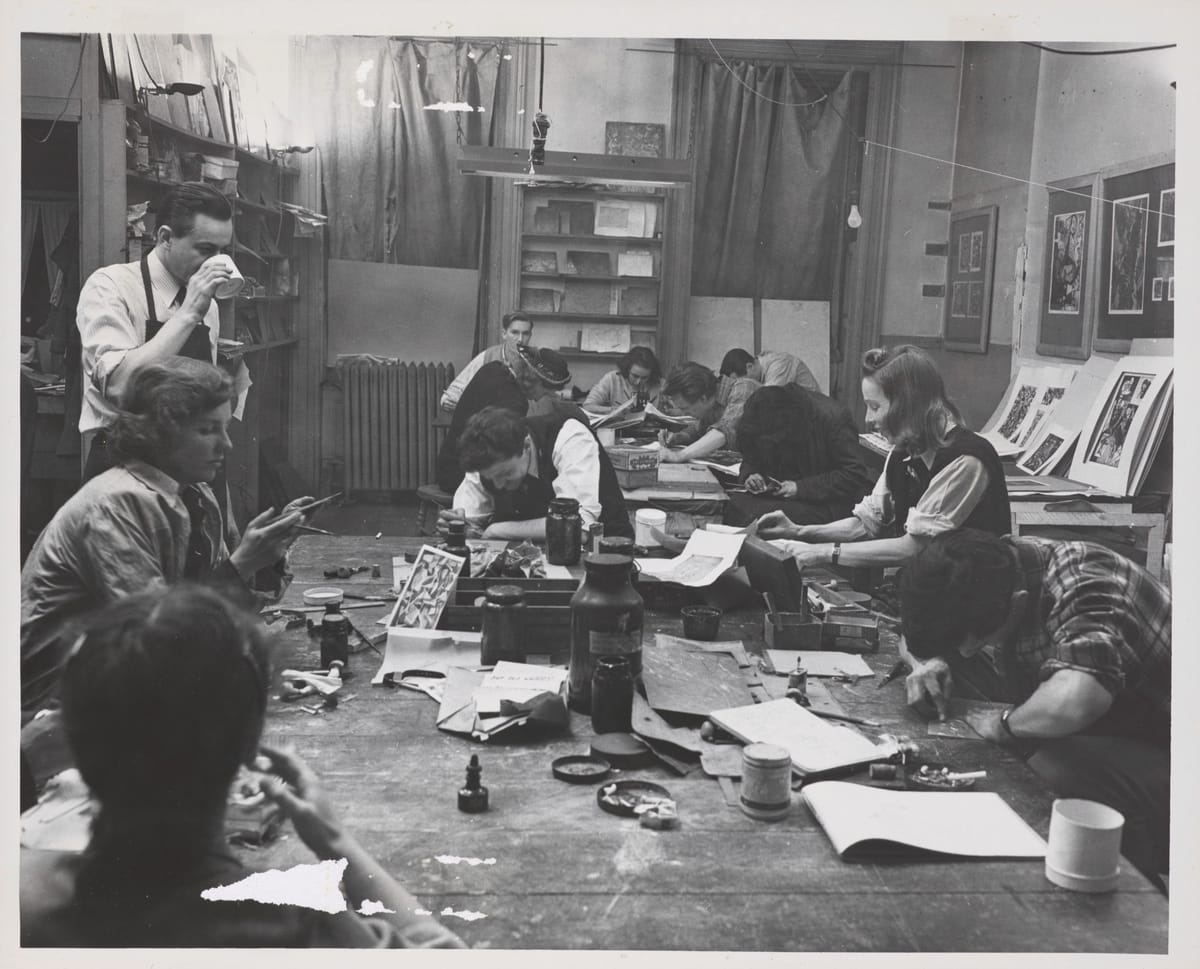
For the Escarrias-petite sisters of African descent born ten months apart in Cali, Colombia-commercial photography was in their family DNA. Their parents established a studio in their hometown that was overseen by their mother after their father's early demise. The siblings learned the family trade, and when they fled the country's civil war in 1958, they quickly reestablished the studio in Buenos Aires.
Photography
fromArtnet News
3 weeks agoA New Show on Picasso's Religious Roots Opens in a Spanish Cathedral
At first glance, this curatorial oversight is hardly surprising. After all, Picasso was an atheist and Communist supporter whose ever-shifting practice seemed to chafe against centuries of religious art. Indeed, in a well-known episode from the 1940s, Picasso personally confronted Henri Matisse for accepting the Vence chapel commission.
Arts
#contemporary-art
Arts
fromKALTBLUT Magazine
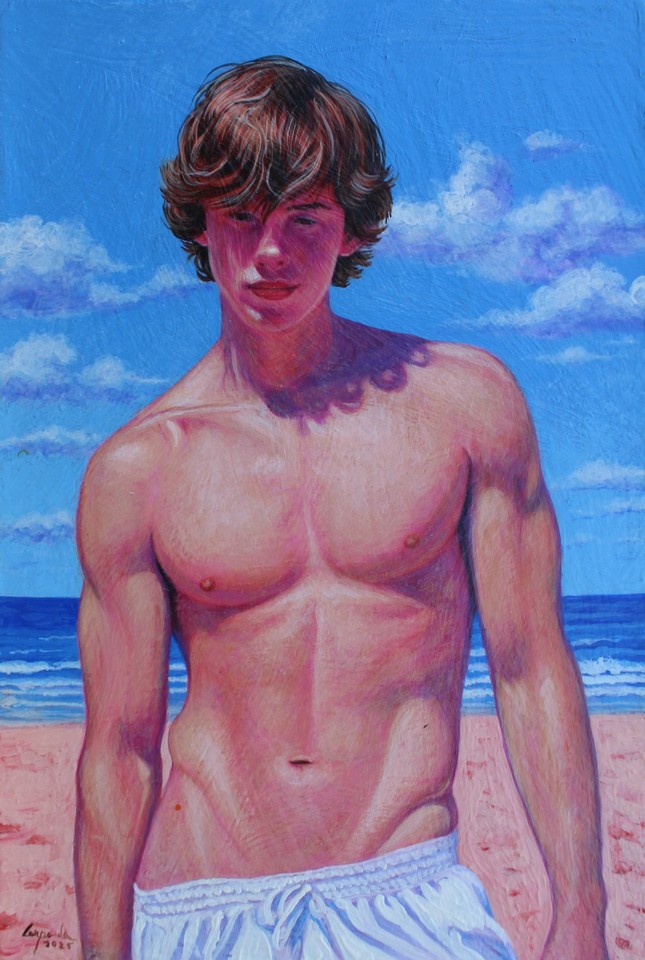
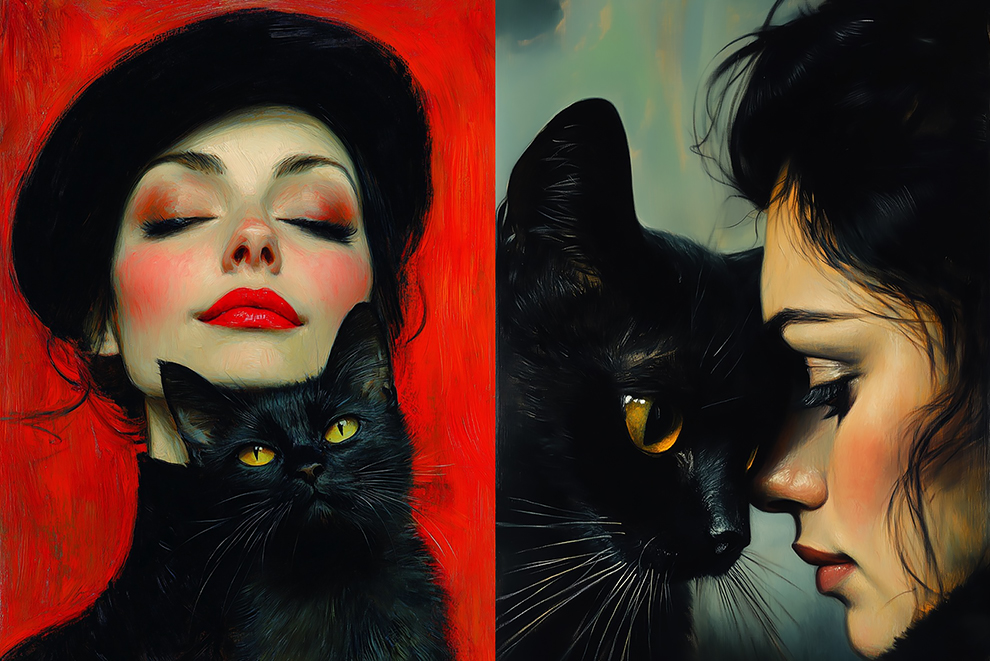
3 weeks agoCelebrate the Unconventional: Discover Fernando Carpaneda's Solo Exhibition at the Arkell Museum - KALTBLUT Magazine
Fernando Carpaneda's solo exhibition at the Arkell Museum showcases expressive portraiture celebrating LGBTQIA+ narratives and everyday urban life through vibrant acrylic paintings.
History
fromenglish.elpais.com
2 months agoA letter reveals what Franco paid (and what he still owed) for the Goya painting he wanted to give to Hitler
Francisco Franco failed to pay 9,000 pesetas for commissioned copies of Goya's Portrait of the Marchioness of Santa Cruz intended as gifts for Adolf Hitler.
fromwww.theguardian.com
2 months agoPrado chief says Madrid art museum doesn't need single visitor more'
In 2025 the Prado, which is home to such masterpieces as Velazquez's Las Meninas and Hieronymus Bosch's The Garden of Earthly Delights, was visited by 3,513,402 people, an increase of more than 56,000 from the previous year. Visitor numbers have risen by more than 816,000 over the past decade. While some museum bosses would be toasting such a success, the Prado's director, Miguel Falomir, is treating it with caution. The Prado doesn't need a single visitor more, he told a press conference on Wednesday.
Miscellaneous
Arts
fromJuxtapoz
1 month agoJuxtapoz Magazine - Rise above it: John Rivas @ Francois Ghebaly New York
Salvadoran-American artist John Rivas expands his mixed-media practice into hand-carved wooden sculpture, exploring cultural identity, family labor, and personal memory through material resourcefulness and collaborative processes.
fromOpen Culture
2 months agoBrazilian Musician Seu Jorge Performs 15 Iconic Bowie Songs in Portuguese to Mark the 10th Anniversary of Bowie's Passing
In 2004, the Brazilian musician Seu Jorge recorded a series of Portuguese covers of David Bowie songs for Wes Anderson's film The Life Aquatic with Steve Zissou. The next year, he released a full album of 13 Bowie classics, and in 2016-2017, he even took the songs on tour. Now, in 2026, to mark the 10th anniversary of Bowie's passing, Jorge returns with the performance above.
Music
fromDesign Milk
1 month agoInside Lee Broom's Latin American Exhibition at Diez Company
Now, he celebrates his first major presentation in Latin America, in congruence with Mexico City Art Week 2026 and ZSONAMACO, showcasing on an ideal stage inside one of the city's most architecturally layered interiors. Titled The Resident, the site-responsive installation, created during a residency at the Diez Company house, transforms the historic showroom into an immersive tableau where more than 50 works negotiate the boundaries between collectible design, contemporary art, and spatial theater.
Design
Arts
fromMiami Herald
1 month agoCarlos Alfonzo and Belkis Ayon Unite in 'Odyssey' at Freedom Tower
Two significant 20th-century Cuban artists, Carlos Alfonzo and Belkis Ayón, are exhibited together for the first time at Freedom Tower, revealing shared interests in mythology and artistic influences despite their stylistic differences.
fromThe Good Life France
1 month agoStreet Art rules in France - The Good Life France
If you've walked around any of France's cosmopolitan cities in recent years, you're sure to have come across some stunning murals. Painted onto the side of buildings, in hidden corners, and just about anywhere an artist can paint, street art is booming. We're not talking old-school graffiti here, hastily sprayed names on walls, and anti-social stuff like that. Today's street art is commissioned by city or town councils and created by prominent street artists from around the globe says Suzanne Pearson.
Arts
Arts
fromThe Art Newspaper - International art news and events
1 month agoMore than 600 works by Afro-Brazilian artists returned to Brazil
A voluntary repatriation returned 666 Afro-Brazilian works from Detroit to Muncab in Salvador, marking Brazil's largest cultural repatriation and a symbolic act of reparation.


fromArtnet News
1 month agoHow Wifredo Lam Made Surrealism More Surreal Than the Surrealists | Artnet News
An exhibition of Wifredo Lam is about as safe a bet as the Museum of Modern Art can place and still plausibly say that it's a bet on expanding the canon. The Cuban artist is one of the most famous painters of the 20th century, featured in almost every single key show about Surrealism. MoMA acquired his famous painting The Jungle in 1946, a few years after he made it.
Arts
fromColossal
2 months agoRegina Silveira Pieces Together an Evolving Narrative of Latin America
Regina Silveira has spent the better part of three decades considering the relationship between media and meaning, particularly as it relates to Latin America. First presented in 1997, "To Be Continued..." features 100 black-and-white reproductions of photos, newspaper clippings, propaganda, advertisements, and more. Silveira nests each image into an oversized puzzle piece, which cuts off faces and scenes to leave fragments of pop culture icons, flora and fauna, and even the occasional mugshot spliced next to one another.
Arts
fromCurbed
2 months agoThe Cuban House of Spirits
The artists José Parlá and Claudia Hilda, his wife, live in a former fire station in Fort Greene surrounded by memories of Cuba, which Parlá's ­family fled in 1970 and where ­Hilda lived until recently. "There's a lot of magical realism here, a big mix of Cuban traditions and religion," says Parlá, pointing to an icon of la Caridad del Cobre, the island's patron saint, in the kitchen. "We cannot move her!"
Arts
fromCurbed
2 months agoThe Cuban House of Spirits
The artists José Parlá and Claudia Hilda, his wife, live in a former fire station in Fort Greene surrounded by memories of Cuba, which Parlá's family fled in 1970 and where Hilda lived until recently. "There's a lot of magical realism here, a big mix of Cuban traditions and religion," says Parlá, pointing to an icon of la Caridad del Cobre, the island's patron saint, in the kitchen. "We cannot move her!"
Arts
fromThe Mercury News
1 month agoSan Jose artist brings wind, light to bear in her paintings
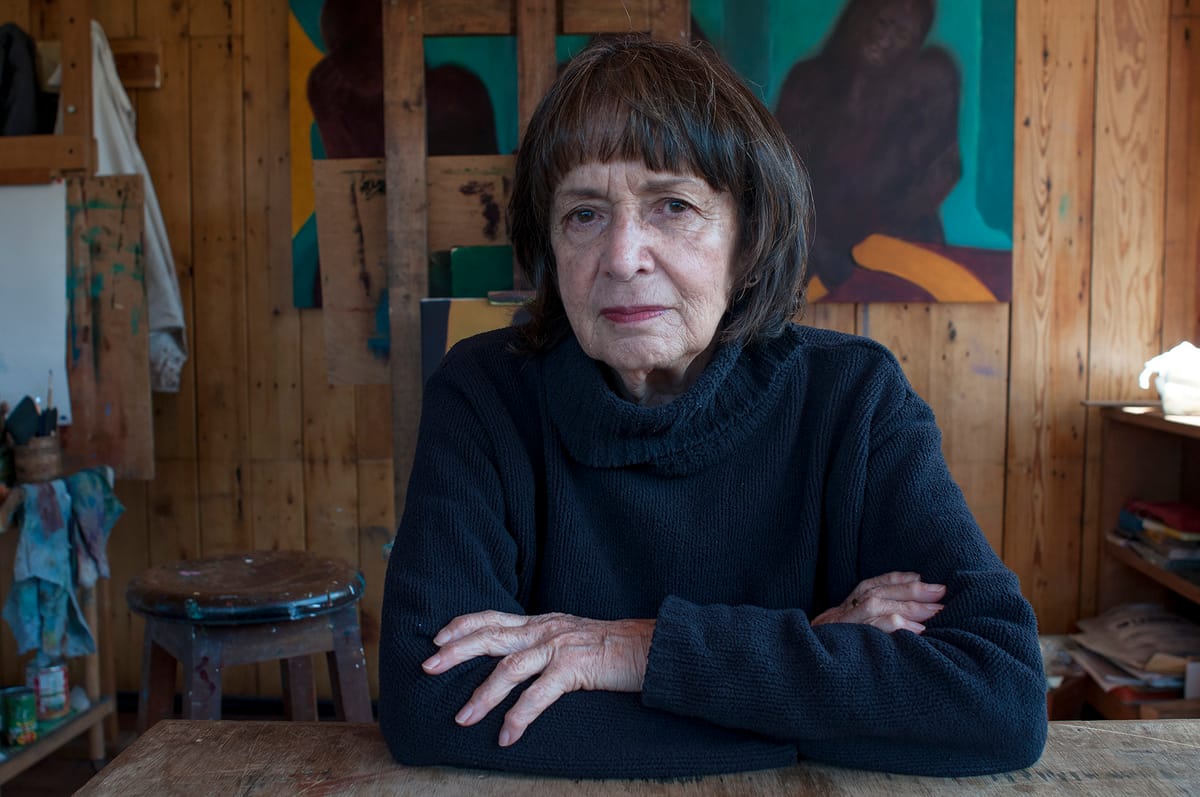
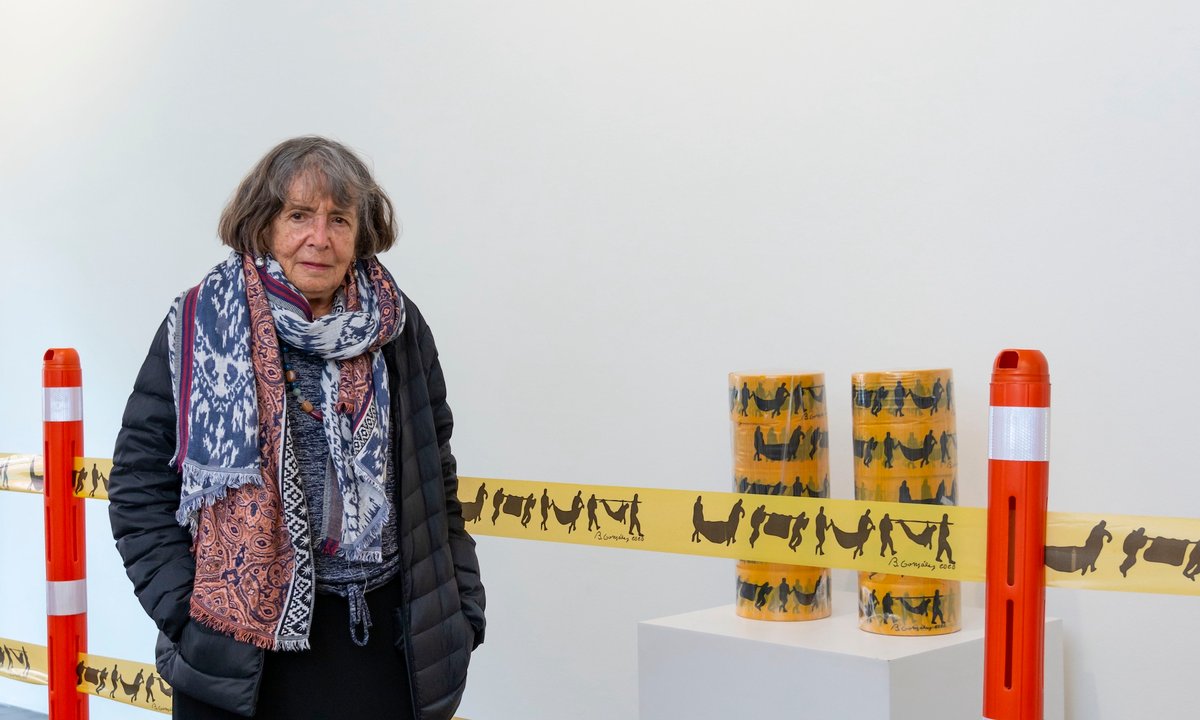
Artist Ayelet Gal-On does not just paint; she builds, layering oil, acrylic and plaster on canvas. Gal-On's signature subjects for "Taken by the Wind, Swept by the Light," her upcoming solo exhibition at Gallery 9 in Los Altos, are white dresses that appear to hang on a line, defying the stillness of the canvas. "I love the process of playing with color," says the artist.
Arts
fromColossal
2 months agoAbsurd Scenarios Stretch Across Paco Pomet's Uncanny Canvases
From figures with multiple legs and noodles for arms to frolicking trees, Paco Pomet summons the absurd. Known for his uncanny oil paintings rendered mostly in monochrome and enlivened by colorful details of overly stretchy limbs or celestial objects, a sense of nostalgia greets surreal scenarios. The artist often derives his imagery from vintage black-and-white photographs, adding an absurd dimension to history.
Arts
fromJuxtapoz
1 month agoJuxtapoz Magazine - Oscar Murillo: "el pozo de agua" @ kurimanzutto, Mexico City
OSCAR MURILLO (b. 1986, La Paila, Colombia) has developed a multifaceted and challenging practice that spans painting, collaborative projects, video, sound and installation. Through each body of work, the artist probes ideas of collectivity and shared culture, demonstrating a commitment to the power of material presence alongside complex meditations on contemporary society. A focus on the social dimension that sits on the border between performance and events is also central to Murillo's practice.
Arts
fromThe Art Newspaper - International art news and events
1 month agoAt Mexico City's Material and Salon Acme fairs, artists find hope in nature
"The new venue has allowed us to develop the experience of the fair-it lends itself to being more of a destination," Brett W. Schultz, the co-founder and director of Material, tells The Art Newspaper. The fair features over 70 exhibitors this year, with an especially strong contingent of Mexico City galleries that, like Material, have been around for a little over a decade.
Arts
fromHyperallergic
2 months agoVisions of Venezuela and Cuba From Exile
Otherworldly forms greet you at the entrance to the exhibition, transporting you into a kaleidoscopic, dream-like space. A voice speaks in the background as projected images dance across the forms, animating the space. "It's been really beautiful to see her work come alive, become a landscape ... where you can traverse and kind of get lost," curator Fabiola R. Delgado says of Lisu Vega's "The Uncertain Future of Absence (El Futuro Incierto de la Ausencia)" (2025).
Arts
Arts
fromThe Art Newspaper - International art news and events
1 month agoMexico City's art scene gravitates to Santa Maria la Ribera neighbourhood
Santa María la Ribera has become a growing hub for contemporary Mexican artists, offering affordable studios, large Porfirian-era spaces, and new exhibition venues.
Arts
fromThe Art Newspaper - International art news and events
1 month agoMuseo de Arte Moderno de Bogota dismisses longtime artistic director
Museo de Arte Moderno de Bogotá has terminated artistic director Eugenio Viola amid a board 'comprehensive review' after Viola raised concerns about deteriorating working conditions.
fromHyperallergic
1 month agoSpain's Cosmic Mother of Modernism
MADRID - The most famous portrait of Maruja Mallo depicts the artist covered from head to toe in seaweed. She is crowned and draped with long, rope-like strands of kelp, her arms raised triumphantly like an all-powerful marine goddess. This unconventional photograph, snapped in 1945 by the poet Pablo Neruda on a Chilean beach, was no doubt carefully orchestrated by the Spanish artist, who viewed herself as an extension of her unique work, where female energy is a conduit for natural and even cosmic forces.
Arts
fromArtforum
2 months agoMiami's Crisis of Memory: Eddie Arroyo's December 3, 2024, 7:10 am Design District, 2025
This is the site of the Florida state historical marker commemorating Arthur Lee McDuffie, a Black insurance broker and former US Marine whose 1979 beating death at the hands of Miami police ignited one of the most consequential uprisings in the city's history. A plaque unveiled in February 2024 at the site of his attack finally acknowledged the violence that fractured McDuffie's skull and the community-wide outrage that followed.
Arts
fromJuxtapoz
2 months agoJuxtapoz Magazine - Misfits: Daniel Nunez Explores a New Freedom @ GR Gallery, New York
"The four large-scale canvases that constitute the core of ' Misfits' maintain the fundamental elements of the artist's visual lexicon while radically reconfiguring compositional structure and spatial organization. These works advance a design freedom that is simultaneously forceful and controlled, achieving a balance between expressive intensity and formal restraint. As such, the series marks a decisive moment in Nuñez artistic evolution and possibly an initial step toward a more profound and transformative reorientation of his practice."
Arts
fromColossal
2 months agoBruno Pontiroli Tests the Boundaries of Familiarity in His Uncanny Wildlife Paintings
The artist is known for his absurdist paintings of animals with overly long legs, contorted bodies, or myriad mutant-like heads or limbs. They're often set amid woodlands or meadows evocative of 18th- and 19th-century academic landscape paintings or depictions of formal hunts. Instead, both domesticated and wild animals graze as normally as they would without dozens of heads or udders attached in unnatural places around their bodies.
Arts
[ Load more ]