Environment
fromLos Angeles Times
1 day agoThe ocean off California keeps breaking heat records
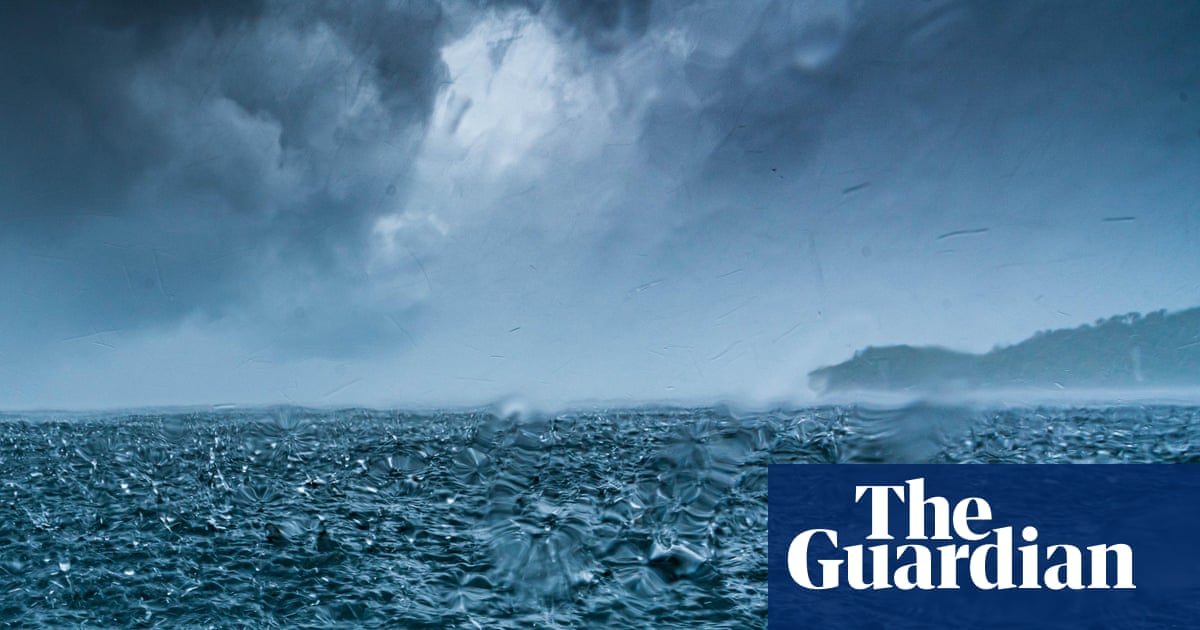
An extreme marine heat wave off California is breaking records and could impact coastal weather and ecosystems for months.
The ongoing storm is expected to add 13-16 cm at Banff Sunshine and around 4-5 cm at Lake Louise by Friday morning, with the deepest moisture focused on Alberta.
Such an event, if it transpired on Earth today, would see kilometres-thick ice sheets gouging their way from the Arctic to the Bahamas. Once-diverse ecosystems and climate zones would merge into a single, uniform condition, seemingly destined to be barren. Scientists once argued that such a 'snowball' state could never have existed on Earth since global glaciation could not be reversed. Moreover, on such a world, all life, including our own ancestors, would surely have been extinguished.
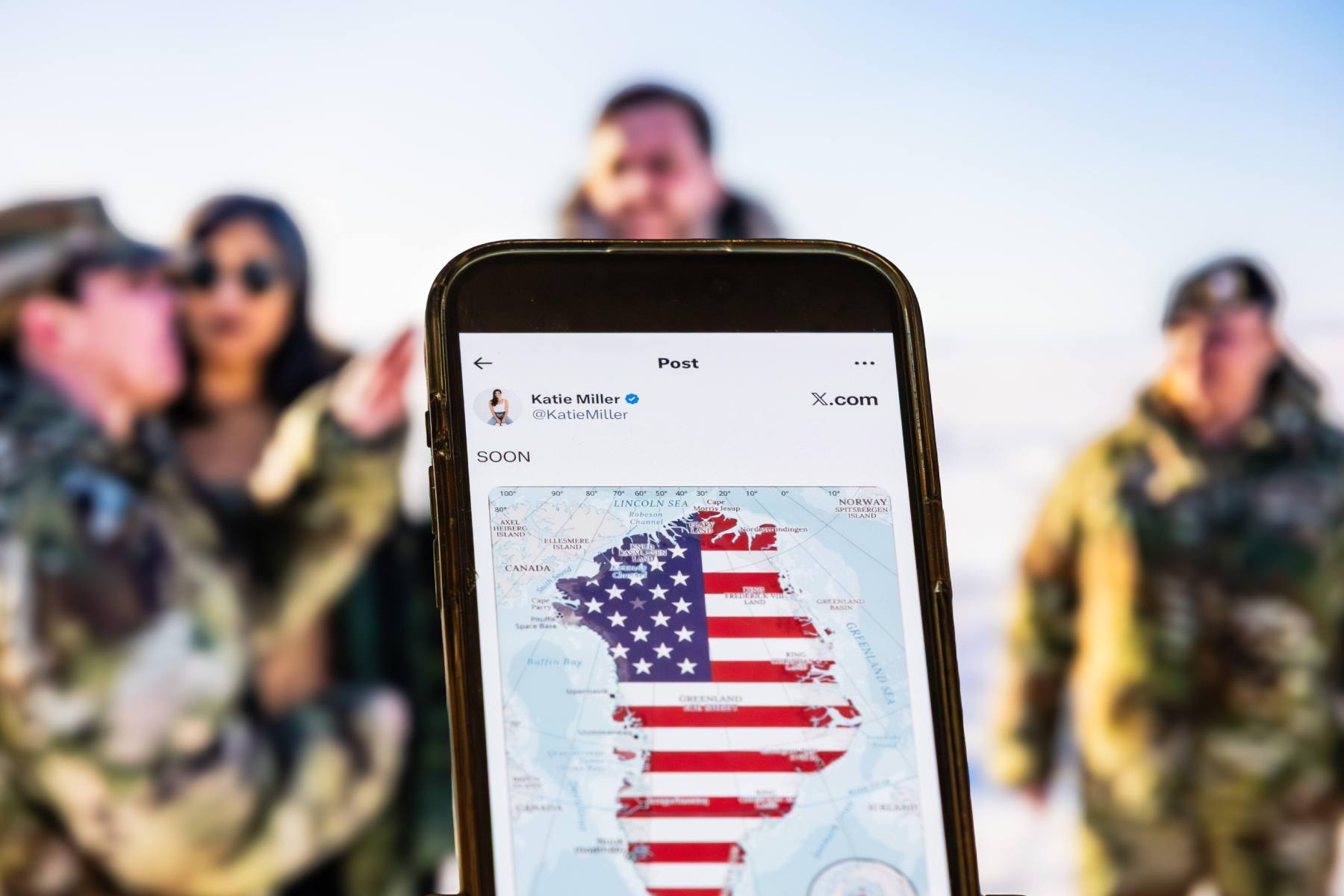
He had flown in from Mar-a-Lago and, he told me, was there to observe. The next day, he watched as Åsa Rennermalm, a Rutgers University professor who studies polar regions, sat onstage with European foreign ministers and spoke out against cuts to U.S. science funding. "A leading US Arctic scientist is on stage absolutely ripping her country to the delight of the audience," Dans wrote on X. "Embarassing." He punctuated his post with an American-flag emoji.
That seemingly paradoxical dynamic results from several factors. Foremost among them is the rebound of land beneath the Greenland Ice Sheet, a mile-thick body of glacial ice that covers 80 percent of the island and is being lost to melting at a rate of roughly 200 billion tons each year. As the ice sheet loses mass, the land beneath rises.
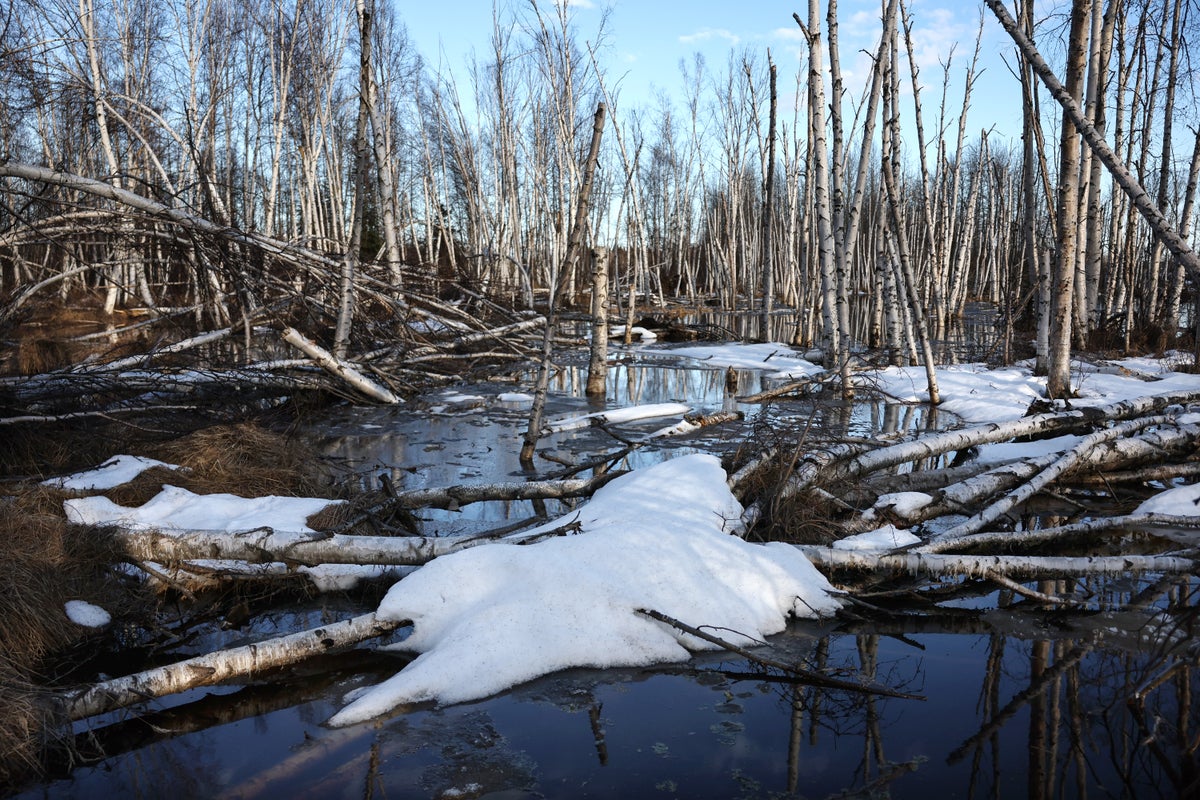
Recently, Anchorage, Alaska's largest city with nearly 400,000 residents, has just recorded its snowiest January on record. Tucked in between the mighty Cook Inlet and pushed right up against the Chugach Mountains, Anchorage sits in prime location for some serious snow totals. Moisture from pacific storms builds up over the inlet, and thanks to orographic lift caused by the mountains, forces that moisture to drop over Anchorage. Thanks to Alaska's northernly location, that moisture often falls in the form of snow.
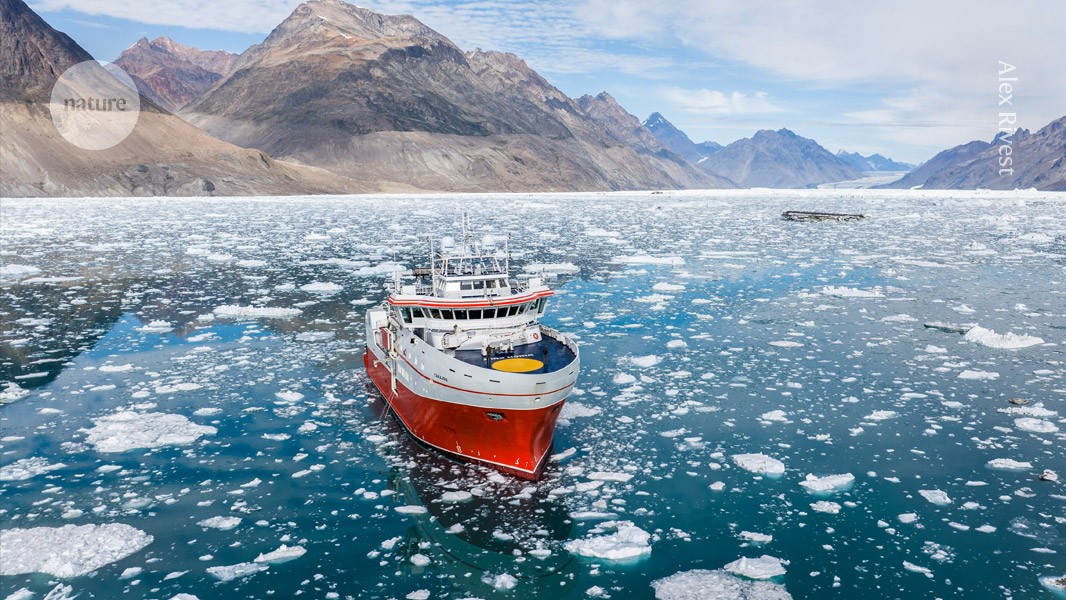
Decades of successful scientific collaboration could be at risk if Europe-US political relations continue to fray over trade and defense issues. For more than 30 years, Arctic nations have worked together across the physical, biological and social sciences to understand one of the world's fastest changing regions. Since the late 1970s, the Arctic has lost around 33,000 square miles of sea ice each year roughly the same area as Czechia.
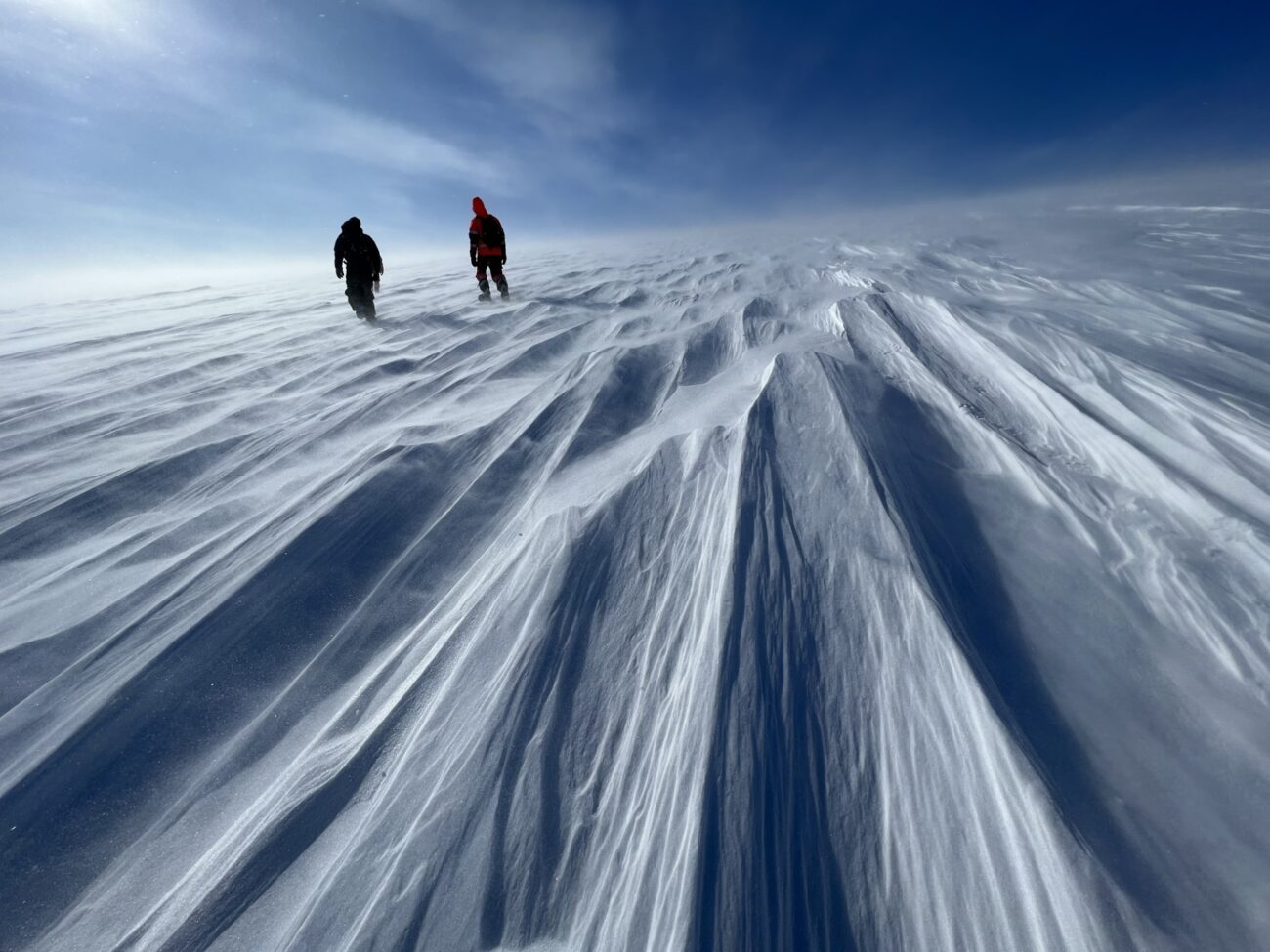
Ice-sheet retreat lined up with low algae growth over the past ~500,000 years, implying less CO₂ uptake in parts of the Southern Ocean during warm periods. The study points to iceberg-delivered, iron-rich sediments from West Antarctica during warm intervals, not windblown dust. The iron-bearing minerals in these sediments were highly weathered and not readily bioavailable to marine algae. If WAIS keeps shrinking, similar sediment delivery could weaken Southern Ocean carbon uptake, creating feedback that could amplify climate change.
Polar bears are the poster children of climate changeand for good reason. These giant bears hunt, mate and spend their days hanging out on Arctic sea ice, which is rapidly disappearing as the climate warms. But some polar bears, it seems, are far more resilient than we realized: new research suggests that in one region, the bears are adapting to the declining sea ice.
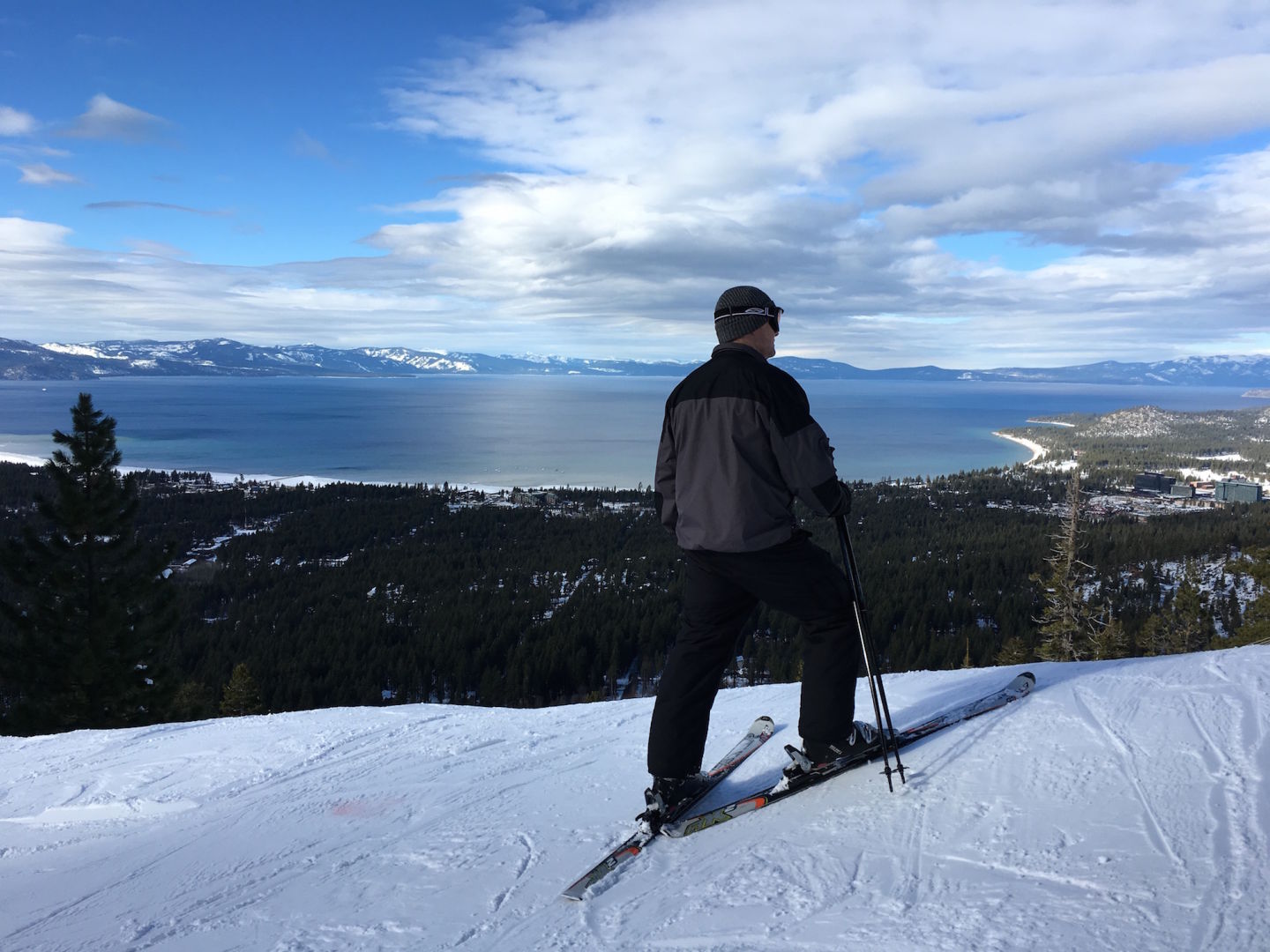
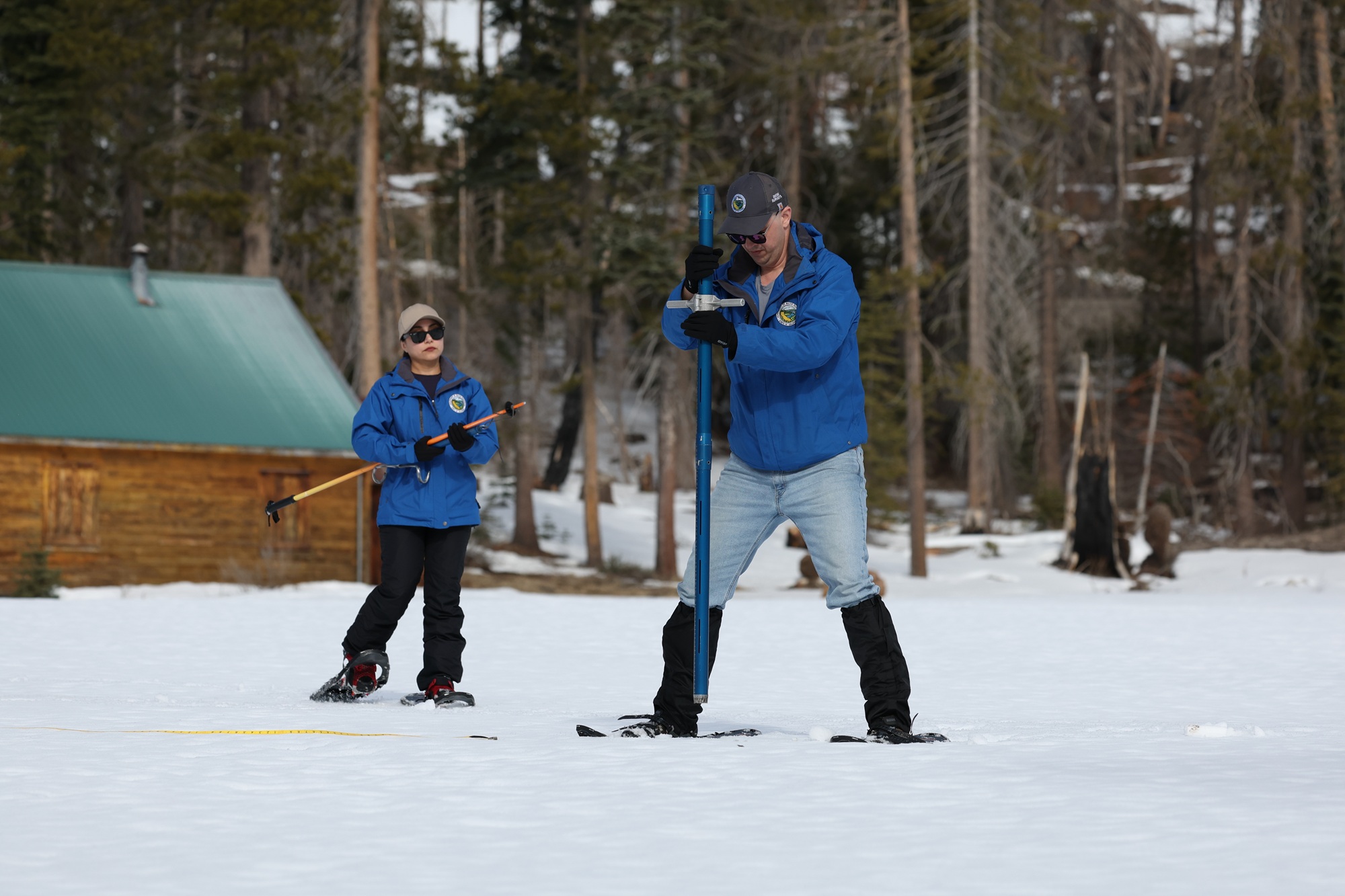
"A dry January, which is historically the wettest month of the year in California, has now eroded the gains made at the start of the year and forecasts currently show no major precipitation in the next two weeks," California Department of Weather Resources spokesperson Jason Ince wrote in a Jan. 30 news release. The first month of the year certainly left the area warmer and drier than usual, weather officials confirmed.
If you are reading this on the East Coast, congratulations on the warmer weather you're finally getting this week. It was cold and snowy for a while there. Here in the West, we wish we'd been in your shoes. Spare a thought for the tens of millions of us who live on the other side of the continent, where a catastrophe is unfolding.