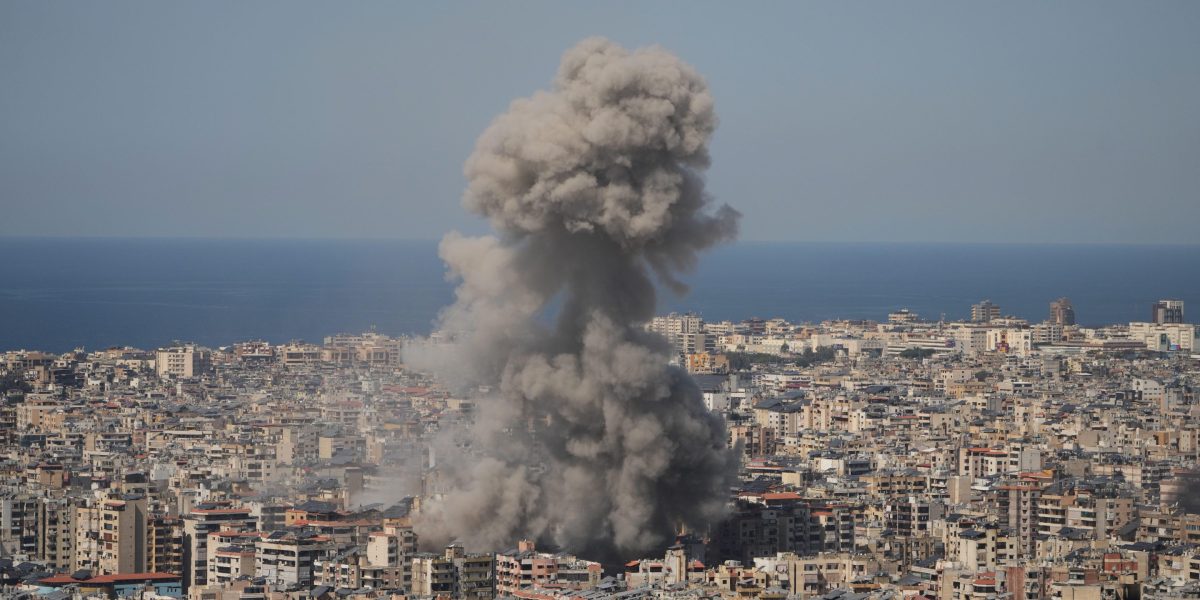
A security source has reported that two unmanned aerial vehicles crashed in the Wilayat of Sohar. One of the drones struck Al Awhi Industrial Zone, resulting in the fatalities of two expatriate workers and causing several additional injuries.
The Port of Salalah, located on Oman's southern coast, is one of the region's most important maritime gateways and had been widely regarded as a relatively safe alternative for shipping companies seeking to avoid the escalating risks around the Strait of Hormuz and the Red Sea. The port sits at a critical intersection of global trade routes linking southeast Asia with Europe, Africa and the Americas.
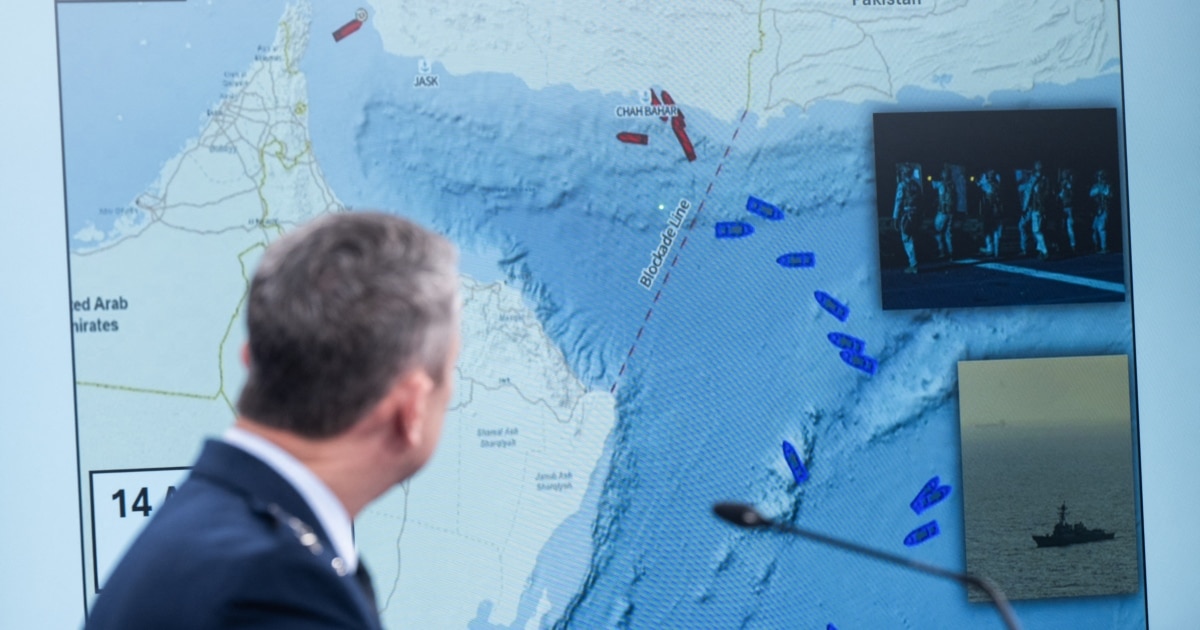
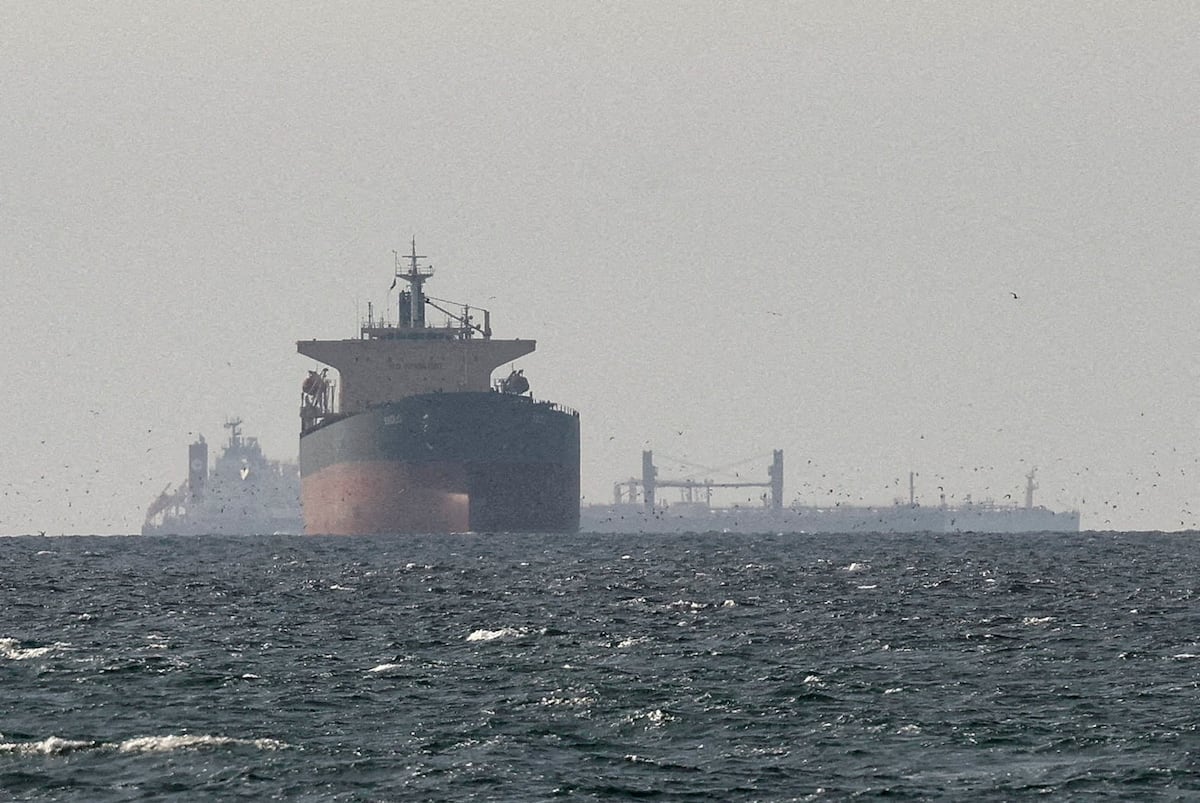
In the two weeks since the U.S. and Israel launched attacks against Iran, thousands of vessels have experienced navigation interference in the Persian Gulf. Commercial shipping through the strait, which carries roughly 20 percent of the world's oil, has nearly ground to a halt. Though rocket and drone attacks are also to blame, another major hazard is GPS spoofing—the transmission of counterfeit satellite navigation signals.
I spoke with him around midnight and everything was fine. Then he called me again around 2:30 a.m. and quickly said: 'We're all okay, everyone survived.' Later in the morning, she said, her husband told her that a drone had struck their tanker, triggering a fire that heavily damaged the vessel.
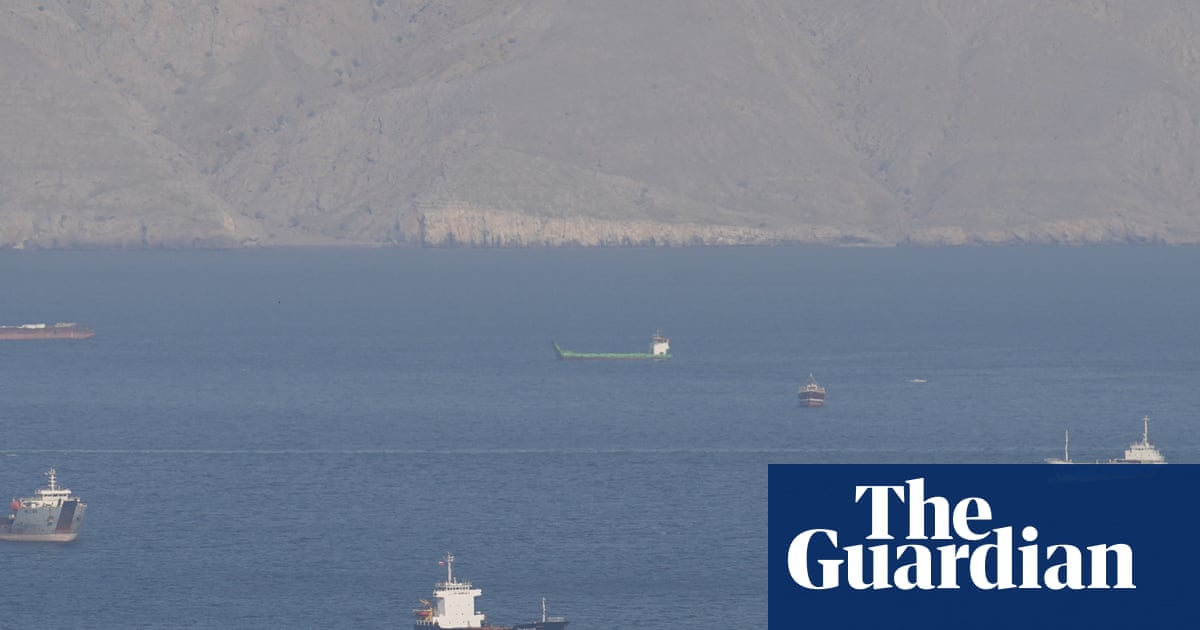
I'm up to 35 different clusters. The clusters she mentions are weird circles of icons layered over the map, with each icon representing a real ship. But ships don't bunch together in tight, unnaturally perfect circles. And they also don't hover over land which is where some of the clusters appear. No, their GPS coordinates have been disrupted, obfuscating their true location.
Western governments have accused Vladimir Putin's administration of relying on a network of ageing oil tankers operating under opaque ownership structures to bypass energy sanctions imposed after Russia invaded Ukraine. Estimates from maritime analysts suggest the shadow fleet could number several hundred vessels globally, many of which transit European waters each month carrying discounted Russian crude to buyers in Asia and elsewhere.
Speaking during a visit to Latvia on Monday, Wadephul called for "better cooperation between Baltic nations," including Germany, including better maritime surveillance and more effective deterrence. "We want to take action against ships whose flag status is unclear," he said. "We must use all the possibilities offered by maritime law to stop such ships." His Latvian counterpart, Baiba Braze, concurred, saying: "All loopholes that are being exploited by Russia to carry out these operations must be closed."
Ship positions, weather data and emergency messages flash across monitors at the Cyprus Joint Rescue Coordination Center in the port town of Larnaca in southeastern Cyprus. This is where Cyprus coordinates search and rescue operations in the eastern Mediterranean. It is also where the logistics of running a maritime corridor to provide humanitarian aid to Gaza are organized. Some 32,000 tons of humanitarian relief supplies aid from the European Union have been inspected in Cyprus' ports and shipped on to Gaza.
As I discovered while researching my latest novel, subaquatic sabotage could be easily carried out and we are woefully underprepared The events of the past few weeks - including ­Donald Trump's threats to ­Greenland, the US seizure of a Russian-registered tanker after its encroachment on Irish waters and the severing of ­telecoms cables in the Baltic - have all come together to highlight one of the great vulnerabilities of contemporary Ireland: the fragile cables that connect us all.
Chinese, Russian and Iranian ships were seen moving into and out of the harbour that serves South Africa's top naval base in Simon's Town, south of Cape Town, where the Indian Ocean meets the Atlantic Ocean. It was not immediately clear if other countries from the BRICS group which also includes Brazil, India and the United Arab Emirates, among others would take part in the drills.
Firstly, there has been the outright public scepticism from the UK and European allies to America's designs on Greenland. Secondly, the circumspect position of the British government on Washington's actions in Venezuela in which the prime minister welcomed the ends, the removal of President Maduro, but didn't want to be publicly drawn on the legality or otherwise of the means. And then, thirdly, the pride in assisting America in the seizing of a ship in the North Atlantic, itself a reminder of how close to home this brings the headlines of recent days.
Finnish authorities have seized a vessel suspected of intentionally severing undersea telecommunications cables amid fears of Russian sabotage in the Gulf of Finland. The seized cargo vessel Fitburg was en route from the Russian port of St Petersburg to Israel at the time of the incident on Wednesday, Finnish Border Guard officials said at a news conference in Helsinki. The Fitburg was dragging its anchor in the sea and was directed to Finnish territorial waters, the police and Border Guard said.
A diplomatic breakthrough after more than 30 years of international isolation, following its break-up from Somalia. But Israel's recognition of Somaliland as an independent state is drawing widespread condemnation. Somaliland is strategically located near the Bab al Mandeb, through which a third of the world's shipping crosses into the Red sea. That makes it vital for maritime security and intelligence operations in a volatile region.
privateers, authorized by government-issued letters of marque to ply the trade of piracy in service of their country by targeting enemy ships. These modern day privateers, under a bill introduced Thursday by Sen. Mike Lee (R-Utah), would receive authorization from U.S. President Donald Trump as private individuals to seize foreign vessels from anyone who "is a member of a cartel, a member of a cartel-linked organization, or a conspirator associated with a cartel or a cartel-linked organization."
Navies across the world contribute to international security by protecting maritime trade routes. A strong navy is capable of projecting national power far beyond a country's borders. Each navy reveals a nation's resources and priorities, and goals. These groups of men and women range from small coastal patrol forces to massive fleets with a variety of technologically advanced vessels like aircraft carriers, submarines, and destroyers. Aside from military purposes, navies also aid in things like disaster relief.
Following the seizure of a tanker carrying Venezuelan oil in waters off the country's coastin a spectacular operation that the U.S. government sought to publicize extensivelyWashington announced sanctions on Thursday against half a dozen other similar vessels, opening the door to further seizures. In addition, it imposed sanctions on three of the Chavista leader's nephews. The new phase has heightened existing tensions in the Caribbean, where Washington maintains its largest military presence in decades.
A ship has caught fire in the Gulf of Aden off Yemen after being struck by a projectile, the British military said, with one report suggesting its crew was preparing to abandon the vessel. The incident on Saturday comes as Yemen's Houthi rebels have maintained their military campaign of attacking ships through the Red Sea corridor in solidarity with Palestinians under fire in Israel's genocidal war in Gaza.
President Donald Trump said Tuesday that the U.S. has carried out a strike in the southern Caribbean against a drug-carrying vessel that departed from Venezuela. The president offered scant details on the operation. When you leave the room, you'll see that we just, over the last few minutes, literally, shot a boat a drug-carrying boat, Trump told reporters during an unrelated Oval Office event. He added there were a lot of drugs on the vessel.
"The Colombian navy announced the seizure of an autonomous semisubmersible, the first of its kind in the country's waters... believed to be on a trial run to transport cocaine to the US or Europe."
The vehicle is fully autonomous. We set it, kind of a routing, a waypoint, basically give it an area in which it can operate and then it autonomously decides where to go and how to get there. We've got 20 different sensors per vehicle. There's ranges from radars to cameras, optical, infrared, acoustics, RF. And we have an onboard ML, AI running on GPU compute.