#middle-east-shipping
#middle-east-shipping
[ follow ]
#strait-of-hormuz #iran #oil-prices #middle-east #middle-east-conflict #uae #global-economy #iran-war #shipping
#middle-east

World news
fromLondon Business News | Londonlovesbusiness.com
1 week agoIran threatens to blockade the crucial chokepoint that connects Asia to Europe via the Suez Canal - London Business News | Londonlovesbusiness.com
Iran's threats to target vessels in the Bab al-Mandab Strait raise concerns about a potential global energy crisis.
World news
fromLondon Business News | Londonlovesbusiness.com
1 week agoIran threatens to blockade the crucial chokepoint that connects Asia to Europe via the Suez Canal - London Business News | Londonlovesbusiness.com
Iran's threats to target vessels in the Bab al-Mandab Strait raise concerns about a potential global energy crisis.
fromLondon Business News | Londonlovesbusiness.com
23 hours agoGeopolitical tensions and energy volatility shape global markets - London Business News | Londonlovesbusiness.com
Major indices, including the Nasdaq Composite, S&P 500, and Dow Jones Industrial Average, all recorded gains, with the Nasdaq delivering its strongest weekly performance since November.
Europe news
fromwww.npr.org
19 hours agoMedical supplies are stuck in Dubai, as clinics around the world face shortages
We are already seeing in our pediatrics an increasing number of admissions. We are reaching 120% bed occupancy. Our main priority is to have this therapeutic food arriving in Yemen on time.
Public health



fromABC7 San Francisco
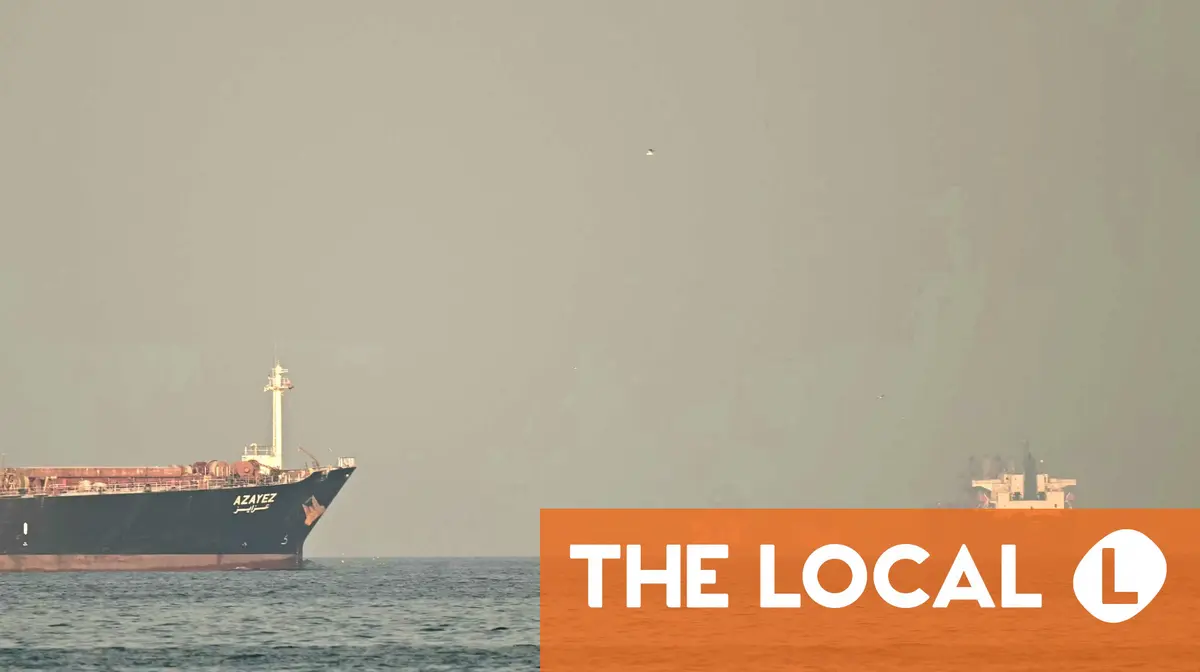
23 hours agoAmazon, UPS, FedEx, USPS add temporary fuel surcharges to offset extra costs
"Transportation costs are a big factor there. Every company that is involved and has logistics and they have to pay for gas, either they have to absorb this cost, or they will charge the third party that will provide this service. I'm not surprised this is happening, because at some point, Amazon will say we cannot absorb all this cost."
Alternative transportation



World news
fromLondon Business News | Londonlovesbusiness.com
1 day agoThe UAE's policies fuel serenity amid geopolitical uncertainty - London Business News | Londonlovesbusiness.com
The UAE's crisis management showcases efficiency and inclusivity, emphasizing support for expatriates and residents during recent disruptions.
World news
fromLondon Business News | Londonlovesbusiness.com
34 minutes agoSilver consolidates as geopolitical deadline keeps markets on edge - London Business News | Londonlovesbusiness.com
Silver prices are consolidating as investors remain cautious due to geopolitical uncertainties and inflation concerns.
fromWIRED
16 hours agoA Single Strike Won't Shut Off the Gulf's Desalination System
"In the Gulf, desalination is built with enough breathing room that losing one plant doesn't immediately show up at the tap," says Rabee Rustum, professor of water and environmental engineering at Heriot-Watt University Dubai.
World news
World politics
fromLondon Business News | Londonlovesbusiness.com
1 day agoWhen monetary policy intersects with Middle East crisis - London Business News | Londonlovesbusiness.com
Monetary policy and geopolitical dynamics are causing significant volatility in the U.S. Dollar Index and Treasury yields, reflecting market corrections rather than structural weaknesses.
fromIrish Independent
1 day ago'Open the f***in' Strait' - Trump says Iran must allow ships through Hormuz by Tuesday or US will 'blow up everything and take the oil'
President Trump stated that the service member is injured but 'will be just fine' and that the US had been monitoring his location during the search-and-rescue operation.
World news
fromWIRED
6 days agoThe Broken System That Keeps Shipping Crews Stranded in the Strait of Hormuz
When the war broke out, we put a Warlike Operations Area Committee in place to address the protection of seafarers in the region. The organization has identified certain maritime routes in the region, including the Arabian Gulf, the Strait of Hormuz, and some parts of the Gulf of Oman as high-risk areas, encouraging ship owners to allow seafarers to terminate contracts if they choose not to operate in those zones.
World politics
fromwww.aljazeera.com
1 week agoHow important are the Gulf economies to the world?
The ongoing conflict between the US and Israel against Iran is creating significant challenges for Gulf Arab nations, which are already feeling the economic strain from rising tensions and instability in the region.
World politics
#uae


World news
fromLondon Business News | Londonlovesbusiness.com
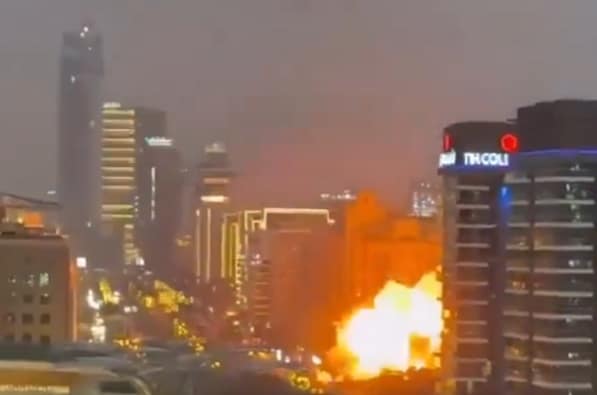
6 days agoUAE warned against escalation as 'Abu Dhabi and Dubai could be blown up' Iran - London Business News | Londonlovesbusiness.com
UAE's involvement in the Middle East conflict poses significant risks to Dubai and Abu Dhabi, according to economist Jeffrey Sachs.
World politics
fromLondon Business News | Londonlovesbusiness.com
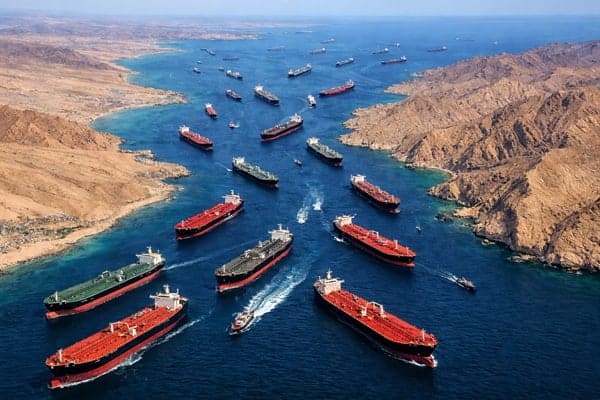
2 weeks agoGlobal supply chains on edge as Strait of Hormuz tensions mount - London Business News | Londonlovesbusiness.com
Businesses must prepare for potential disruptions in the Strait of Hormuz, which threatens global oil and gas supply.
fromwww.dw.com
1 week agoAfter the Iran war, how fast could global trade recover?
The longer this conflict goes on, the more devastating its impact will be on the world's energy supplies, inflation and economic stability. Every extra week of disruption raises costs for consumers and businesses while growth slows.
World news


World politics
fromBusiness Insider
1 month agoTons of goods are stuck around the Middle East amid shipping and air chaos
US-Israel military strikes on Iran are causing major shipping lines to suspend services, reroute vessels, and impose war risk surcharges, disrupting global supply chains across critical trade corridors.
fromwww.aljazeera.com
2 weeks agoIran allowing more ships through Strait of Hormuz, data show
Eight vessels, not including ships flying the Iranian flag, were detected in the critical waterway via the vessels' automatic identification systems on Monday, maritime intelligence company Windward said on Tuesday. The number of transits was nearly double the numbers seen in recent days, according to Windward.
World news
fromLondon Business News | Londonlovesbusiness.com
3 weeks agoStrait of Hormuz escalation exposes growing risks to commercial shipping - London Business News | Londonlovesbusiness.com
The recent incidents in the Strait of Hormuz show how quickly maritime risk can escalate from geopolitical tension to operational disruption. For shipping operators, the challenge is not only the threat environment itself, but also maintaining reliable situational awareness as navigation signals degrade and vessel activity becomes harder to interpret.
World news
fromwww.aljazeera.com
3 weeks agoYemeni ports face shipping fee hike amid Iran conflict
Because Yemen imports nearly 90 percent of its food and other essential commodities, economists and humanitarian organisations warn that the rise in shipping and insurance costs could quickly translate into higher prices for fuel, food and other goods, further worsening an already dire humanitarian situation.
World news
[ Load more ]