#minimalist-staging
#minimalist-staging
[ follow ]
#interior-design #architecture #home-decor #ikea #home-improvement #diy #furniture-design #home-design


#furniture-design
Design
fromYanko Design - Modern Industrial Design News
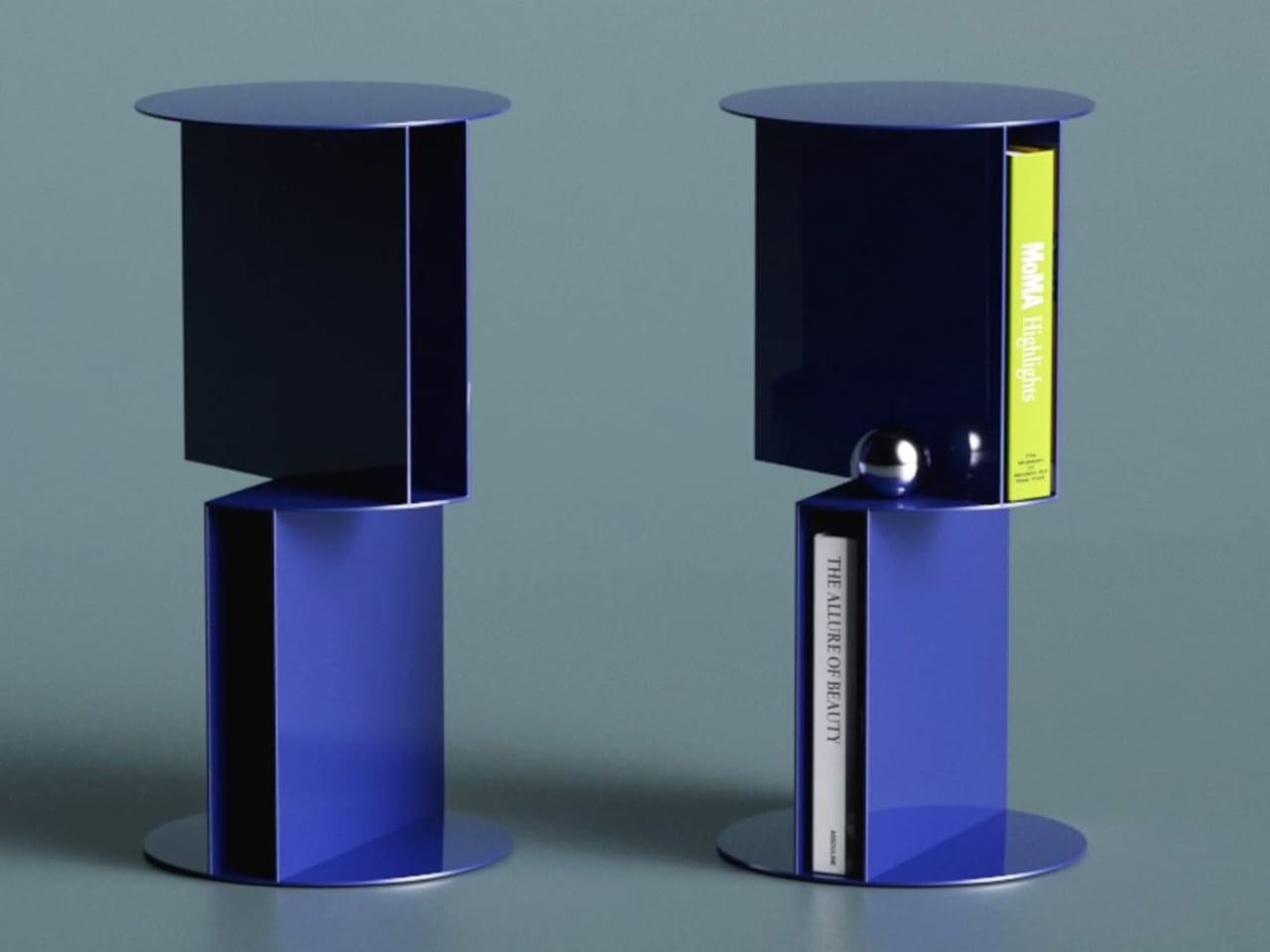
4 hours agoA Transforming Table-Chair That Turns Tradition into Space-Saving Intelligence - Yanko Design
Furniture design adapts to limited spaces by transforming static objects into dynamic systems, enhancing comfort and experience without compromising functionality.
Design
fromYanko Design - Modern Industrial Design News
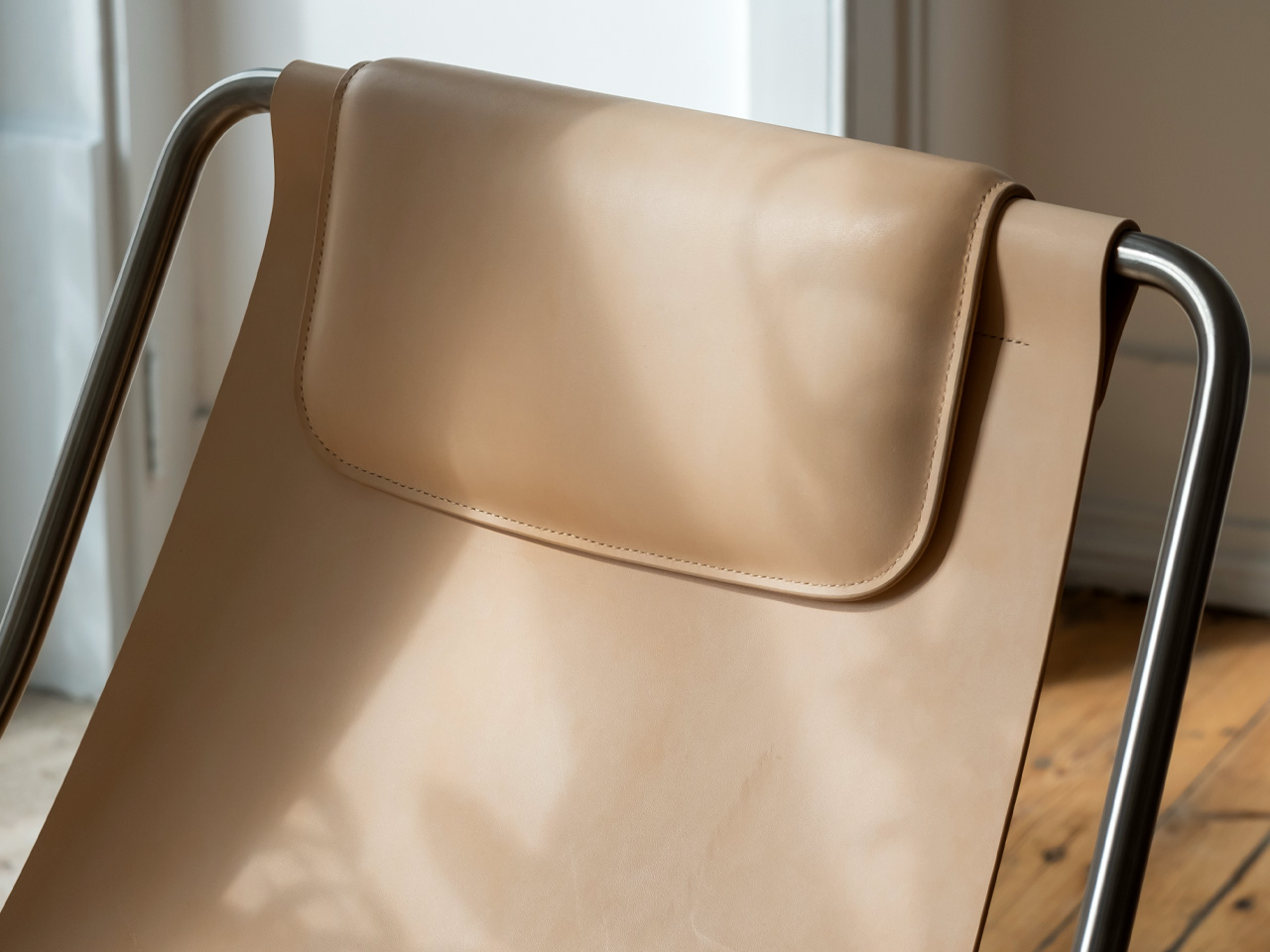
4 hours agoA Transforming Table-Chair That Turns Tradition into Space-Saving Intelligence - Yanko Design
Furniture design adapts to limited spaces by transforming static objects into dynamic systems, enhancing comfort and experience without compromising functionality.

Mindfulness
fromSilicon Canals
2 days agoNot everyone who keeps a tidy home is organized. Some of them discovered as children that the inside of their house was the only variable that responded predictably to effort, and decades later they're still soothing an old chaos by straightening cushions that don't need straightening. - Silicon Canals
A clean kitchen counter often masks deeper psychological issues rooted in childhood chaos and the need for control.
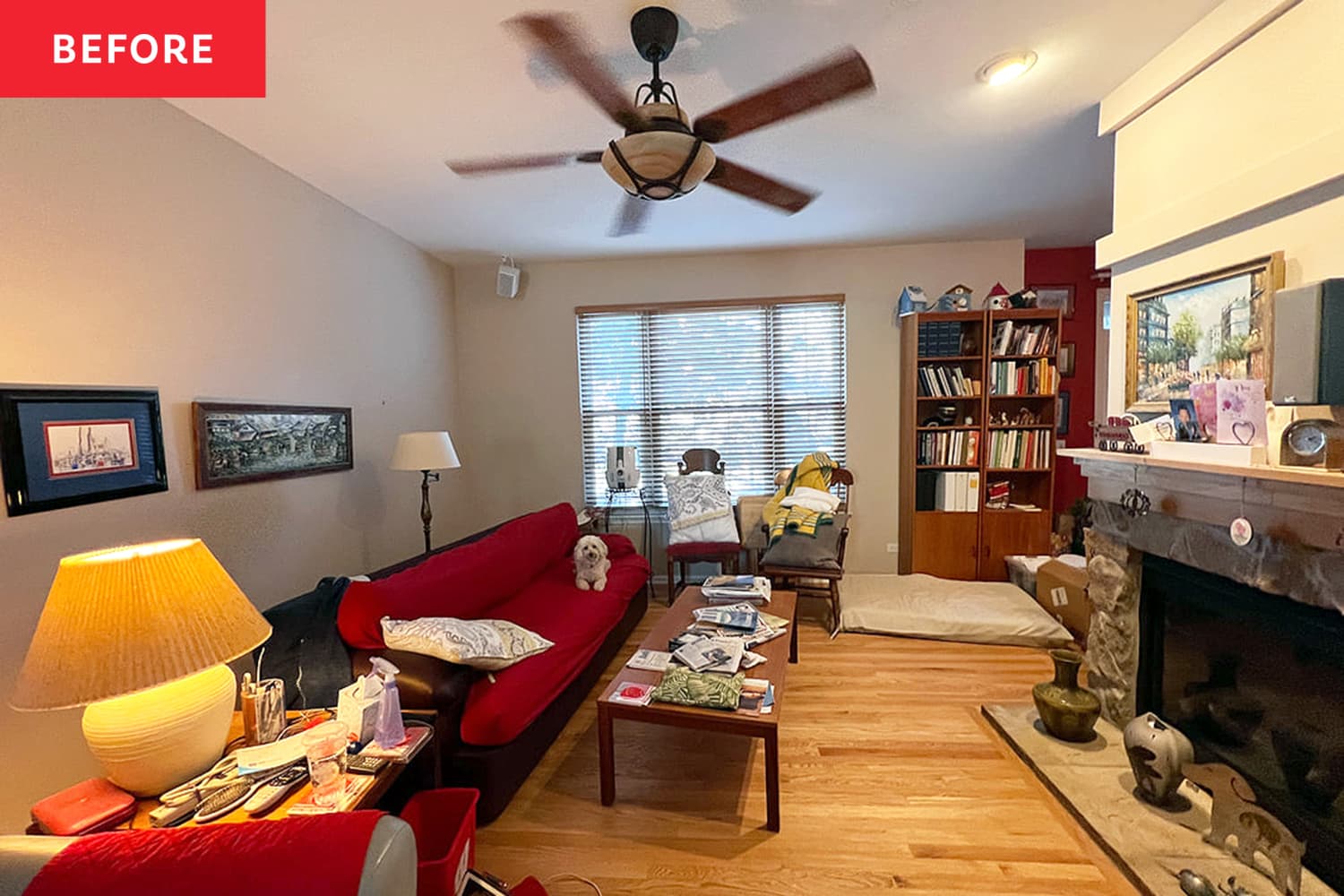
fromwww.businessinsider.com
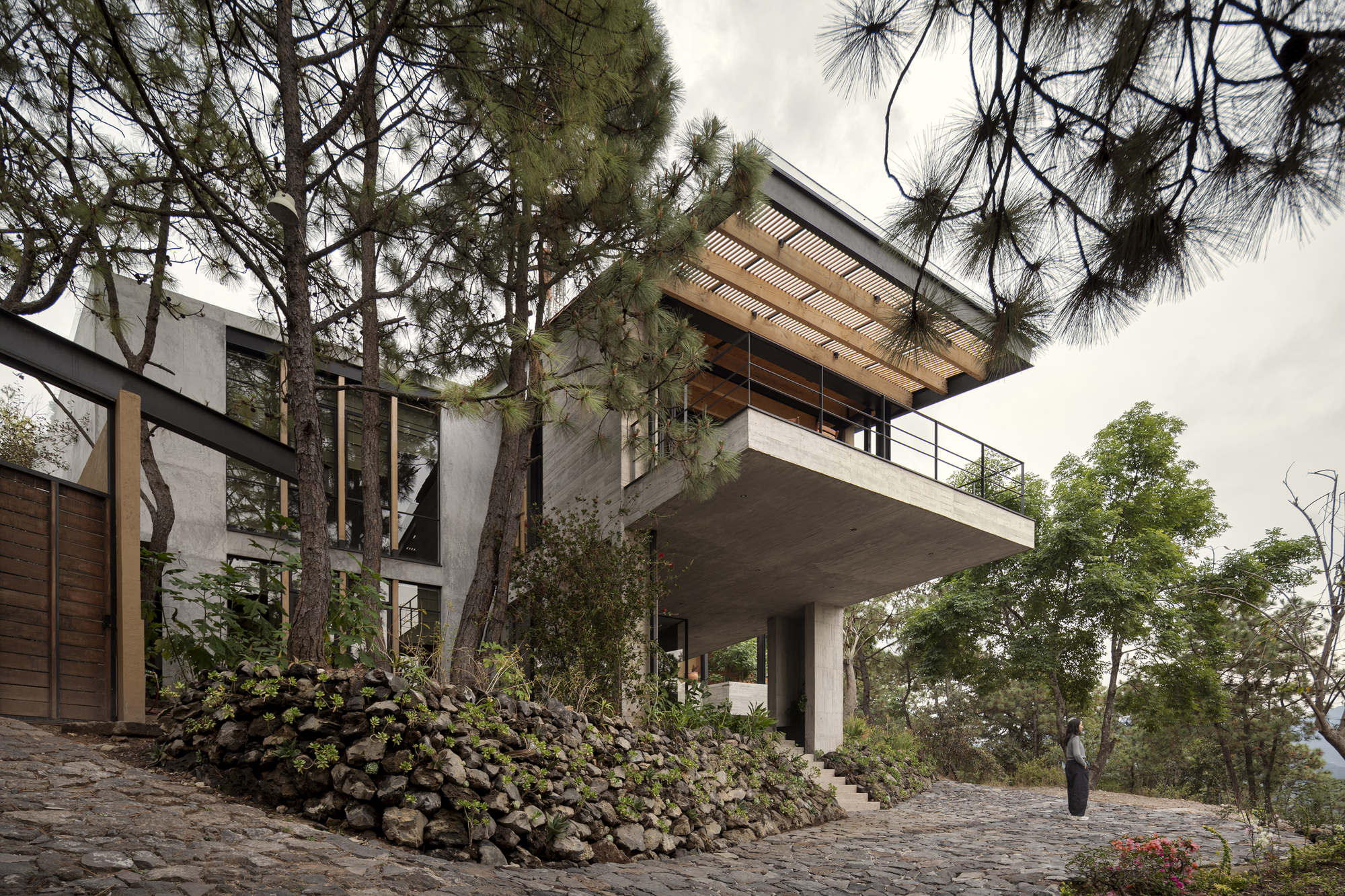
1 day agoA family of 4 lives in a 560-square-foot tiny home. Here's what they love about its design and what they'd change.
The Matranga family built a 560-square-foot tiny house for their family of four in 2022, experiencing both love and regret about its design after four years of living there.
Remodel
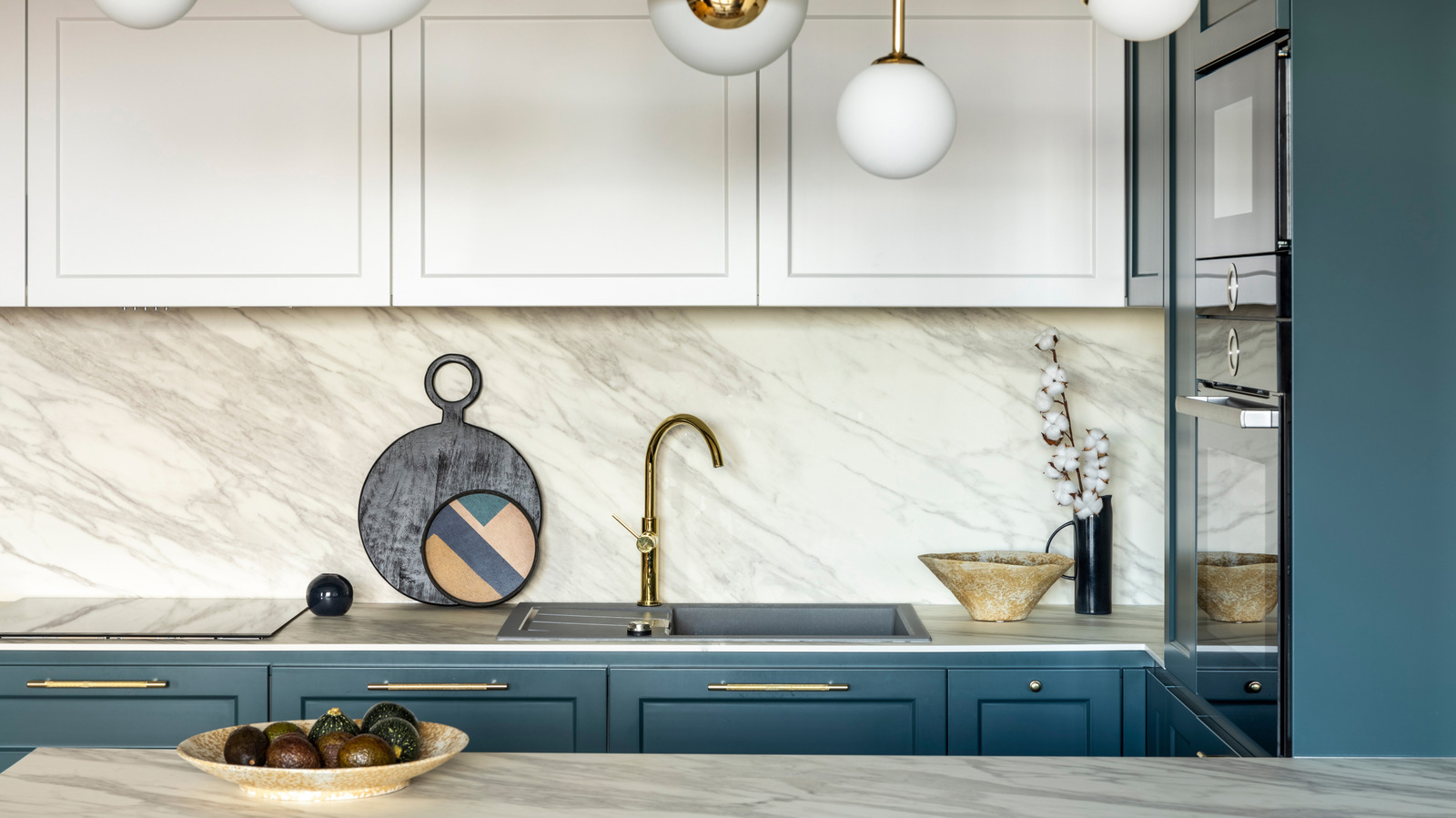

Renovation
fromYanko Design - Modern Industrial Design News
1 day agoHow Architects Turned a Postwar London Terrace Into an Open-Plan Home Without Touching the Facade - Yanko Design
Islington houses are redesigned to create open, continuous spaces while maintaining the original facade and architectural integrity.
fromApartment Therapy
2 weeks agoNorwegian Life-Cleaning" Is the Calmest Way to Declutter Your Home
Every one of these items takes up space and energy, but the use of energy here in relation to clutter is actually two-fold. The stuff you own requires maintenance and management, and when you pass, this management becomes shifted along to someone else (whoever is responsible for sorting through your Earthly possessions).
E-Commerce

#tiny-house
Renovation
fromYanko Design - Modern Industrial Design News
6 days agoThis Tiny House Has 30 Feet of Glass and Feels Nothing Like a Tiny House - Yanko Design
The Shoreline Glass House redefines tiny living with spacious, light-filled design and single-floor layout, offering a unique blend of comfort and openness.
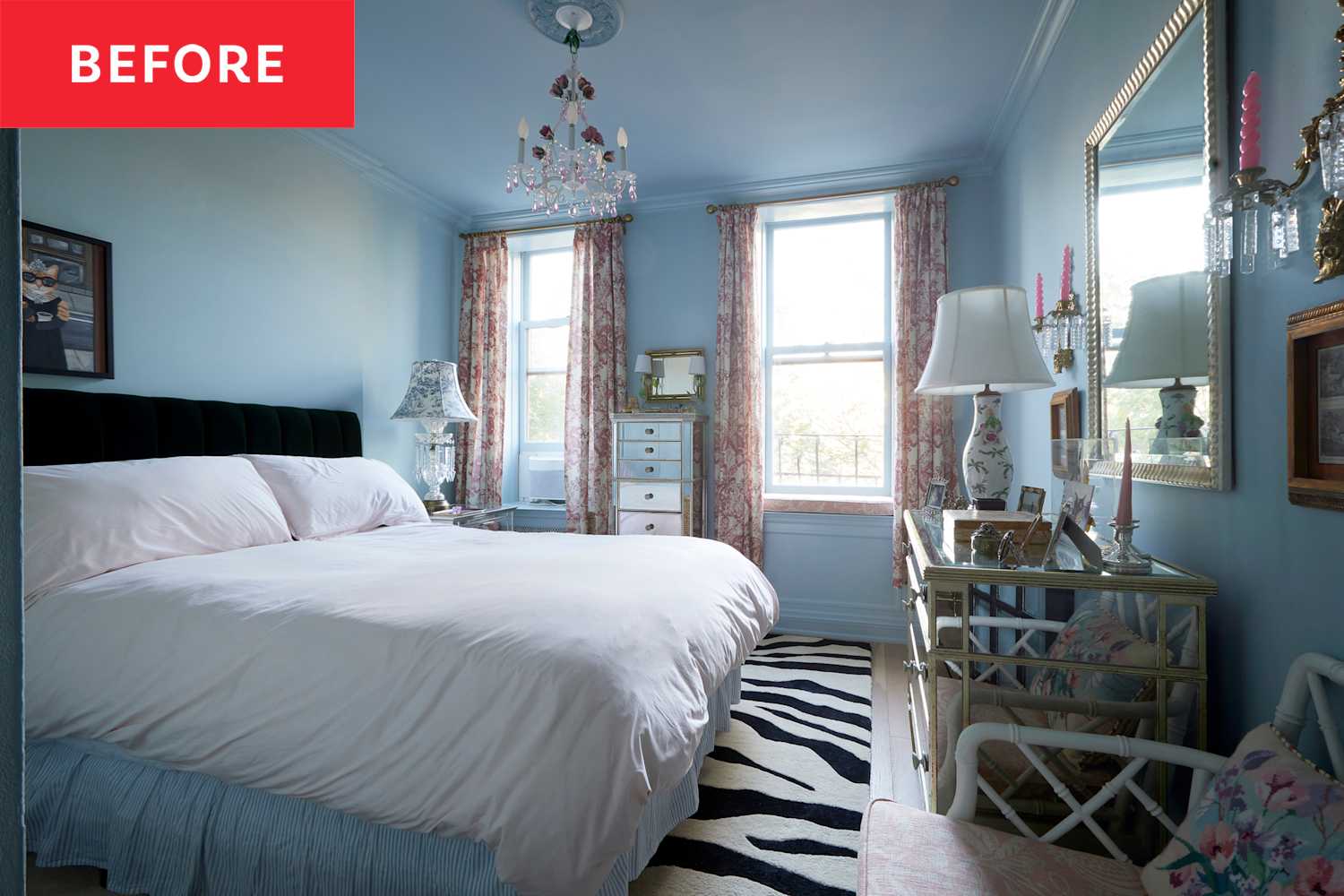
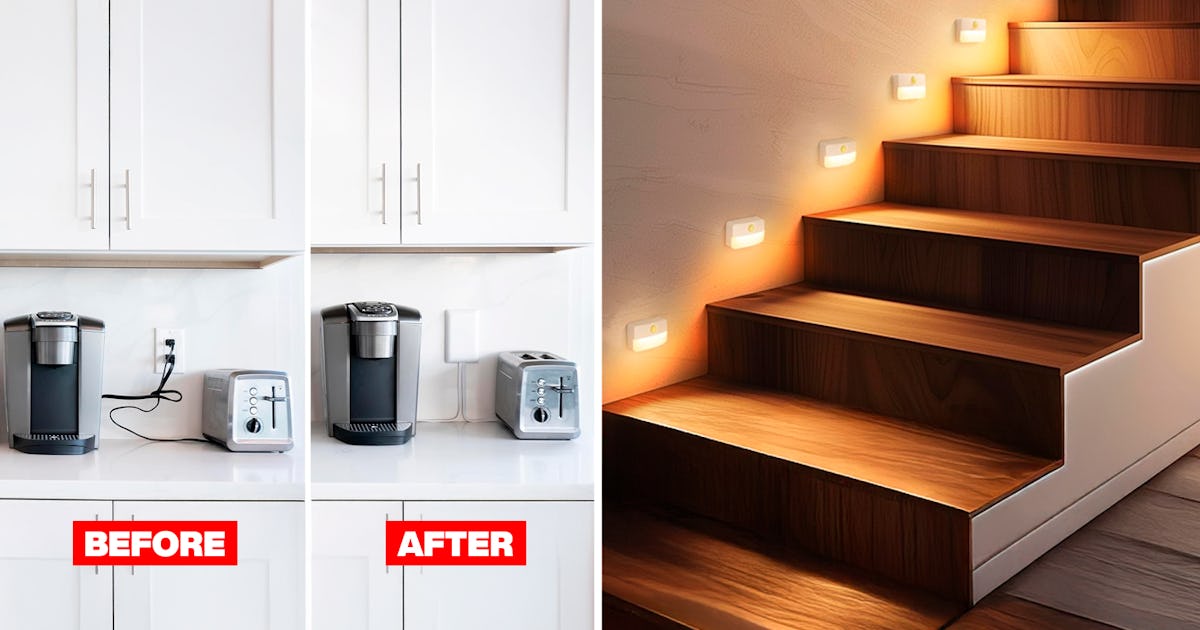

Design
fromYanko Design - Modern Industrial Design News
1 week ago5 Scandinavian Product Trends That Will Make Your Home Instantly Feel Like Hygge - Yanko Design
Scandinavian design emphasizes clean lines, natural materials, and functionality, creating a harmonious balance between aesthetics and practicality.
fromRemodelista
1 week agoKitchen of the Week: A Modern-Day Orangery by Nordiska Kok - Remodelista
The term 'orangery' was introduced in 17th century Europe when a craze for citrus fruits swept the continent's nobility class, and many built lavish, light-filled buildings devoted to their cultivation.
Renovation
fromArchitectural Digest
3 years agoThese 7 Clothing Racks That Turn Storage Into an Art Form
Ferm Living's Bridge system is one part coat rack, one part display piece for your most-worn pieces. Built for versatility, the slim oak beams provide two tiers of storage space, whether you need room for hangers or just a place to hang your hat at the end of the day. It's nearly five feet high, meaning none of your beloved coats will sweep the floor. Its vertical branches would also make sense as a place to display fabrics or hang towels to dry.
Fashion & style
fromTasting Table
2 months agoThese Neutral Kitchens Prove That Less Is Sometimes More - Tasting Table
But as everyone is chasing micro-trends, choosing a neutral kitchen and following your personal style comes across as more wise and timeless than ever. As seen in the 10 neutral kitchens below, hues like whites and off-whites, blacks, grays, beiges, and earth tones can be combined in infinite ways and applied to different textures and materials, to create kitchens that are dynamic, clean, and classy all at once.
Design
fromArchitectural Digest
4 years agoThe Best Coffee Tables With Storage for a Clutter-Free Living Room
Wood: Arguably the most common material for a coffee table, whether packed with storage or not, solid wood can be a durable and style-agnostic choice. A deeper hue, like a mahogany or cherry, can lean mid-century, while a natural oak or teak feels distinctly Scandinavian. Opt for a material that's white washed or stained for a farmhouse look. Metal: Aluminum and stainless steel are common choices for the modernist or more minimal design aesthete.
Design
Design
fromRedfin | Real Estate Tips for Home Buying, Selling & More
2 months ago11 Small Bedroom Design Ideas to Maximize Space and Style
Maximize small bedroom space with multifunctional furniture, vertical storage, correct bed sizing and placement, light colors, mirrors, and layered lighting for comfort and openness.
[ Load more ]