#furniture-design
#furniture-design
[ follow ]
#sustainable-design #interior-design #sustainability #deniz-aktay #minimalism #milan-design-week #craftsmanship
Design
fromdesignboom | architecture & design magazine
3 days agounrealized prototypes by modernist architect vjenceslav richter awaken from archival dreams
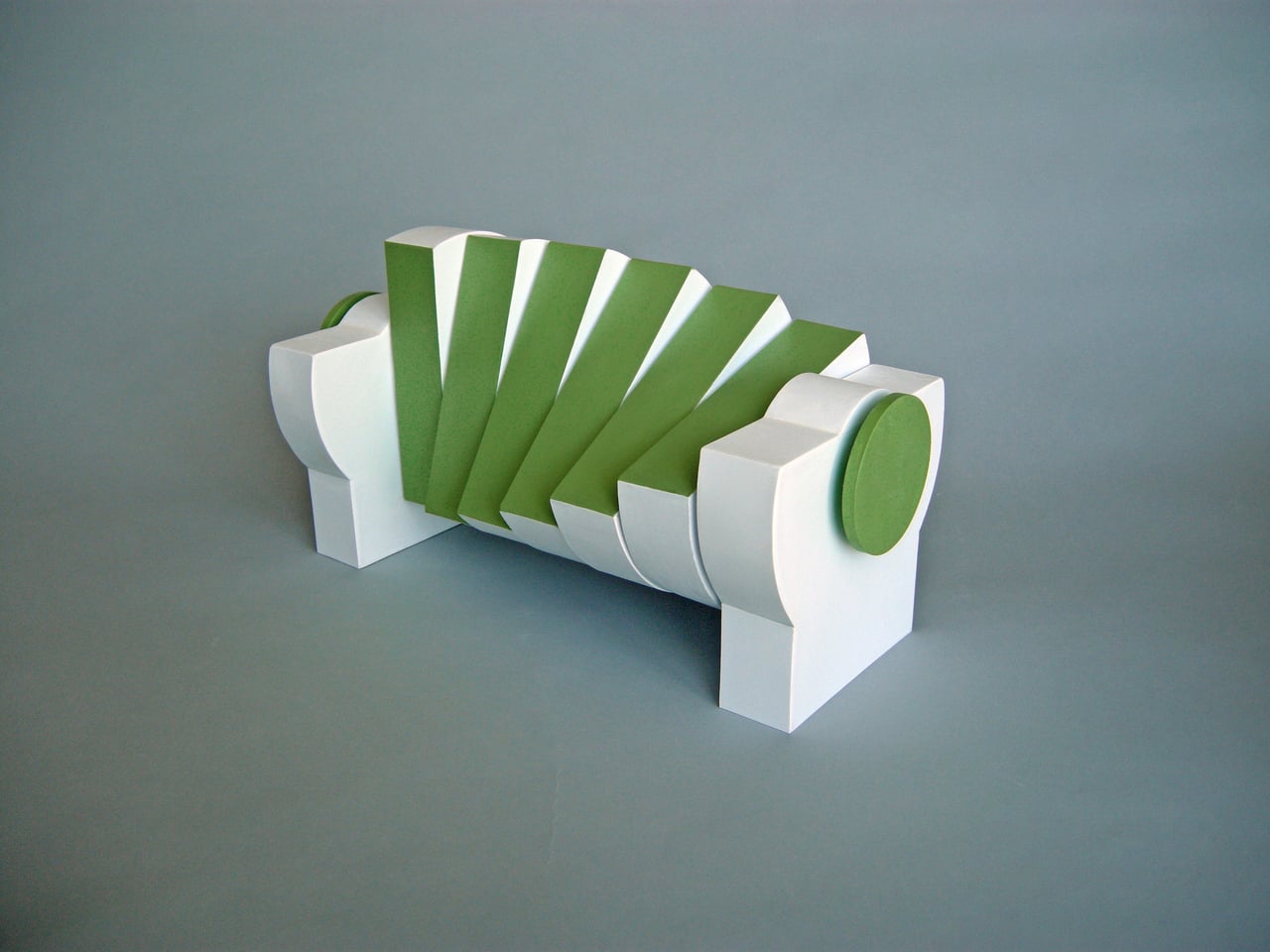
Prostoria launches 'Revisiting Richter', a collection that transforms Vjenceslav Richter's archival designs into modern furniture, debuting in 2026.
.jpg)
#milan-design-week


Design
fromYanko Design - Modern Industrial Design News
3 weeks agoThe Zig-Zag Chair That Shows Rimadesio at Its Most Expressive - Yanko Design
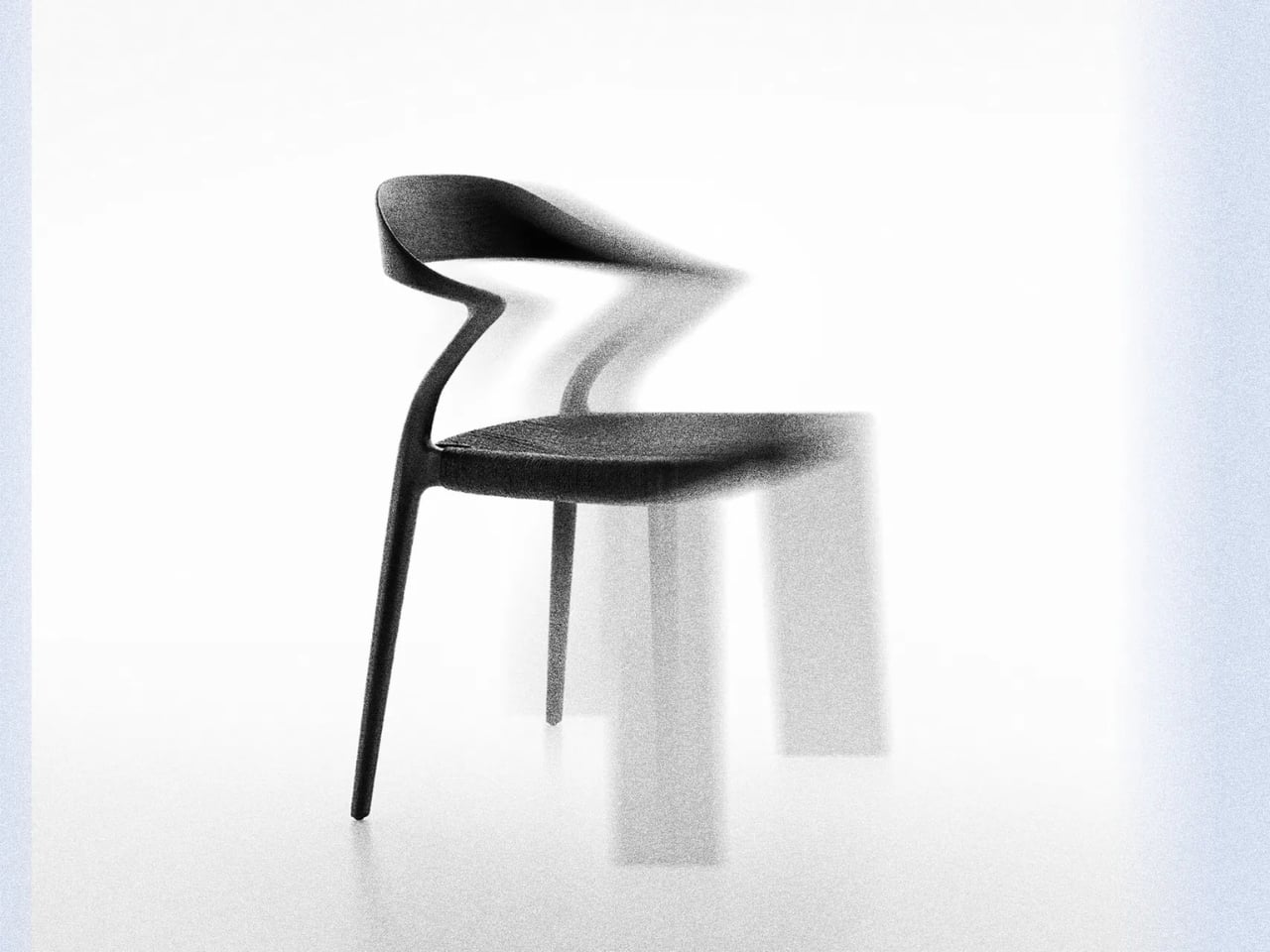
The Ori chair by Giuseppe Bavuso for Rimadesio combines innovative design with traditional craftsmanship, showcasing a unique zig-zagging backrest that adds visual energy.
Design
fromYanko Design - Modern Industrial Design News
1 week agoIf Fidget Spinners Were Furniture: This Marble Table Has a Brass Sphere You Push Around Endlessly - Yanko Design
The Animo table combines luxury and interactivity with a rotating brass sphere on a marble surface, enhancing both aesthetics and user engagement.
fromYanko Design - Modern Industrial Design News
1 week agoMoooi's 25th Anniversary Monster Chairs Have Hand-Embroidered Creatures on Every Backrest - Yanko Design
The reimagined Monster Chair collection features a hand-embroidered creature sprawling across the backrest, rendered in vivid, layered threadwork that transforms the iconic design.
Graphic design
#minimalism
Design
fromYanko Design - Modern Industrial Design News
1 month agoOne Week Design's Squares Furniture Is Built on a Bricklayer's Memory - Yanko Design
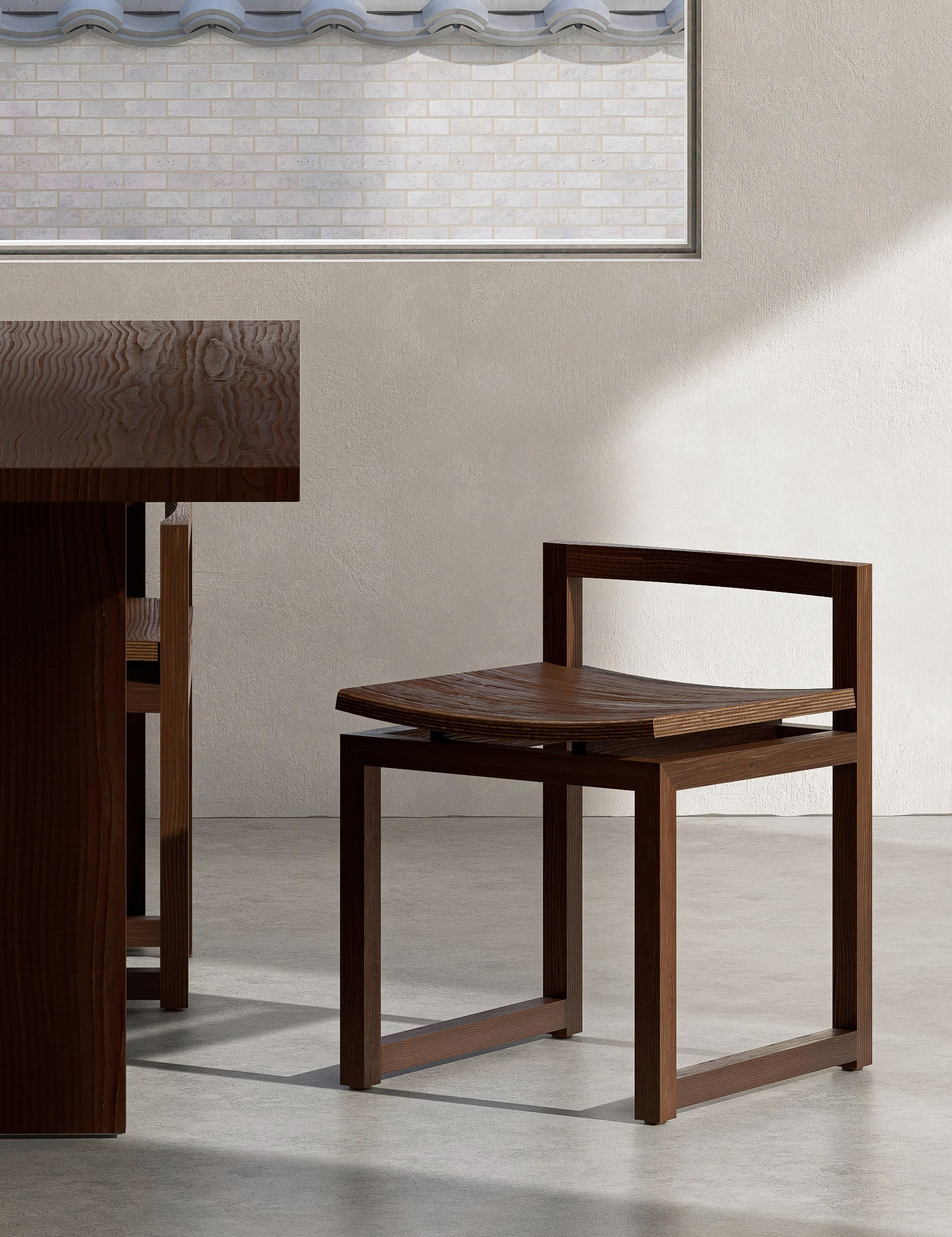
The Squares collection by Xiaoya Wang and Jian Ni embodies personal memory and design restraint, creating furniture that resonates emotionally.
fromYanko Design - Modern Industrial Design News
2 months agoDesign
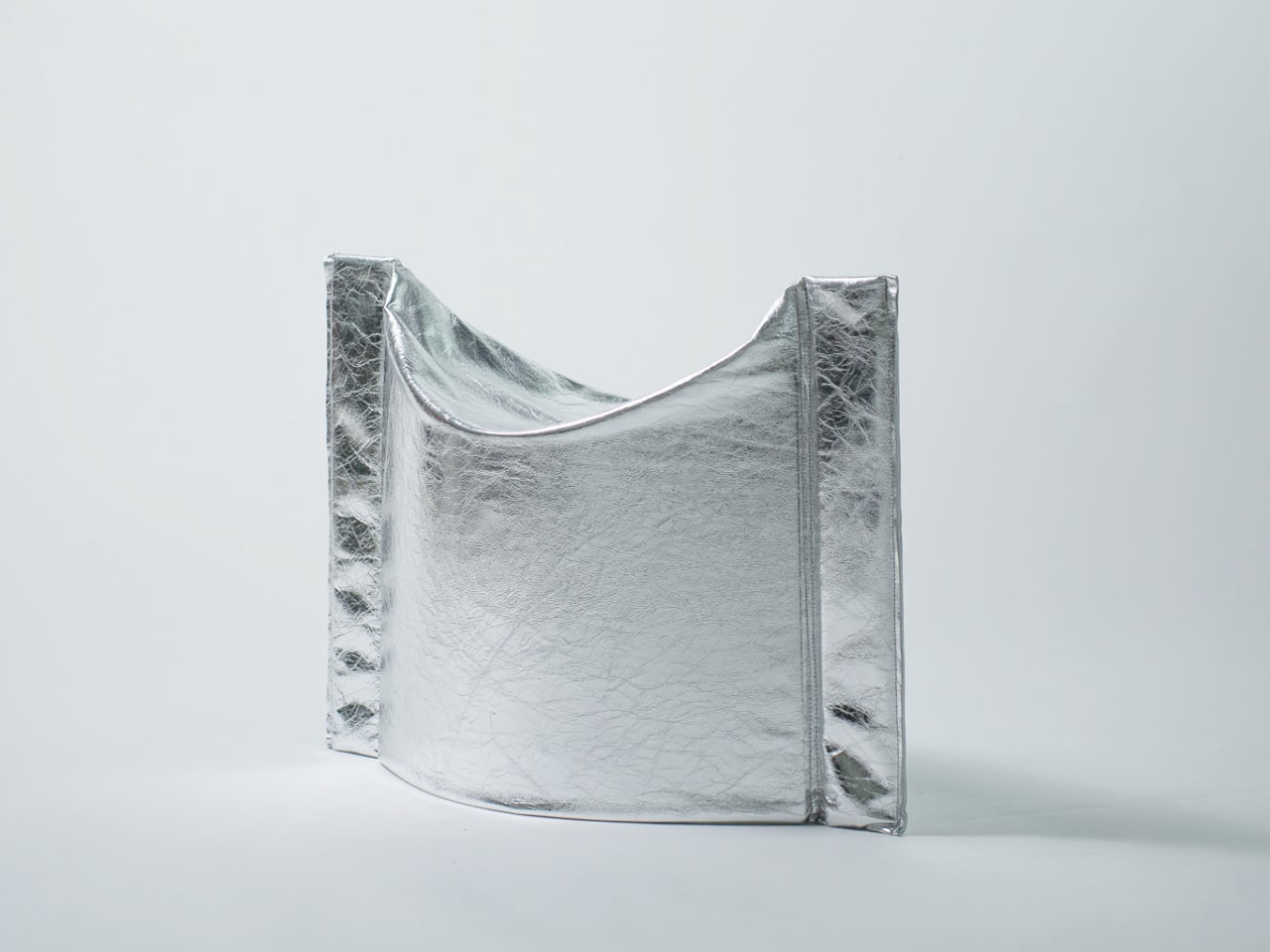
This Chair Looks Skeletal But That's Exactly the Point - Yanko Design
Denis Zarembo's Insero Chair combines geometric minimalism and structural precision to create a visually light yet sturdy sculptural seat that nests within its frame.
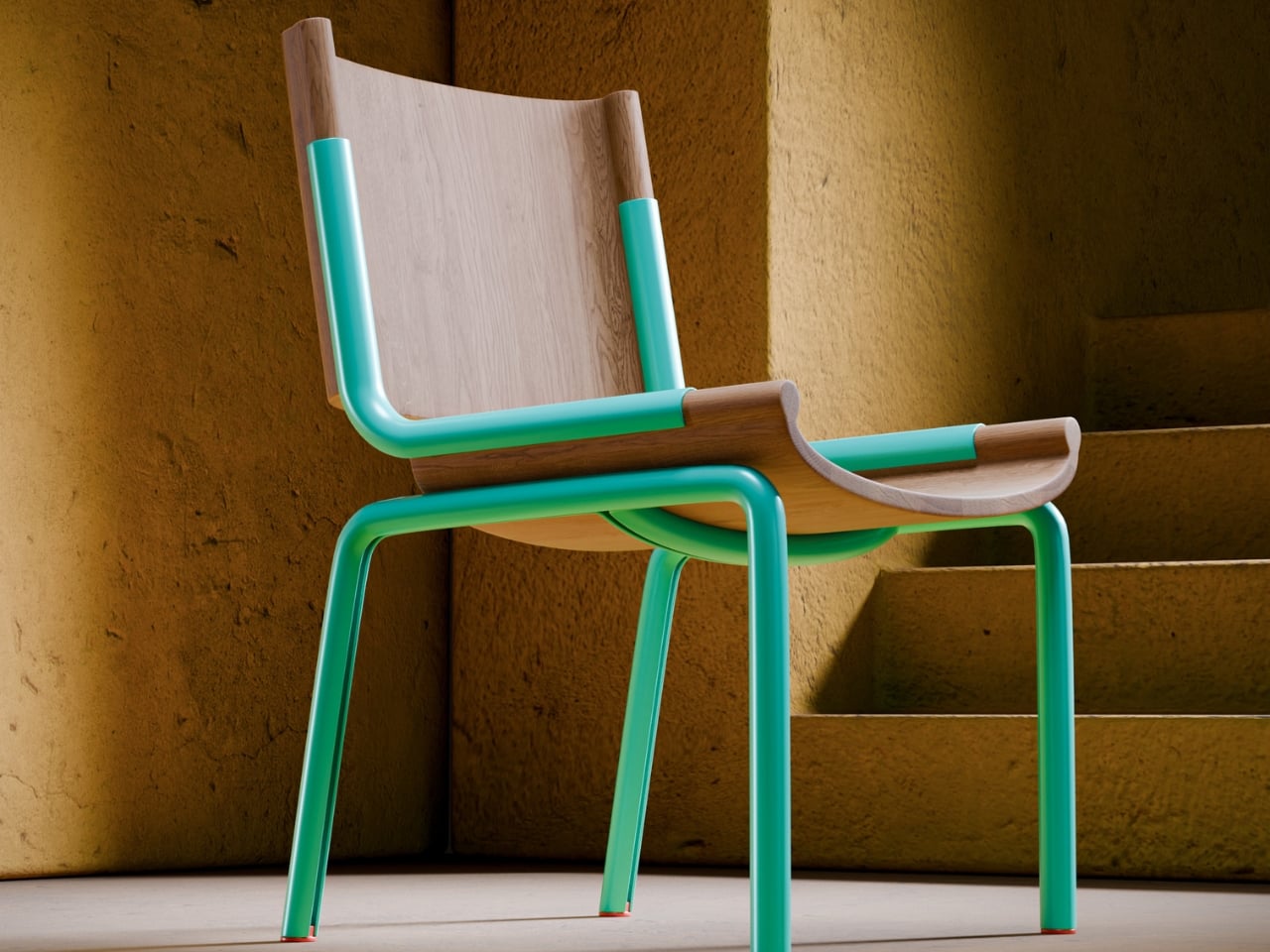
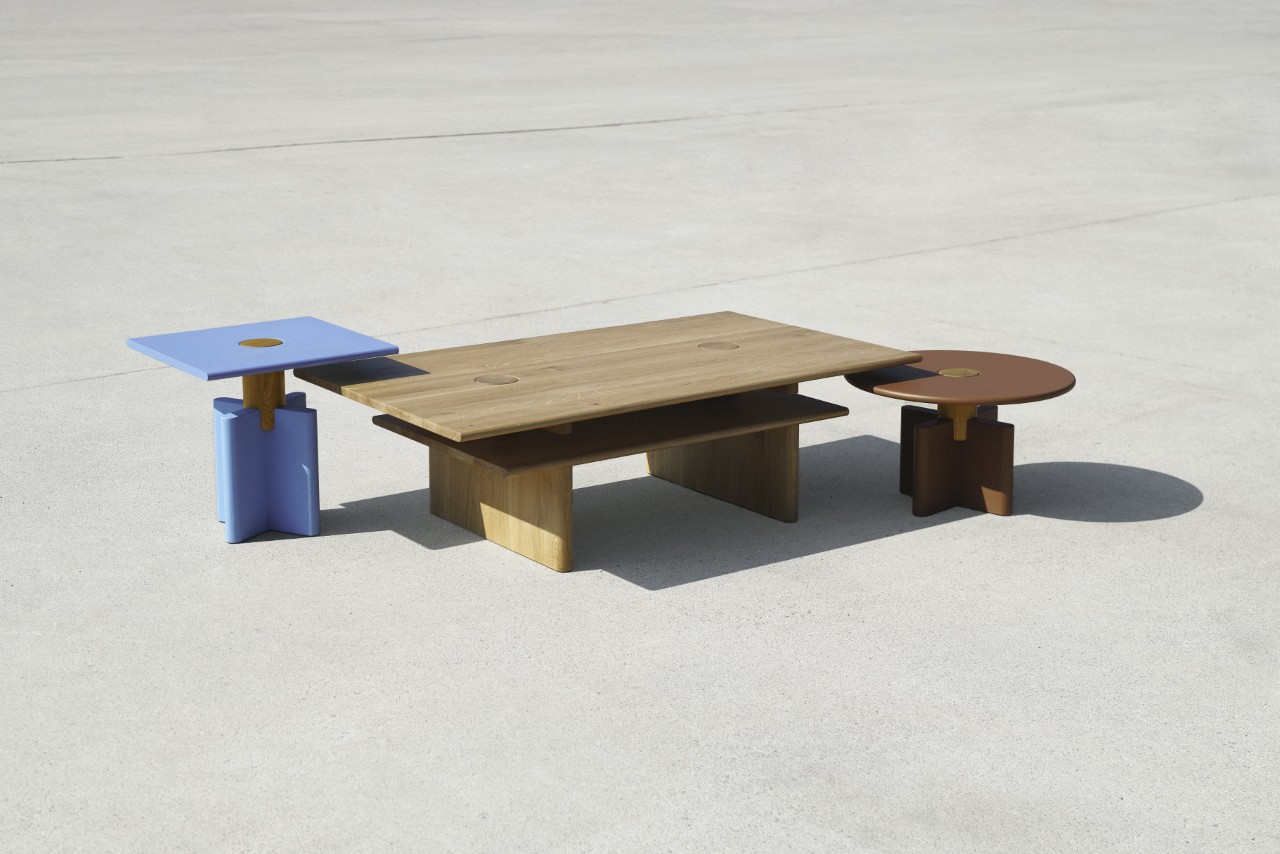
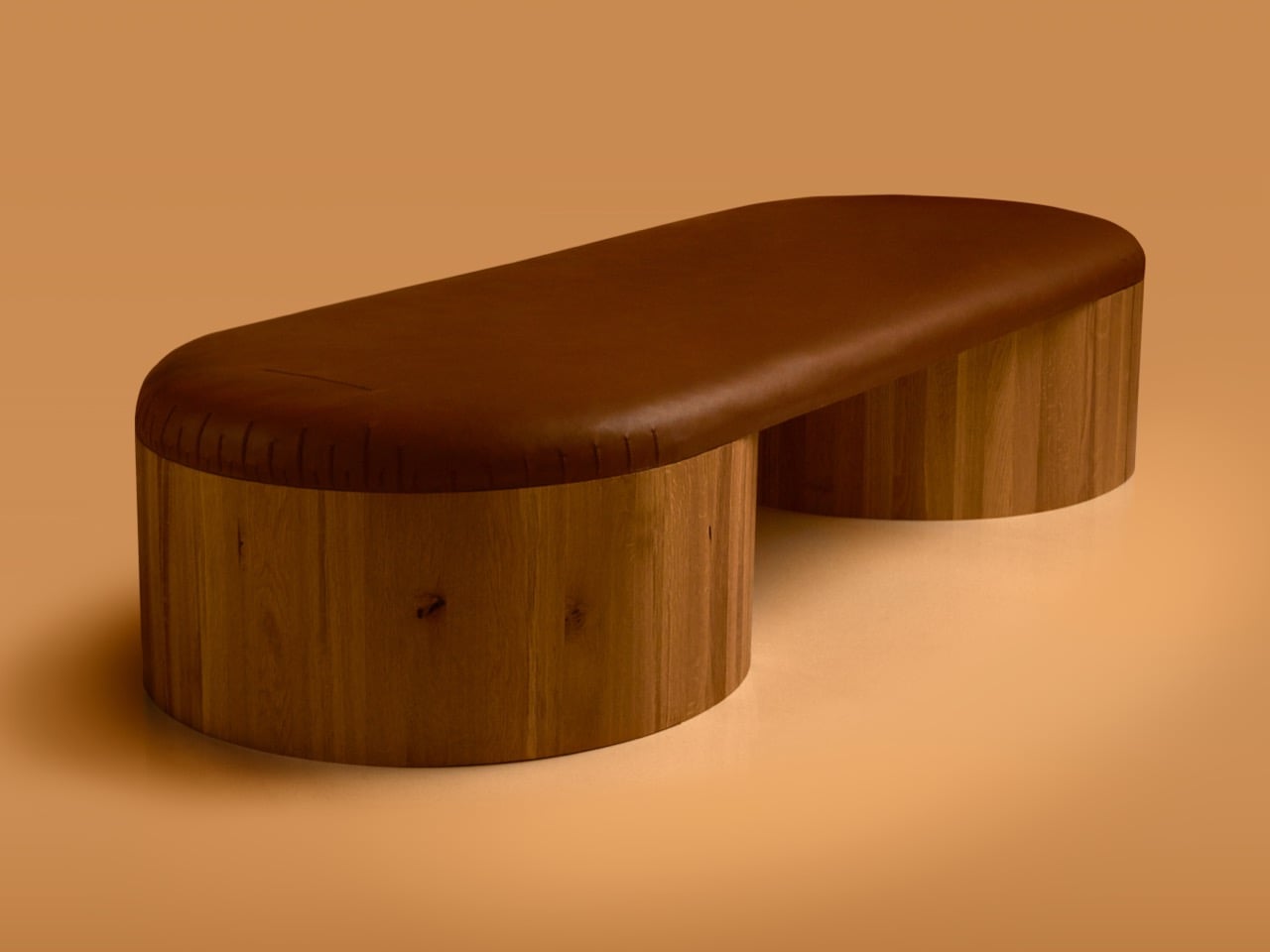
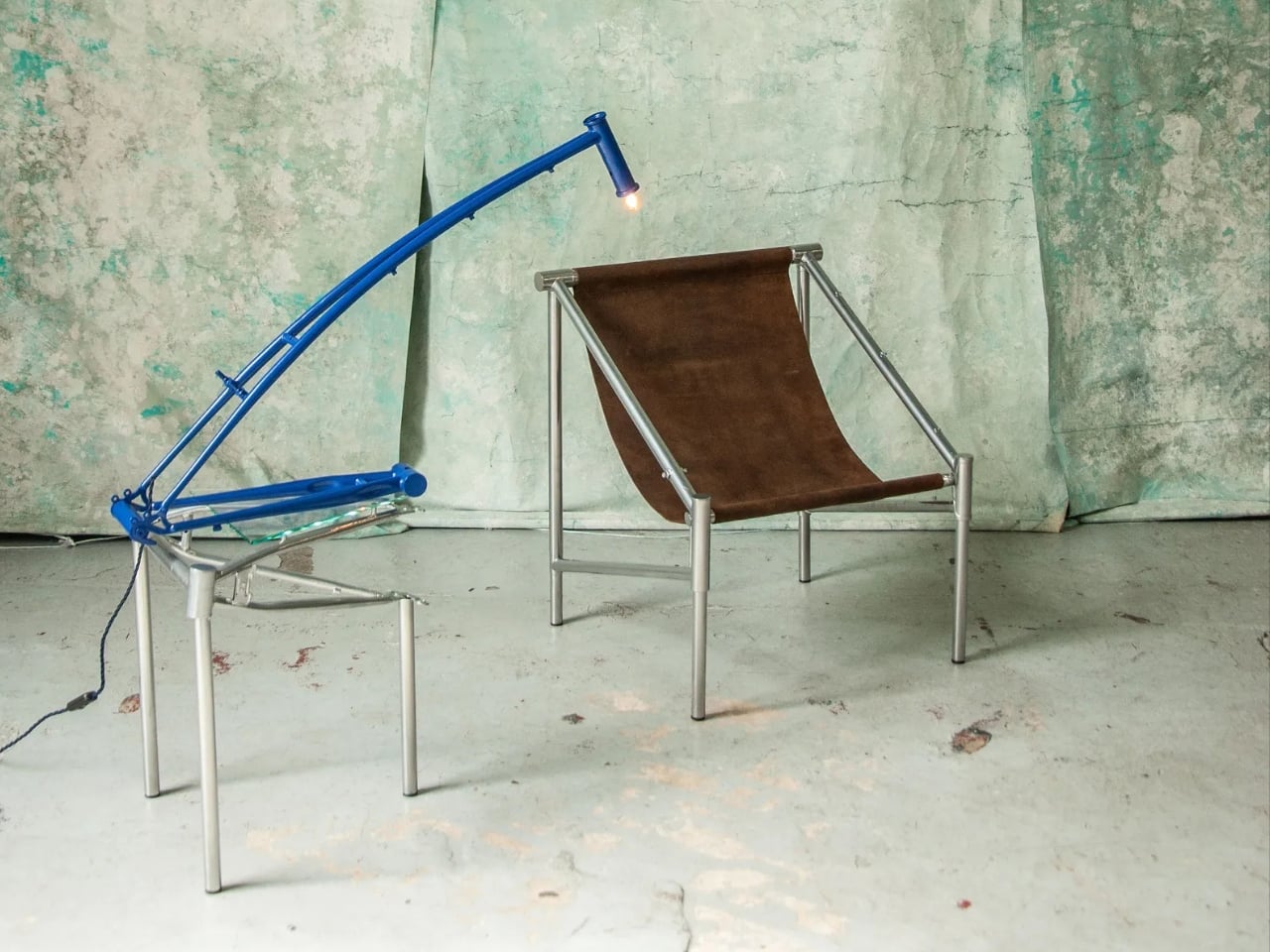
Design
fromYanko Design - Modern Industrial Design News
3 weeks agoA Transforming Table-Chair That Turns Tradition into Space-Saving Intelligence - Yanko Design
Furniture design adapts to limited spaces by transforming static objects into dynamic systems, enhancing comfort and experience without compromising functionality.
fromYanko Design - Modern Industrial Design News
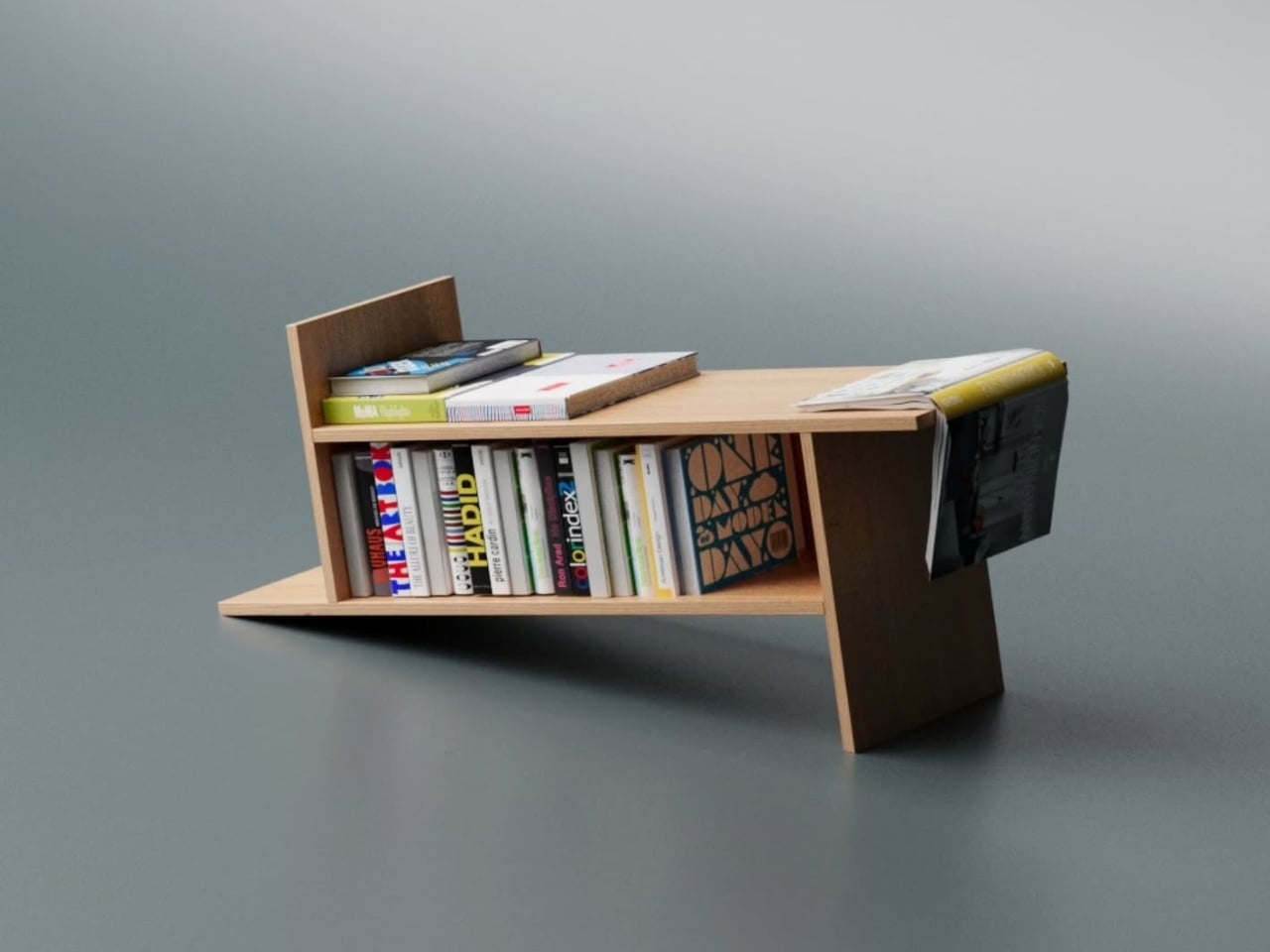
1 month agoThe Side Table That Folds a Bookshelf Into Its Own Top - Yanko Design
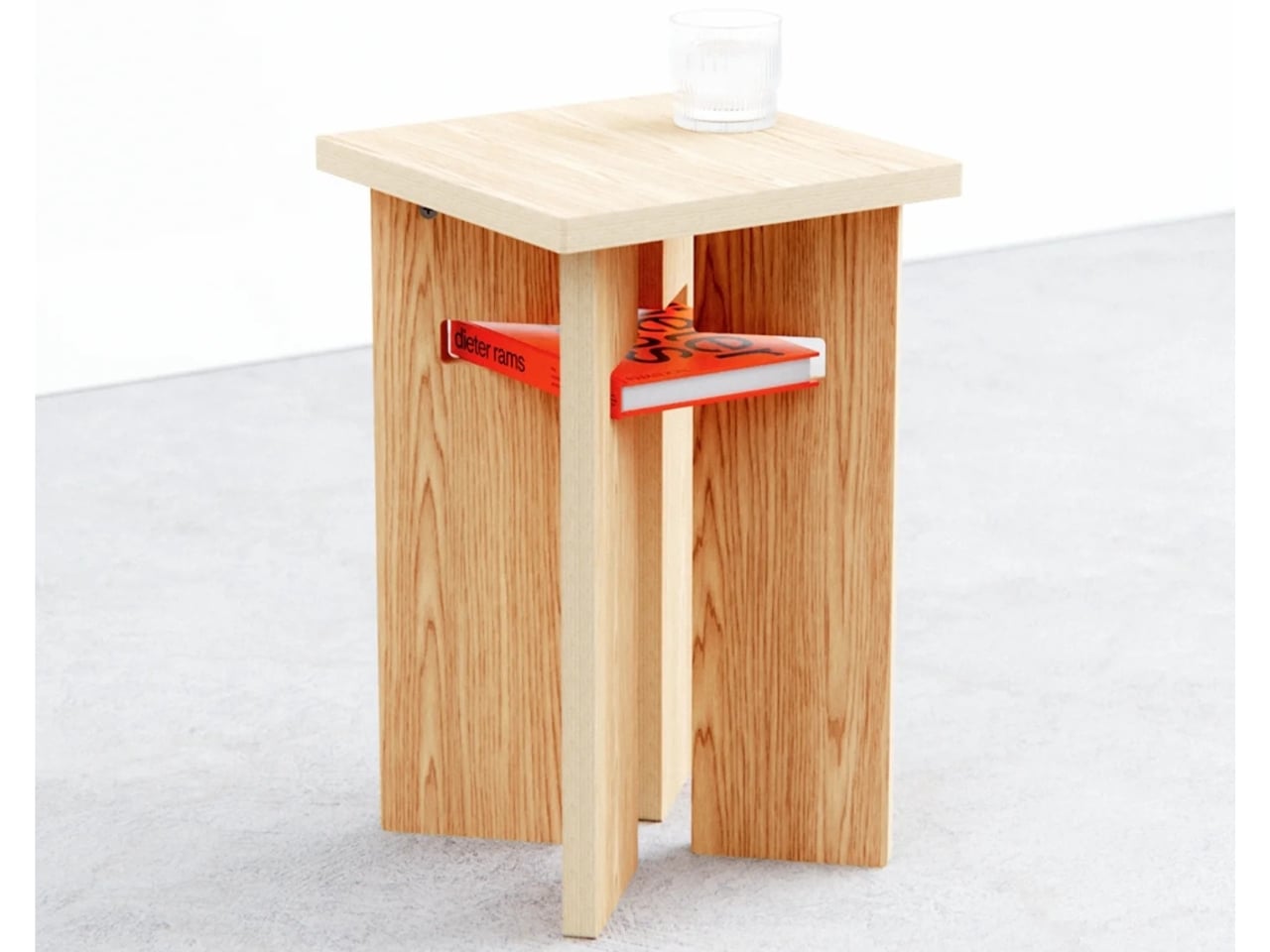
The Boca table by designer Deniz Aktay is not interested in that conversation at all. At first glance, it reads as a straightforward piece: a circular metal top, slim tubular legs bent into a smooth C-shaped base, a warm terracotta finish.
Design
UX design
fromYanko Design - Modern Industrial Design News
1 month agoFlakt Just Redesigned the Air Purifier as Furniture - Yanko Design
Flakt reimagines air purifiers as intentional furniture pieces by combining sustainable materials, living plants, and considered design rather than treating them as purely functional appliances.
Design
fromYanko Design - Modern Industrial Design News
1 month agoA Chair Shaped by the Soft Curves of a Classic British Scally Cap - Yanko Design
The Scally Chair translates the familiar form of a British scally cap into furniture through subtle design details that create comfort and character without literal representation.
fromDesign Milk
1 month agoHolly Hunt Launches the Saccharine Onward Furniture Collection
Marking seasoned talent Chris Eitel's recent appointment as Holly Hunt Design Director, the freshly imagined 9-piece offering nods to the sculptural audacity of Vladimir Kagan Design Group, for which he complementarily serves as Executive Creative Director. Eitel spent years training with the sister brand's late namesake-an ever-provactive giant of American design-but also developed his own vocabulary.
Fashion & style
Design
fromdesignboom | architecture & design magazine
1 month agoferreol babin renders french countryside on hand-carved furniture for friedman benda show
Ferréol Babin creates carved wood furniture inspired by his French countryside environment, incorporating natural imperfections and local timber to reveal the material's inherent stories and textures.
Design
fromYanko Design - Modern Industrial Design News
2 months agoThis 289 Add-On Turns Your 49 Billy Bookcase Into a Standing Desk - Yanko Design
Designer Michael Hilgers created STECKRETAR, a folded steel panel that transforms IKEA Billy bookcases into compact standing desks without tools or drilling.
fromYanko Design - Modern Industrial Design News
2 months agoThe Furniture That Looks Like It's About to Walk Away - Yanko Design
At first, you register dark, richly grained wood. Beautiful, but expected. Then your eyes drift downward to the legs, and something shifts. They're not straight. They're not tapered. They're curved, splayed, mid-stride, like a large foot caught in the quiet moment between lifting and landing. It's subtle enough to feel elegant. It's strange enough to feel unforgettable.
Design
Design
fromdesignboom | architecture & design magazine
2 months agoantoni gaudi's original furniture designs reissued in new collection by BD barcelona
Monde Singulier and BD Barcelona presented a centenary exhibition of Antoni Gaudí's furniture designs in Paris, showcasing oak pieces originally created for Casa Calvet and Casa Batlló as architectural extensions.
Design
fromYanko Design - Modern Industrial Design News
2 months agoThis Resin Chair Has a Real iMac, Magic Keyboard, and Mouse Sealed Inside It... Because 'Art' - Yanko Design
Dip1, a chair by designer Lim Wootek, embeds a 27-inch iMac monitor as its backrest and encases Apple peripherals in cyan resin beneath the seat, merging discomfort with aesthetic fascination.
fromwww.architecturaldigest.com
2 months agoMagazine Racks for Print Media Fanatics
As any lover of physical media knows: without organization, your beloved magazine collection quickly begins to look more like accumulated trash than treasure. The best magazine racks, our editors have discovered, corral and curate their many, many copies of Architectural Digest (obviously), furthering their ever-fitful attempts to force their living rooms into shape. While a bookshelf does the similar work of getting things off the floor and into their dignified place, many simply aren't deep enough or tall enough to properly house your oeuvre.
Design
fromDesign Milk
2 months agoCheckmate: The Bishop Chair by Konstantin Grcic for Magis
Negative space is a formidable tool in design, underlining the philosophical power of absence. Many of our most powerful designs are celebrated for what they have, and also what they do not. Increasingly, a "more is more" approach is tied with maximalist design, with little attention paid to the nuances of creation. This does not necessarily have to be the case - we can ask of more from our interiors without sacrificing refinement and style.
Remodel
fromdesign-milk.com
2 months agoTottolo: A Table Shaped by Playful Curiosity, Not Perfection
If you've ever been handed something made by a child a lopsided drawing, a collage of construction paper and glue you know how precious it is. What might look imperfect is, to them, a record of focus, joyful creativity, and sheer imagination, untouched by rules or expectations. Designed by Sergei Lvov of Levantin Studio and produced by Uneven Objects, Tottolo carries that same spirit: a table shaped not by logic, but by intuition, play, and the freedom to create without constraint.
Design
fromYanko Design - Modern Industrial Design News
2 months agoThese Coffee Tables Have Up to 9 Clocks Showing Different Time Zones - Yanko Design
Coffee tables quietly witness mornings, late-night emails, and weekend calls with people in other cities. Time passes on screens and clocks on walls, but the table itself usually pretends it has nothing to do with any of it. It just holds mugs and magazines while the hours slip by unnoticed. There's something interesting about furniture that builds time into its structure instead of ignoring it completely.
Design
fromYanko Design - Modern Industrial Design News
2 months agoThis Bugle-Shaped Coat Rack Solves Your Tiny Entryway Problem - Yanko Design
Enter The Bugle by Design by Joffey, a coat and umbrella stand that rethinks the entire concept by borrowing its form from an unlikely source: a brass musical instrument. This isn't just clever design for the sake of being clever. It's a genuinely smart solution to a problem that plagues anyone living in tight quarters. Designer: Design by Joffey The beauty of this piece is in its vertical footprint.
Design
Design
fromYanko Design - Modern Industrial Design News
2 months agoWhy Your Boring Black TV Deserves This Retro Wooden Upgrade - Yanko Design
A mid-century modern solid sapele wood TV cabinet offers authentic design, quality craftsmanship, storage for soundbar and consoles, sized for 32-inch TVs and cozy rooms.
fromDesign Milk
2 months agoOur Favorite Design Finds at Toronto Design Week 2026
Held in late January, Toronto's design week practically dares design-lovers to prove their devotion. At this past edition, they braved not only the below-zero temperatures but also a historic snowstorm; part of the weather pattern that saw the U.S. draped in the white stuff, Toronto was hit with 22 inches of snow. They were rewarded with an inspiring array of furniture, lighting and experimental works both at the Interior Design Show and throughout the city-wide DesignTO festival.
Design
Design
fromYanko Design - Modern Industrial Design News
2 months ago5 Product Designs That Brought the Moon Indoors: They're All Stunning - Yanko Design
Moon-inspired design uses restraint, tactile textures, and timeless geometry to create grounded, emotionally enduring, and quietly structured products.
Design
fromYanko Design - Modern Industrial Design News
2 months agoThis Fold-Out Office Desk Acknowledges the Furry Friend Under Your Feet - Yanko Design
A professional desk integrates a built-in pet nook, intentionally accommodating dogs beneath workstations without compromising aesthetics or functionality.
Design
fromdesignboom | architecture & design magazine
3 months agoan analog hi-fi console translates stanley kubrick's the shining into domestic furniture
WOW atelier designed an analog hi-fi console inspired by The Shining, integrated as an architectural element with American walnut exterior and red wool felt interior.
Design
fromYanko Design - Modern Industrial Design News
3 months agoThis Japanese Cabinet Uses Real Forest Branches as Doors - Yanko Design
Adjustable cabinet uses sliding Japanese cypress branches to customize openness and privacy, combining reclaimed wood’s natural asymmetry with functional, responsive storage.
fromdesign-milk.com
3 months agoCassina and Technogym Debut the Hidden Ottagono Home Gym
Workout gear is almost always clunky and unsightly; gray equipment haphazardly crammed into a basement room that only just checks the box when it comes to an apartment building's list of promoted amenities. Mirrored walls jarringly cut across cheesy cityscape or jungle scene murals and rubber mat flooring. Bad EDM music pulsates at full volume. With function superseding form, aesthetics always seem to be an afterthought.
Design
fromColossal
3 months agoTraditional Indian Basketweaving Techniques Translate into Contemporary Installations
From a single material, a Hyderabad-based design studio creates a wide range of site-specific installations, furnishings, and decor. It's all in the name of the firm, The Wicker Story, which was founded in 2019 by architect Priyanka Narula. Capable of being formed into everything from abstract constructions to functional objects, the natural material lends itself a huge variety of pieces that vary in size and complexity.
Design
Design
fromYanko Design - Modern Industrial Design News
3 months agoThis Elegant High-Top Table Hides Wine Bottles In Its Placemats - Yanko Design
A high-top table uses draped felt placemats that form under-table fabric pockets to securely store wine bottles while preserving a minimalist, floating aesthetic.
fromYanko Design - Modern Industrial Design News
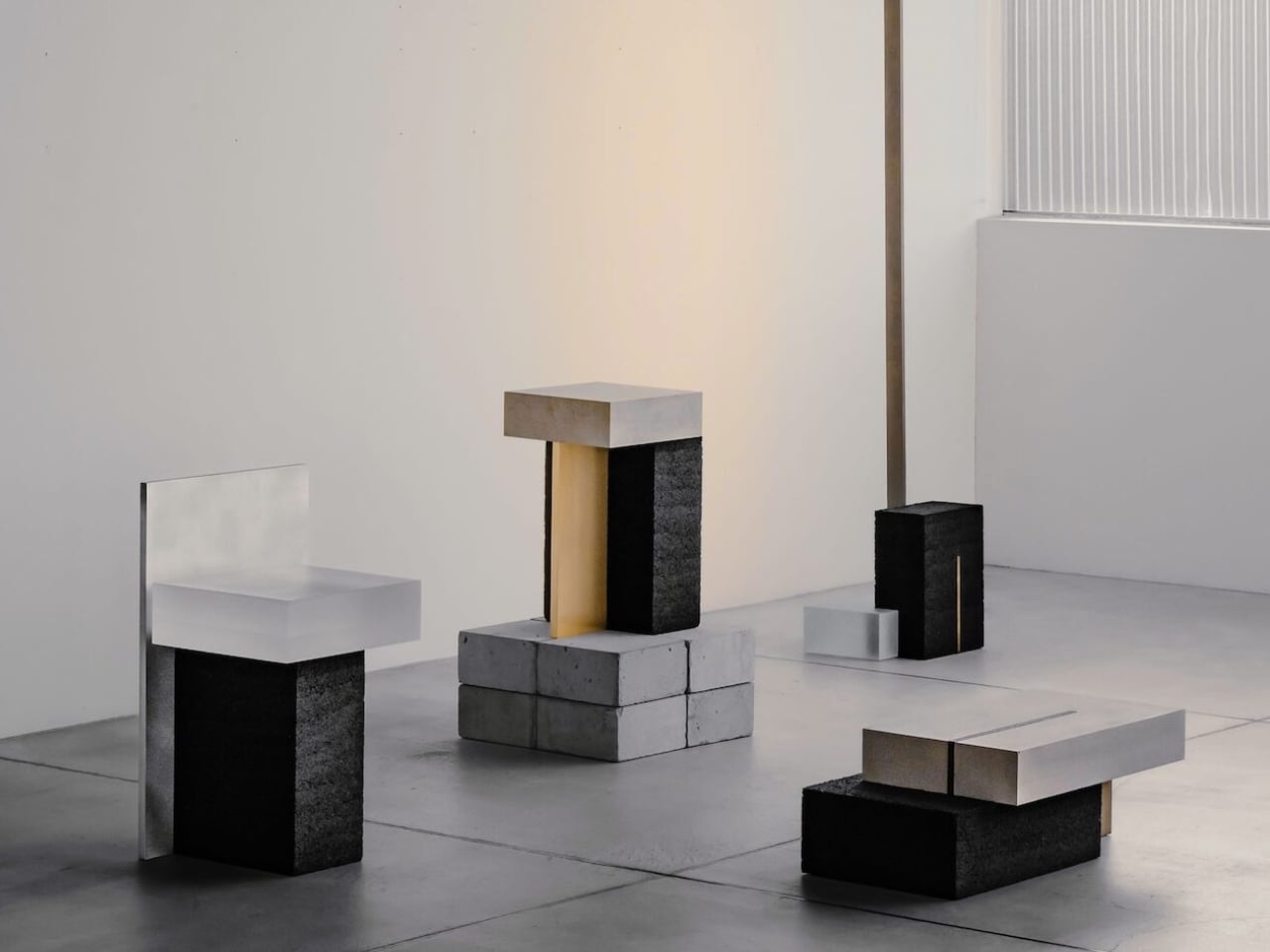
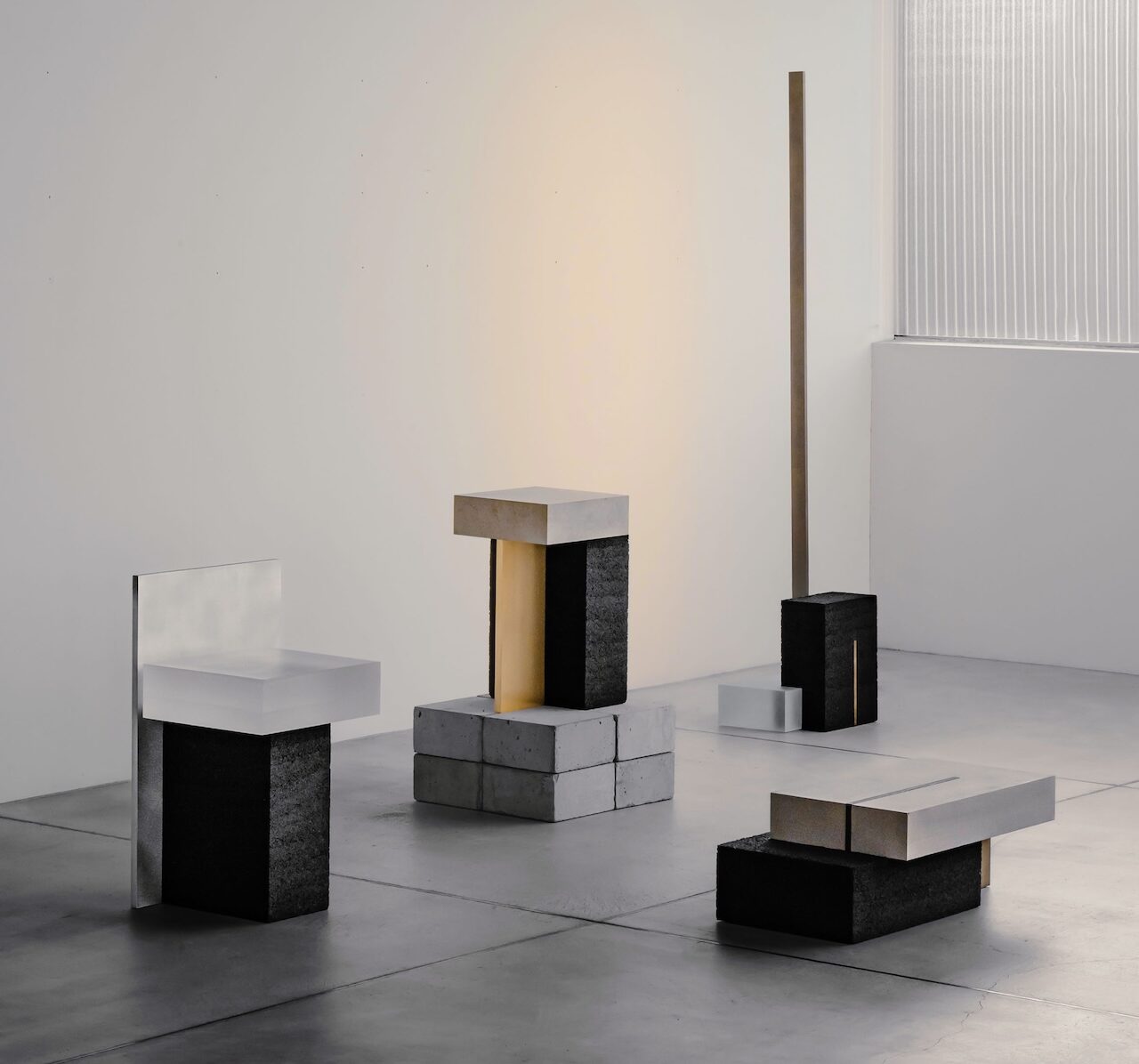
3 months agoConcrete Furniture Just Got Soft: 5 Designs That Feel Like Art - Yanko Design
Brutalism once suggested stark, monumental forms, with raw concrete presented in uncompromising honesty. Today, that legacy is evolving into a softer interior design language: Soft Brutalism. Rather than a contradiction, it becomes a thoughtful fusion where concrete is shaped into gentler, more human-centered forms. This shift responds to a culture saturated with disposable design and offers a return to authenticity, weight, and permanence.
Design
fromwww.remodelista.com
4 months agoBelgian Furniture Designer Marina Bautier's Brussels Compound
Belgian furniture designer Marina Bautier is known for her succinctness. Her pieces, all made of waxed oak, have no flourishes: they are a pure distillation of pleasing form and function. But in her own compound, she is voluble on how her work can be put to use: her studio, in a Brussels residential area aptly named Forest, is right next to her shop and cafe.
Renovation
fromYanko Design - Modern Industrial Design News
4 months agoThis Doughnut Chair Has One Bite Missing, and That's Your Seat - Yanko Design
Most chairs are clearly assembled objects, with legs, a seat, and a backrest, all stacked and joined together. Sculptural lounge pieces sometimes flip that script and feel more like a single volume that has been carved or sliced. Chunk is a concept that leans into that second approach, imagining seating as a doughnut with a bite taken out rather than a frame with cushions bolted on, treating furniture as something you edit rather than assemble.
Design
[ Load more ]