#milan-design-week
#milan-design-week
[ follow ]
#design #sustainability #architecture #sustainable-design #innovation #furniture-design #interior-design

.jpg)


Graphic design
fromdesignboom | architecture & design magazine
2 days agostudio mo man tai reshapes urban leftovers into walk-through color field in milan
Re-campaign transforms discarded advertising banners into interactive fabric portals, emphasizing movement and shared experience over traditional visual consumption.


fromDesign Milk
3 days agoForum Florum Counters Milan Design Week's Pac
Forum Florum unfolds across SIAM's courtyard and two historic interior rooms, with the Flower Journey installation opening the sequence. The monumental portal traces the global history of the cut flower industry, an extractive trade that scaled from 19th-century Dutch greenhouse cultivation into today's Kenyan and Colombian export agriculture.
Arts
#bang--olufsen
Berlin music
fromYanko Design - Modern Industrial Design News
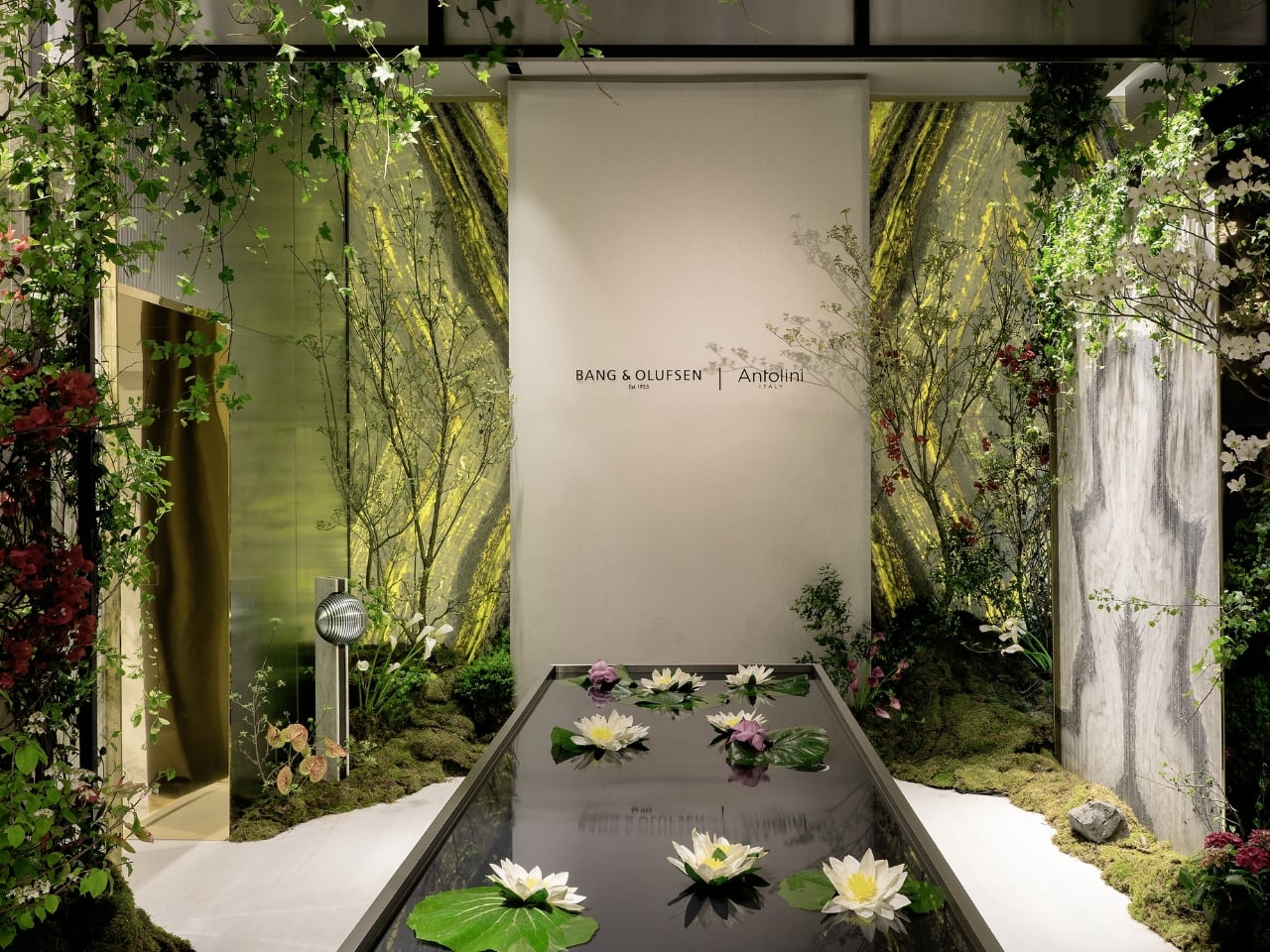
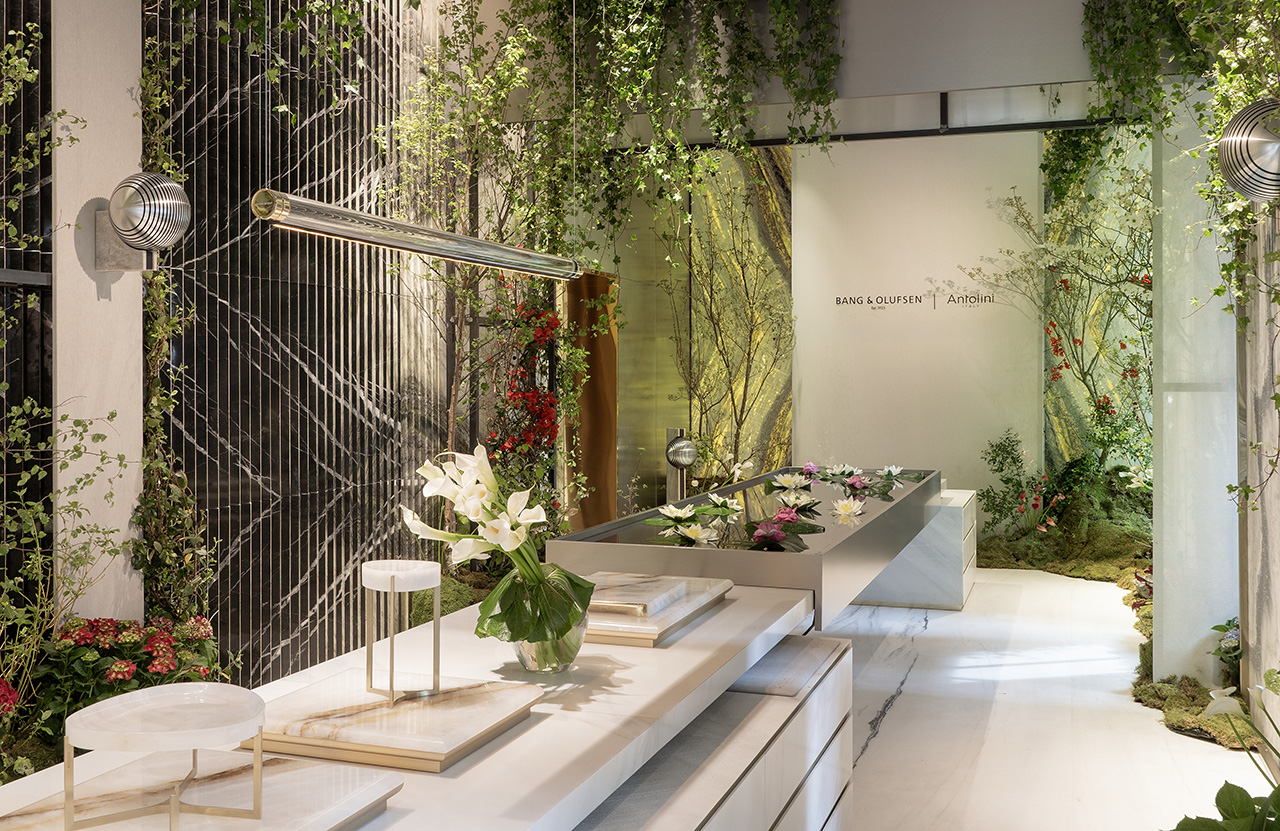
4 days agoBang & Olufsen Just Taught Stone to Sing at Milan 2026 - Yanko Design
Milan Design Week showcases the experiential nature of design through installations like Bang & Olufsen and Antolini's collaboration, emphasizing emotional connection.
%20Veneranda%20Biblioteca%20Ambrosiana%20Ph.%20Andrea%20Pignagnoli%20(1).jpeg)
fromdesignboom | architecture & design magazine
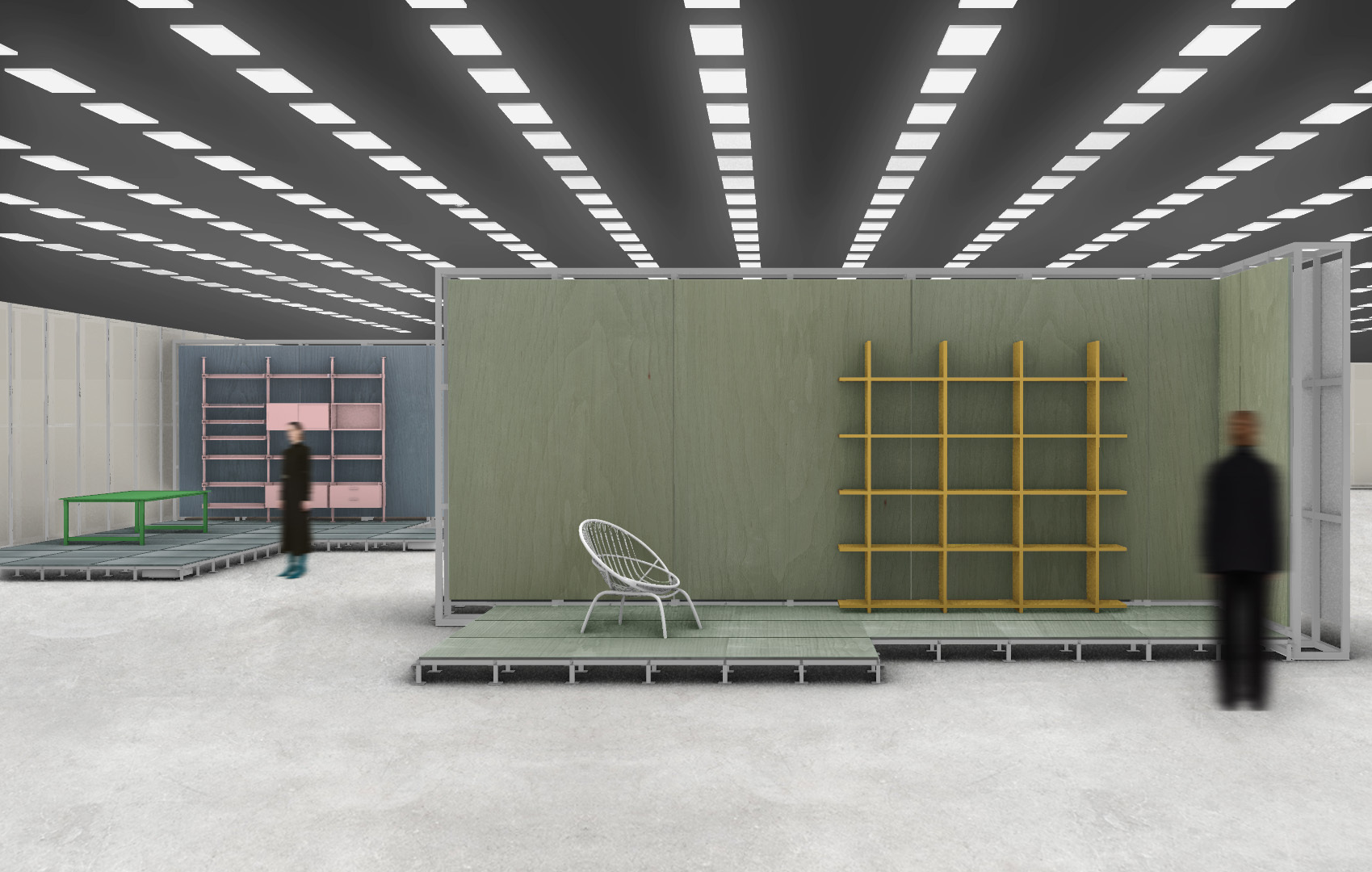
5 days agoROOM FOR DREAMS: a week of installations, cinema, and encounters at ME milan il duca
ROOM FOR DREAMS staged a sequence of interconnected experiences that explore dreaming as an active tool for imagining and rehearsing alternative futures, creating a spatial and cultural ecosystem.
SOMA, SF
Everyday cooking
fromYanko Design - Modern Industrial Design News
5 days agoSmeg's Air Fryer Comes With A Steam Function For Food That's Crispy Outside and Juicy Inside - Yanko Design
Smeg originated in enamel technology and is now known for colorful kitchen appliances, including an innovative air fryer with a built-in steamer.
UX design
fromYanko Design - Modern Industrial Design News
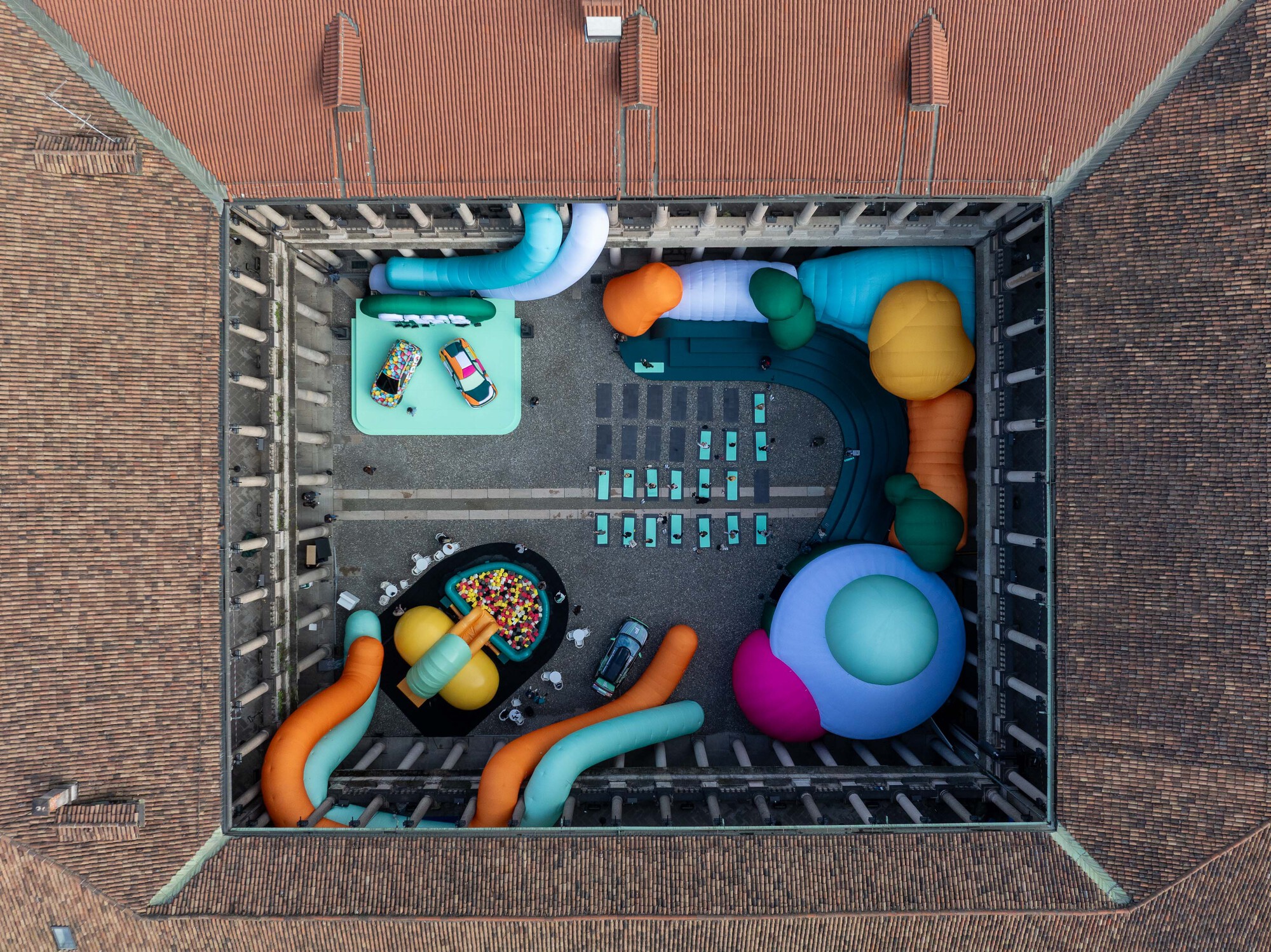
1 week agoSkoda's Inflatable Car Installation at Milan Design Week Looks Like a Bouncy Castle Grew Wheels - Yanko Design
Ulises Studio transforms Skoda's Epiq SUV into an immersive, colorful installation using inflatable fabric, reinterpreting automotive design.
#grohe-spa
Graphic design
fromdesignboom | architecture & design magazine
1 week agogrohe spa sets new benchmark in bathroom craftsmanship and bespoke signature in milan
GROHE SPA showcases luxury bathroom design through the Aqua Sanctuary installation at Milan Design Week 2026, emphasizing bespoke solutions and wellbeing through water.
Renovation
fromdesignboom | architecture & design magazine
2 weeks agogrohe spa turns piccolo teatro studio melato into immersive fusion of water and architecture
GROHE SPA presents 'The Aqua Sanctuary' installation at Milan Design Week 2026, emphasizing wellbeing through water in an immersive architectural experience.
fromdesignboom | architecture & design magazine
1 week agoinflatable clay-like landscape by ulises studio fills palazzo del senato in milan with color
The installation unfolds as a colorful landscape that transforms after dark, creating a dynamic atmosphere for visitors to explore and engage with the brand.
UX design
fromYanko Design - Modern Industrial Design News
1 week agoMoooi's 25th Anniversary Monster Chairs Have Hand-Embroidered Creatures on Every Backrest - Yanko Design
The reimagined Monster Chair collection features a hand-embroidered creature sprawling across the backrest, rendered in vivid, layered threadwork that transforms the iconic design.
Graphic design
fromYanko Design - Modern Industrial Design News
1 week agoIKEA Waited 12 Years to Show This Inflatable Chair at Milan Design Week - Yanko Design
The PS 2026 Easy Chair arrived alongside a rocking bench and a flexible floor lamp, three pieces offering the first real look at the upcoming tenth IKEA PS collection.
Design

Paris food
fromdesignboom | architecture & design magazine
1 week agolouis vuitton translates bookbinding patterns into walkable courtyard installation in milan
Louis Vuitton's exhibition at Palazzo Serbelloni showcases the Objets Nomades collection alongside historic trunks, blending decorative arts with contemporary design.
fromdesignboom | architecture & design magazine
1 week agosara ricciardi releases the chemistry of happiness inside milan's pinacoteca di brera
'Give them a smile, you know, something that can also be a deeper level of understanding,' Sara Ricciardi tells designboom, framing the installation as an immediate emotional trigger before it unfolds into something more layered.
SOMA, SF
fromdesignboom | architecture & design magazine
1 week agogeberit choreographs immersive dance of water and light at milan design week 2026
RŌS serves as a prototype of a sensory future where even the most functionally-engineered systems are imbued with grace, showcasing design not as a finished product but as a live rehearsal for a more harmonious reality.
Berlin music
Arts
fromdesignboom | architecture & design magazine
1 week agolaila gohar spins a surreal carousel of fruits and vegetables for arket during milan design week
Laila Gohar's carousel installation at Milan Design Week 2026 introduces her first ready-to-wear collection, blending art and fashion with oversized fruits and vegetables.
fromdesignboom | architecture & design magazine
1 week agoroom for dreams opens at milan design week 2026 with full takeover of ME milan il duca
ROOM FOR DREAMS is structured as a progression, with each space within the hotel corresponding to a different phase of dreaming, from collective speculation to introspective encounters.
Berlin
Renovation
fromdesignboom | architecture & design magazine
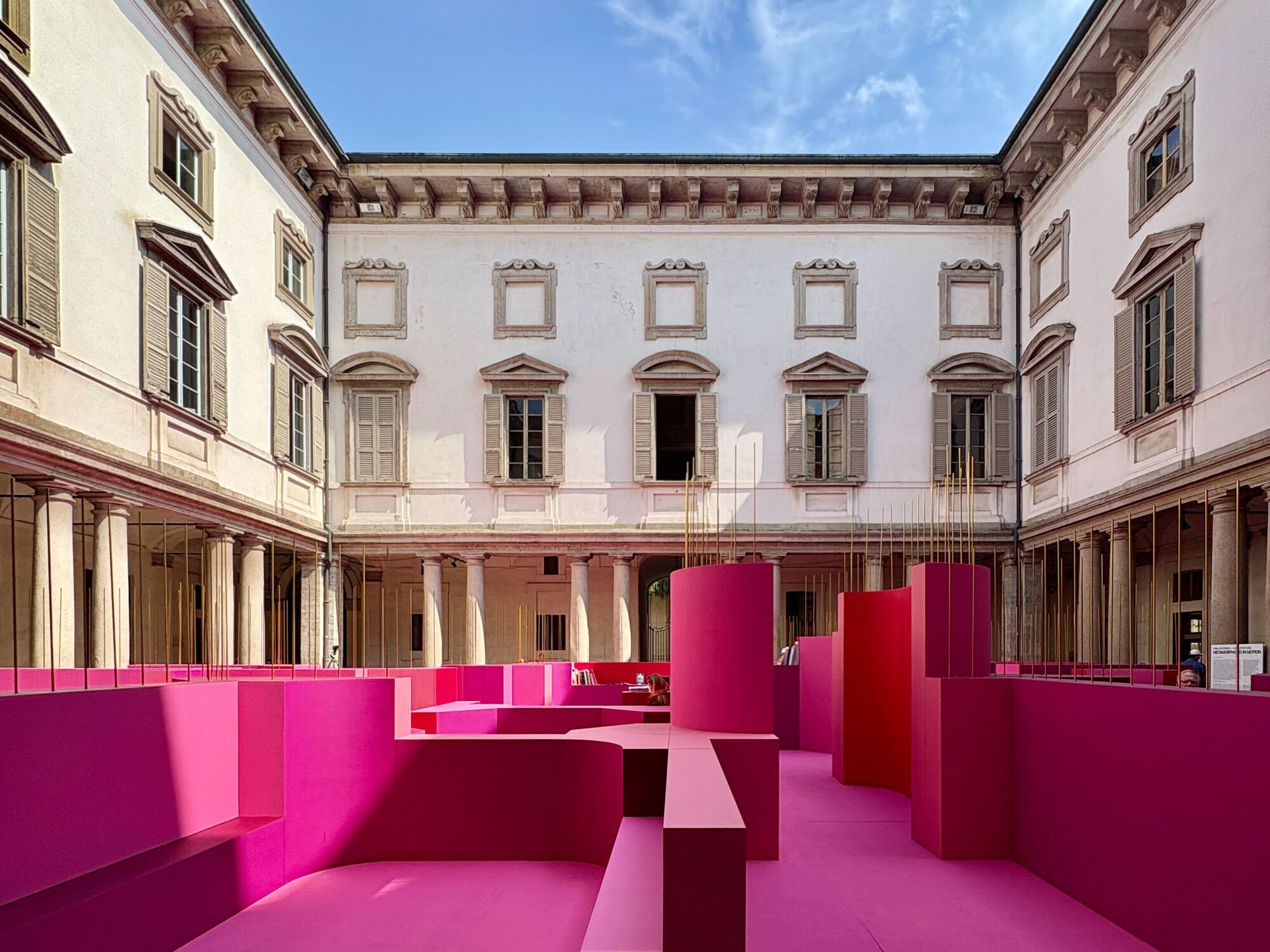
1 week agolina ghotmeh floods milan's palazzo litta with pink labyrinthine landscape
Palazzo Litta is transformed into a dynamic, inhabitable landscape with Lina Ghotmeh's installation, creating a dreamlike experience during Milan Design Week 2026.
fromdesignboom | architecture & design magazine
2 weeks agoexplore the day-to-day program of the cinema of dreams at milan design week 2026
The Cinema of Dreams is the beating heart of our temporary creative ecosystem - part installation, part screening room, entirely its own world. It invites audiences to explore movies, short films, and video interviews that celebrate ideas that dare to dream.
Berlin
fromdesignboom | architecture & design magazine
2 weeks agohow spanish ceramics bridge culture, memory and identity at milan design week 2026
Throughout its history, Spain has been shaped by a wide range of cultures and civilizations, including Muslim, Phoenician, Roman, Greek, Carthaginian, and Visigothic influences, which are reflected in its architecture and design.
Madrid food
Design
fromdesignboom | architecture & design magazine
2 weeks agogaggenau's installation 'presence' at villa necchi campiglio during milan design week 2026
Gaggenau's 'Presence' installation at Milan Design Week 2026 emphasizes architectural integration and sensory experience through light, material, and culinary collaboration.
Graphic design
fromdesignboom | architecture & design magazine
2 weeks agoDBEW award ceremony to explore global creative harmony at milan design week 2026
The DBEW Award Ceremony celebrates innovative design by merging Eastern philosophy with Western pragmatism, focusing on human-centric creativity in the AI era.
Design
fromYanko Design - Modern Industrial Design News
2 weeks agoThe Zig-Zag Chair That Shows Rimadesio at Its Most Expressive - Yanko Design
The Ori chair by Giuseppe Bavuso for Rimadesio combines innovative design with traditional craftsmanship, showcasing a unique zig-zagging backrest that adds visual energy.
Fashion & style
fromYanko Design - Modern Industrial Design News
2 weeks agoThe Leather Vessels at Milan 2026 That Feel Like They're Breathing - Yanko Design
Talia Luvaton's leather designs uniquely embody human forms, showcasing a material-driven approach that emphasizes the contradictions of leather.
#room-for-dreams
Berlin
fromdesignboom | architecture & design magazine
1 month agodesignboom takes over me milan il duca with 'room for dreams' at milan design week 2026
Milan Design Week 2026 features ROOM FOR DREAMS, transforming ME Milan Il Duca into an immersive exploration of dreams as tools for design and social change.
Design
fromdesignboom | architecture & design magazine
2 months agosalone del mobile 2026: what to expect from the biggest interior and furniture fair in milan
The 64th Salone del Mobile.Milano in April 2026 will feature 1,900 exhibitors across 169,000 square meters, reinforcing Milan's position as the global capital of contemporary design culture.
fromdesignboom | architecture & design magazine
2 months agoDBEW award 2026: international student design competition calls for entries
The DBEW Award 2026 officially opens its global call for entries, inviting students and educators to participate in an educational movement that redefines design as a manifestation of collective intelligence. By mandating a co-creation model, the award introduces a fundamental shift in traditional competition: you cannot enter alone. This framework targets the friction of intergenerational learning as the primary source of innovation, requiring joint submissions between an educator and a student, including undergraduates, graduates, or those within two years of graduation.
Design
fromdesignboom | architecture & design magazine
11 months agoiris ceramica group and alchimia hide audio and video systems within ceramic surfaces
The collaboration effectively merges advanced technological functionalities with traditional craftsmanship, allowing spaces to maintain their elegance while transforming into interactive environments.
UX design
Renovation
fromYanko Design - Modern Industrial Design News
11 months agoThe Muji Muji 5.5 House Is A Modular Prefab Home Crafted From Repurposed Classic Muji Products - Yanko Design
Innovative design transforms Muji products into functional furniture and fixtures.
Emphasis on DIY creativity and sustainable living through local production.
Digital life
fromYanko Design - Modern Industrial Design News
11 months agoDRIFT and Audi Debut Onion-Like Interactive Light Installation at Milan Design Week 2025 - Yanko Design
The installation Drift Us by DRIFT at Milan Design Week immerses audiences in a kinetic experience that highlights human-machine interaction.
Drift Us emphasizes the need for adaptability and human connection in technological innovation.
[ Load more ]