#mta
#mta
[ follow ]
#omny #fare-evasion #metrocard #congestion-pricing #second-avenue-subway #public-transit #fare-increase


New York City
fromwww.amny.com
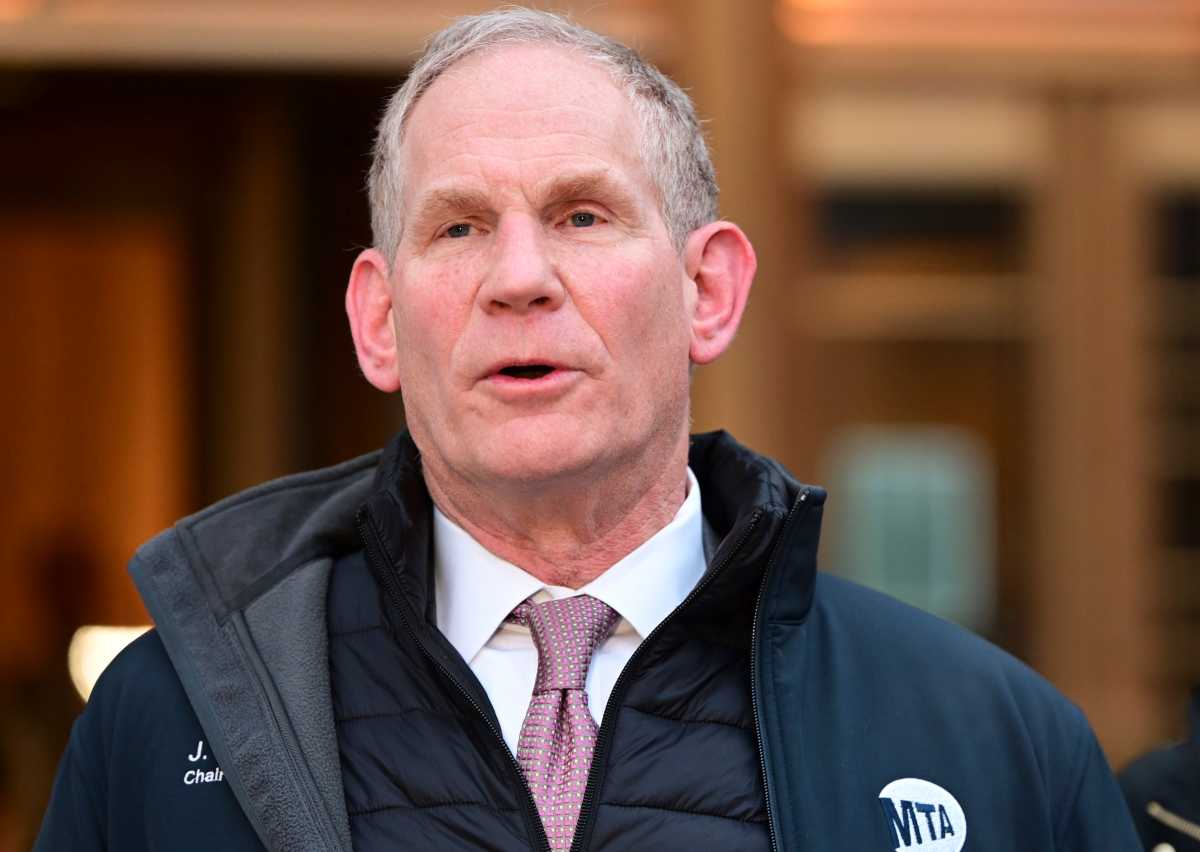
2 weeks agoNYC BLIZZARD: Subways and buses running with delays as LIRR is suspended, MTA chair says | amNewYork
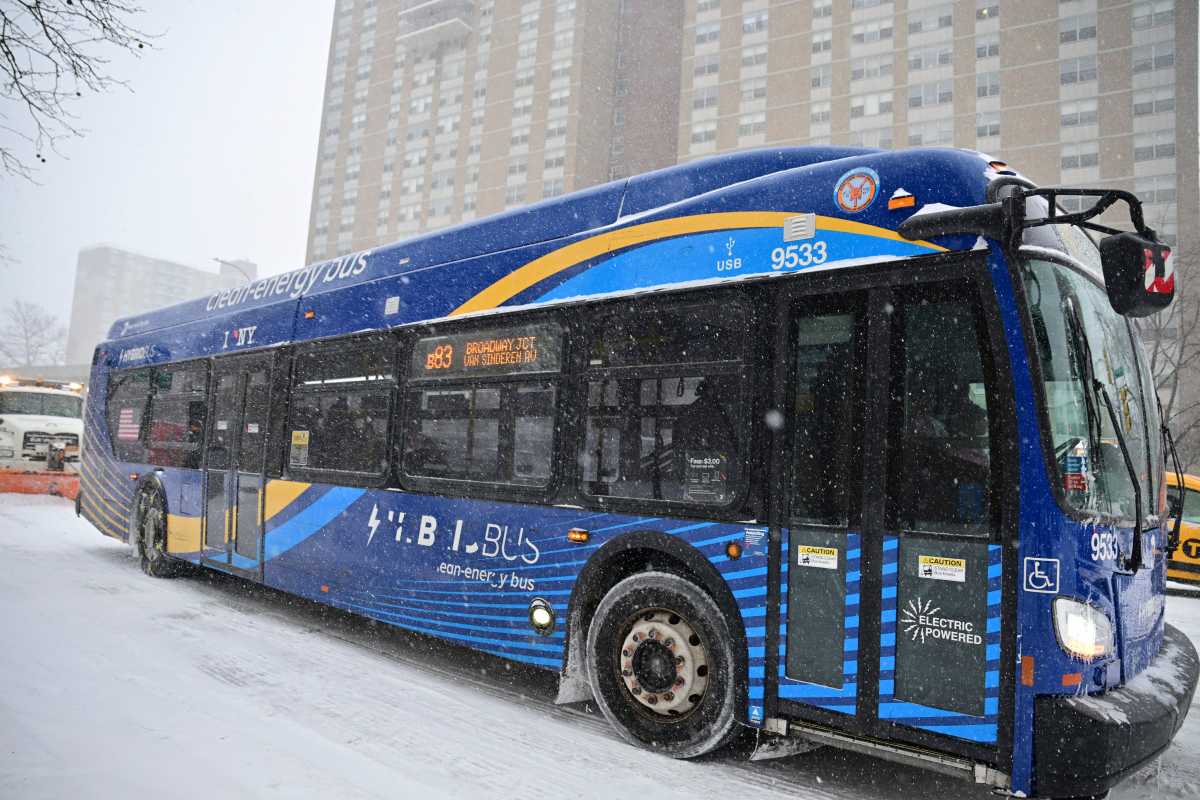
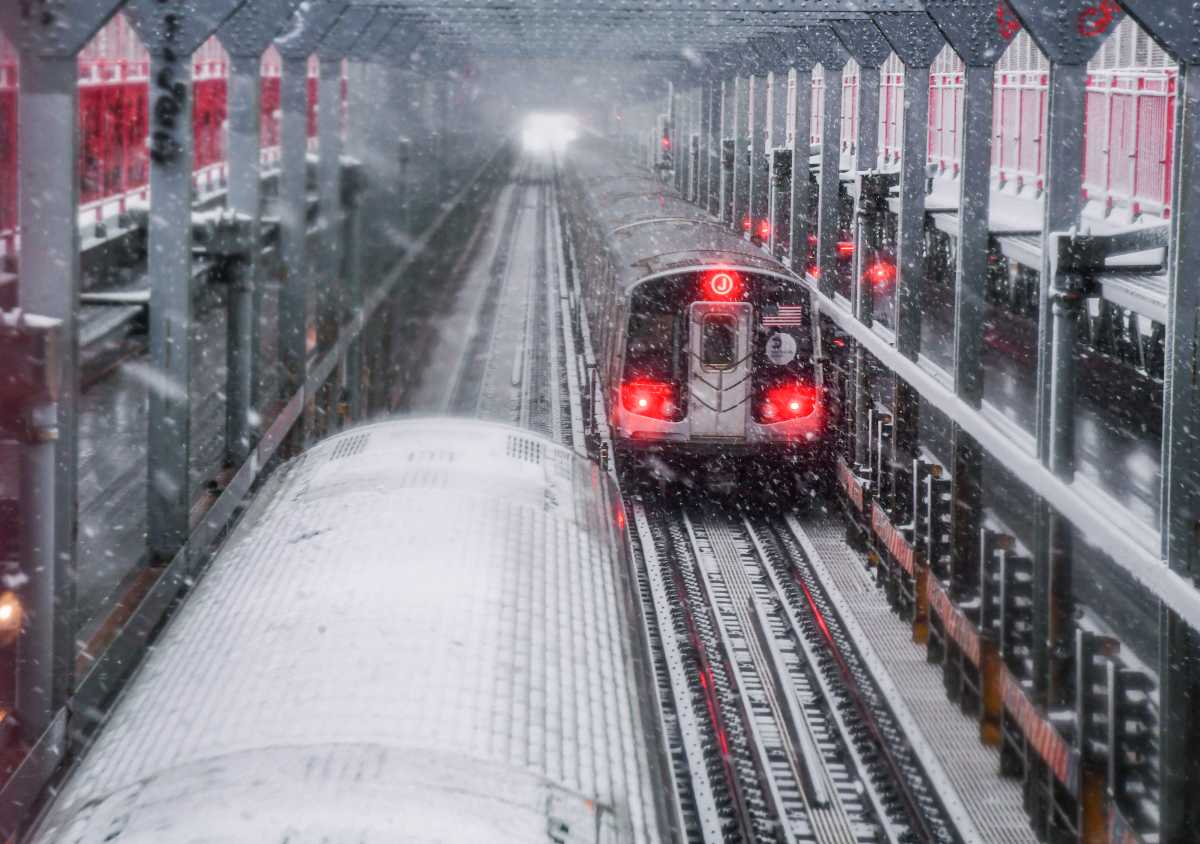
A powerful blizzard disrupted New York City transit: modified subway and bus service, Long Island Rail Road suspended, major subway lines delayed or temporarily halted.


fromwww.amny.com
1 month agoFare evasion: MTA boss Lieber rules out all-door bus boarding until European model' of enforcement is activated amNewYork
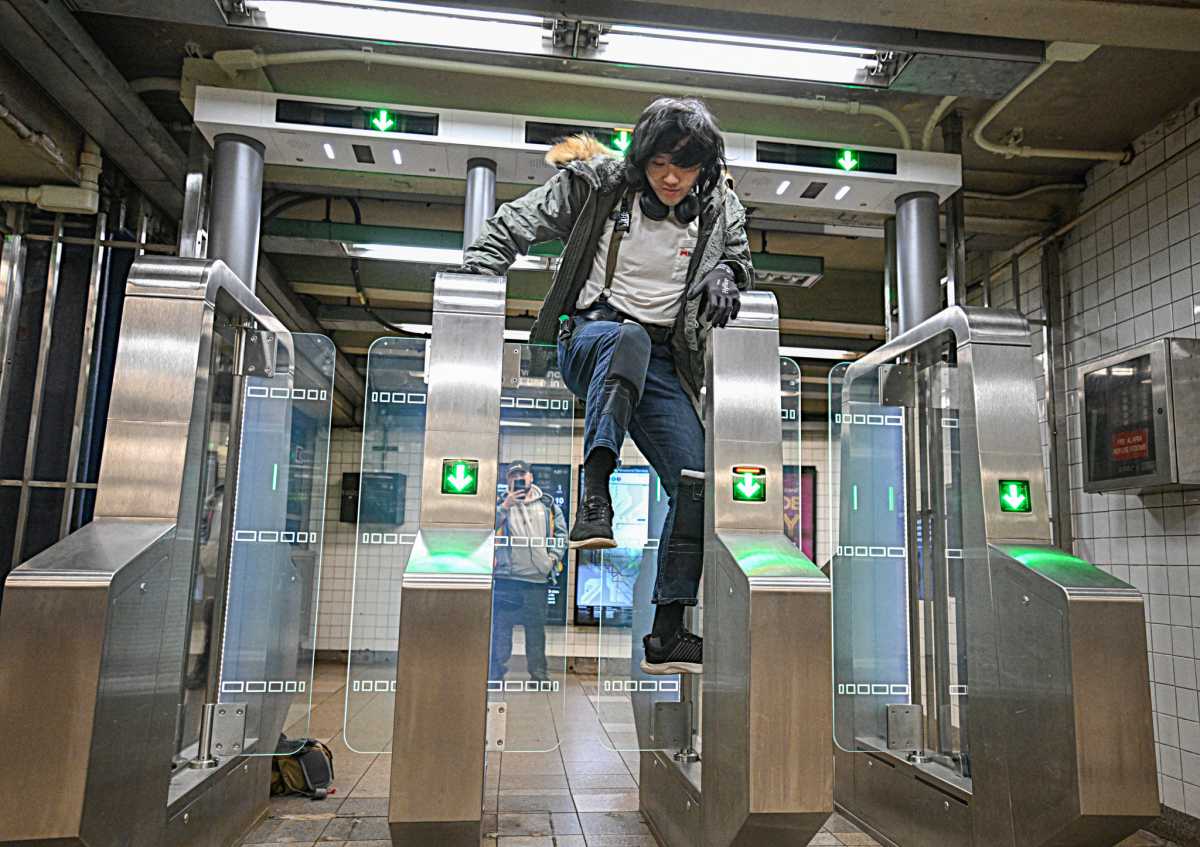
The MTA will only move towards introducing all-door boarding on city buses after it has rolled out a promised European-style approach to fare evasion enforcement aboard the vehicles, Chair and CEO Janno Lieber said on Tuesday. Lieber, while testifying during a Feb. 3 state legislative budget hearing, made clear that the MTA will not activate OMNY tap-and-pay readers in the backs of buses until after it has established its new fare validation system on them.
New York City
New York City
fromQNS
1 month agoMTA announces substantial completion of $15M upgrade project at Laurelton LIRR station - QNS
Laurelton LIRR station completed a $15 million renovation delivering ADA access, a new elevator, safety upgrades, and improved pedestrian facilities for nearly 70,000 monthly riders.
fromwww.amny.com
1 month agoHere's a look at this weekend's MTA train service changes amNewYork
On Jan. 17-19 overnight, downtown A and C trains in Manhattan will skip 116 St, 110 St, 103 St, 96 St, 86 St, 81 St and 72 St. Uptown C trains in Manhattan will skip Spring St, 23 St and 50 St during the same time. There will be no overnight C service this weekend, take the A train instead. In Manhattan, uptown E trains will skip Spring St and 23 St from 11:45 p.m. on Jan. 16 to 5 a.m. Jan. 20.
New York City
New York City
fromwww.amny.com
1 month agoIBX Stop by Stop: Midwood's small businesses, street fairs and deep history thrive around light rail's proposed stop amNewYork
The MTA plans an IBX light-rail stop near East 16th Street in Midwood to connect Brooklyn and Queens and improve cross-borough transit.
fromwww.amny.com
1 month agoMLK Day: NYC Subways, buses and commuter rails will run modified service. Here's what you need to know amNewYork
In effect, that means service changes across all lines besides the F, M, 2, and Franklin Avenue and Rockaway Park Shuttles. Overnight, downtown local A trains will skip all stops between 125th St and 59th St-Columbus Circle and uptown local A trains will skip Spring St, 23rd St, and 50th St. Both downtown and uptown local C trains will skip the same stops as the overnight A during the day and evening, with no overnight service.
New York City
fromBrownstoner
1 month agoMTA Explores How to Use AI to Monitor Thousands of Cameras
"There's interest across the board," Michael Kemper, MTA chief security officer, told THE CITY. "It's not only coming from the MTA, but from the business world, the AI business world, in working with us."
Artificial intelligence

New York City
fromwww.amny.com
2 months agoMajor Bronx 4/5 train service changes are in effect until late February. Here's what you need to know. amNewYork
MTA is replacing 37-year-old switches between the Bronx and Manhattan, causing late-night and weekend 4/5 service changes through late February to improve reliability.
fromTime Out New York
2 months agoNYC subway fare officially hits $3 per ride
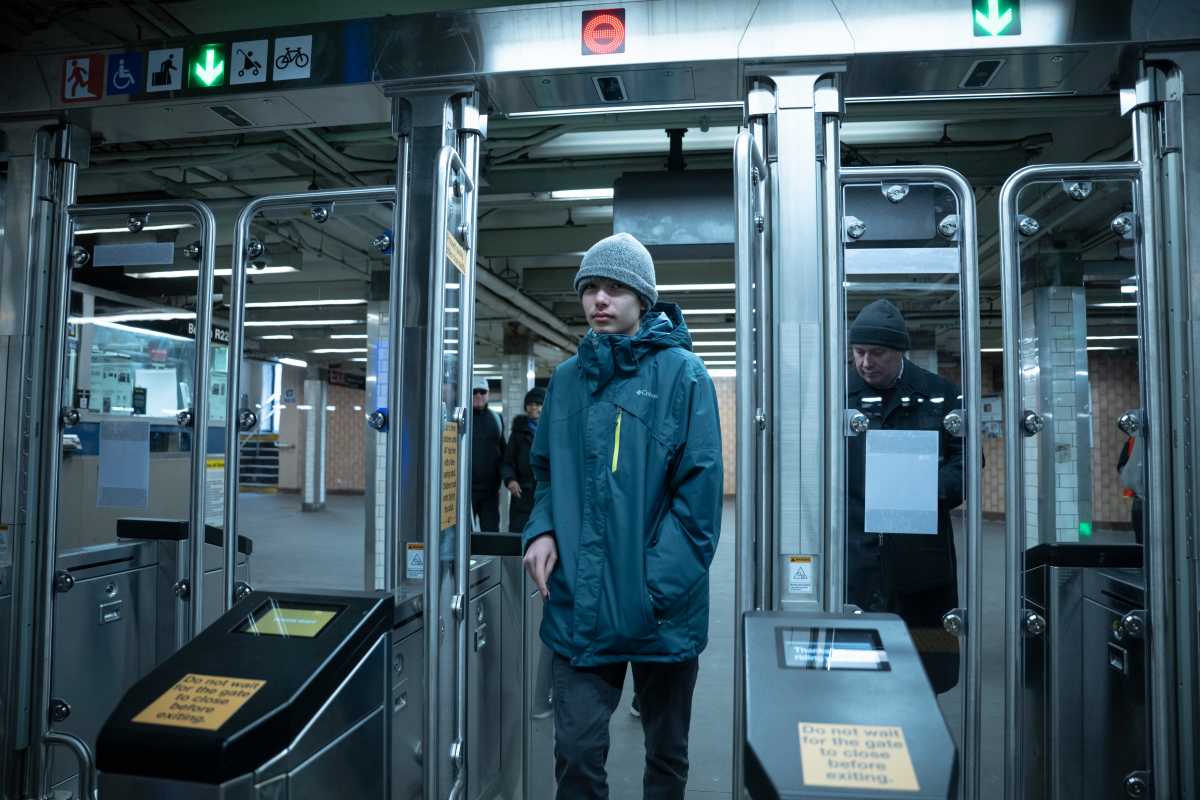
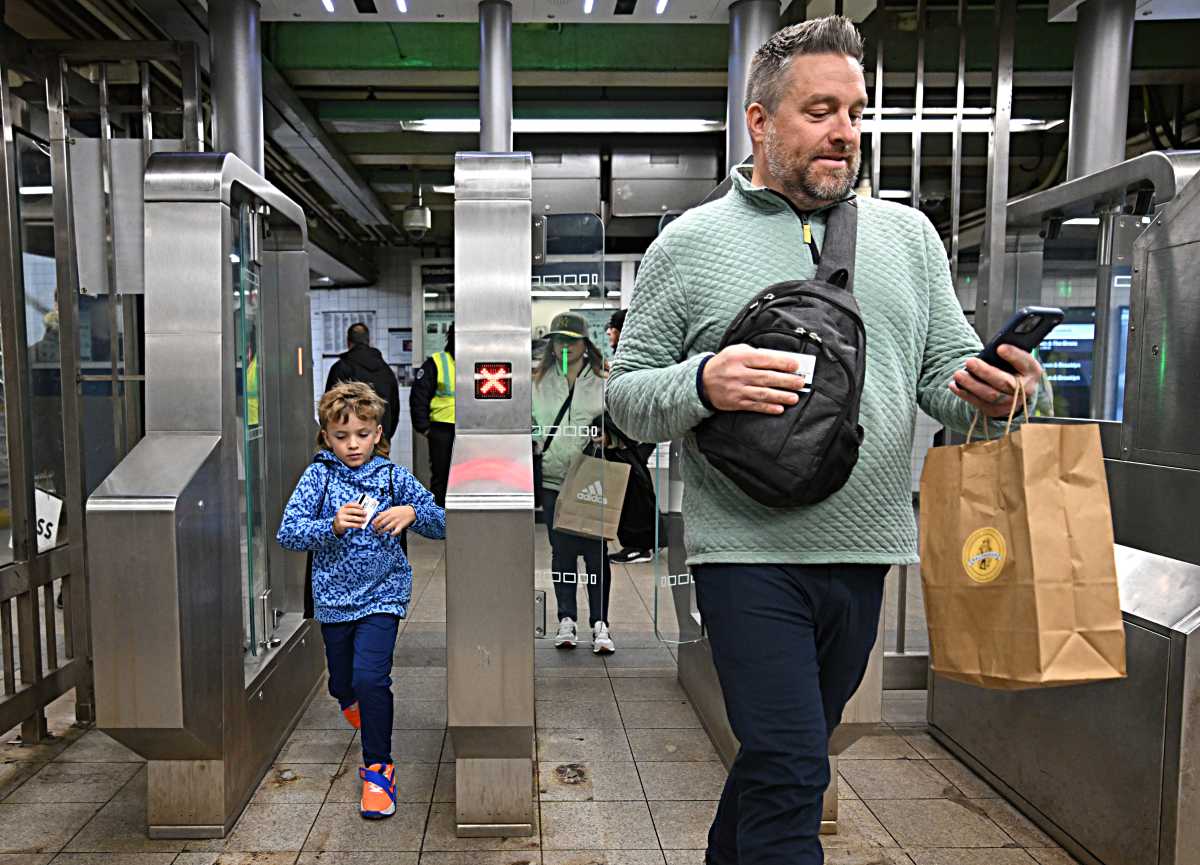
The 10-cent fare hike took effect this past weekend, pushing the base subway and bus ride to $3 for the first time in city history. New Yorkers woke up Sunday to a small but psychologically seismic shift at the turnstiles: the base fare for subways and buses has officially hit $3. The 10-cent increase, approved last fall by the Metropolitan Transportation Authority, nudges the fare up to $3 and marks the first time the system has crossed that threshold in its 120-year history.
New York City

fromwww.amny.com
2 months agoFare evasion: MTA examining whether European-style' enforcement can occur while buses move amNewYork
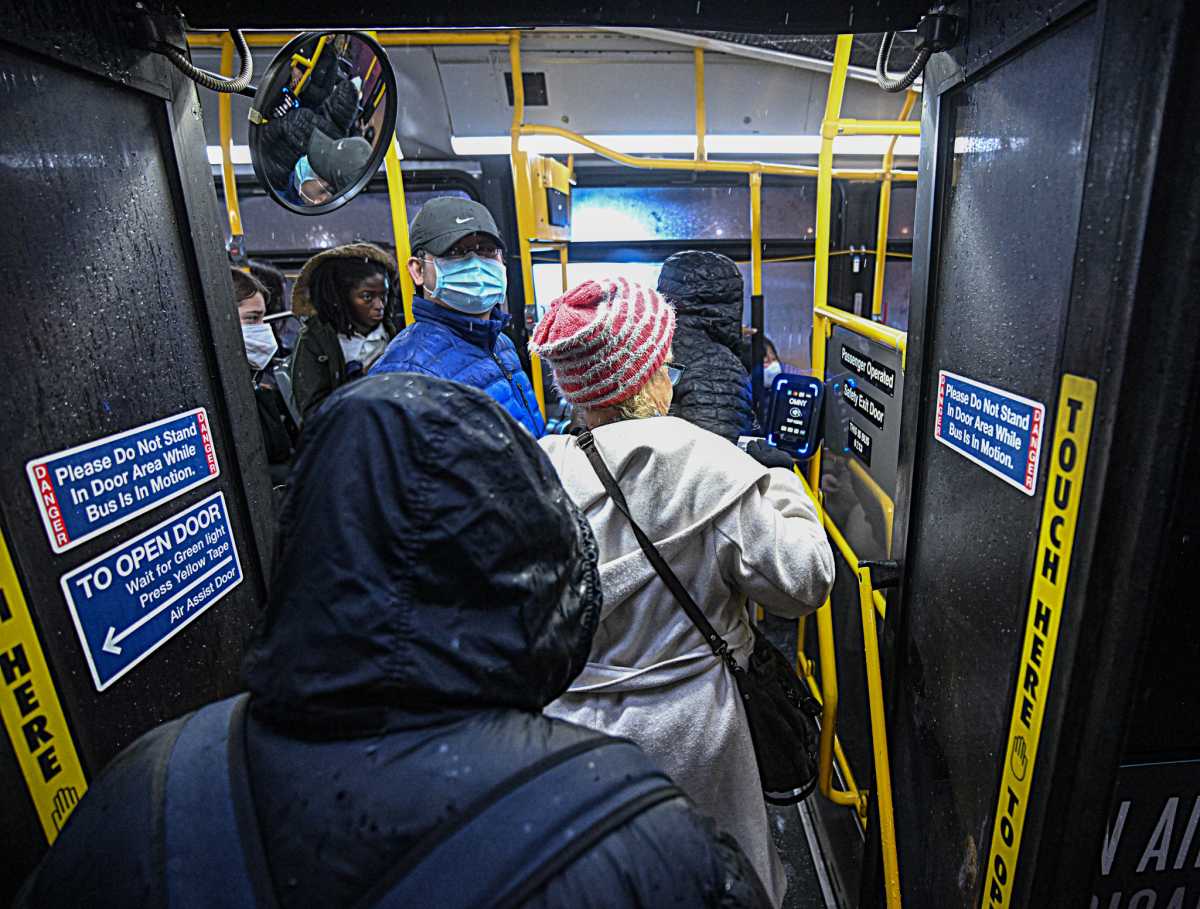
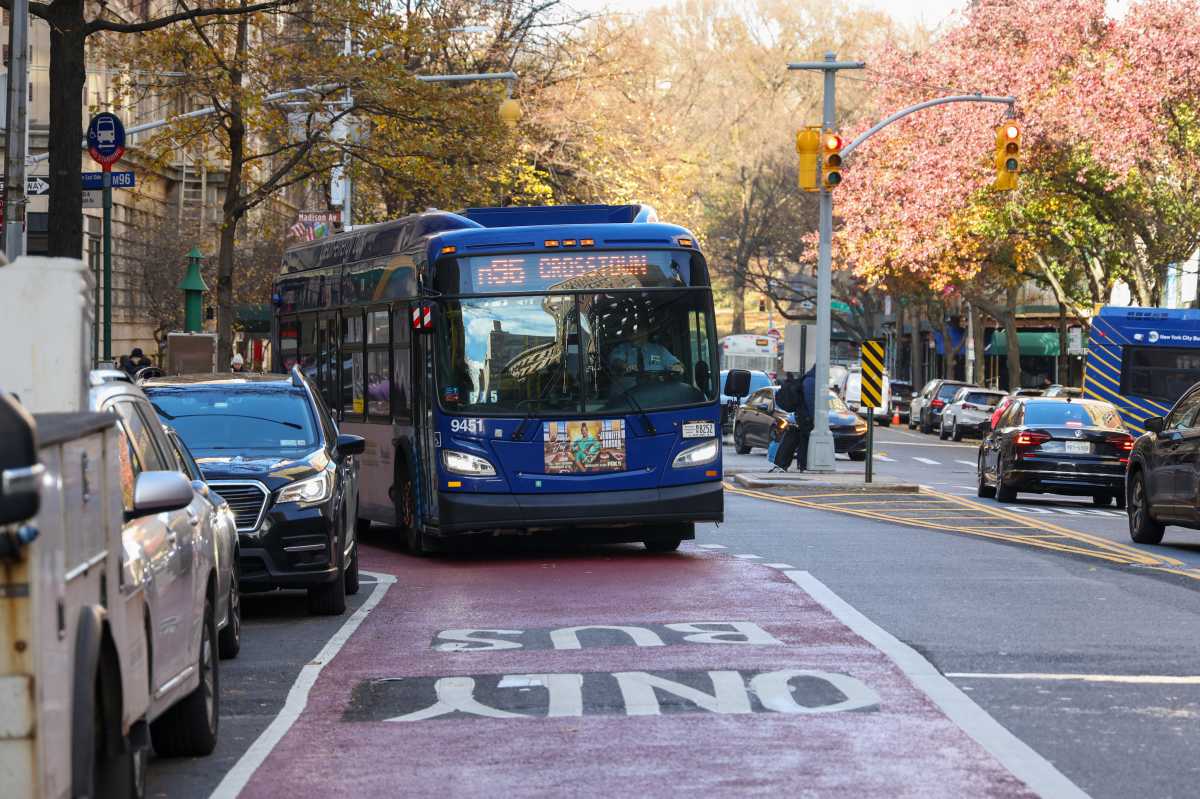
The biggest problem with bus fare evasion comes from the back of buses, where fare-beaters tend to climb aboard while buses are stopped, and the front and back doors are open. Photo by Dean Moses MTA Chair and CEO Janno Lieber on Wednesday said the transit agency is still examining whether the new European-style of fare enforcement that, he said, is coming to city buses can be done while the vehicles are in motion or will require them to stop.
New York City


New York City
fromwww.amny.com
2 months agoFIRST ON amNY: City Council Transportation Chair urges Gov. Hochul to offset future fare hikes in coming budget proposal amNewYork
Selvena Brooks-Powers urged Gov. Hochul to add $633.6 million to the 2027 budget to offset planned MTA subway and bus fare hikes in 2027 and 2029.




fromwww.amny.com
4 months agoRail rot: 7 train repairs delayed two years, and costs soar, over unexpected' deterioration and decay found at one Queens station | amNewYork
The setback is due to the discovery of severe, unforeseen deterioration of steel supports also known as girders that hold up the 7 train tracks and platforms above Roosevelt Avenue at the 61st Street station in Woodside, Queens. Other stations, including 69th Street and 52nd Street, are part of the construction project, which was initially slated for completion in May 2025. The work is not expected to be completed until May 2027.
New York City
fromwww.amny.com
4 months agoIBX Stop by Stop: East New York, Brownsville poised for more housing, shops and transit as plans for light-rail continue
There's a coffee shop in East New York, Brooklyn, that does more than sell lattes, cappuccinos and smoothies. With cozy furniture, friendly staff and a relaxed vibe, Bklyn Blend, located a short walk from the next stop on the planned IBX train, marks a sliver of change for a mostly industrial, but working-class and historic section of NYC. Bklyn Blend was buzzing with customers on a recent Thursday night.
New York City
fromwww.amny.com
4 months agoNYC subway train separates in the Bronx; passengers forced to evacuate
The MTA is investigating how two cars of a 4 train in the Bronx separated from each other on Sunday night, forcing passengers to be evacuated. According to the MTA, the incident happened on a southbound 4 train at around 5:20 p.m. on Oct. 19. The third car uncoupled from the fourth car in a tunnel near the 149th-Street Grand Concourse station in Mott Haven. Police and FDNY members rushed to the scene; no injuries were reported.
New York City
fromNewsday
4 months agoService disrupted after subway cars decouple in the Bronx
A decoupling of two train cars forced the suspension of service on a subway line running between Manhattan and the Bronx on Sunday evening, the Metropolitan Transportation Authority said. Passengers were safely taken off a southbound 4 train near 149th St. after the third and fourth cars became detached, an MTA spokesperson confirmed. No injuries were reported and the investigation was ongoing, the spokesperson added.
New York City
New York City
fromwww.amny.com
4 months agoOnward and upward: Staten Islanders report marked improvement in express bus service, but more work still needed
Staten Island commuters face long waits and overcrowded, broken express buses after closure of Meredith Avenue depot, though recent improvements have reduced cancellations.
fromGothamist
4 months agoMTA wants $600M from Trump administration to cover old COVID-19 expenses. Good luck.
MTA officials have spent the last three years waiting for a mountain of COVID-19 relief cash from the feds that may never arrive, leaving a hole in the agency's budget that must be filled by riders and taxpayers. Financial reports show the MTA seeks $600 million over the next two years from FEMA as reimbursement for contracts issued 2020 and 2021.
New York City
fromsilive
5 months ago6 changes for NYC commuters in 2026: MTA price increases, MetroCard phase-out and more
Tolls on major crossings, such as the Verrazzano-Narrows Bridge, will increase by around 7.5% at the beginning of next year as well. For E-ZPass users, the Verrazzano toll will increase from $6.94 to $7.46. The Staten Island resident discount will remain in place with the toll increase, and anyone enrolled in the program will see their toll bill increase from $3.90 to $4.19.
New York City
[ Load more ]