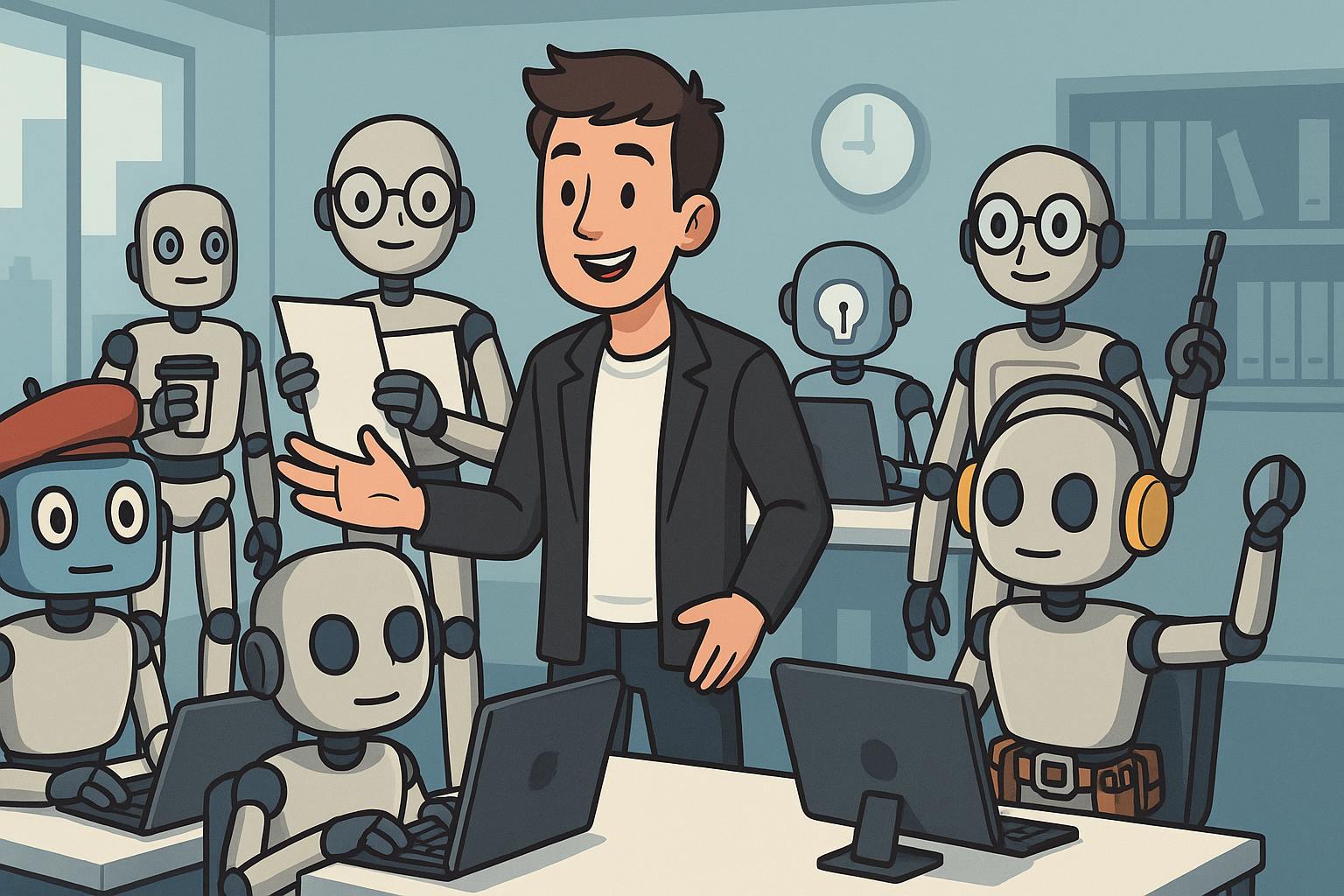
The scaling model relies on several predictive factors of the system, including the underlying LLM's intelligence index; the baseline performance of a single agent; the number of agents; number of tools; and coordination metrics. The researchers found there were three dominant effects in the model: tool-coordination trade-off, where tasks requiring many tools perform worse with multi-agent overhead; capability saturation, where adding agents yields diminishing returns when the single-agent baseline performance exceeds a certain threshold; and topology-dependent error amplification, where centralized orchestration reduces error amplification.
Peter Steinberger is joining OpenAI to drive the next generation of personal agents. He is a genius with a lot of amazing ideas about the future of very smart agents interacting with each other to do very useful things for people. We expect this will quickly become core to our...- Sam Altman (@sama) February 15, 2026
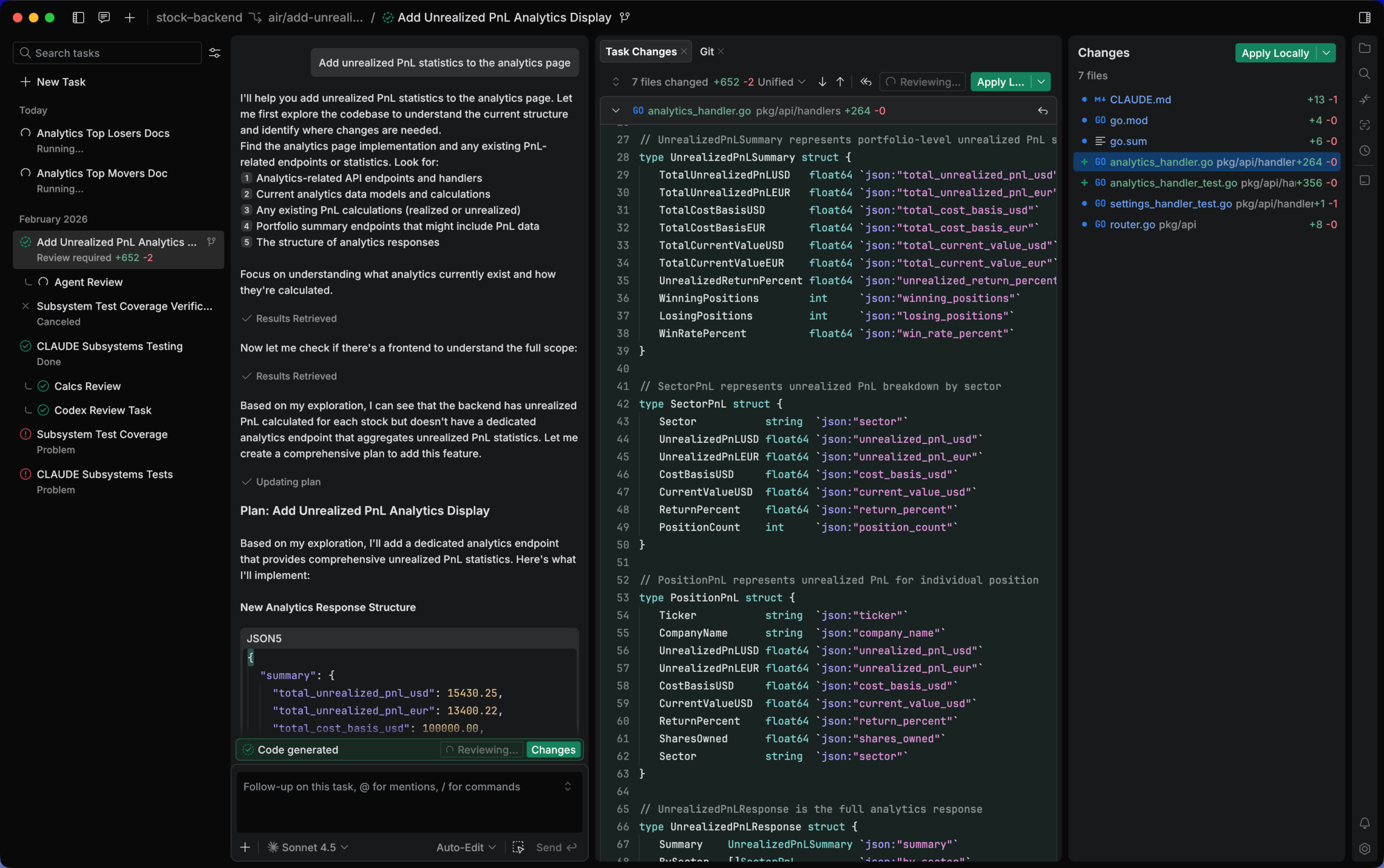
AI coding agents from OpenAI, Anthropic, and Google can now work on software projects for hours at a time, writing complete apps, running tests, and fixing bugs with human supervision. But these tools are not magic and can complicate rather than simplify a software project. Understanding how they work under the hood can help developers know when (and if) to use them, while avoiding common pitfalls.
Google has added support for the Go language to its Agent Development Kit (ADK), enabling Go developers to build and manage agents in an idiomatic way that leverages the language's strong concurrency and typing features. The Go ADK is an open-source toolkit that enables developers to build modular multi-agent systems in which specialized agents are are organized hierarchically. It also provides support for debugging, versioning, and flexible deployment.
In the decades since natural language processing (NLP) first emerged as a research field, artificial intelligence has evolved from a linguistic curiosity into a catalyst reshaping how humans think, work, and create. Few people are as qualified to trace that journey, or to imagine what comes next, as Rada Mihalcea, Professor of Computer Science and Engineering and Director of the Michigan AI Lab at the University of Michigan.
The latest release of the Agent Development Kit for Java, version 0.2.0, marks a significant expansion of its capabilities through the integration with the LangChain4j LLM framework, which opens it up to all the large language models supported by the framework. Before integrating LangChain4j, ADK for Java only supported two models, Google Gemini and Anthropic Claude. This contrasted with the Python ADK, which offered broader support via via LiteLLM.