#nature-access
#nature-access
[ follow ]
#climate-change #sustainability #environmental-impact #biodiversity #conservation #architecture #mental-health
Arts
fromThe Art Newspaper - International art news and events
9 hours agoRecent discoveries reveal how natural disasters shaped past civilisations: can it help us plan for the future?
Natural disasters and environmental changes significantly influenced the rise and fall of civilizations, as seen in the case of Pikillaqta.
fromSlate Magazine
1 day agoProtecting Wild Animals Has Never Been More Urgent. But There's a Reason It Can Be Harder Than It Seems.
The authorities behind the A11 extension decided to build a series of bridges to help bats cross the road. Bats navigate by emitting high-frequency sounds and detecting their echo, and the theory was that bats speeding toward the new road would detect and follow the line of the wire bridge upward and over the road, just as they follow the line of a hedge.
UK news



#conservation
Non-profit organizations
fromNonprofit Quarterly | Civic News. Empowering Nonprofits. Advancing Justice.
1 week agoEarth Day Is for the Planet. What About the People Protecting It? | Nonprofit Quarterly | Civic News. Empowering Nonprofits. Advancing Justice.
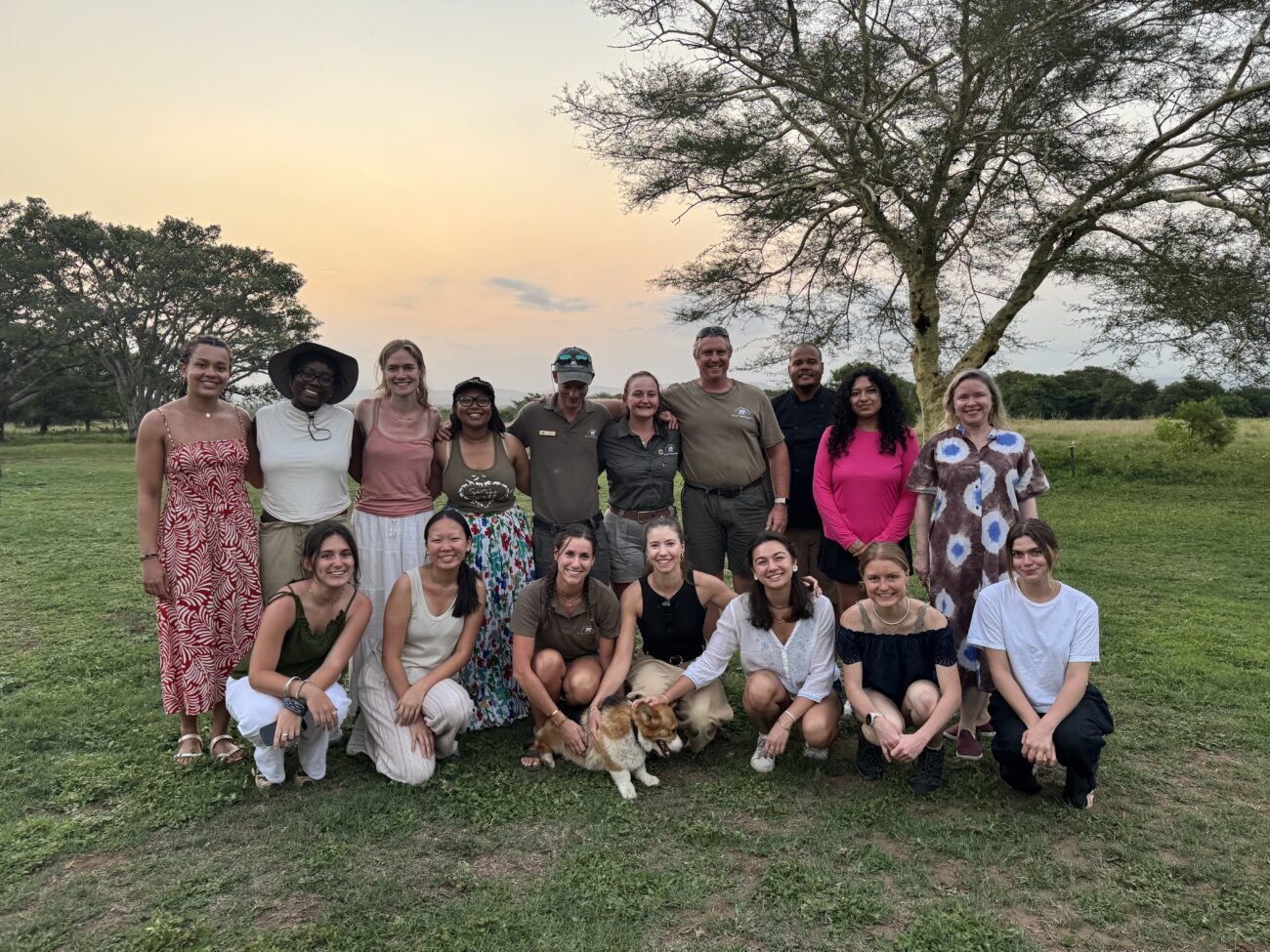
Conservationists face moral injury from witnessing environmental harm without adequate support, highlighting the psychological toll of their commitment to protecting the planet.
Non-profit organizations
fromNonprofit Quarterly | Civic News. Empowering Nonprofits. Advancing Justice.
1 week agoEarth Day Is for the Planet. What About the People Protecting It? | Nonprofit Quarterly | Civic News. Empowering Nonprofits. Advancing Justice.
Conservationists face moral injury from witnessing environmental harm without adequate support, highlighting the psychological toll of their commitment to protecting the planet.
fromwww.independent.co.uk
1 week agoExploring barefoot trails on 2 continents as a way to connect with nature this Earth Day
Barefoot trails exist around the world, inviting people to get closer to nature through sounds and sensations. Feeling cool mud squish between toes, stepping on pine needles and exploring meditation caves transforms a routine walk into an immersive experience.
Berlin
fromState of the Planet
6 days agoIndigenous Herders and Peru's Melting Glaciers: A Conversation with Anthropologist Allison Caine
Caine's book explores the ways of life in Chillca, a small community on the flanks of Mount Ausangate in Peru, 14,000 feet above sea level. In this village of 350 people, women are the primary pastoralists, tending to herds of alpacas, llama and sheep.
Books
fromTravel + Leisure
2 days agoThis Western State Erupts With Wildflowers Every Summer-and These Are the Best Places to See Them
"Wildflower bloom times are tied to elevation. Some plants live in lower elevations and start to bloom earlier, whereas some native plants make their homes in high alpine meadows that are still covered in snow when the lower-elevation plants have already finished blooming."
Skiing

fromwww.npr.org
1 week agoAnimal activists celebrate their first global 'Sanctuary Day'
Jessica Wallace, who has a degree in equine sciences, bought the four-acre property to have a home for her horse. She says now her mission is to provide a safe haven for at-risk animals, especially those that are older and disabled.
Pets
fromHigh Country News
2 days agoAs Roadless Rule rollback looms, grassroots hearings take root - High Country News
Joel Jackson described the Tongass as 'the most beautiful cathedral you will ever walk into,' emphasizing its importance to the Kake community and their ancestral ties to the land.
Environment
fromCN Traveller
1 week ago7 natural wonders of the world for 2026 that have us awe-struck
The planet's most powerful landscapes rarely announce themselves with trumpet blasts and celeb-drenched opening ceremonies. They are places shaped slowly, by water, wind and ice, and are best understood through patience rather than spectacle.
Environment
fromTravel + Leisure
1 month ago10 of the Greenest Places to Visit on Earth for a Lush Getaway in Nature
According to color psychology, this soothing shade helps decrease stress and improve focus-and travelers can reap these much-deserved benefits in lush landscapes around the world. Here are 10 of the greenest places on earth, which combine serenity with unforgettable adventures.
Miscellaneous
Social justice
fromNature
2 months agoMy professor said 'Black people are not interested in the environment'. I set out to prove him wrong
Dorceta Taylor pioneered research, programs, and leadership to document and advance racial diversity, inclusion, and environmental justice within environmental science and conservation.
fromHigh Country News
2 months agoIt's time to rethink how we care for our public lands and waters - High Country News
Wildlife populations are in decline. Recreation sites are crowded and often underfunded. Wildfires are larger, more destructive and harder to control. Climate change is reshaping natural systems, from ocean fisheries to mountain snowpacks, faster than institutions can respond. At the same time, communities are being asked to host new energy projects, transmission lines and mineral development - often without clear processes, adequate resources or trust that decisions are being made in the public interest.
Environment
[ Load more ]