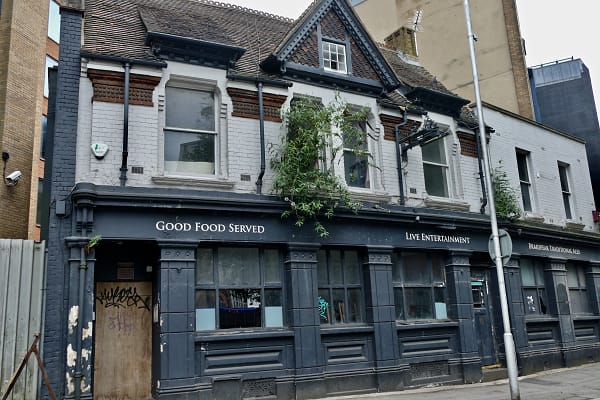
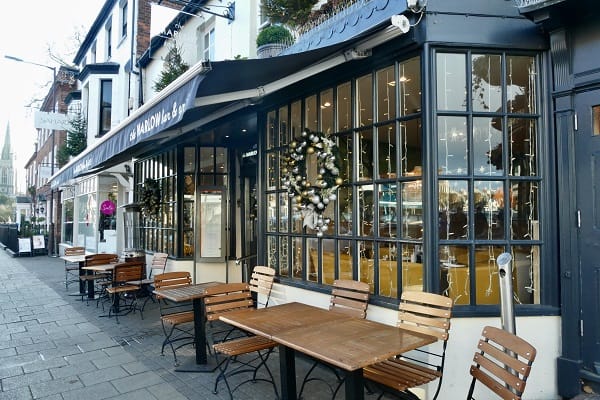
New rules making it much harder to close noisy pubs and clubs could be introduced under a radical plan to protect London's night-time economy. It wants councils to only investigate noise complaints if a minimum of 10 unrelated households complain, to prevent only a handful of vexatious neighbours being able to effectively force pubs and clubs to close early. The taskforce's report said London needs a more modern approach to managing sound in the city and changes to noise enforcement rules.
The council needs to acknowledge that this is residential. We have a public spaces protection order and the police are only on duty until 11pm so any licence beyond that time must be cancelled immediately and new applications turned down.
Later hours don't automatically mean better margins. The proposed liberalisation of the UK's licensing laws has been billed as a win for growth, but for operators, it's a high-risk balancing act. Extending trading hours without re-engineering labour models, sales forecasting, and team scheduling can quickly turn a 'boost' into a cost sink. Stretching staff hours on low sales volumes doesn't build growth. It can erode it. The trends have changed over recent years and already seen many pubs close doors earlier due to low footfall.
Figures from the Night Time Economy Market Monitor, produced with CGA by NIQ, show that post-COVID closures are leaving communities without places to socialise after dark, threatening local culture, jobs, and the wider evening economy. "This is not just a hospitality issue - it's a cultural crisis," said Michael Kill, CEO of the NTIA. "Nightclubs and late-night venues are cultural institutions, economic engines, and cornerstones of community life. Losing them removes vital social and cultural spaces from our towns and cities."
Rising energy, labour, and supply costs, coupled with higher taxation, continue to erode margins for businesses in the night-time economy.