#nonprofit-management
#nonprofit-management
[ follow ]
#philanthropy #leadership #nonprofit #organizational-culture #fundraising #nonprofit-leadership #social-justice
#philanthropy





Non-profit organizations
fromNonprofit Quarterly | Civic News. Empowering Nonprofits. Advancing Justice.
5 hours agoRethinking Wealth and How We Deploy it-Strategically | Nonprofit Quarterly | Civic News. Empowering Nonprofits. Advancing Justice.
Philanthropic funding for left organizations is increasingly threatened by political pressures and requires strategic organizing to counteract authoritarian influences.
Fundraising
fromNonprofit Quarterly | Civic News. Empowering Nonprofits. Advancing Justice.
2 weeks agoBridging Funders to the Front Lines: Pluralism and Greater Philanthropic Opportunity | Nonprofit Quarterly | Civic News. Empowering Nonprofits. Advancing Justice.
Movement-rooted philanthropic intermediaries are essential for addressing future challenges in the nonprofit sector and advancing equity.
Fundraising
fromNonprofit Quarterly | Civic News. Empowering Nonprofits. Advancing Justice.
3 weeks agoPhilanthropy's Drag Coefficient: When Process Costs More Than Failure | Nonprofit Quarterly | Civic News. Empowering Nonprofits. Advancing Justice.
Philanthropy is a financial loss with no return, burdened by excessive processes that consume resources meant for deployment.
Social justice
fromNonprofit Quarterly | Civic News. Empowering Nonprofits. Advancing Justice.
2 days agoThe Fabric of Power: Repatterning Coordination to Weave the World We Deserve | Nonprofit Quarterly | Civic News. Empowering Nonprofits. Advancing Justice.
Liberatory change requires imagining new futures and developing power that differs from traditional theories of power based on domination.
fromFast Company
7 hours agoIs corporate sustainability dead?
We achieved B Corp certification last year for our Philadelphia location, which was a culmination of 15 months of work to improve every aspect of our business to align with positive environmental and social impact. In that process, we developed clear metrics and measurement methodologies around waste and emissions reduction and codified community engagement initiatives.
Marketing
US politics
fromNonprofit Quarterly | Civic News. Empowering Nonprofits. Advancing Justice.
2 days agoHow Progressive Movements Can Speak to Disaffected Voters | Nonprofit Quarterly | Civic News. Empowering Nonprofits. Advancing Justice.
Polling indicates dissatisfaction among Trump voters, suggesting potential for political change as midterm elections approach.
SF real estate
fromNonprofit Quarterly | Civic News. Empowering Nonprofits. Advancing Justice.
1 day agoIs your state becoming uninsurable? We have the latest data. | Nonprofit Quarterly | Civic News. Empowering Nonprofits. Advancing Justice.
The U.S. faces a homeowner's insurance crisis due to rising costs and extreme weather impacts.
#trans-rights

Public health
fromNonprofit Quarterly | Civic News. Empowering Nonprofits. Advancing Justice.
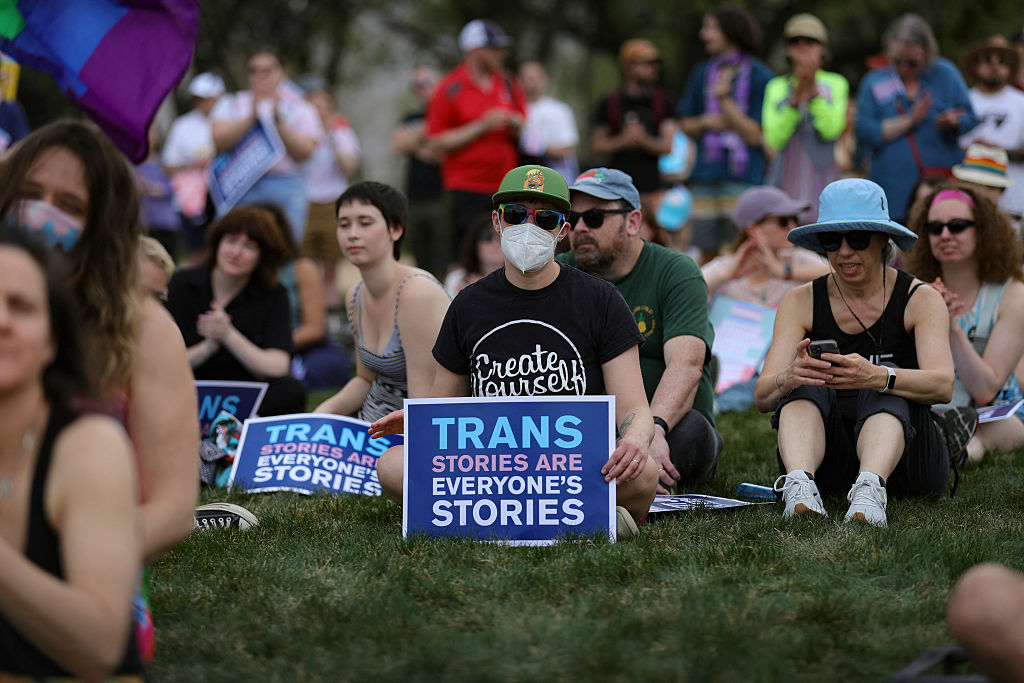
1 day agoEnvisioning More Inclusive Gender-Affirming Care Amid Widespread Attacks | Nonprofit Quarterly | Civic News. Empowering Nonprofits. Advancing Justice.
Trans, intersex, and gender nonconforming adolescents face significant barriers to medical care due to anti-trans policies and funding threats from the Trump administration.

fromwww.aljazeera.com
1 day agoMusk accuses Altman of betraying OpenAI's nonprofit founding mission
Musk testified that he lost confidence in Altman maintaining OpenAI's nonprofit mission, expressing concerns that Altman was trying to steal the charity, which he claims turned out to be true.
Silicon Valley
Law
fromNonprofit Quarterly | Civic News. Empowering Nonprofits. Advancing Justice.
2 days agoHow to Access Legal Aid in the ICE Era | Nonprofit Quarterly | Civic News. Empowering Nonprofits. Advancing Justice.
Navigating the U.S. legal system is complex and expensive, making legal aid essential for those who cannot afford a lawyer.
#nonprofit
Non-profit organizations
fromNonprofit Quarterly | Civic News. Empowering Nonprofits. Advancing Justice.
11 hours agoShould We Rebrand in Today's Tumultuous Climate? | Nonprofit Quarterly | Civic News. Empowering Nonprofits. Advancing Justice.
Rebranding is essential for nonprofits to align their identity with current values and effectively communicate their mission.
Social justice
fromNonprofit Quarterly | Civic News. Empowering Nonprofits. Advancing Justice.
3 weeks agoSpeaking Up Almost Cost Me My Job, but We Built Power Anyway | Nonprofit Quarterly | Civic News. Empowering Nonprofits. Advancing Justice.
Workplace issues stem from structural problems, leading to burnout and low morale among staff in a nonprofit setting.
Fundraising
fromNonprofit Quarterly | Civic News. Empowering Nonprofits. Advancing Justice.
4 weeks agoUsing AI for Fundraising Still Requires Human Strategy | Nonprofit Quarterly | Civic News. Empowering Nonprofits. Advancing Justice.
AI should support strategy in nonprofit fundraising, not replace the essential human elements of trust and relationship building.
fromElectronic Frontier Foundation
14 hours agoDigital Hopes, Real Power: From Connection to Collective Action
Digital rights emerged as a term around the Arab Spring, when the internet was still a fairly unregulated space, we were still trying to figure out the tech companies' policies, and force governments to look at the internet as a fundamental right like water and electricity.
Online Community Development
Agriculture
fromNonprofit Quarterly | Civic News. Empowering Nonprofits. Advancing Justice.
1 week agoA Vision of Food Justice, Collective Care, and Safety | Nonprofit Quarterly | Civic News. Empowering Nonprofits. Advancing Justice.
Food and medicine are interconnected, yet food policy often separates them, impacting access and equity in food justice.
Media industry
fromInside Higher Ed | Higher Education News, Events and Jobs
2 days agoWant to Break Into Public Scholarship? Start Local (opinion)
Linking medieval history to modern conflicts like the Iraq war is dangerous; local engagement in academia is more impactful than aiming for prestigious publications.
Non-profit organizations
fromNonprofit Quarterly | Civic News. Empowering Nonprofits. Advancing Justice.
1 week agoParallel Institutions Are Challenging the Takeover of US Democracy | Nonprofit Quarterly | Civic News. Empowering Nonprofits. Advancing Justice.
Culbertson's employment at NIH was abruptly ended due to political changes under the Trump administration, reflecting broader workforce reductions and policy shifts.
fromPsychology Today
3 days agoAmerican Psychological Association's Actions Speak Louder Than Its Apology
CEMRRAT was established in 1994 after the APA designated ethnic minority education as a priority, with the goal of improving the recruitment and retention of ethnic minorities and addressing systemic barriers to their participation in psychology.
Social justice
Non-profit organizations
fromNonprofit Quarterly | Civic News. Empowering Nonprofits. Advancing Justice.
1 week agoThe Gatekeepers: For-Profit Platforms, Nonprofit Power, and the Risks to Charitable Giving | Nonprofit Quarterly | Civic News. Empowering Nonprofits. Advancing Justice.
The growing reliance on for-profit intermediaries in charitable giving creates a power imbalance that can harm nonprofits and their missions.
Social justice
fromNonprofit Quarterly | Civic News. Empowering Nonprofits. Advancing Justice.
1 week agoHow Unity May Tear Us Apart | Nonprofit Quarterly | Civic News. Empowering Nonprofits. Advancing Justice.
Polarization is a top concern in the U.S., and the concept of unity varies significantly among people, potentially leading to harmful interpretations.
Social justice
fromNonprofit Quarterly | Civic News. Empowering Nonprofits. Advancing Justice.
1 week agoOlder Adults and Volunteerism: A Vital Social Justice Issue | Nonprofit Quarterly | Civic News. Empowering Nonprofits. Advancing Justice.
Volunteers, especially seniors, play a crucial role in nonprofit impact and should be viewed as agents of change rather than burdens on resources.
Left-wing politics
fromNonprofit Quarterly | Civic News. Empowering Nonprofits. Advancing Justice.
1 month agoHow to Undermine Authoritarian Control: On Empowering Parallel Institutions | Nonprofit Quarterly | Civic News. Empowering Nonprofits. Advancing Justice.
Civil society must demonstrate the necessity of democratic institutions and social services to protect them from dismantling efforts by ultra-elites.
Fundraising
fromNonprofit Quarterly | Civic News. Empowering Nonprofits. Advancing Justice.
2 weeks agoWhat If I Freeze with a Major Donor Ask? | Nonprofit Quarterly | Civic News. Empowering Nonprofits. Advancing Justice.
Silence after making a major gift ask is often the hardest part for fundraisers, leading to self-negotiation and smaller donations.
Social justice
fromNonprofit Quarterly | Civic News. Empowering Nonprofits. Advancing Justice.
1 week agoThe Politics of Loving Kindness: Insights from a Birth Equity Initiative | Nonprofit Quarterly | Civic News. Empowering Nonprofits. Advancing Justice.
American politics increasingly tolerates brutal policies, widening inequality, while a vision of loving kindness could foster solidarity and community welfare.
fromEntrepreneur
2 weeks agoWhy Passion Isn't Enough to Scale a Nonprofit
Most nonprofits begin with passion, and for good reason. A founder identifies a critical need and brings together a team that cares deeply enough to act. That kind of energy is what makes the early days possible. It drives long hours, resourceful problem-solving and a deep commitment to impact.
Non-profit organizations
Non-profit organizations
fromNonprofit Quarterly | Civic News. Empowering Nonprofits. Advancing Justice.
2 weeks agoThe Meaningful Reset: Designing Nonprofits to Survive Board-Staff Conflict | Nonprofit Quarterly | Civic News. Empowering Nonprofits. Advancing Justice.
Nonprofit organizations face unique challenges due to emotional investment, leading to conflicts that require careful analysis and intentional resolution.
Media industry
fromNonprofit Quarterly | Civic News. Empowering Nonprofits. Advancing Justice.
4 weeks agoPolitics in an Attention Economy | Nonprofit Quarterly | Civic News. Empowering Nonprofits. Advancing Justice.
Candidates must be cultural figures to succeed in today's American politics, navigating an attention economy shaped by algorithms.
Non-profit organizations
fromNonprofit Quarterly | Civic News. Empowering Nonprofits. Advancing Justice.
2 weeks agoWhy Americans Give: New Research Finds 5 Distinct Profiles for Generosity | Nonprofit Quarterly | Civic News. Empowering Nonprofits. Advancing Justice.
Generosity in the U.S. is diverse and varies by individual motivations and demographics, contrary to the belief that it has eroded.
#nonprofit-leadership
Non-profit organizations
fromNonprofit Quarterly | Civic News. Empowering Nonprofits. Advancing Justice.
4 weeks agoHow Dissolving Your Nonprofit Can Strengthen the Sector | Nonprofit Quarterly | Civic News. Empowering Nonprofits. Advancing Justice.
Nonprofit leaders must sometimes choose to dissolve organizations intentionally rather than forcing survival in a weakened state.


Non-profit organizations
fromNonprofit Quarterly | Civic News. Empowering Nonprofits. Advancing Justice.
2 months agoIn an Era of Constant Change, Nonprofits Must Foster Learning Cultures | Nonprofit Quarterly | Civic News. Empowering Nonprofits. Advancing Justice.
Nonprofit leaders must build organizational resilience and adaptability into their culture and strategy rather than treating crises as temporary disruptions to survive.
Non-profit organizations
fromNonprofit Quarterly | Civic News. Empowering Nonprofits. Advancing Justice.
4 weeks agoHow Dissolving Your Nonprofit Can Strengthen the Sector | Nonprofit Quarterly | Civic News. Empowering Nonprofits. Advancing Justice.
Nonprofit leaders must sometimes choose to dissolve organizations intentionally rather than forcing survival in a weakened state.
Non-profit organizations
fromNonprofit Quarterly | Civic News. Empowering Nonprofits. Advancing Justice.
2 months agoIn an Era of Constant Change, Nonprofits Must Foster Learning Cultures | Nonprofit Quarterly | Civic News. Empowering Nonprofits. Advancing Justice.
Nonprofit leaders must build organizational resilience and adaptability into their culture and strategy rather than treating crises as temporary disruptions to survive.
Non-profit organizations
fromNonprofit Quarterly | Civic News. Empowering Nonprofits. Advancing Justice.
4 weeks agoAI in the Nonprofit Sector Is a Question of Governance, Not Just Technology | Nonprofit Quarterly | Civic News. Empowering Nonprofits. Advancing Justice.
Nonprofits face a critical choice in shaping AI governance or risk external control over its implementation and impact.
fromNonprofit Quarterly | Civic News. Empowering Nonprofits. Advancing Justice.
2 months agoThis Is Not a Retreat | Nonprofit Quarterly | Civic News. Empowering Nonprofits. Advancing Justice.
The change in the administration's tactics in Minneapolis is not a retreat. Instead, they are regrouping and planning another mode of attack, with the hopes that their repression might be met with resistance that is easier to control and contain. People who garner their relevancy and power through the dehumanization and oppression of others will do whatever it takes to cling to their soulless sense of self.
US politics
fromNonprofit Quarterly | Civic News. Empowering Nonprofits. Advancing Justice.
1 month agoYou Don't Have to Be Unionized to Be United | Nonprofit Quarterly | Civic News. Empowering Nonprofits. Advancing Justice.
The labor of this kind of organizing was invisible and deeply exhausting. In a precarious workplace, where a so-called 'performance review' could amount to job loss, organizing meant building a bridge while standing on it.
Social justice
Marketing
fromForbes
1 month agoMarketing 'Best Practices' That May Be Holding Your Nonprofit Back
Nonprofits should challenge outdated marketing practices by prioritizing leader visibility, impact-focused messaging, and relationship-building over transactional approaches to build stronger audience connections and sustainable growth.
fromwww.theguardian.com
2 months agoReaders reply: what would be the most socially useful way to spend a billion dollars?
I've always thought it would be good to acquire an old warehouse in every town throughout the land and convert it into low-rent community workspaces for artists, local charities and small businesses getting off the ground. A kind of people's WeWork. What would others do with a humungous, but not unlimited, pile of dosh to benefit society? Roland Freeman, West Yorkshire Send new questions to nq@theguardian.com.
Left-wing politics
fromHarvard Business Review
1 month agoTreat Nonprofits as Strategic Partners, Not Just Philanthropic Recipients
Most for-profit companies still confine nonprofit relationships to corporate philanthropy. Donations flow through foundations, annual reports highlight community contributions, and nonprofit engagement is framed as evidence of corporate responsibility.
Non-profit organizations
fromNonprofit Quarterly | Civic News. Empowering Nonprofits. Advancing Justice.
2 months agoPhilanthropy Must Defend the Right to Bear Witness | Nonprofit Quarterly | Civic News. Empowering Nonprofits. Advancing Justice.
"Are you okay?" These were Alex Pretti's last words, said to a woman after ICE agents had tackled and pepper-sprayed her. Videos from bystanders show Pretti holding up a phone, attempting to document what was happening before he himself was pepper-sprayed, wrestled to the ground, and killed by those officers. He lost his life not for committing violence, but for documenting it, and stepping in to protect someone facing it.
US politics
Online Community Development
fromNonprofit Quarterly | Civic News. Empowering Nonprofits. Advancing Justice.
2 months agoWellbeing Is Infrastructure | Nonprofit Quarterly | Civic News. Empowering Nonprofits. Advancing Justice.
NPQ launches a seven-part series examining how technology, systems, and processes shape workplace wellbeing and organizational sustainability in nonprofits.
US politics
fromNonprofit Quarterly | Civic News. Empowering Nonprofits. Advancing Justice.
2 months agoThe Long-Term Futures Work of Building a Better Democracy | Nonprofit Quarterly | Civic News. Empowering Nonprofits. Advancing Justice.
Sustained long-term strategies and expanded democracy-focused infrastructure are required to address rising attacks and root causes beyond short-term responses.
Non-profit organizations
fromNonprofit Quarterly | Civic News. Empowering Nonprofits. Advancing Justice.
1 month agoDisability Inclusion Isn't "Special Needs"-It's Smart Philanthropy | Nonprofit Quarterly | Civic News. Empowering Nonprofits. Advancing Justice.
Cuts to special education oversight threaten funding and services for millions of children with disabilities, risking progress in disability inclusion.
Non-profit organizations
fromNonprofit Quarterly | Civic News. Empowering Nonprofits. Advancing Justice.
1 month agoSeat at the Table, No Vote in the Box: Finding the Governance "Sweet Spot" | Nonprofit Quarterly | Civic News. Empowering Nonprofits. Advancing Justice.
Executive directors should not hold voting seats on boards due to fundamental conflicts of interest in self-oversight and governance.
Fundraising
fromNonprofit Quarterly | Civic News. Empowering Nonprofits. Advancing Justice.
2 months agoWho's Doing the Work? How to Shift Power and Not Just Workloads | Nonprofit Quarterly | Civic News. Empowering Nonprofits. Advancing Justice.
Authentic community participation in philanthropy requires affected communities to actively shape strategy, influence funding decisions, and hold funders accountable, moving beyond traditional top-down donor-controlled models.
fromNonprofit Quarterly | Civic News. Empowering Nonprofits. Advancing Justice.
1 month agoRotating the Clipboard Built Our Workplace Democracy | Nonprofit Quarterly | Civic News. Empowering Nonprofits. Advancing Justice.
Losing staff could be detrimental to the projects we worked on, and there was a growing dissatisfaction with how meetings were run. These mostly one-sided discussions left the quieter half of us feeling pushed aside, like our thoughts didn't matter much. If things stayed this way, I worried the good people on our team would start quitting one by one.
Non-profit organizations
fromNonprofit Quarterly | Civic News. Empowering Nonprofits. Advancing Justice.
2 months agoBalancing Transparency and Timeliness in Organizational Decision-Making | Nonprofit Quarterly | Civic News. Empowering Nonprofits. Advancing Justice.
Dear Transparency-Committed Reader, You're not alone. So many of us want decision-making to reflect our collective values (like transparency, care, and shared power), but it's hard to actually put those values into practice. That gap between what we believe and how we decide can be frustrating. And getting stuck in the process is a common concern I hear from groups. I am happy to share, though, that decision-making doesn't have to be a nightmare.
Fundraising
Fundraising
fromNonprofit Quarterly | Civic News. Empowering Nonprofits. Advancing Justice.
1 month agoInformation as Civic Infrastructure-and How Philanthropy Can Support the Ecosystem | Nonprofit Quarterly | Civic News. Empowering Nonprofits. Advancing Justice.
Philanthropy should prioritize funding the information ecosystem as foundational infrastructure, since well-designed programs fail without reliable, trusted information enabling public understanding and collective decision-making.
[ Load more ]