OMG science
fromwww.scientificamerican.com
5 days agoA curious secret of color vision revealed by scientists
The eye focuses on the most prominent color in the environment, not just the brightest or middle wavelengths of light.
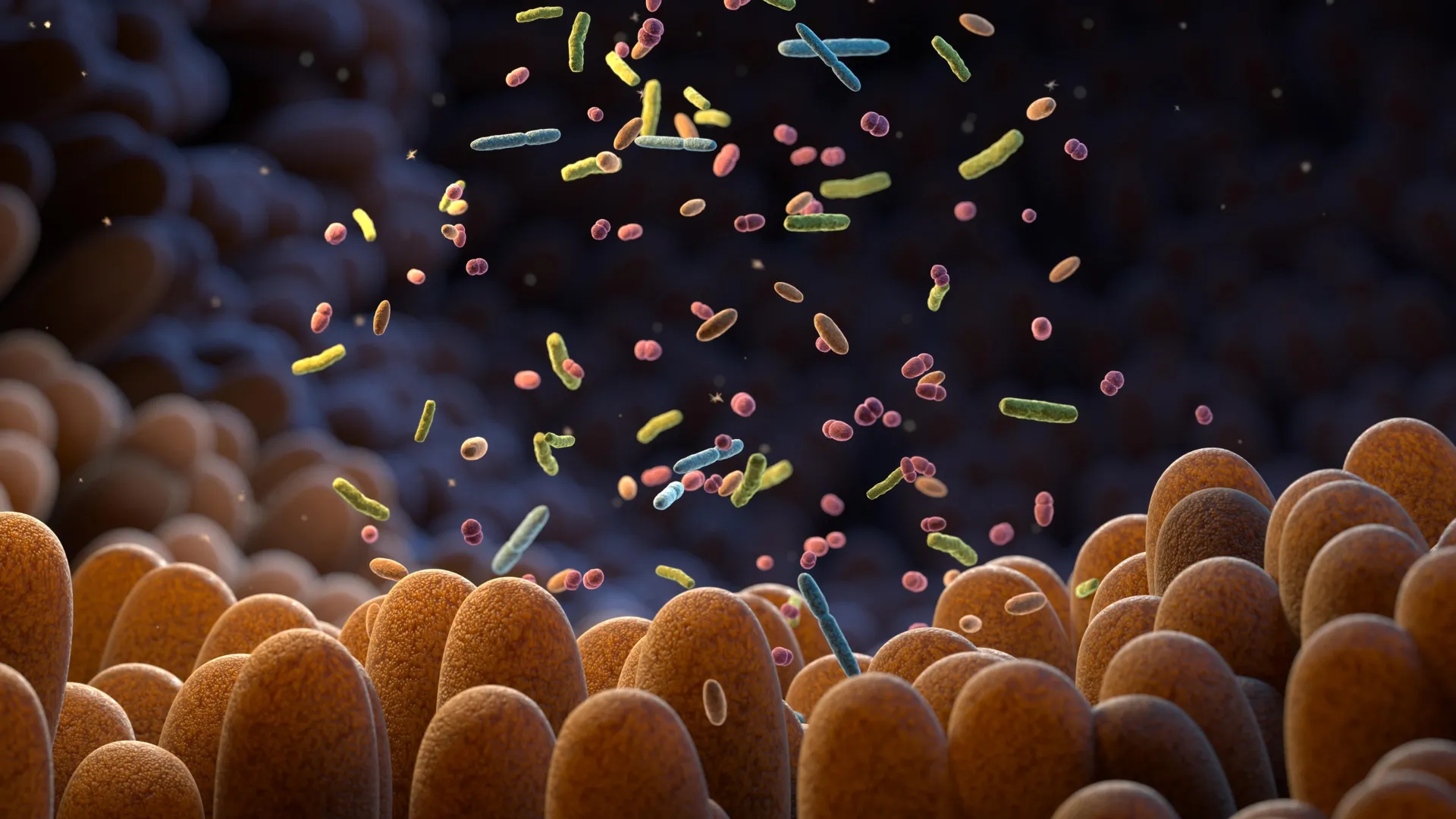
There are some communities that are very unhealthy where the diversity is higher. Low diversity is not a universal marker. We found something that at first seemed surprising. That a healthy microbiome has lots of competition. These bugs are all going after the same food. In an unhealthy gut, on the other hand, you see tight cooperation - microorganisms are helping each other out.
Gut bacteria are crucial to ensuring healthy digestion and defecation. But two species of bacteria may also be the cause of constipation: according to a new study, Bacteroides thetaiotaomicron and Akkermansia muciniphila appear to work in concert to break down colonic mucin, the slimy coating in our colons that keeps our poo moving along. Too little mucin means a drier and more constipation-prone colon.
Blindness is a very scary disability, says Prof Lauren Ayton, deputy director of the Centre for Eye Research Australia at the University of Melbourne. But people don't realise actually about 90% of vision loss can be prevented or treated. And like many other problems, keeping the eyes healthy so often comes down to good diet, keeping active, and regular check-ups.
A virus that sickens marine mammals has been detected in Arctic waters for the first time. Scientists used drones armed with petri dishes to collect samples of blow - the air and mucus whales expel from their blowholes - from whales in northern Norway. The team identified cetacean morbillivirus in samples from humpback whales ( Megaptera novaeangliae) and one sperm whale ( Physeter macrocephalus), though the humpbacks showed no symptoms of disease.
To make their discovery, researchers examined donated eye tissue from more than 100 people who had died with Alzheimer's, mild cognitive impairment or no signs of dementia. They were looking specifically for C. pneumoniae, because previous research has already linked it to Alzheimer's. The bacteria has also been detected in brain tissue from patients who died with the condition, sometimes found close to the sticky amyloid plaques and tangles believed to drive memory loss and confusion.