New York City
fromStreetsblog New York City
13 hours agoMonday's Headlines: Citi Bike's New Feature Edition - Streetsblog New York City
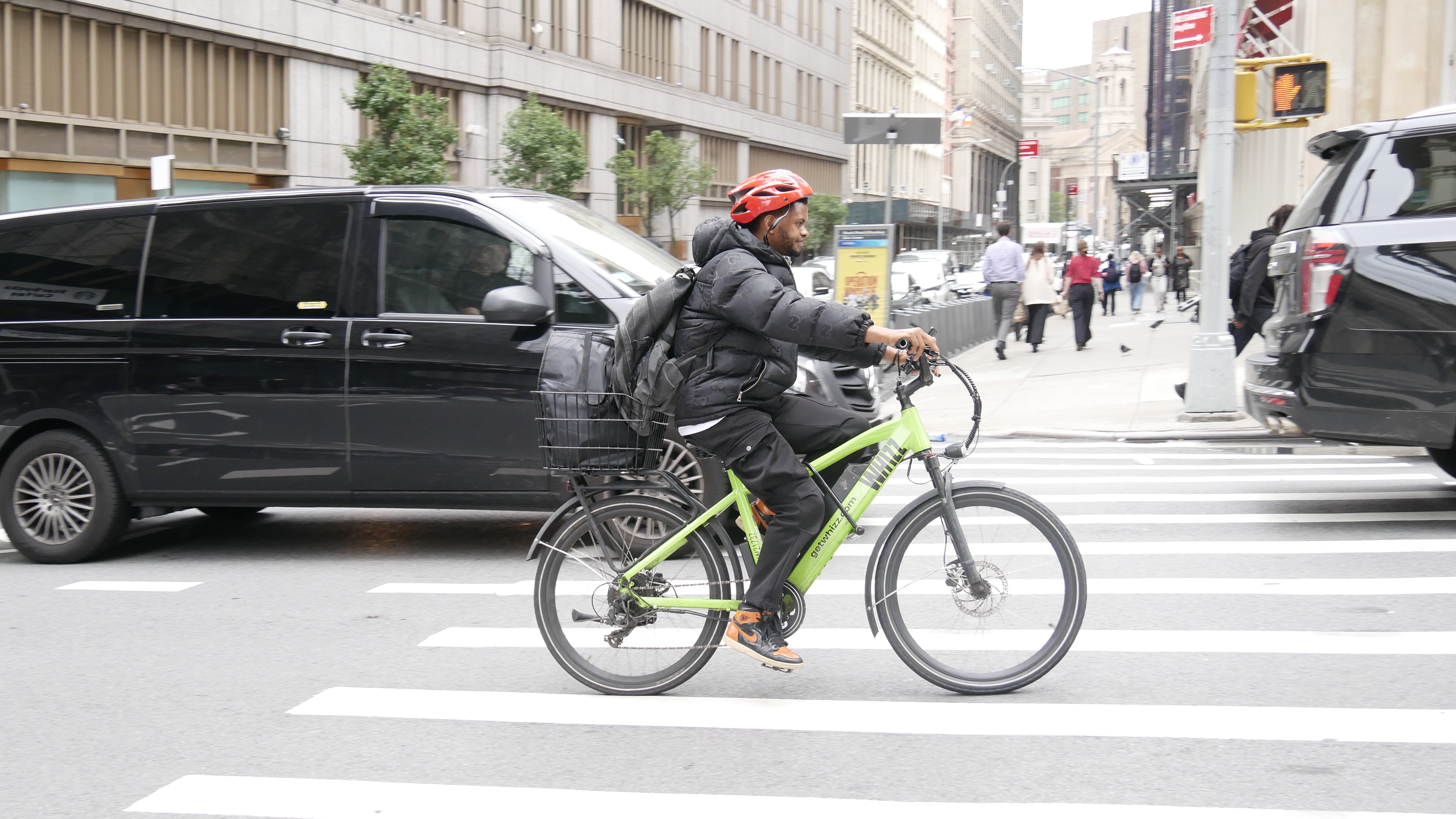
Citi Bike is introducing cellphone mounts on e-bikes to enhance safety and convenience for riders.
Corentin Roudaut, who once felt overwhelmed by Paris's traffic, found renewed confidence in cycling after the establishment of a segregated bike lane on Boulevard Voltaire. He now actively participates in promoting cycling in the city, witnessing a remarkable transformation in urban mobility and safety over the last decade.
"This project is symbolic of what we've done over the last 12 years, reshaping the streets and the city," Christophe Najovski, the city's deputy mayor in charge of green spaces, stated during the opening ceremony.
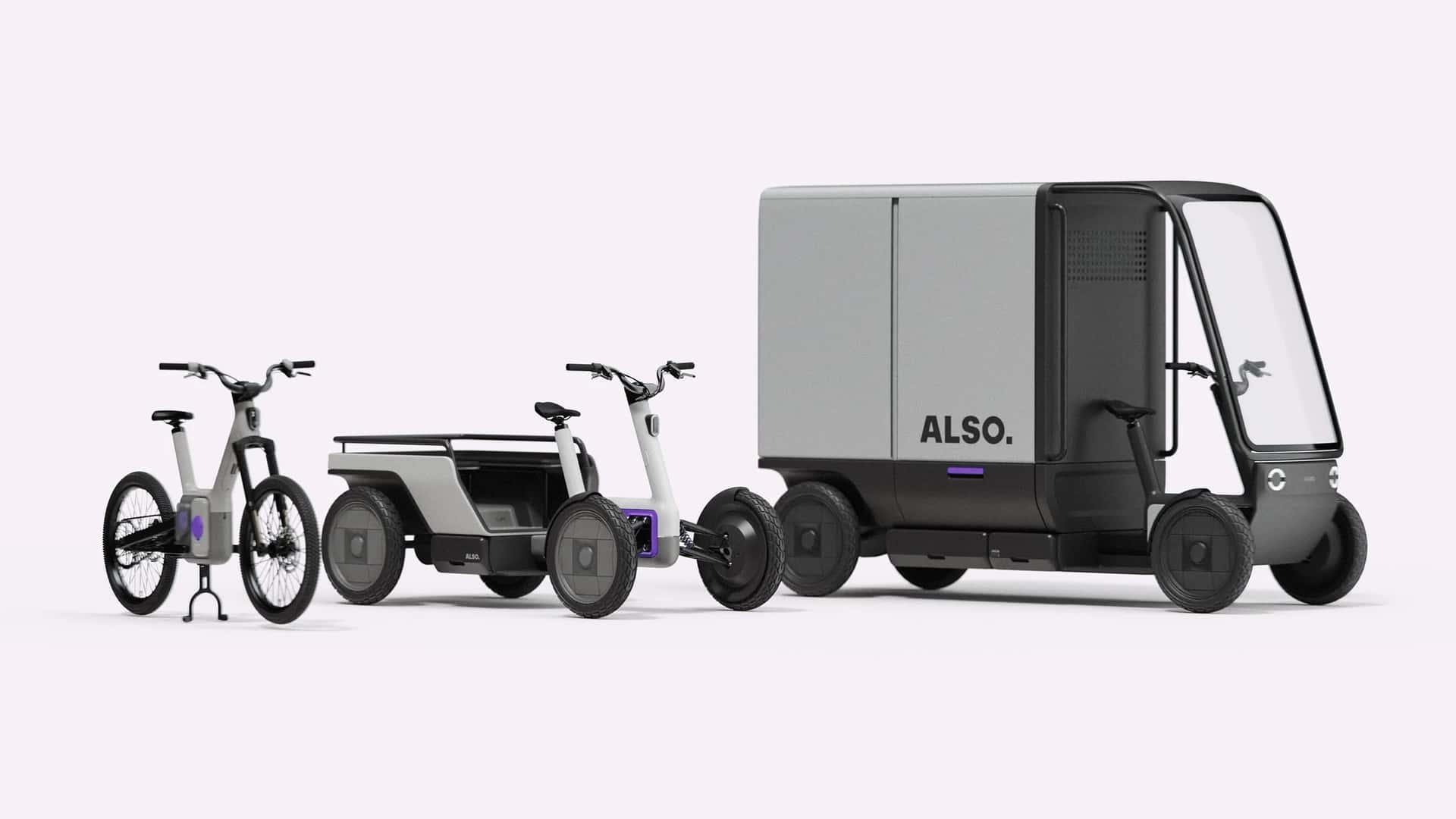
DoorDash's investment in Also aims to develop and accelerate the deployment of autonomous delivery at scale, focusing on areas not yet fully solved for, including intersections of roadways and bike lanes.
Rad Power Bikes, a buzzy electric bike company that raised nearly $330 million in venture capital, filed for Chapter 11 bankruptcy protection in December. The company had struggled for months prior to its bankruptcy filing, and had warned employees it might have to shut down without new capital.
It's tempting to frame autonomous driving as a single leap. In public transport, adoption tends to be incremental - because the system is built for reliability, and new capabilities have to fit into daily operations without disrupting service. That is why a practical strategy is evolution, not revolution: introduce autonomy in a defined domain, learn safely in real operations, and expand capability step-by-step.
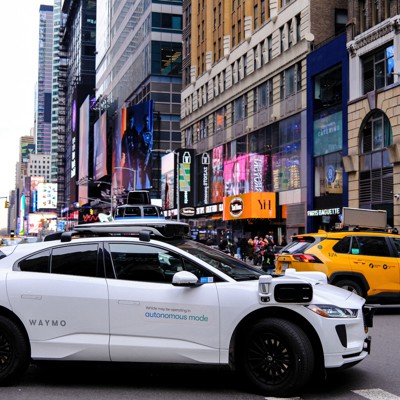
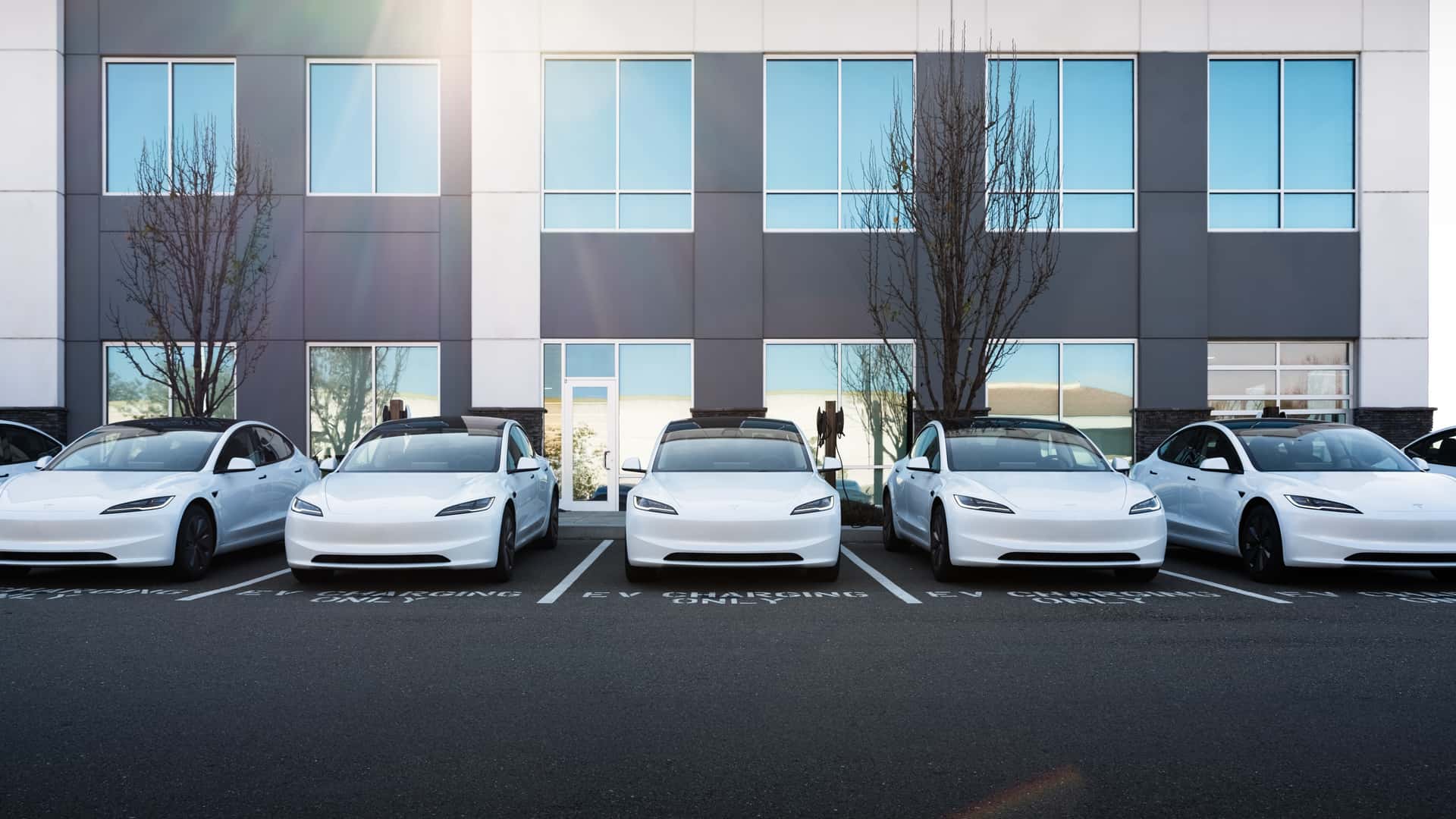
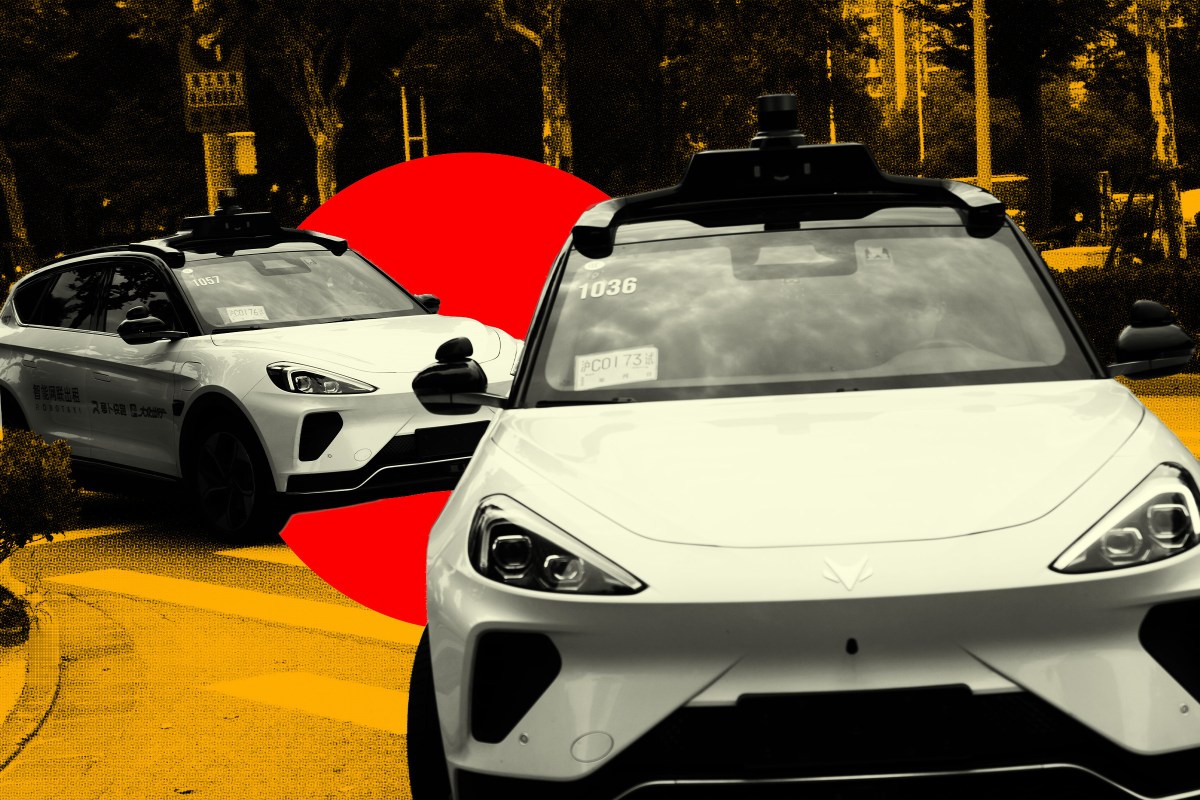
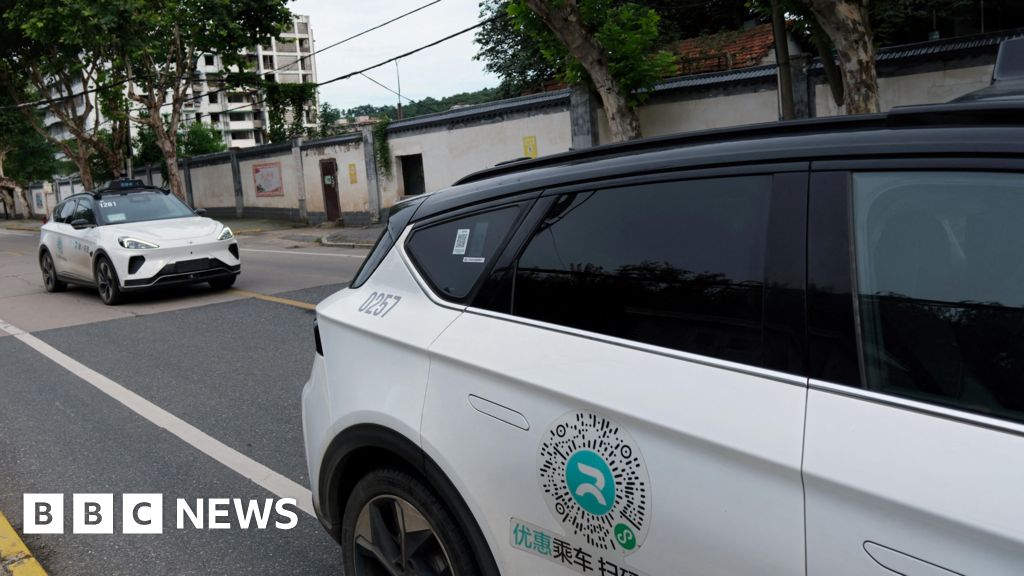
The robotaxi takeover - assuming they take over - will also be a real estate story. As Waymo, Uber, Tesla, and other competitors race to flood the streets with fully autonomous cars, robotaxi operators will need to find places to park, charge, and maintain their vehicles. Voltera, a charging infrastructure company based in Palo Alto that has partnered with Alphabet-backed Waymo, is buying up real estate now to prep for the AV boom.
For more than a decade, autonomous buses have been "almost ready." Demonstrations with safety drivers began around 2015, and ten years later, this is still largely what we see. The reason is not a lack of ambition - it is physics, safety, and economics. Autonomous buses on city streets are inherently difficult. They carry dozens of passengers, operate as heavy vehicles, and move through a chaotic urban environment.
Urban logistics is entering a new era where practical technology drives meaningful results. Today, more than 55% of people live in cities, and urbanization is expected to rise to 68% by 2050, placing intense pressure on delivery networks to keep up with growing demand. U.S. e-commerce is projected to reach $1.1 trillion in sales by 2026, heightening expectations for faster and more reliable last-mile service.
Every city contains two transportation systems. One is the visible network of roads, rail lines, sidewalks, and bus routes mapped in planning documents. The other is the invisible geography of privilege and exclusion embedded within it: the neighborhoods that received highways instead of parks, the communities whose bus routes were cut, the sidewalks that abruptly end at the edge of a district.
Climbing onto the Honda Fastport eQuad is, quite literally, just like getting on a bicycle, except easier. With four wheels and broad diamond-plate running boards on either side, ingress and egress is as simple as swinging my leg over and stepping on and off the pedals, no kickstands involved. This makes sense, as the e-bike-based mini box-truck has been custom designed and constructed by the Japanese transportation company for the constant stop-and-go of urban e-commerce package delivery.