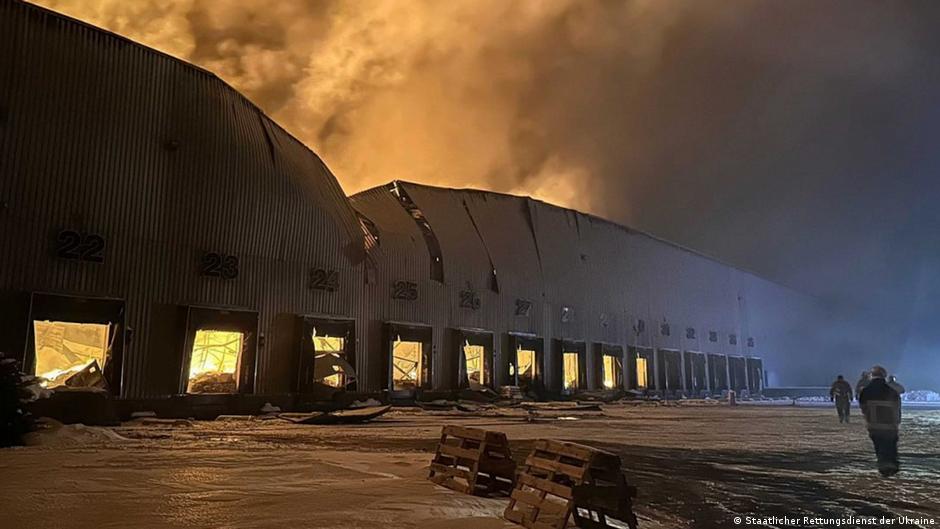
Russian drones and missile strikes hit Kharkiv on Monday, knocking out power to 80% of Ukraine's second-largest city and the surrounding region and striking apartment buildings, a school and a kindergarten, local officials said. Two people were injured, regional governor Oleh Syniehubov said in a video posted on Telegram. Mayor Ihor Terekhov said an energy site had been targeted in the city as night-time temperatures dipped to -14C.
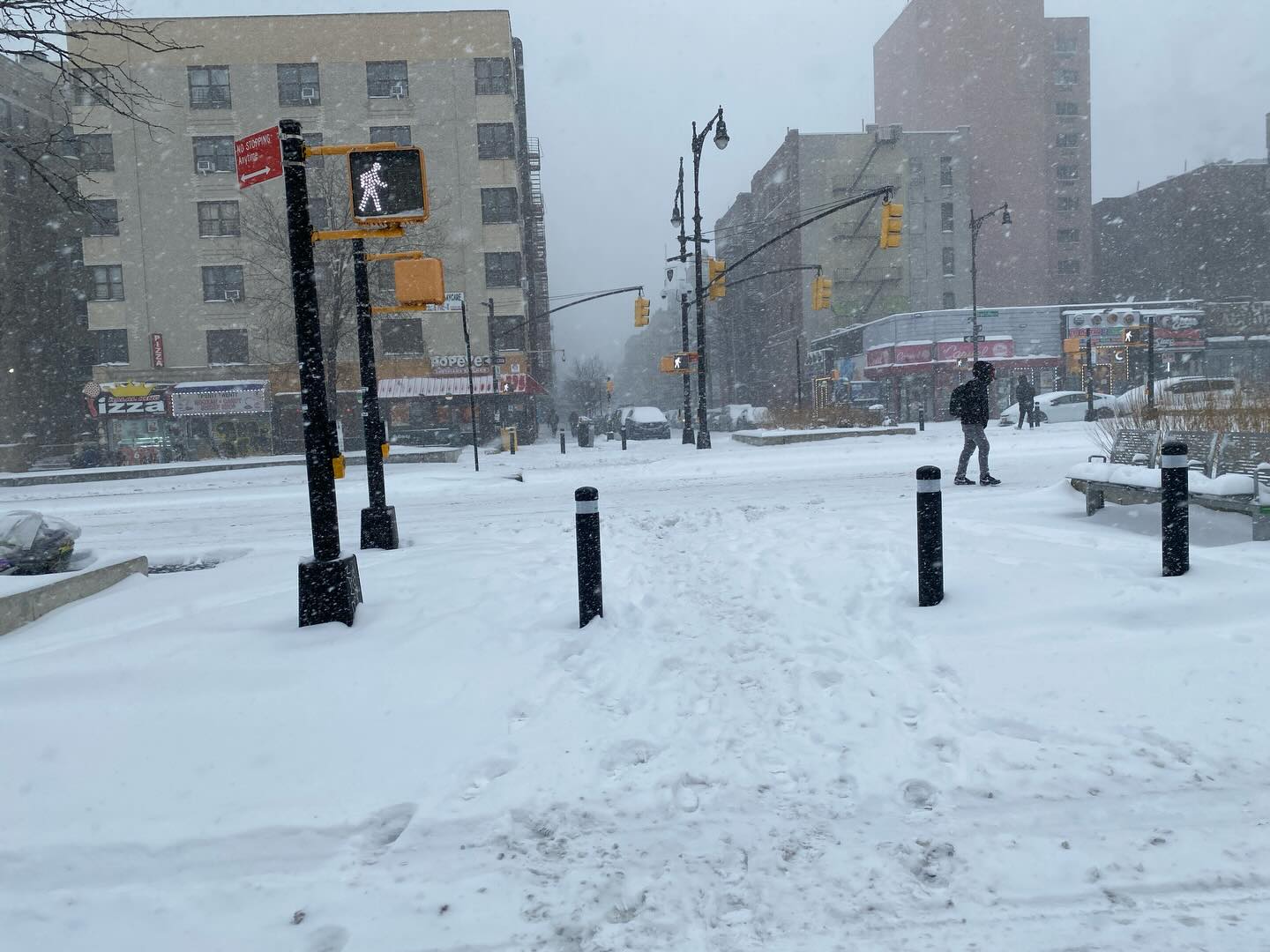
I look at weather.gov a lot. It's not that I need to, for any reason. It's kind of like a tic, or perhaps more accurately, a low-stakes dopamine search. So, the past few days have been somewhat amusing, because the home page of that site was particularly colorful - pinks, light blues, dark blues, purples - for much of the continental United States. Most of my family lives in California; it was fun to send them screenshots going "Hey, most of the country has to deal with this" while they stay blissfully unaware of pretty much anything that isn't within a narrow band of temperatures.
I have two bits of news for you: one good and one bad. Those were the first words Elena Garcia, a 28-year-old web designer, heard when she woke up on the morning of January 3, hours after a United States military operation abducted Venezuelan President Nicolas Maduro and his wife, Cilia Flores. The good news is that the water has arrived, her boyfriend continued. The bad news is that they kidnapped Maduro, and that means that this year we will surely have blackouts.
Ukraine is currently undergoing a particularly cold spell with temperatures in the capital Kyiv reaching lows of minus 17 degrees Celsius. Because of Russia's ongoing destruction of the country's energy infrastructure, the situation is critical. Authorities have imposed strict timetables for when electricity can be used. About 400 high-rise buildings in the capital have no heating at all. Some do not have access to water.
Ukrainian President Volodymyr Zelenskyy said that a state of emergency was being declared for Ukraine's energy sector, after repeated Russian attacks destroyed electricity and heat infrastructure. Zelenskyy said he asked the government to review curfew restrictions during this extremely cold weather. Kateryna Pop, spokeswoman for the Kyiv City Military Administration, said 471 buildings in Ukraine's capital remained without heat on Wednesday as temperatures again dropped to minus 19 degrees Celsius (-2.2 Fahrenheit) overnight, according to Ukraine's Ukrinform news agency.
The change, which follows a 5% rate cut that went into effect Jan. 1, comes on the heels of rising tensions between the utility, its customers and Bay Area leaders. Multiple blackouts just before Christmas and New Year's Day left tens of thousands of San Francisco residents without electricity for several days, drawing widespread attention and even prompting some government officials to call for a shift away from PG&E infrastructure.
PG&E will slash customers' bills in the new year, the utility announced on Tuesday. The utility said the cuts, which will go into effect on Jan. 1, come as "electric prices have stabilized and are going down." PG&E noted that this is the fourth decrease for electric rates in two years. Residential customers are set to receive a decrease of about 5%, which amounts to around $7 per month.