The Drop store, which was acquired by gaming gear giant Corsair in 2023, was a haven for mechanical keyboard enthusiasts and audiophiles to discover and buy hard-to-find gear - sometimes at surprisingly good prices. The company will cease sales after March 25th at 11:59PM PT, which is also the cut off to redeem Drop Rewards.
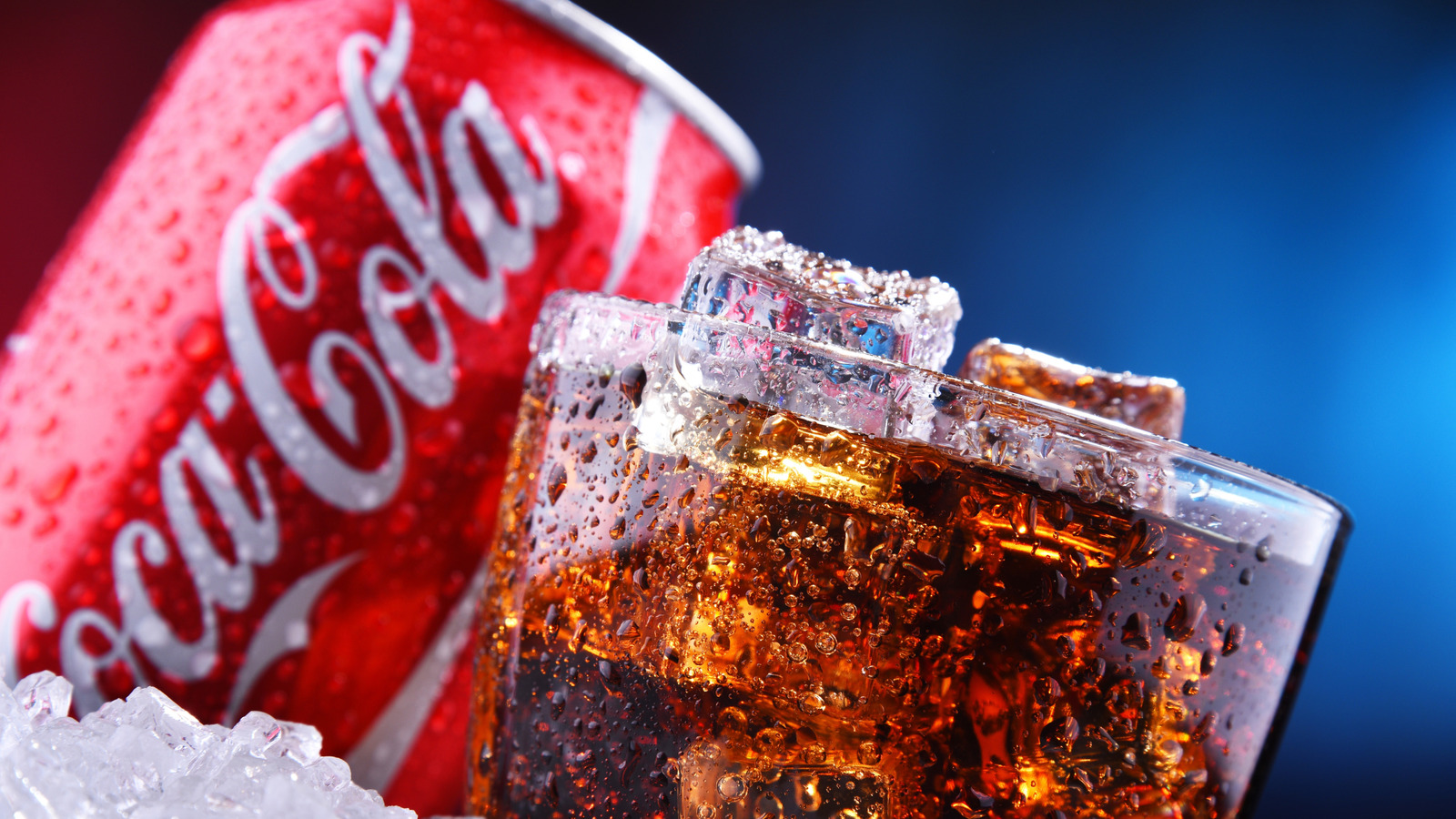
Minute Maid helped make orange juice a year-round morning staple in 1946, when it started shipping cans of frozen juice around the U.S. But 80 years later, the brand's parent company is halting sales of frozen juice concentrates in the U.S. and Canada, saying it wants to focus on the fresh juices that customers now prefer. "We are discontinuing our frozen products and exiting the frozen can category in response to shifting consumer preferences," The Coca-Cola Co., which owns Minute Maid, said Wednesday in a statement.
Minute Maid is discontinuing its line of frozen juices as consumer demand declines and tastes change, and it may have been the only company still selling the concentrated products into the Canadian market. The brand's frozen canned orange juice, lemonade, Fruitopia fruit punch and Five Alive juice blend will be discontinued by April, a spokesperson for parent company Coca-Cola confirmed to CBC News.
Sky Live, a smart camera accessory for the company's line of Sky Glass TVs, will stop working at the beginning of December. "We're proud of the ambition behind [Sky Live]," wrote a Sky representative in a forum post announcing the plans. "It's given us valuable learnings that are helping to shape the future of our products. We have, however, made the difficult decision to discontinue it, in order to focus our investment on what matters most to customers."
If you grew up in the '90s, you probably remember Jell-O Pudding Pops - one of the most iconic frozen treats of the decade. In my memory, they were impossibly creamy, perfectly sweet, and came in those magical swirls of chocolate and vanilla. Unlike regular popsicles, these weren't icy or crunchy - they were smooth and mousse-like, almost like pudding you could eat on a stick. In my house, they never lasted long; if you didn't grab one fast, the box was gone.
Yes, this was a real snack in the '90s. So, if you have a birth year that starts with a 19, you just might remember it. Like so many other treats from the decade (some beloved, some questionable), Pop Qwiz quietly disappeared from shelves not long after its release - left behind in the era of tie dye, Tamagotchis, and VHS tapes.
Gold is currently pushing to an all-time high, and as a color, it has always been a classic. But classic doesn't mean permanent, especially when it comes to the options for Chris King's colorful anodization. That's right, it seems that the time has come to bid farewell to Chris King's classic Gloss Gold colorway. King is closing all of the orders for components in this colorway on October 31st.
The IBM zPDT emulates one or more System z processors, the CPUs used in IBM Z mainframes, on a PC running Linux. This provides a small System z instance capable of running currently supported operating systems, with emulation of selected System z I/O devices and control units. IBM warns that zPDT is strictly intended as a development, demonstration, and learning platform and not designed as a production system, should one be tempted to do this, particularly as x86 boxes lack the famous reliability and availability of Big Blue's big iron.
By the '60s, some protein bars were marketed as diet bars or weight loss bars that would provide energy and nutrients while taking the place of a traditional meal. At the advent of the fitness movement and health revolution of the 1980s, the PowerBar was invented by two distance runners. In the almost 50 years since, we have seen countless versions of so-called "healthy" protein bars, some making more dubious claims than others.
Nestle purchased Carnation Co. in 1985 with a $3 billion deal, meaning production of BonBons fell to Nestle - and it didn't disappoint. With a slight rebrand (from "Bon Bons" to "Nestle BonBons"), Nestle began running its own commercials, including a catchy jingle that teased, "the thing about a BonBon, it's almost always gone-gone." Besides the flavor, these wacky commercials are perhaps what former fans remember the most.
The Protein Blended Cold Brew drinks were mixtures of either almond or coconut milk, Cold Brew, almond butter or cacao, and more, which resulted in a thick and chalky drink. Despite having 12 grams of protein for a grande, they received more negative reviews than positive, leaving customers dissatisfied with the drink’s coarse texture.