#refereeing
#refereeing
[ follow ]
#var #barcelona #champions-league #premier-league #football #uefa #fa-cup #fc-barcelona #atletico-madrid


Soccer (FIFA)
fromwww.fourfourtwo.com
1 week ago'Liam Rosenior deserved more time. Those Chelsea players are lucky to be playing for such a big club. Brighton battered them' Clinton Morrison writes in his Top Top Column for FourFourTwo
The Premier League title race remains competitive, with Arsenal still in contention despite recent challenges.


#bayern-munich


Bayern Munich
fromBavarian Football Works
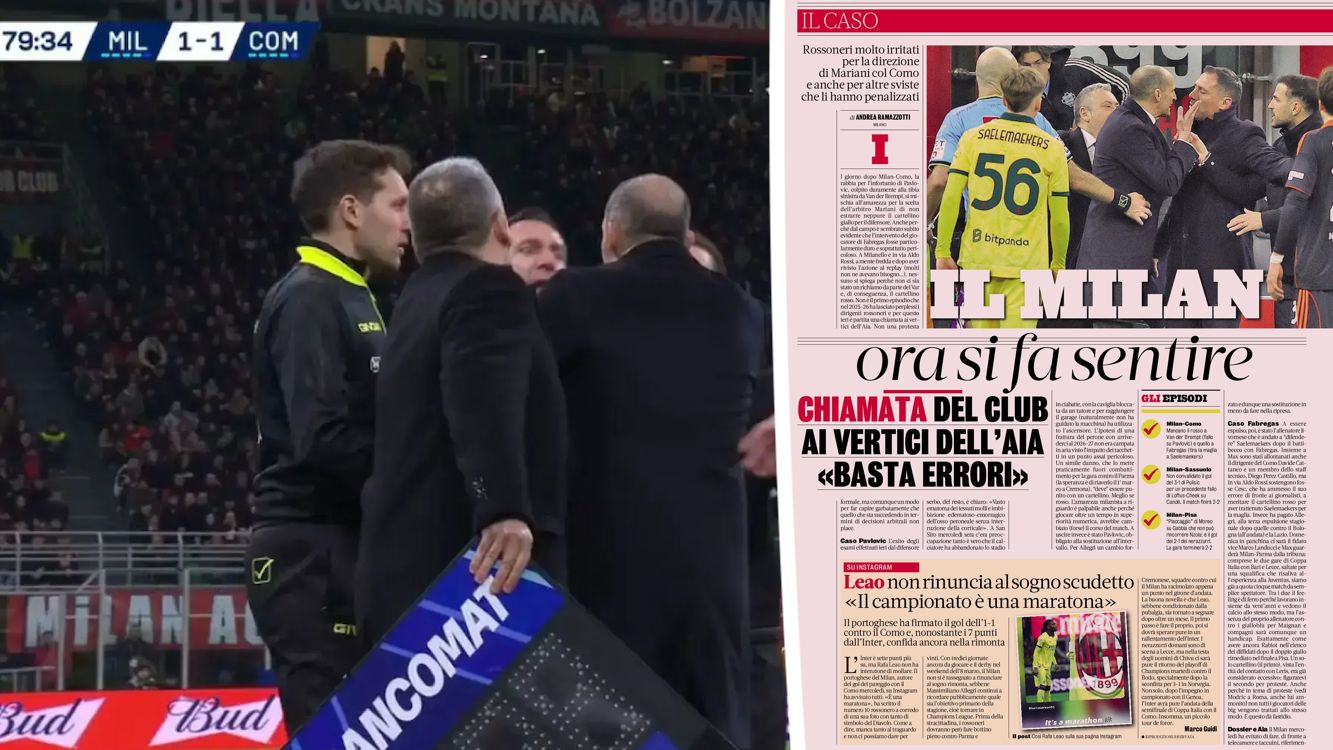
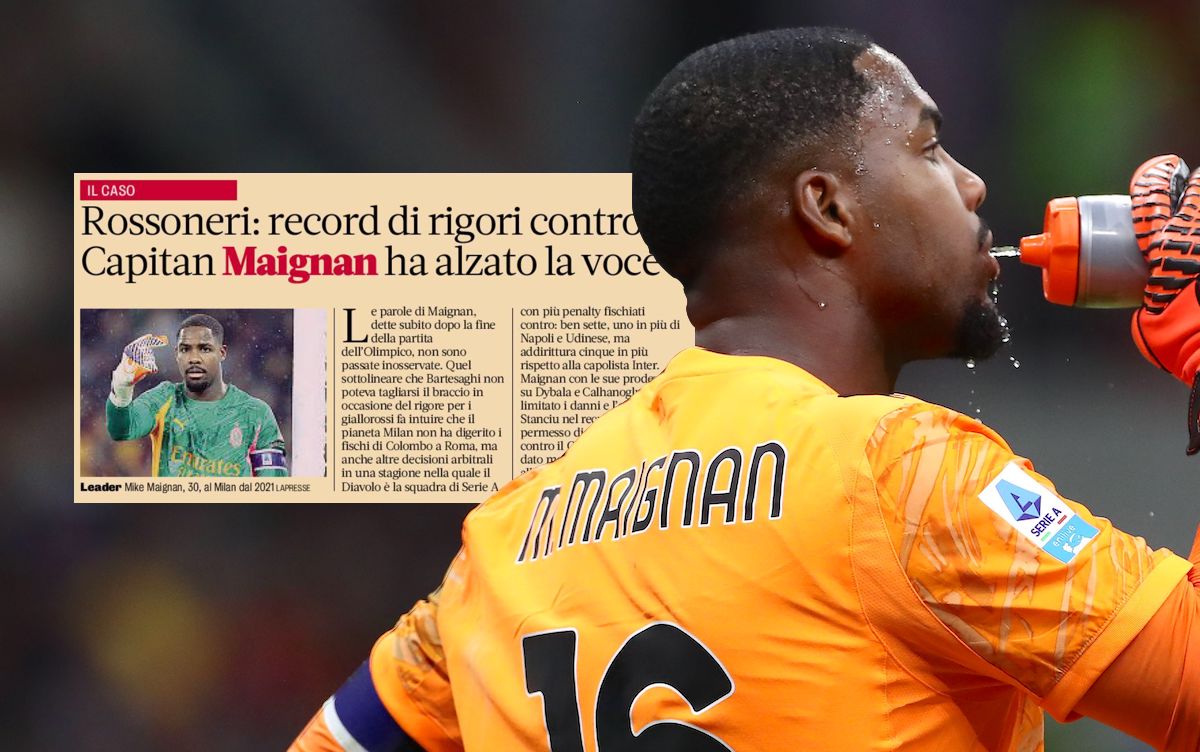
1 month agoUnion Berlin chief stands by his comments, tells Bayern Munich to expect compact structure
Union Berlin's director criticized Bayern Munich's complaints about refereeing, reflecting a broader sentiment among clubs regarding their perceived favoritism.


fromBarca Blaugranes
2 weeks ago'We were robbed' - Raphinha rages at 'very bad' refereeing after Barcelona's Champions League exit
"For me, we were robbed," he told TNT Sports Brasil. "I don't want to talk about the refereeing, but we played extremely well, they committed I don't know how many fouls, and the referee didn't even pull out a single yellow card against them."
FC Barcelona
fromwww.fourfourtwo.com
3 weeks ago'It's clear what's being influenced here' Ivan Toney hits out at Saudi Pro League referee and implies Cristiano Ronaldo's club are being favoured
The big talking point was the two penalties. It's clear as day. I don't know what more you want him to do - pick the ball up with two hands, are you going to give a penalty then or not?
Soccer (FIFA)
fromSoccer News
2 months agoSerie A legends would face constant suspensions in modern day football, claims Juan Jesus - Soccer News
I've spent 15 years in Italy, even when there was a referee behind the goal line. If there are tools to help referees make fewer mistakes, that's great, but from what I see, there's a debate about everything: penalties, free kicks, yellow or red cards. We know the referee is a human being. Today, I don't see any improvement in anything. There's nothing but controversy, with us and with any other team. I think we've taken a step backwards instead of forward.
Soccer (FIFA)
fromwww.bbc.com
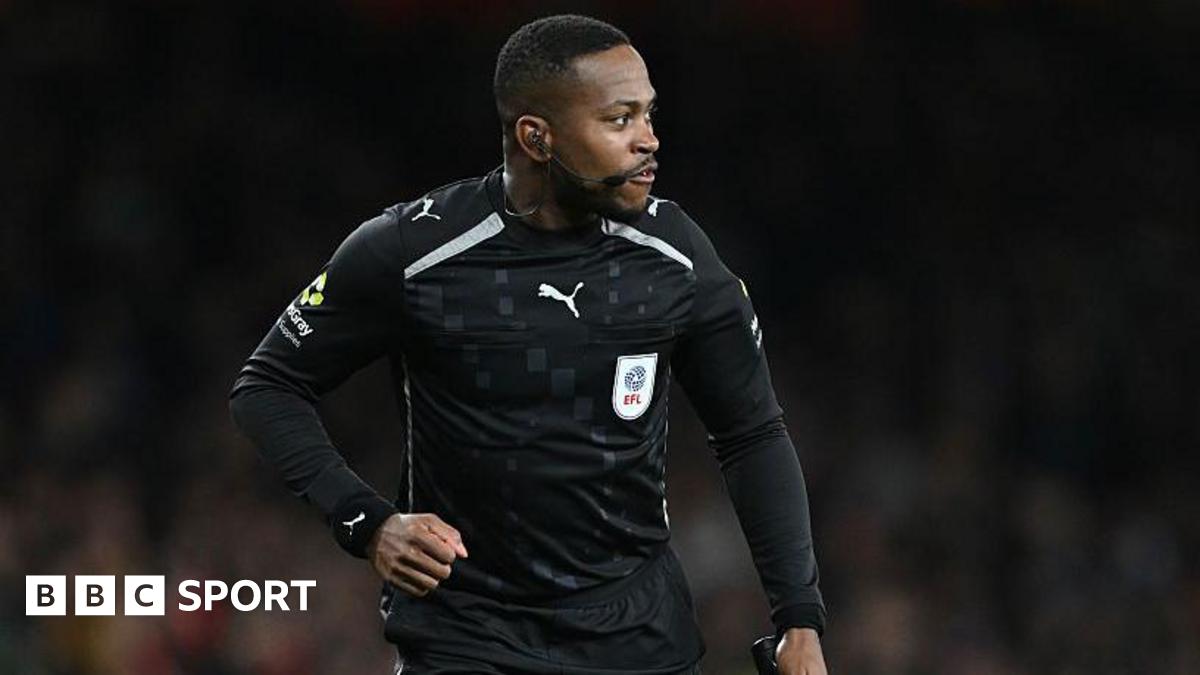
2 months agoBarry-Murphy criticises League One refereeing standards
Our staff put a lot of effort into sending those reports but from now on there's no point. There's no acknowledgement of what we're saying, it's just ignored. We get a reply but the reply is always in agreement with what's happened. It's not good enough. We're not going to waste our time on it, we're going to focus on what we're doing for Cardiff city and try to give our supporters and players the protection they need.
Soccer (FIFA)
FC Barcelona
from101GREATGOALS.COM
2 months agoBarcelona chief goes on the attack and accuses La Liga referees of favouring Real Madrid and Brahim Diaz of diving
Barcelona president Joan Laporta questioned the standard of refereeing, called Real Madrid's last-minute penalty questionable and accused Brahim Diaz of diving.
AC Milan
fromSempreMilan
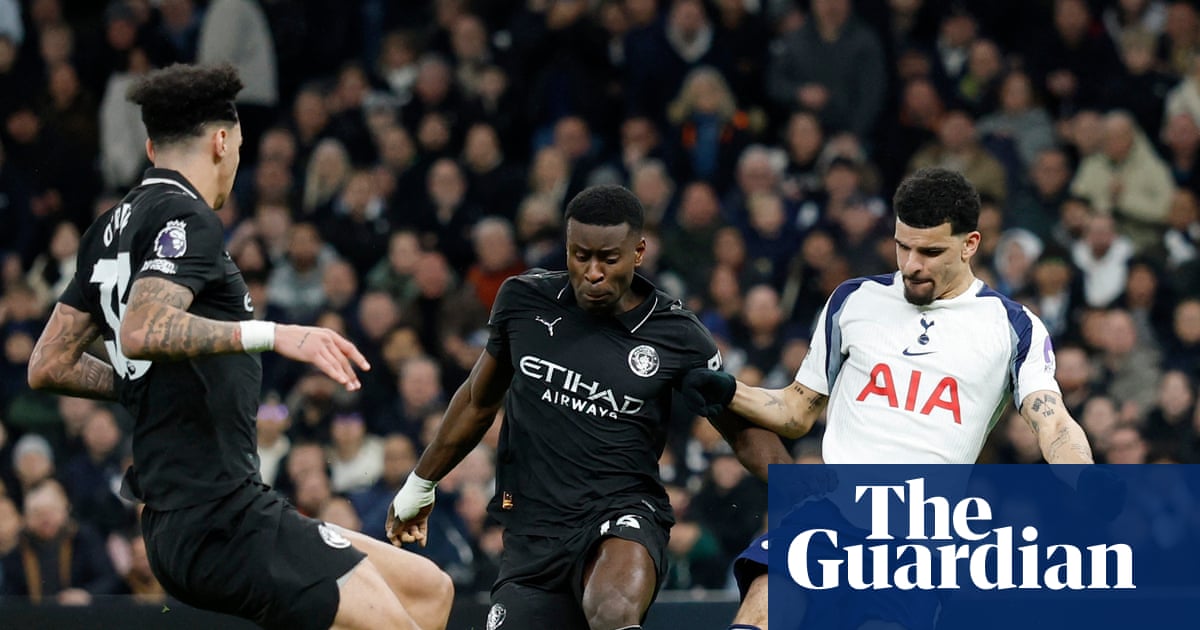
3 months agoReferee Colombo attracts fury from Milan fans after Roma display - what the papers say
Andrea Colombo's officiating in Roma-Milan produced social media controversy over physical interactions and card decisions, while major Italian newspapers still rated his performance positively.
fromwww.bbc.com
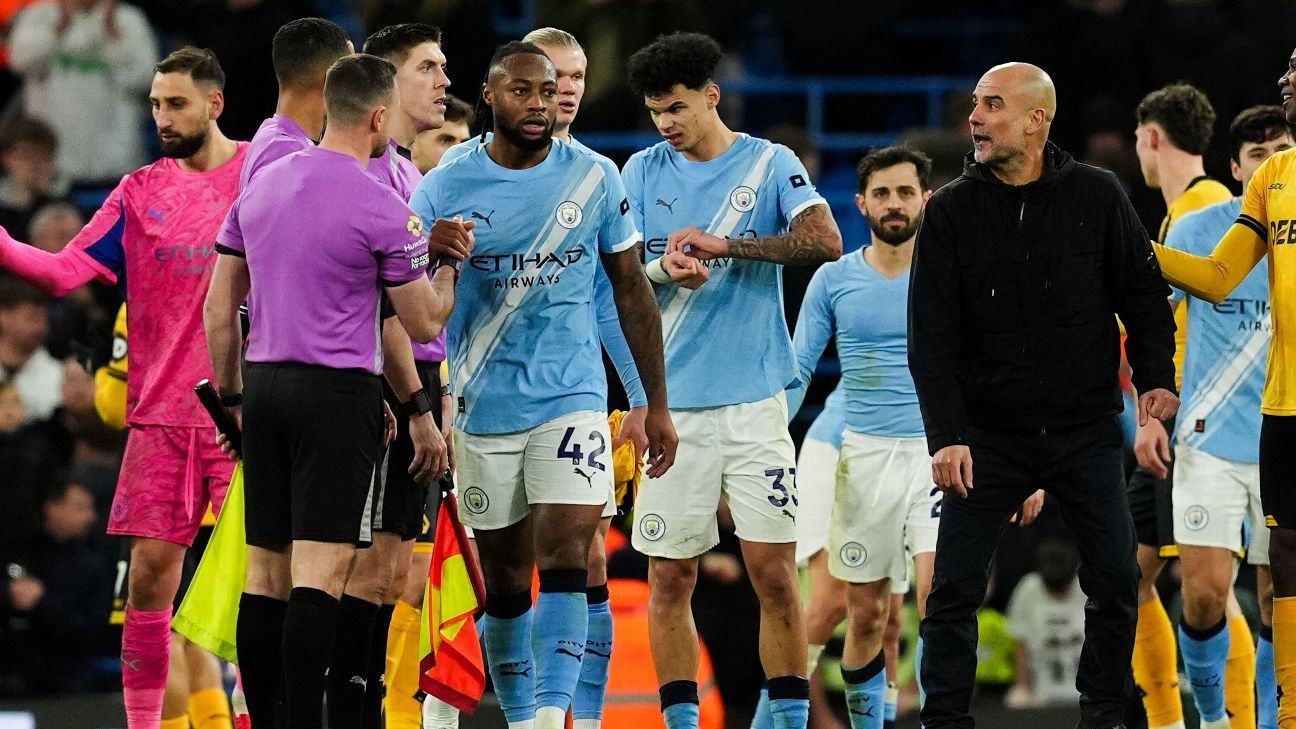
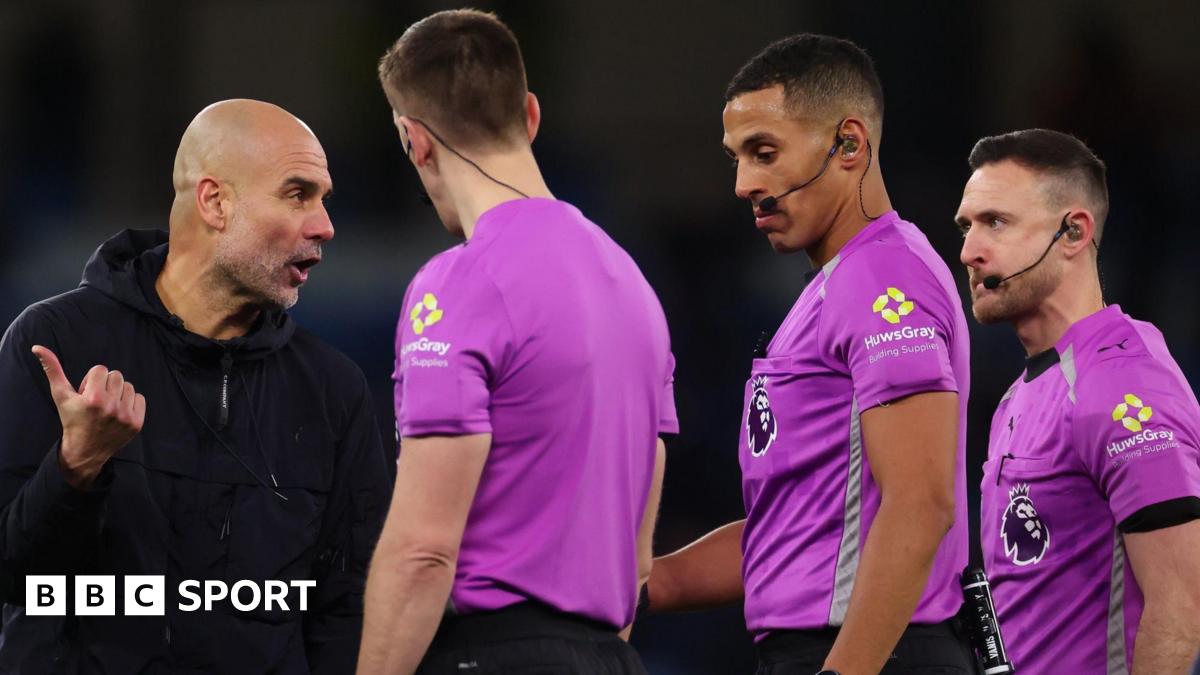
3 months agoRef's 'courageous' call denies Man City penalty on Premier League debut
"After review, the ball hits the arm of the Wolves player, which is in a natural position so the on-field decision will remain," he announced over the tannoy. Former Premier League assistant referee Darren Cann said it was "without doubt the correct decision". "Hallam, officiating in his first Premier League match, made an excellent and courageous call to stick with his on-field decision of no handball," Cann told BBC Sport.
Soccer (FIFA)

fromESPN.com
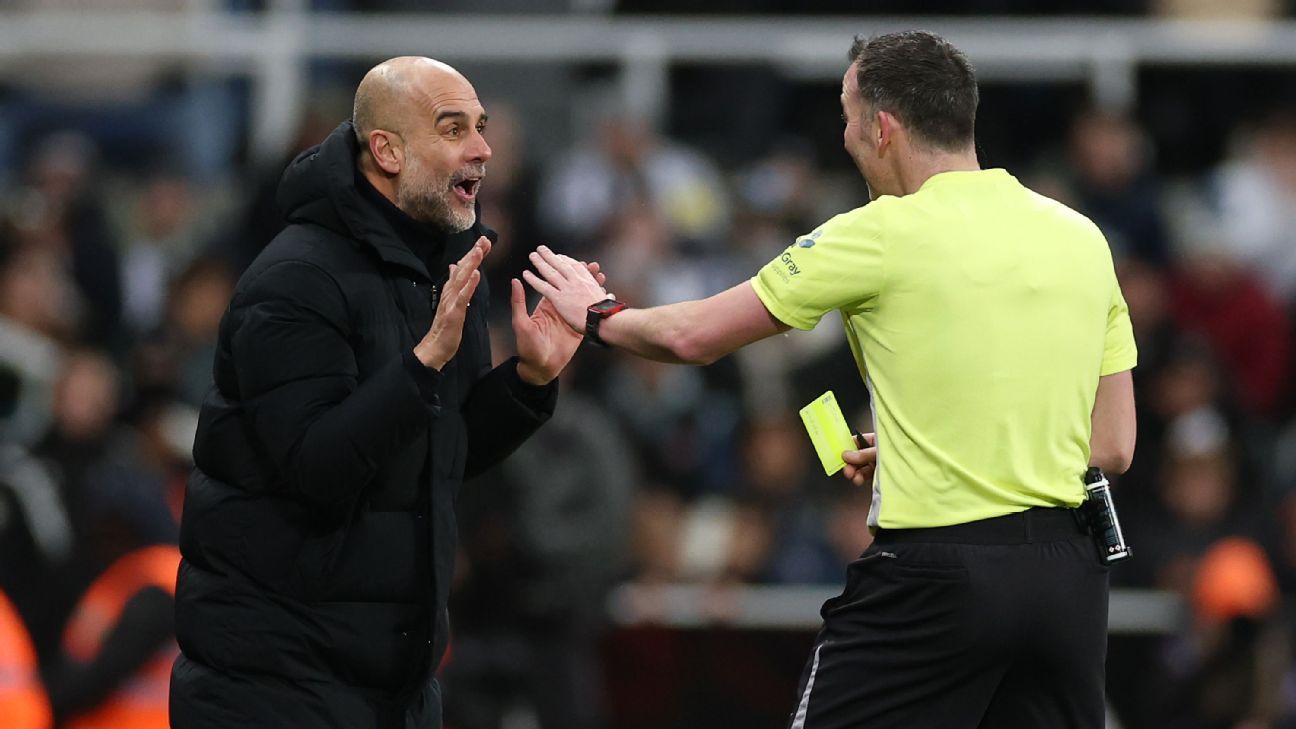
3 months agoMan City's Pep Guardiola slams refs' treatment of Erling Haaland
Not only did City manager Guardiola not agree with that decision, but he feels the Norwegian is being singled out too often. "He is the only striker in the world that makes more fouls than defenders do on him," Guardiola said. "That is his biggest attribute. That is really good. He is only the striker in my life that makes more fouls to defenders than defenders to him. I've never seen this."
Manchester City
[ Load more ]