#reuse
#reuse
[ follow ]
#sustainability #recycling #architecture #community-sharing #design #circular-economy #sustainable-architecture
fromArchDaily
1 day agoMemory of the Earth: 4 Adaptive Reuse Projects Transforming Ceramic Factories
Ceramic factories mark the transition from manual knowledge to serial production, expanding its scale without entirely severing its material origins. Scattered across different territories, these structures record the relationship between technique, landscape, and time.
Renovation
Renovation
fromwww.theguardian.com
5 days agoIn my apartment block's Room of Unlimited Magical Recycling Possibilities' I found not just freebies, but friends
The magic room in an apartment complex facilitated community sharing and reuse of items, significantly benefiting residents and promoting sustainability.
fromArchDaily
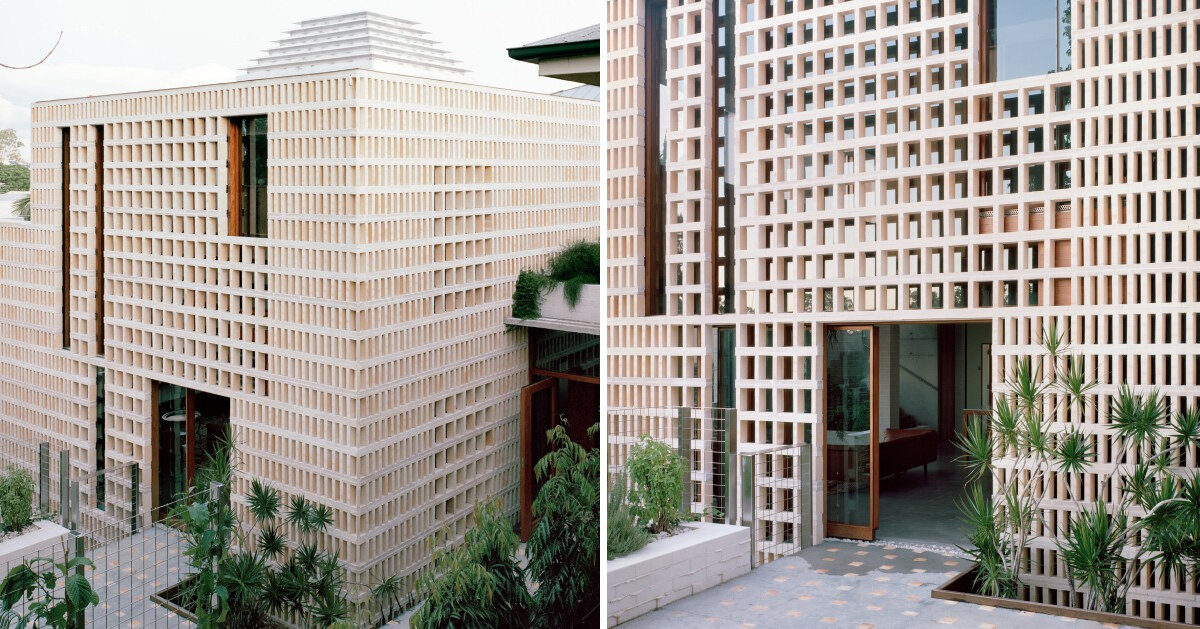
3 weeks agoArquivo: Deconstruction and Material Reuse for a Circular Architecture
The construction industry today faces an unavoidable paradox: the urgent need for sustainable solutions for the future of cities collides with the exhaustion of the term 'sustainability' itself, often reduced to a hollow commercial label.
Renovation
fromSilicon Canals
2 months ago8 lower-middle-class families never throw away that wealthy people replace without thinking - Silicon Canals
Growing up outside Manchester, I learned early that there's a stark difference between having money and knowing how to make things last. My dad worked factory shifts while my mum juggled retail hours, and our house ran on an unspoken rule: if something still worked, you didn't replace it. Last month, I visited a friend in Belgravia who was renovating his kitchen. As we chatted over coffee, workers hauled out perfectly functional appliances that looked barely used.
UK news
fromEarth911
2 months agoEarth911 Inspiration: Waste Can End With You
We can make changes to reduce our waste by precycling when we shop, reducing what we purchase, reusing items to get the most use out of them, and recycling when possible. But when we have items to throw away, please dispose of trash responsibly and don't litter. Let's reduce our waste and clean up our planet. It's our only home.
Environment
fromTasting Table
4 months agoPickle Jars Serve Another Purpose In The Kitchen, So Here's Why You Should Keep The Empty Ones - Tasting Table
Pickle fans know the joy of nabbing a fresh jar of any of the best pickle brands and enjoying the tasty snacking and sandwich-stacking possibilities. But there's a way to feel even better about your pickle purchase: reusing those jars. When you can repurpose a product's packaging, the benefits are plentiful. You're participating in an eco-friendly mission to reduce waste, and you're also putting the packaging to use for where you might have otherwise had to spend money to buy new.
Food & drink

fromAustin Monitor
1 year agoInfrastructure panelists ponder tactics for stretching Austin's existing water supply - Austin Monitor
Roalson said the conservation approach forms the foundation of Austin's 100-year water plan, since new water supplies are expected to become more scarce and expensive as more residents and resource-intensive businesses move into the area.
Beer
[ Load more ]