Arts
fromBerlin Art Link
12 hours agoReview of Marianna Uutinen at Hua International | Berlin Art Link
Marianna Uutinen's artwork explores the relationship between body, desire, and rejection through layered acrylic on plastic.
The Grand Palais in Paris unveiled an enormous exhibition focusing on the final 13 years of Henri Matisse's life and work, featuring abundant examples of his celebrated gouache cut-outs.
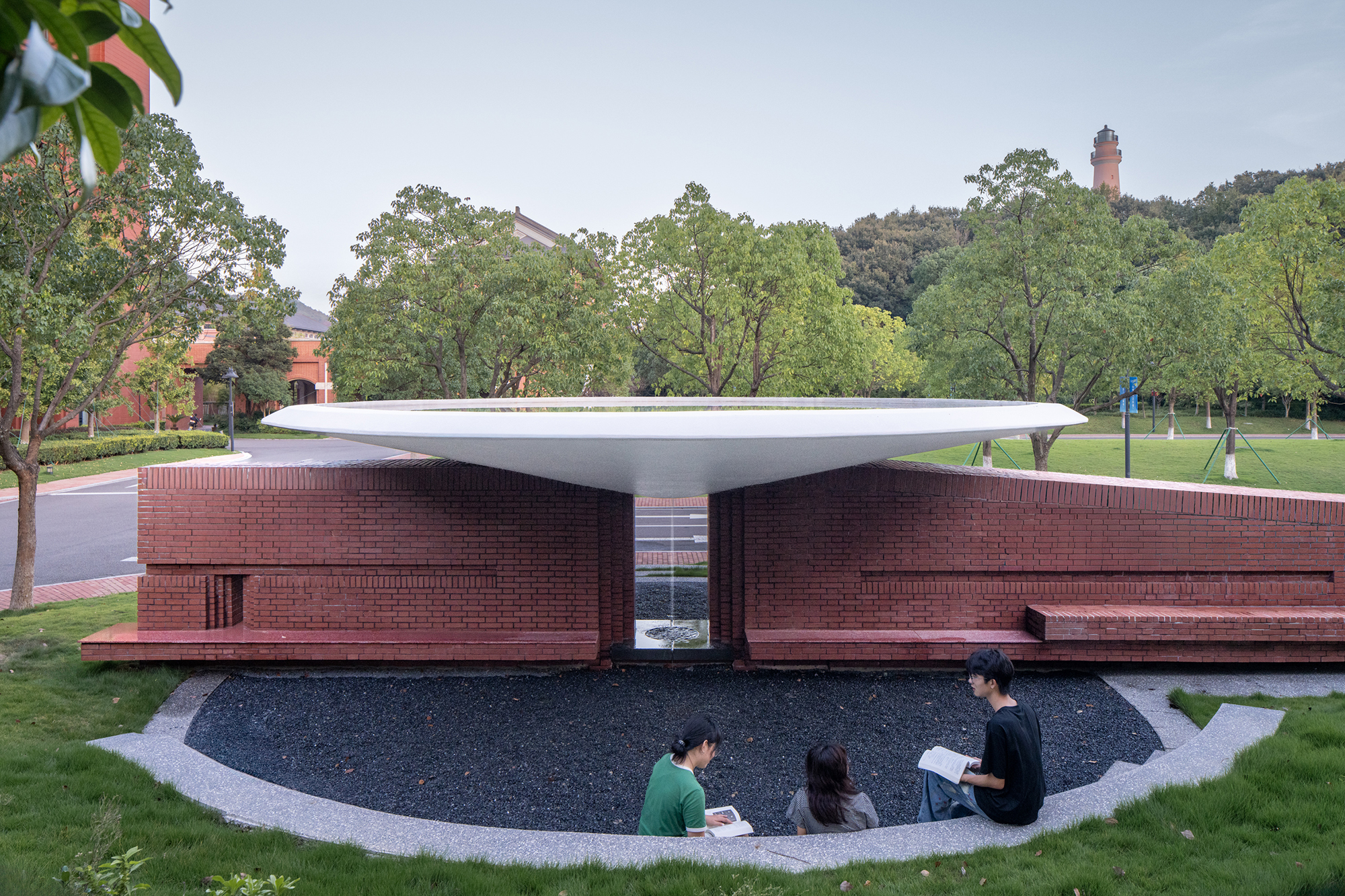
Viewpoints are structures designed for observing the landscape from elevated positions. They act as devices that organize the gaze and establish a direct relationship between the body and the territory.
Kamrooz Aram is everywhere this year, from Mumbai Art Week to the Whitney Biennial, and critic Aruna D'Souza is grateful. She pens a beautiful meditation on his work, reading his abstract paintings as not simply a denunciation of Western modernism nor a reassertion of Islamic visual motifs, but something else entirely - something gestural, exuberant, riotous, and incomparably his own.
Turn the circular base, and the whole structure begins to respond, gears catching one another as movement travels upward through its stacked layers. The form borrows from a celebration cake, with layered rings rising one above the other, soft in appearance yet precise in construction. Inside, one tier moves forward, and the next reverses, creating a continuous back-and-forth rhythm.
Nine nights; Strange fruit brings together a new body of paintings by London-based artist Shaqúelle Whyte that trace the emotional and temporal reverberations of familial grief. Rather than unfolding as a linear account, the exhibition forms a constellation of moments that draw upon the Jamaican funerary tradition of Nine Nights and the historic resonance of the protest song 'Strange Fruit'. Across these works, figures fracture, double and ripple, compressing multiple temporalities within a single visual field.
Large red balloons pull the pale pink fabric upward at key corners, while the material naturally drapes back down toward the ground. The upper surface of the cloth becomes a platform for the wedding ceremony, performances, and informal gatherings, while the shaded area below offers a place for cooling and rest.
Feng Yitong is a Berlin-based illustrator from Xi'an, China whose comic and hand-drawn imagery addresses migration, cultural shifts and embodied experiences in heavy, tactile forms of oil pastels. Using skills learned from her bachelors and masters degrees in illustration at the Berlin University of the Arts, she sketches her emotive scenes, then scans before using a light table to transfer them onto A4 and A3 paper. Coloured with oil pastels, she achieves her sharp visual effects by using kitchen cloths to remove or mix thick marks to create defined edges and distinct segments of her dense images.
We want to make this the most comprehensive historical survey of Chinese art in the first quarter of the 21st century. That was the first exhibition to introduce Chinese experimental art to the international art world, right after the end of the Cold War.
The Limited Space' series is built around the idea of a figure that has outgrown its space. Through exaggerated proportions and sculptural silhouettes, the body appears too large for the environment that continues to constrain it. Architectural elements and imposed barriers function as abstract limits, pressing against the figure and revealing tension through scale, weight, and posture rather than narrative.
Sand Art is a game by Kory Jordan and published by 25th Century Games for two to four players ages 10 and up. It takes about an hour to play, and has you collecting resources and then coloring in a bottle, making art in a bottle out of sand, in case the name didn't give away the plot. Gameplay Overview: Sand Art has you gathering and mixing sand, which is used to fill your bottle.
On Franklin Street in Brooklyn's Greenpoint neighborhood, one non-commercial gallery fosters 'a small, stubbornly human space for friction.' Friction—the ubiquitous buzzword that captures the simultaneous delight and discomfort of doing things the slow way—is at the heart of artists Pap Souleye Fall and Char Jeré's current show at Subtitled NYC. It also reflects the overall spirit of this little exhibition space and of a burgeoning movement to reject our culture of optimization in favor of a bumpier, more intimate, less alienating experience.
But they also miss what makes his approach distinctive. Chang worked with objects that industrial culture designed to be identical: records pressed in millions of copies, portraits drawn according to strict house style, coins minted for perfect interchange. His interest lay in the precise moment when the promise of sameness begins to fail, when time and human handling leave marks that transform supposedly identical objects into singular things.