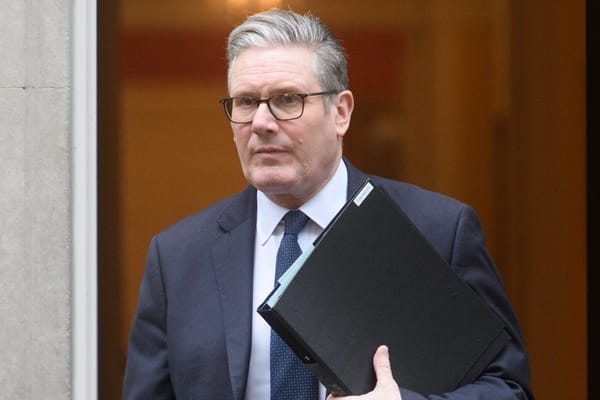
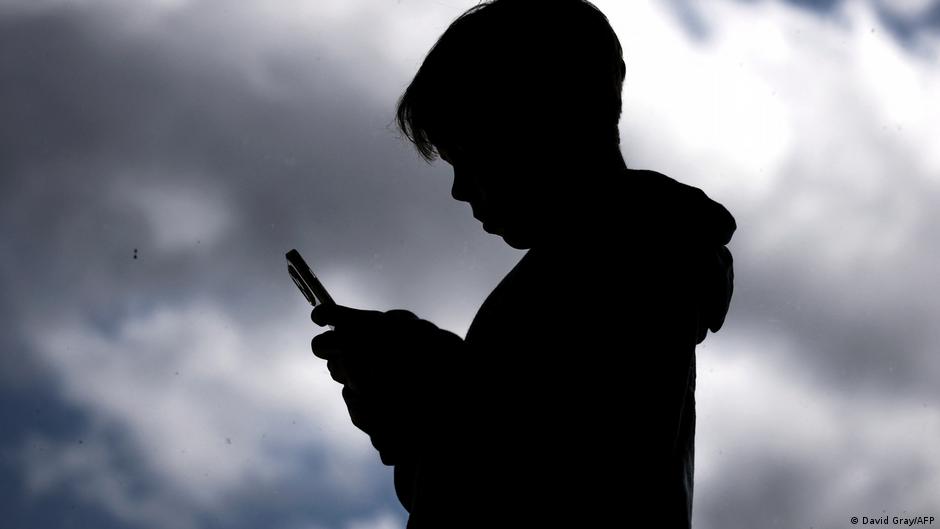
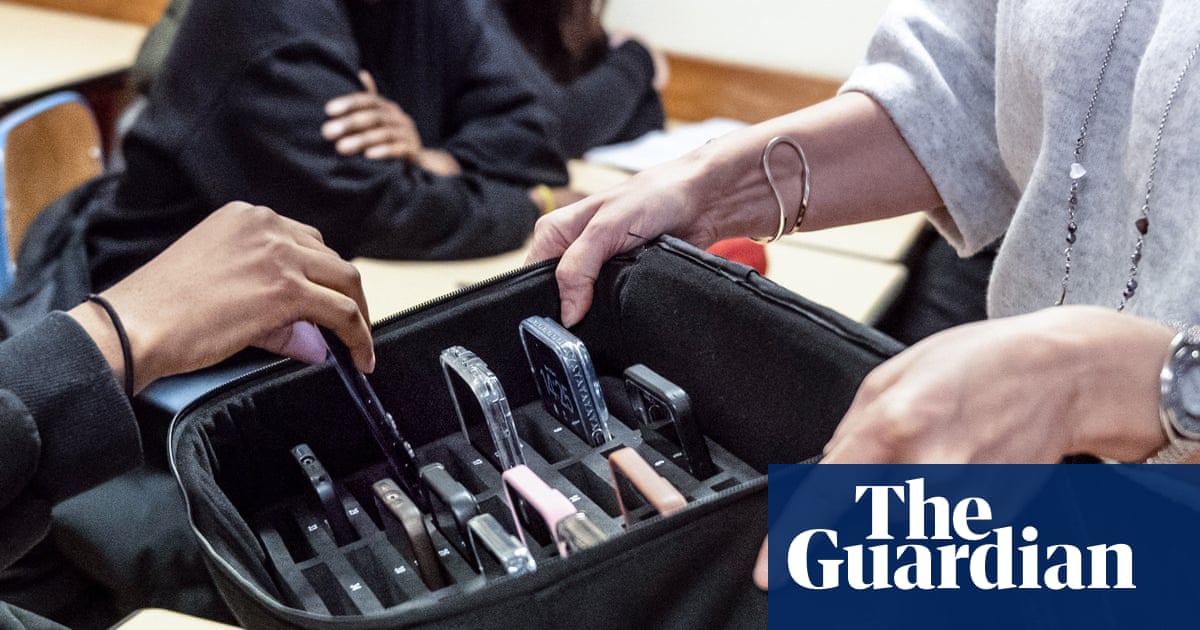
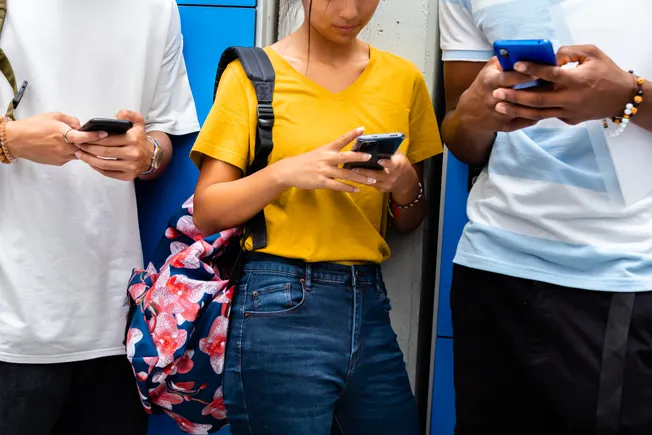
Schools should be phone-free throughout the entire day, the education secretary has told headteachers in England, stressing that pupils should not use the devices even as calculators or for research. Bridget Phillipson wrote to schools to underline updated guidance issued by the government last week, according to the BBC. Schools should make sure those policies are applied consistently across classes, and at all times and we want parents to back these policies too, Phillipson said.
Common advice like limiting individual youth access to screens, or asking parents to keep tabs on their children's every digital movement is not only impossible, but for adolescents in particular, potentially invasive, Schleider said. Instead, the AAP is putting more emphasis on the structural responsibility of companies and society, Schleider said. Their statement recommends regulations that limit overt, sexualized, commercialised, or harmful content to youth, including algorithms that send teens and children down rabbit holes with damaging themes.
Each year group in each school will then be randomly assigned to one of two conditions: either the app will simply record students' social media use, or the app will curtail students' social media use by limiting their access to the apps for TikTok, Instagram, Facebook, X, LinkedIn, Reddit, YouTube and Snapchat to one hour a day, as well as imposing a curfew from 9pm to 7am.
Whether it's investigating the financials of Elon Musk's pro-Trump PAC or producing our latest documentary, 'The A Word', which shines a light on the American women fighting for reproductive rights, we know how important it is to parse out the facts from the messaging. At such a critical moment in US history, we need reporters on the ground. Your donation allows us to keep sending journalists to speak to both sides of the story.
Health Secretary Wes Streeting has backed calls for a debate on banning under 16-year-olds from social media. Speaking to BBC Radio 4's Today programme, he said the government had to "get the balance right" and "protect young people from the harm". In December, Australia introduced a law requiring social media platforms to block under-16s from having accounts with their sites and privately, many Labour MPs and officials have said they expect that the UK government to follow their example.
From reproductive rights to climate change to Big Tech, The Independent is on the ground when the story is developing. Whether it's investigating the financials of Elon Musk's pro-Trump PAC or producing our latest documentary, 'The A Word', which shines a light on the American women fighting for reproductive rights, we know how important it is to parse out the facts from the messaging. At such a critical moment in US history, we need reporters on the ground. Your donation allows us to keep sending journalists to speak to both sides of the story.
Whether it's investigating the financials of Elon Musk's pro-Trump PAC or producing our latest documentary, 'The A Word', which shines a light on the American women fighting for reproductive rights, we know how important it is to parse out the facts from the messaging. At such a critical moment in US history, we need reporters on the ground. Your donation allows us to keep sending journalists to speak to both sides of the story.
If Iran shots [sic] and violently kills peaceful protesters, which is their custom, the United States of America will come to their rescue. We are locked and loaded and ready to go.
The AFP news agency said it had seen a draft law, backed by President Emmanuel Macron, which cites numerous studies showing the risks to young people from excessive use of digital screens. French media said the law could be submitted for legal scrutiny in early January, while AFP said the ban could take effect as early as September. Le Monde newspaper said Macron may announce the plans in his live New Year's Eve address on Wednesday.
France intends to follow Australia and ban social media platforms for children from the start of the 2026 academic year. A draft bill preventing under-15s from using social media will be submitted for legal checks and is expected to be debated in parliament early in the new year. The French president, Emmanuel Macron, has made it clear in recent weeks that he wants France to swiftly follow Australia's world-first ban on social media platforms for under-16s, which came into force in December.
The Warning Labels for Addictive Social Media Platforms Act, passed by the state legislature in June, targets platforms with specific "predatory features" designed to maximize engagement, such as infinite scroll, autoplay, algorithmic feeds, like counts, and push notifications. The state commissioner of mental health "will be responsible for designing warning labels based on peer-reviewed research about the potential negative impacts of social media on mental health, including links to anxiety, depression, body dysmorphia, and disrupted sleep patterns," the legislation says.
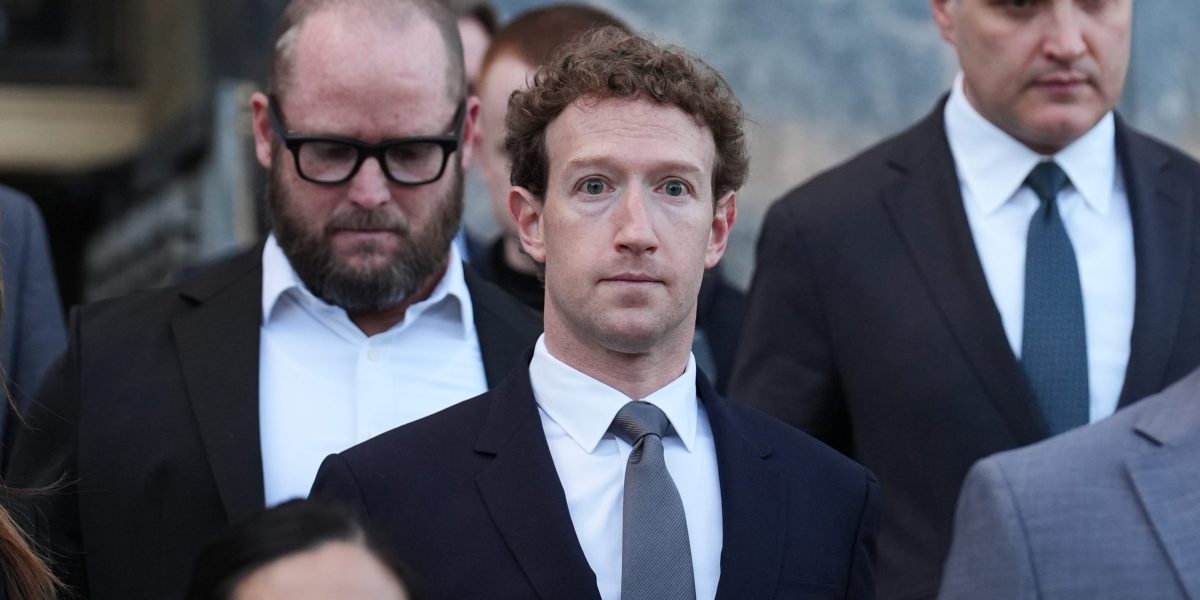
Banning people because you disagree with what they say undermines the free speech the administration claims to seek. We desperately need a wide ranging debate on whether and how social media should be regulated in the interests of the people. Imran Ahmed gave evidence to the select committee's inquiry into social media, algorithms and harmful content, and he was an articulate advocate for greater regulation and accountability.
What seems most likely: the law will not be rigidly enforced, as teen-agers and social-media companies figure out ways to circumvent the ban, but the social norm established by the law and its robust popularity among politicians and voters will lead to a significant downturn in social-media use by minors nonetheless. Not every fourteen-year-old is going to draw a moustache on their photograph or get a fake I.D.-and the law should be easier to enforce among younger kids,
"The political views of children inform the electoral choices of many current electors, including their parents and their teachers, as well as others interested in the views of those soon to reach the age of maturity," the company's court filing states. "Preventing children from communicating their political views directly burdens political communication in Australia."
"The first step should always be to teach young people skills," Quentin Gartner of the German National Students' Conference. He added that minors need to learn how to behave responsibly online, rather than simply being blocked. Australia's new law, which came into effect on Wednesday, requires major platforms such as TikTok, Snapchat, YouTube, Instagram and Facebook to block accounts of users under 16 or face fines of up to A$49.5 million (30 million).
At what age should a minor, with or without parental consent, have a legal right to make themselves one with the brain rot of Facebook, Instagram, TikTok, Twitter/X and others? That is the seemingly simple, but ultimately loaded question at the heart of dozens of pieces of state legislation (and even more advancing lawsuits) that seek to curtail the access of teenage Americans to major social media networks.