#stormwater-management
#stormwater-management
[ follow ]
#green-infrastructure #flooding #urban-flooding #climate-resilience #urban-resilience #rain-gardens #bluebelt

fromwww.amny.com
1 week agoGowanus Earth Day event launches $4.5M green jobs training initiative | amNewYork
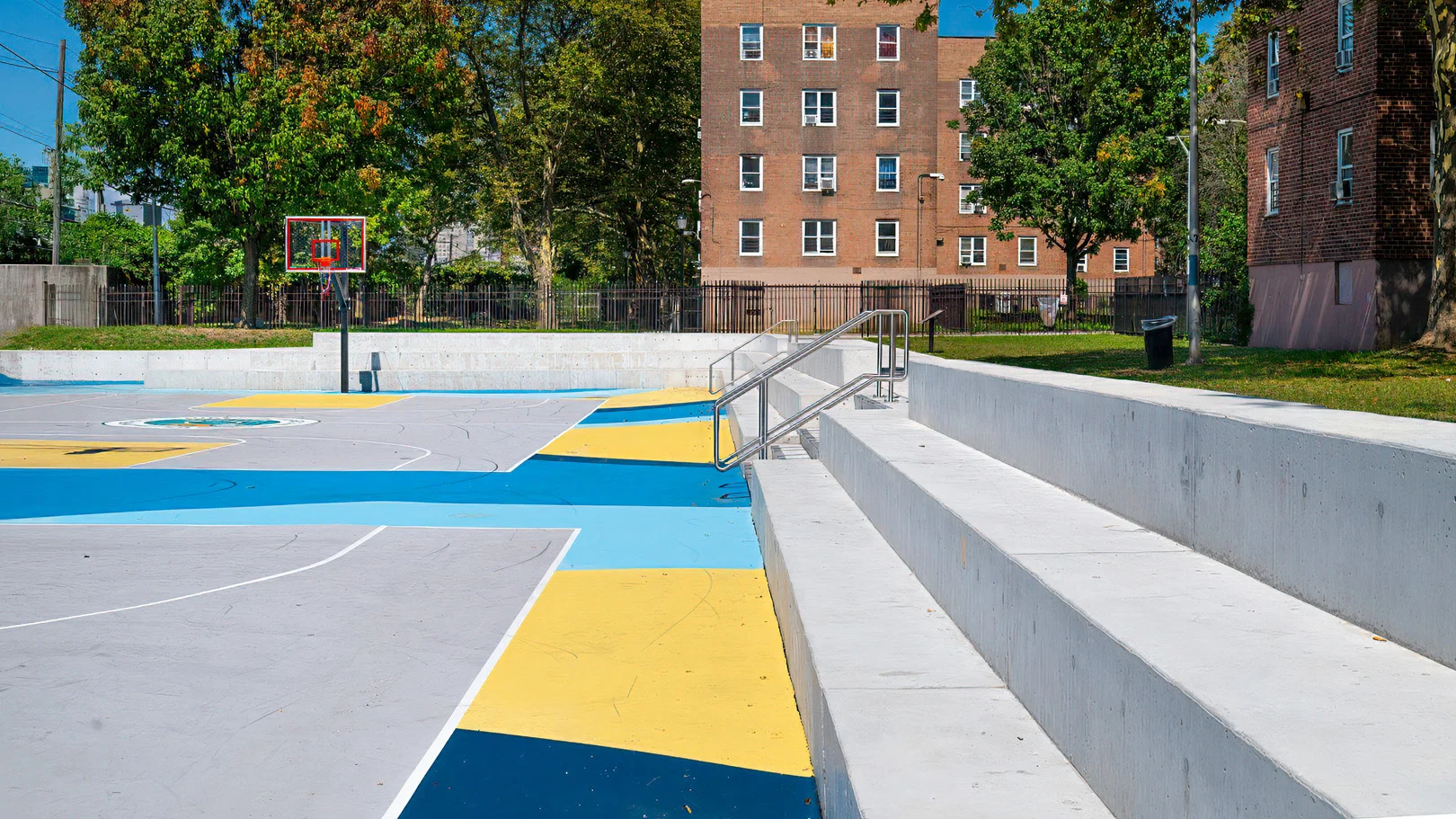
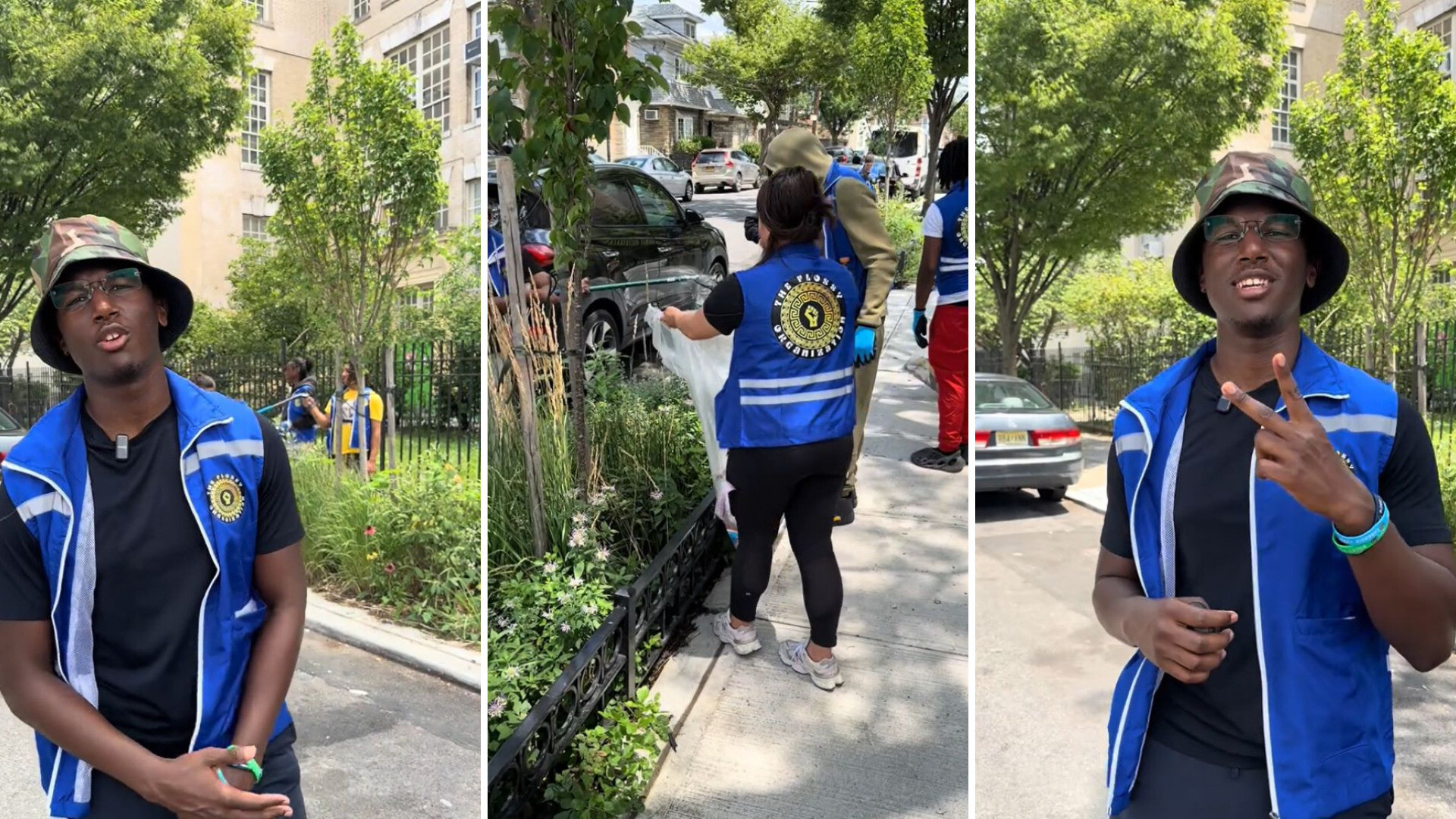
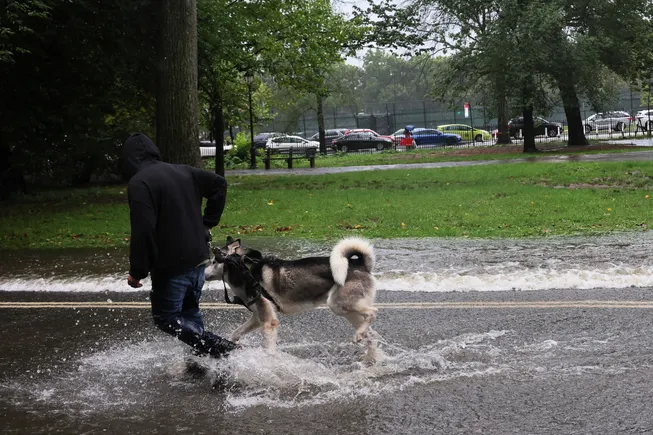
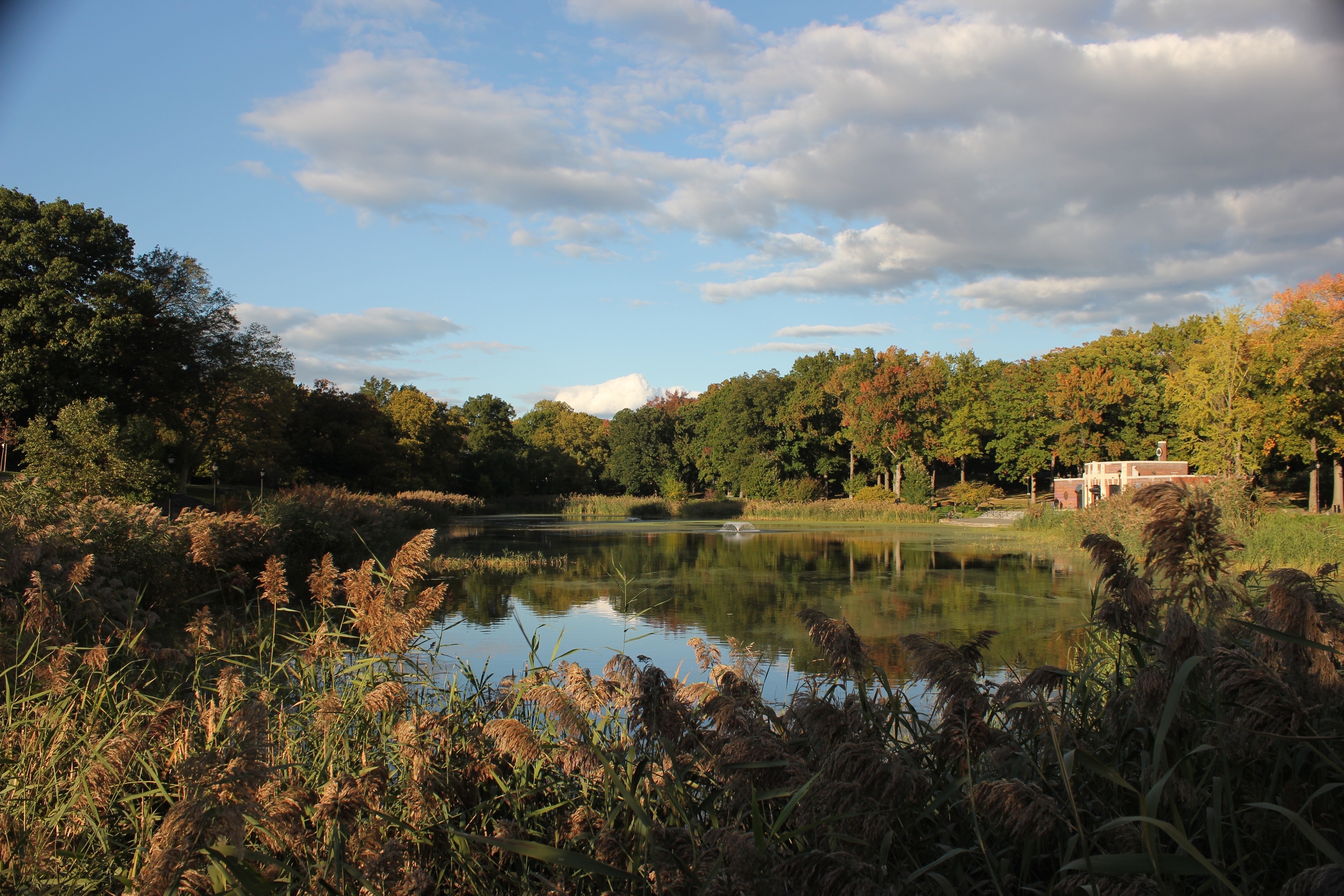
The Green Readiness Opportunities for the Workforce (GROW) initiative is a $4.5 million effort to train New Yorkers for green jobs managing stormwater infrastructure, enhancing urban resilience and promoting a greener city.
Agriculture


fromwww.mercurynews.com
5 months agoVeterans remembrance ceremony scheduled for Dec. 13 at Los Gatos cemetery
The nonprofit Wreaths Across America will be holding an event honoring veterans on Dec. 13 at Los Gatos Memorial Park cemetery. There are about 2,800 veterans buried at the Los Gatos cemetery. Wreaths Across America holds a ceremony during the holiday season at over 4,000 cemeteries throughout the U.S. to honor deceased veterans. They place live evergreen wreaths that are donated by the public at the veterans' gravesites. In 2024, the nonprofit distributed more than 3 million wreaths on headstones across the U.S.
US news
Environment
fromenglish.elpais.com
5 months agoSouth Florida, the laboratory against the climate crisis in the United States
Miami Beach faces current sea-level rise and aquifer salinization, implementing infrastructure and resilience measures—street elevation, pumps, natural/artificial defenses—to protect streets and water.
fromFast Company
6 months agoControl flooding, but make it art. Nebraska's flood control system is meant to be seen.
Heartwood Preserve doesn't look like typical stormwater infrastructure. Instead of a primarily utilitarian design, this project in Omaha doubles as public art. Meyer Studio Land Architects created a series of 14 sculptural water retention basins across 500 acres of land that sit in a watershed at risk of flooding. The project is meant to be enjoyed by the public and even has features that educate about climate change.
fromState of the Planet
7 months agoExploring Essential Ecosystems for a Thriving Urban Future
The Bronx River was once heavily altered by industrial activity and has been the subject of significant restoration efforts to improve its ecological health and connectivity. One major project is the construction of a fish passage at the East 182nd Street Dam, which aims to improve aquatic species migration and enhance the ecological functioning of the river. By facilitating the movement of fish that had previously been blocked by the dam, this project would promote a healthier aquatic ecosystem.
Environment
Environment
fromWashingtonian - The website that Washington lives by.
7 months agoHow a DC Area Wetlands Restoration Project Could Help Clean Up the Anacostia River - Washingtonian
Restoring wetlands along the Anacostia River improves biodiversity, reduces flooding, and filters pollution before it reaches downstream waters.
[ Load more ]