#superpower-status
#superpower-status
[ follow ]
#china #geopolitics #us-foreign-policy #iran #us-china-relations #trump-administration #international-relations
#us-china-relations

World politics
fromThe Cipher Brief
4 days agoIs the Trump-Xi Summit the Key to Resolving Global Conflicts?
The upcoming summit between Trump and Xi Jinping presents an opportunity for U.S.-China cooperation to address global conflicts and economic issues.
fromFortune
1 month agoWorld politics
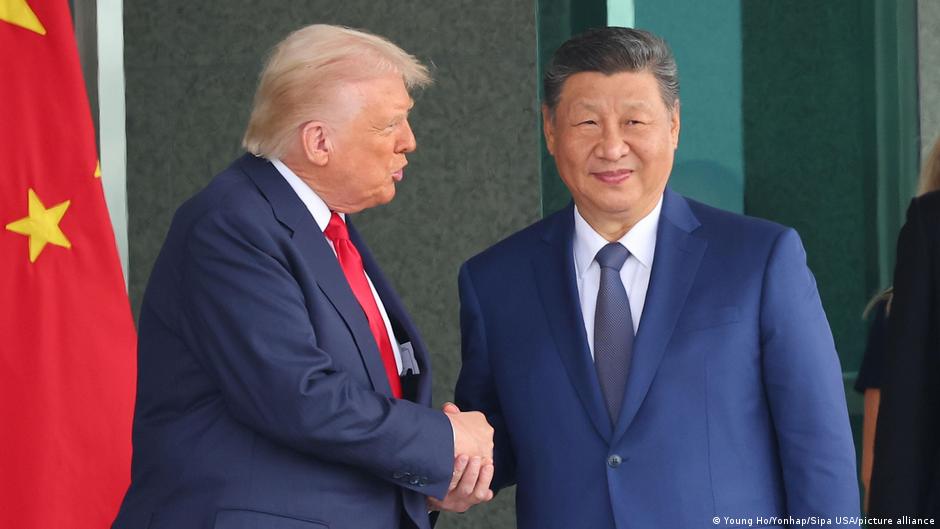
Trump suggests postponing his key meeting with Xi Jinping by 'a month or so,' as Iran overtakes China on the U.S.'s agenda | Fortune
Trump is considering delaying his meeting with Xi Jinping by approximately one month due to escalating Iran conflict management priorities rather than as pressure on China.
World politics
fromFortune
1 month agoTrump suggests postponing his key meeting with Xi Jinping by 'a month or so,' as Iran overtakes China on the U.S.'s agenda | Fortune
Trump is considering delaying his meeting with Xi Jinping by approximately one month due to escalating Iran conflict management priorities rather than as pressure on China.


#nato
Europe politics
fromLondon Business News | Londonlovesbusiness.com
1 week agoTrump's NATO rhetoric over Iran plays straight into Putin's hands - London Business News | Londonlovesbusiness.com
Donald Trump dominates media attention despite the ongoing war in Ukraine, overshadowing the significant threat posed by Vladimir Putin.


European startups
fromFortune
3 weeks agoChina could be the 'big winner' in the AI race, thanks to abundant power, cheap manufacturing, and an open-source craze | Fortune
China's AI sector is gaining momentum due to cheaper energy, increased capital spending, and a growing number of open-source developers.
#us-foreign-policy


World politics
fromFortune
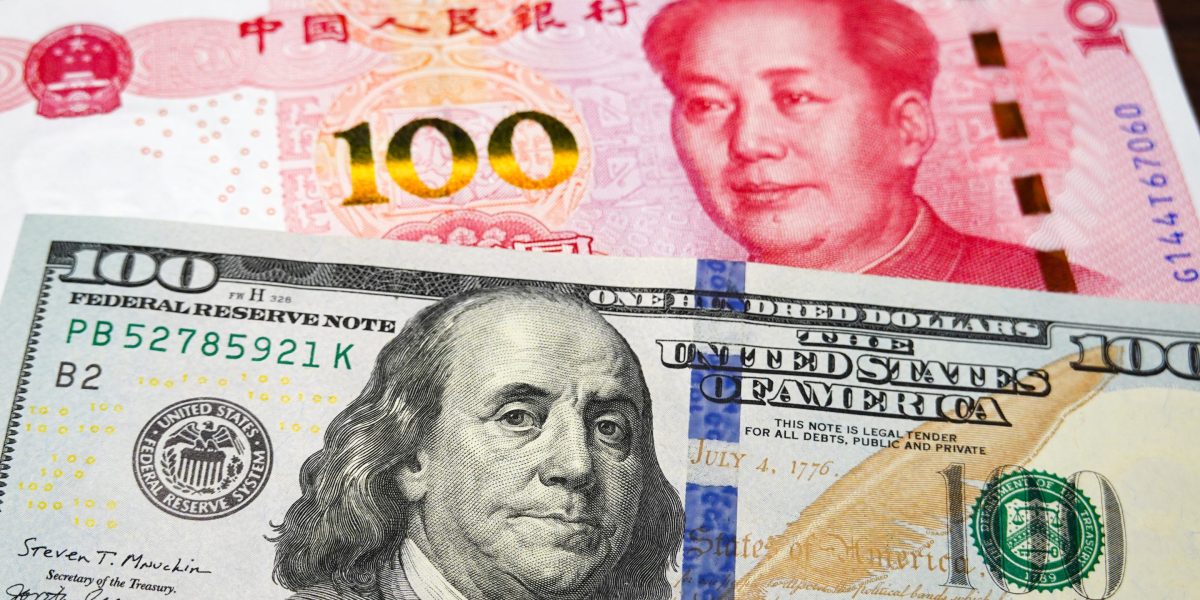
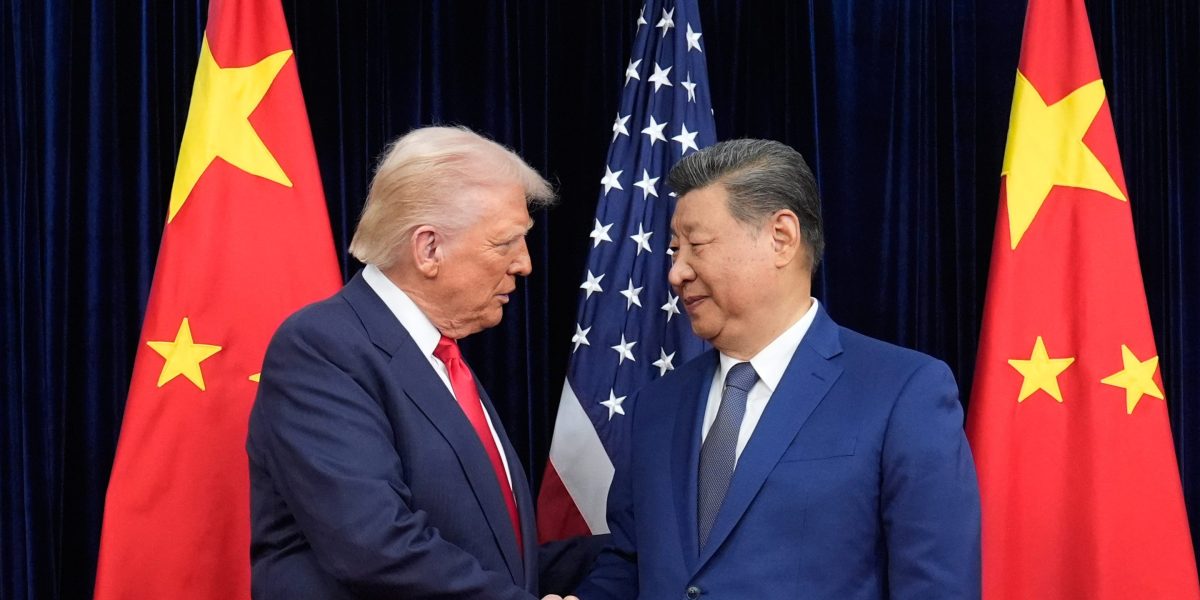
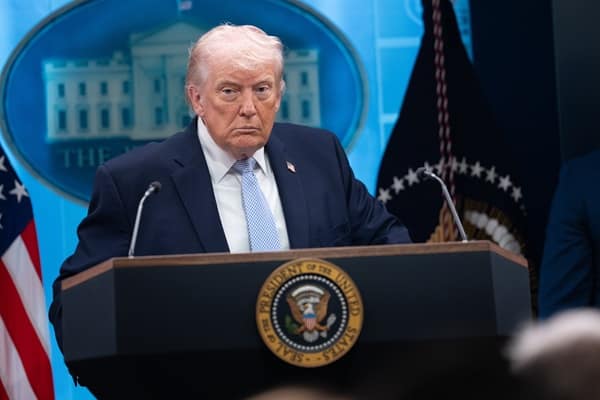
1 week agoThe petrodollar faces increased risk, but a petroyuan is 'far-fetched' as fears of U.S. losing superpower status are overhyped, strategist says | Fortune
Trump's conflict with Iran raises questions about U.S. superpower status, but predictions of decline are considered premature by some analysts.
World politics
fromLondon Business News | Londonlovesbusiness.com
1 week agoWashington's two-track strategy raises questions over coherence and alliances - London Business News | Londonlovesbusiness.com
U.S. foreign policy shows contradictions with military threats to Iran and political interference in Hungary, benefiting Moscow's strategic interests.
World news
fromwww.aljazeera.com
1 month agoThe war of signals: How Russia and China help Iran see the battlefield
Russia is providing Iran with precise US military location intelligence, fundamentally shifting the electromagnetic warfare balance in the Gulf and eroding decades of American-Israeli dominance.
Miscellaneous
fromFortune
2 months agoU.S. literally can't afford to lose superpower status as debt looms-so we're stuck in an 'increasingly loveless' marriage with Europe, analyst says | Fortune
The U.S. and Europe remain militarily and economically intertwined, making a trans-Atlantic split unlikely despite political tensions and efforts toward limited European autonomy.
Business
fromHarvard Business Review
1 month agoRethinking Strategy in a Hyperpolitical World
Corporate decisions face intense public scrutiny for political implications, resulting in boycotts, revenue loss, reputational damage, and executive terminations, yet political engagement remains unavoidable for businesses.
EU data protection
fromInfoWorld
1 month agoSovereignty isn't a toggle feature
European cloud alternatives like Hetzner and Scaleway can deliver comparable performance and capabilities to AWS while significantly reducing costs, though they require greater operational responsibility and architectural commitment to sovereignty.
Artificial intelligence
fromEngadget
1 month agoThe US will send Tech Corps members to foreign countries in its latest push for AI dominance
The Peace Corps launched Tech Corps to deploy AI-skilled volunteers abroad to support agriculture, education, health, and economic development while advancing U.S. AI influence.
fromwww.theguardian.com
1 month agoThe world order we're leaving behind may be replaced by no order at all
The Canadian prime minister, Mark Carney, inspired a wave of enthusiastic nodding among the cosmopolitan crowd gathered in Davos last month when he took to the podium and proclaimed that the world order underwritten by the United States, which prevailed in the west throughout the postwar era, was over. The organizing principle that emerged from the ashes of the second world war, that interdependence would promote world peace by knitting nations' interests together in a drive for common security and prosperity, no longer works.
World news
World news
fromFortune
2 months agoBRICS could become a new pillar of global governance-if its rapid growth doesn't erode its newfound clout | Fortune
BRICS' rapid expansion risks internal incohesion and failure to reform global governance despite its vast population, resources, and strategic potential.
US politics
fromFortune
2 months agoTrump's National Defense Strategy declares 'sharp shift,' tells allies to take care of their own security | Fortune
U.S. defense strategy prioritizes Western Hemisphere dominance, urges allies to assume more defense burden, and prepares to secure key terrain if partners fail.

fromBusiness Insider
2 months agoThe 25 largest militaries in the world, ranked by active troops
Active-duty force size is a tally of a country's uniformed troops: airmen, soldiers, sailors, special operators, and Marines. Armies, in particular, depend on size to gain and occupy ground. Militaries can also be a tool of domestic repression, a focus that undercuts its capabilities against an external foe. North Korea, for example, is one of the world's most repressive states, led by a dictator who has repeatedly threatened neighboring South Korea.
World news
fromwww.aljazeera.com
1 month agoHas BRICS given up on challenging Western economic dominance?
Jim O'Neill, the economist who coined the term BRIC' 25 years ago, argues that the group is losing its relevance. At its peak, the BRICS coalition of economies Brazil, Russia, India, China and South Africa was seen as a serious attempt to move away from the United States dollar and the domination of Western economic institutions like the World Bank, Group of Seven (G7), and International Monetary Fund (IMF).
World news
fromwww.aljazeera.com
2 months agoFacing a mercurial Trump, countries scramble to forge new alliances
Countries are increasingly settling aside old grudges to lessen their reliance on Washington. As Donald Trump continues to unleash havoc on allies and trading partners, countries are scrambling to forge new alliances and mend broken ones as they try to shield themselves from a mercurial American president. The past few months have seen a flurry of diplomatic moves by governments seeking to lessen their reliance on the United States, including among countries that had long nursed grudges against one another.
World news
World news
fromwww.theguardian.com
2 months agoThe rules-based order' Davos craves has bigger problems than Trump: it represents a world that no longer exists
Donald Trump's nationalist, protectionist stance and climate denial undermine Davos' globalist liberal international order and expose weaknesses in postwar institutions.
fromThe Globe and Mail
2 months agoBusiness Brief: Heralding the age of Western decline
U.S. President Donald Trump, with his lust for Greenland and hectoring of Europe, thinks the world is at his mercy,and thatthe U.S. is invincible. He's right on the first point. But he discovered this week that he's wrong about the second one. In Davos at the World Economic Forum, Trump climbed down on his Greenland threats after his actions caused chaos in the markets.
World news
World politics
fromFortune
1 month agoU.S. has shown China and Russia 'who really is a military power', says Trump's former commerce secretary-don't expect them to get involved in Iran | Fortune
China and Russia have condemned U.S.-Israel military action against Iran but offered no substantive support, indicating limited strategic interest in intervening in Middle Eastern conflicts.
fromwww.aljazeera.com
2 months agoWhat role is China playing in global geopolitical transformations?
China's official discourse centres on the idea of peaceful rise, the commitment to non-interference in internal affairs, respect for sovereignty and territorial integrity, and economic partnerships based on mutual benefit. Beijing insists that relations with Washington should not slide into conflict, calling for a system of global governance built on cooperation rather than confrontation. Yet the geopolitical landscape reveals a wide gap between this discourse and reality. Donald Trump's return to the White House has brought back rhetorical escalation and increased geopolitical pressure.
World politics
[ Load more ]