Germany news
fromThe Local Germany
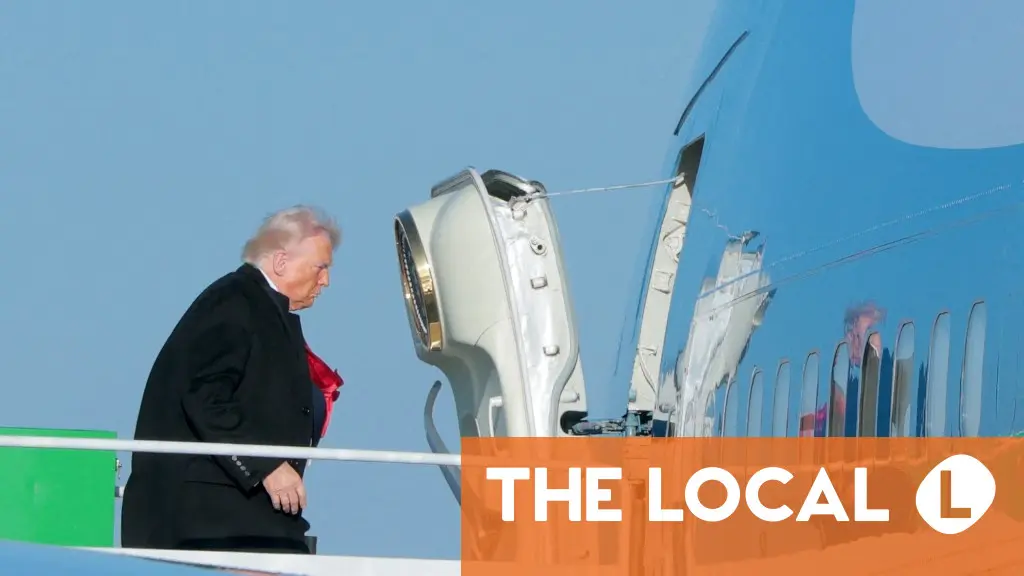
21 hours agoGermany says withdrawal of US troops was 'expected'
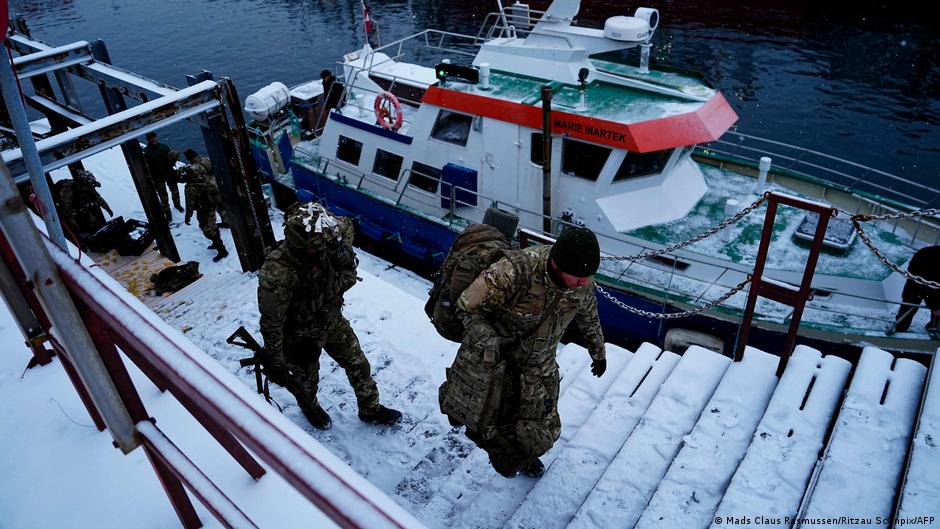
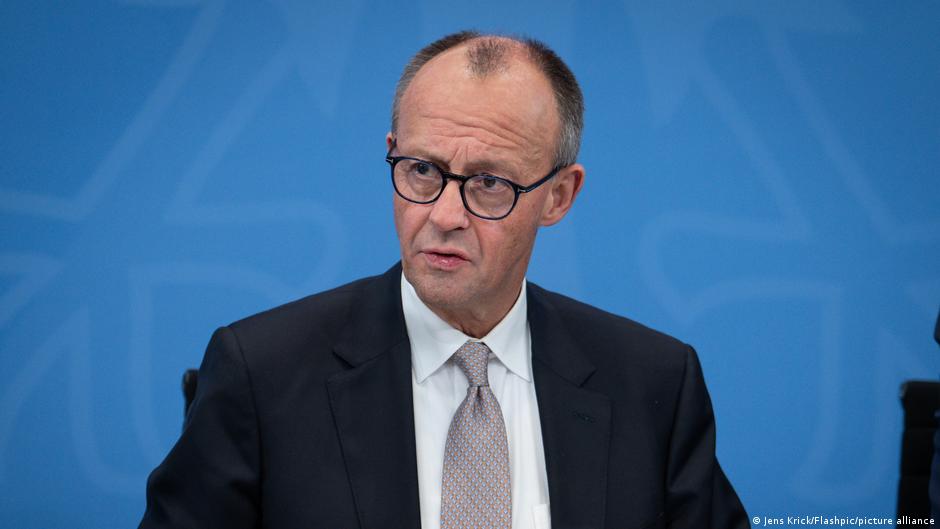
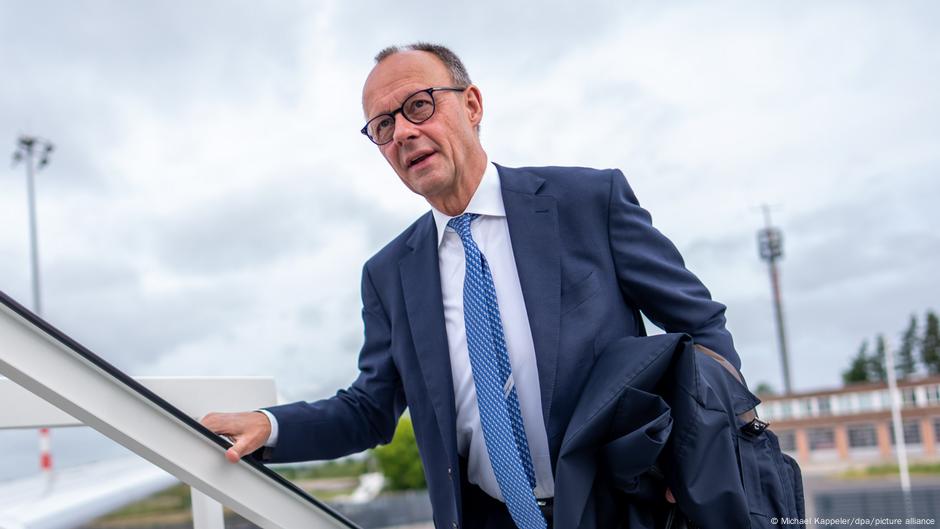
Europe must take greater responsibility for its own security following the expected withdrawal of American troops from Germany.
Iran has warned European leaders against joining the United States and Israel's war that has destabilised the Middle East and upended economies around the world. While countries in Europe have found common ground in condemning Iran's retaliatory strikes on nonbelligerents in the Gulf, their positions have been confused and incoherent in reaction to the US-Israeli action that caused them.
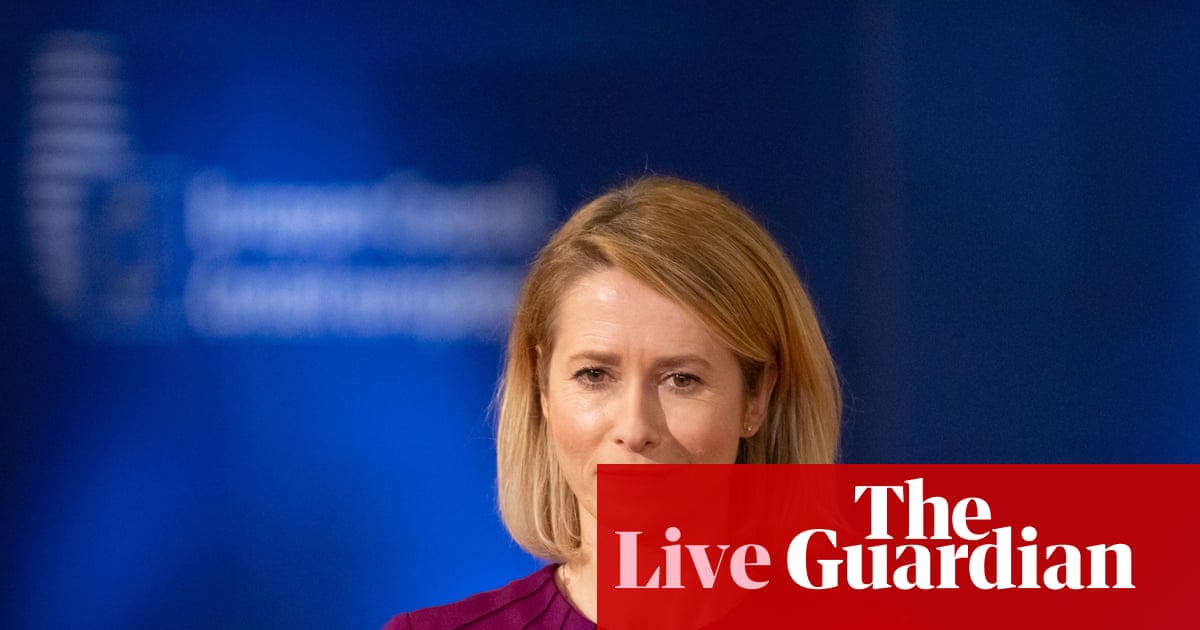
Writing on Telegram, Pushkov criticised Polish Foreign Minister Radosław Sikorski, French President Emmanuel Macron, and EU foreign policy chief Kaja Kallas, arguing that European leaders have offered "no serious answers" for why they should be involved in talks already led by the United States. Pushkov suggested that EU ambitions risk "derailing even the fragile negotiations that are already underway," framing European efforts as symbolic rather than substantive.
We are bound to one another by the deepest bonds that nations could share, forged by centuries of shared history, Christian faith, culture, heritage, language, ancestry and the sacrifices our forefathers made together,
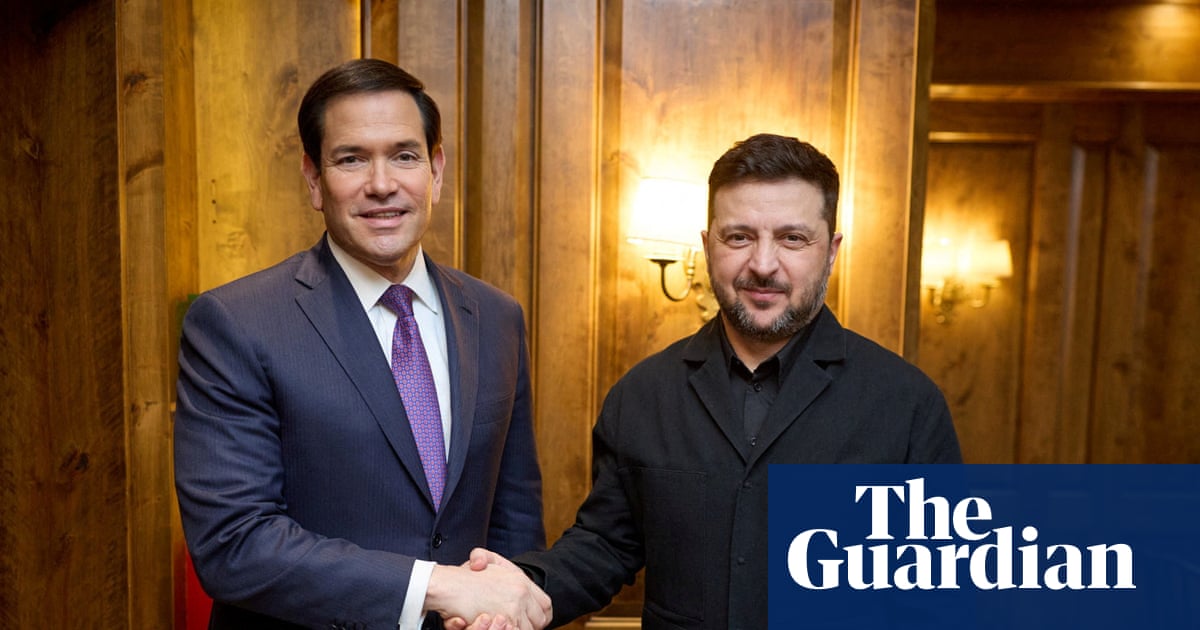
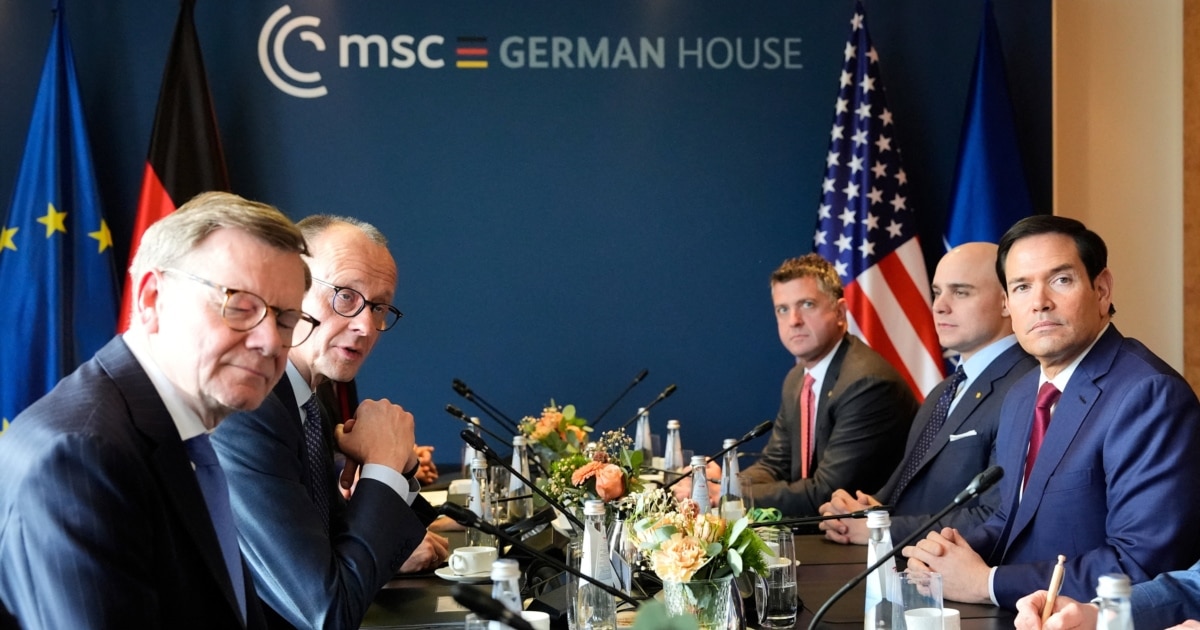
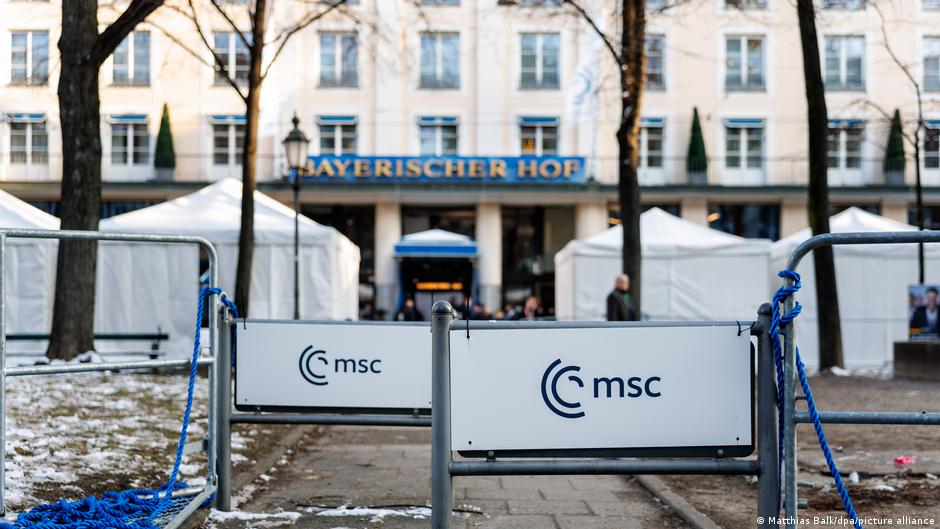
The organizers of the Munich Security Conference (MSC) did not hesitate to name who they thought is behind the "period of wrecking-ball politics." "The most powerful of those who take the axe to existing rules and institutions is US President Donald Trump," they wrote in the Munich Security Report 2026released on Monday. The release came as organizers announced that US Secretary of State Marco Rubio will lead "a sizable delegation" of officials to the MSC this weekend.
Robert Fico, one of the few EU leaders to frequently support Trump's stance on Europe's weaknesses, was concerned about the U.S. president's "psychological state," two of the diplomats said. Fico used the word "dangerous" to describe how the U.S. president came across during their face-to-face meeting at Trump's Mar-a-Lago estate in Florida on Jan. 17, according to two of the diplomats.
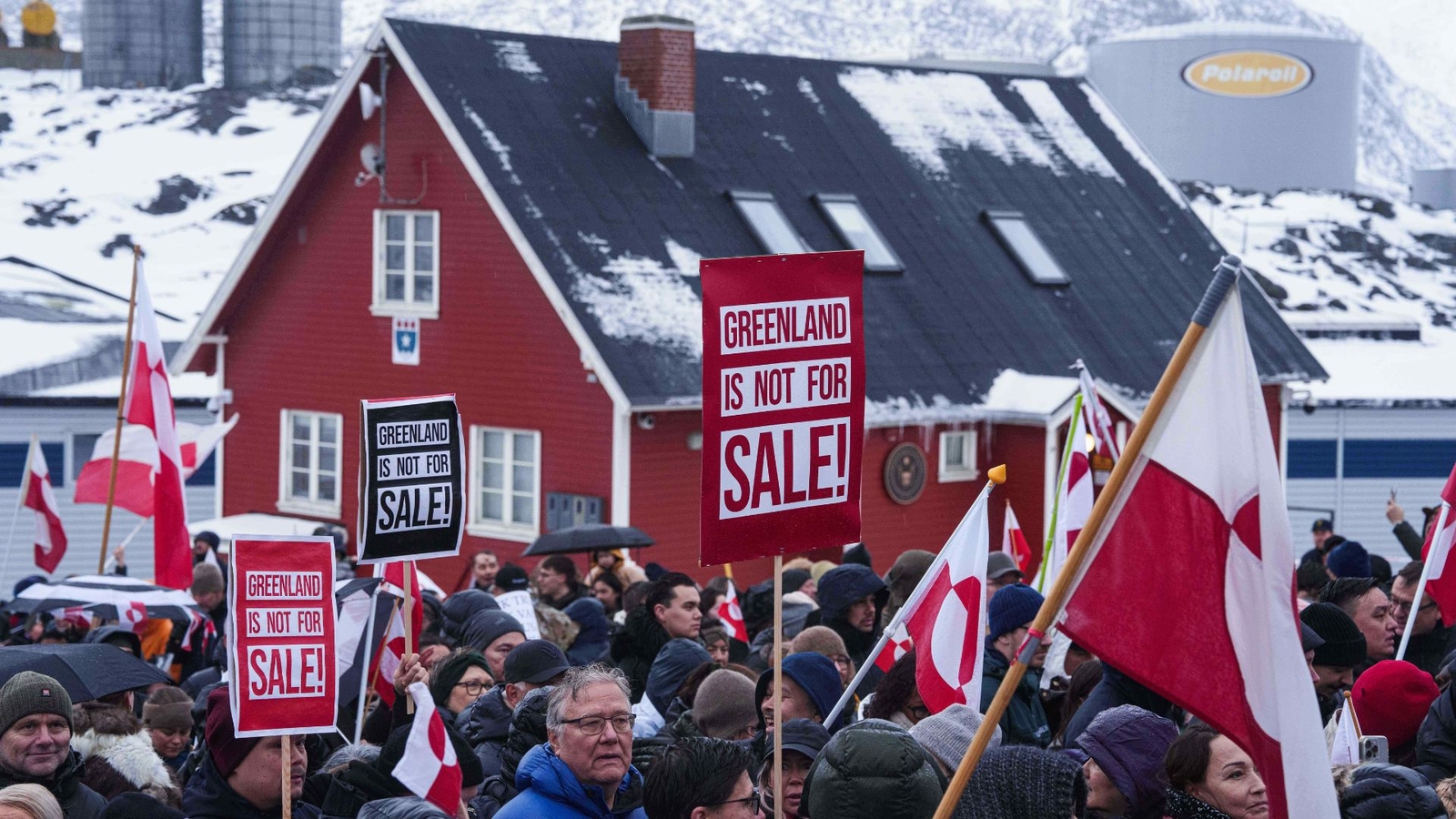
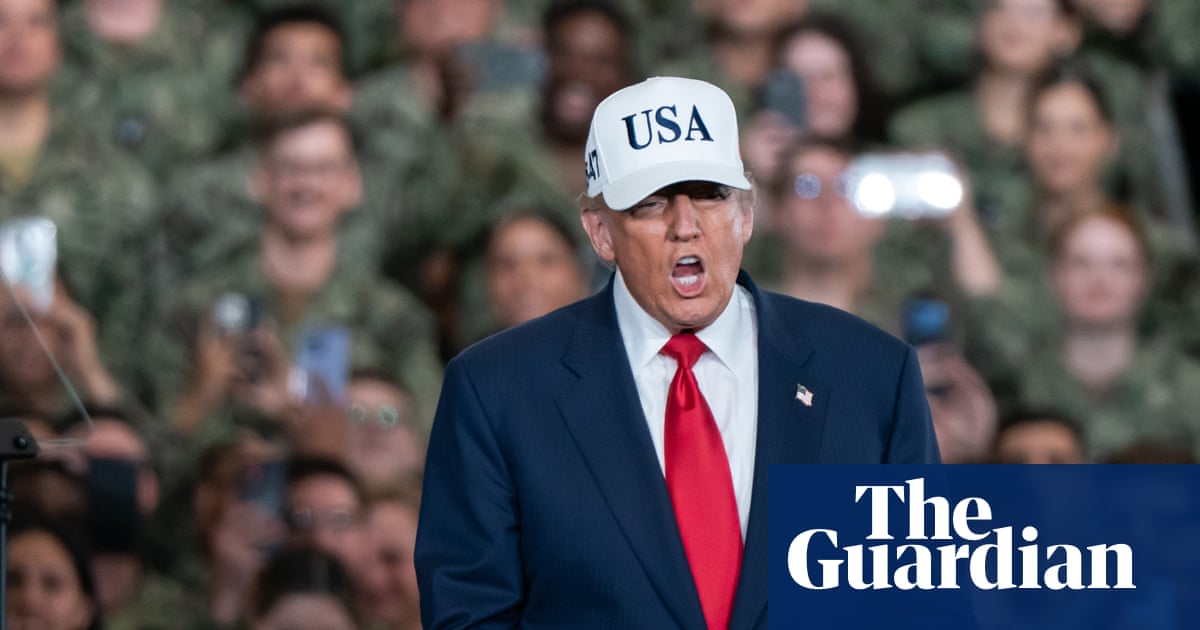
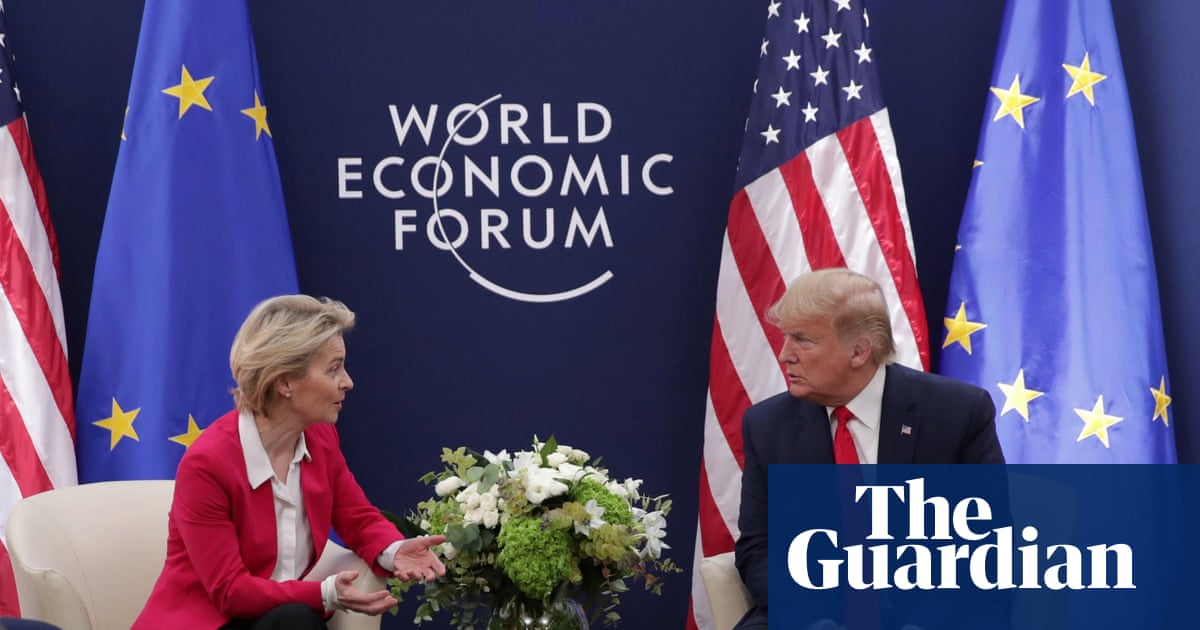
After all, the US president, who is returning to Davos after six years, is responsible for much of the fragmentation of the global order that the Davos crowd expects to discuss during the five-day event. But by threatening some of the closest US allies with tariffs to coerce them into supporting his plans to annex Greenland from Denmark, a NATO member, Trump has raised the stakes several notches higher.
As I listened, it struck me that, while Europe's role in the Middle East has been severely damaged by its immoral stance on the Gaza war and its self-inflicted exclusion from Iran nuclear diplomacy, Europeans still have a role to play when it comes to its neighbours in the eastern Mediterranean.
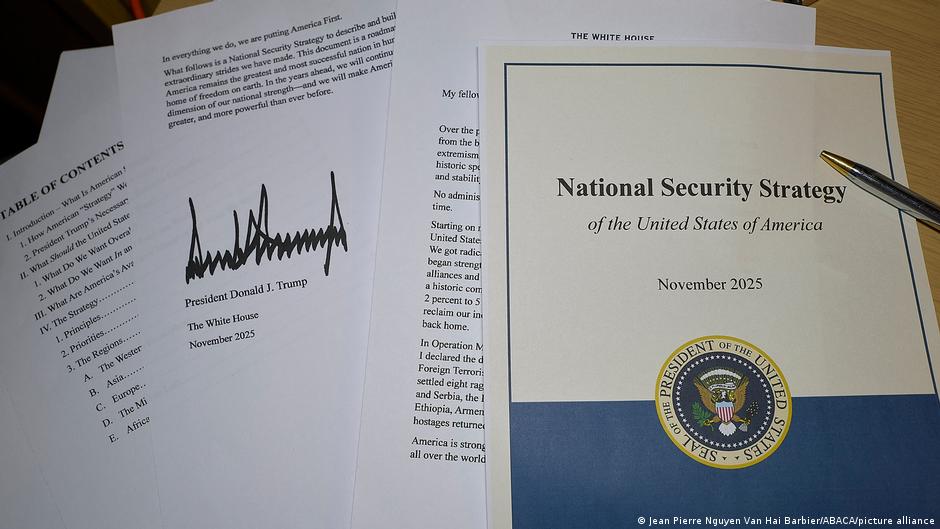
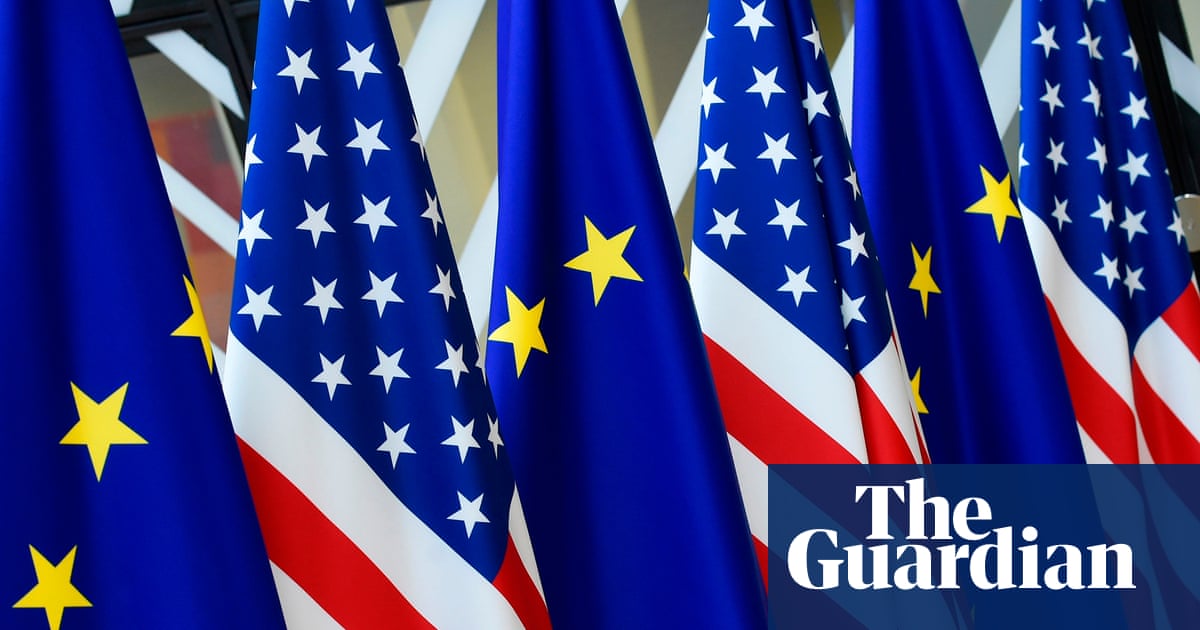
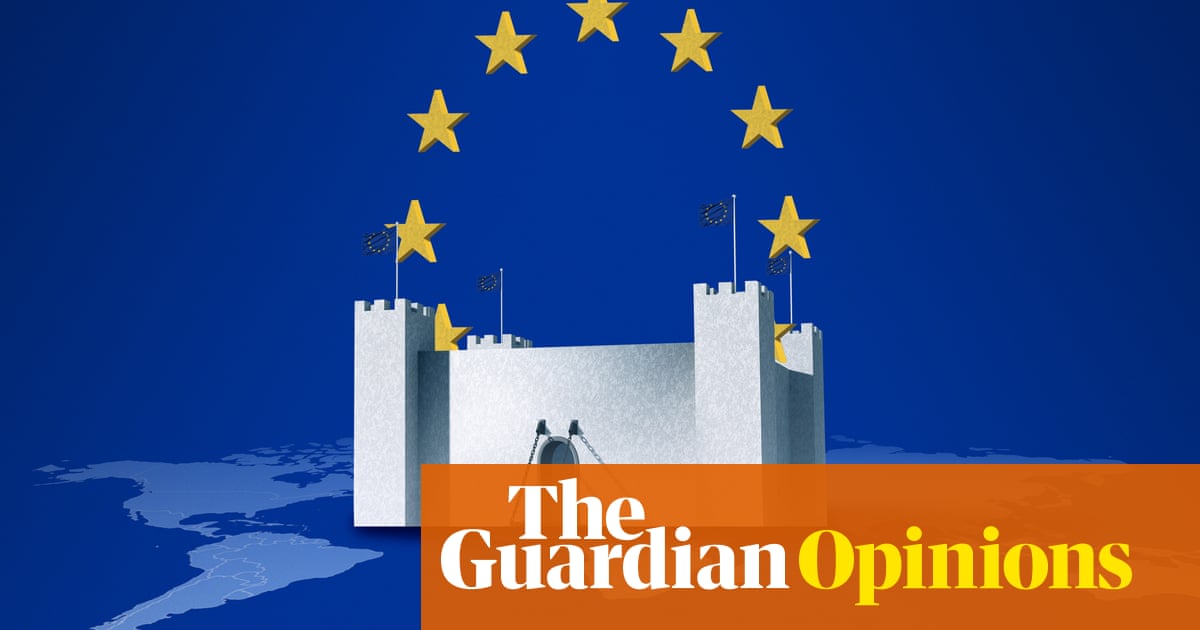
The era of harmony in transatlantic relations is over. For Donald Trump's United States, Europe with its project of values and defense of the rules-based multilateral order is an adversary. One that must be steered back onto the illiberal and reactionary path dictated by Trumpism and followed by its European allies: the ultra-right-wing, national-populist, and Eurosceptic Trojan Horses who seek to undermine the European Union from within.
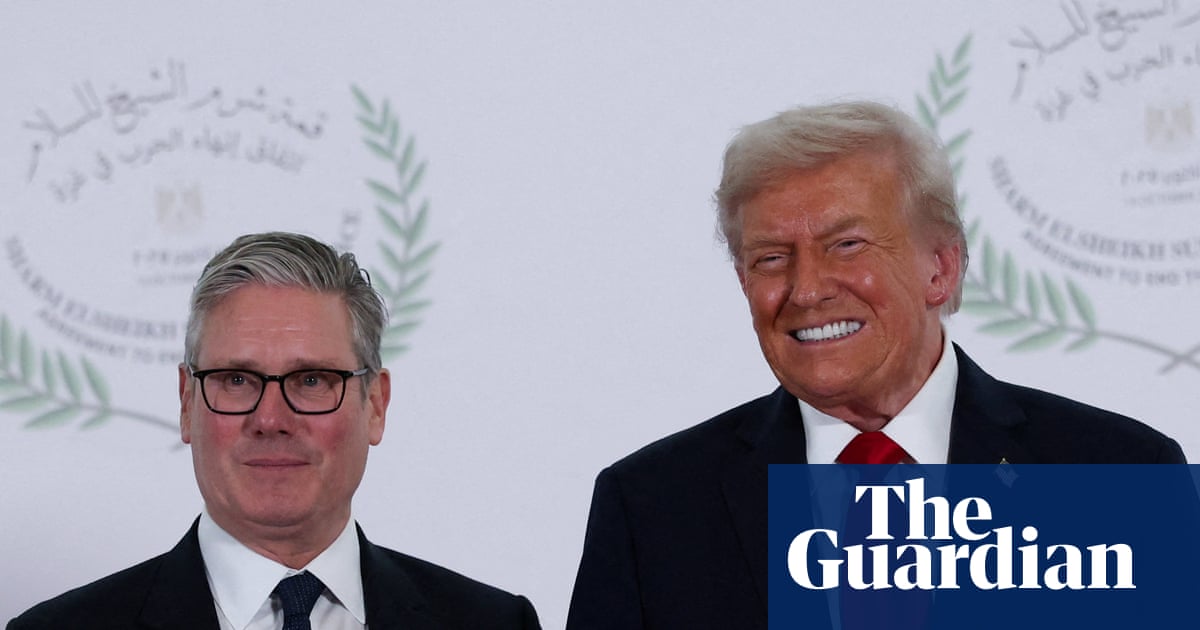
Optimists latch on to the hope that the stability we have lost can be restored post-Trump. Having spent the past few days in Washington, I doubt it. Even in recent history, things were not quite so bad for the transatlantic relationship. The current tensions make the first Trump administration look like a walk in the park for Europeans. It is one thing to withdraw from the Iran nuclear deal, which Trump did in his first term.
President Trump expressed optimism about the new agreement, stating, "I think it's going to be great for both parties. It's a good deal for everybody—a giant deal with lots of countries." He reassured that the deal averts a potential trade war, which would have significant implications for global markets.