#us-iran-negotiations
#us-iran-negotiations
[ follow ]
#iran #trump #diplomacy #middle-east #us-foreign-policy #strait-of-hormuz #us-military #middle-east-conflict

SF politics
fromFortune
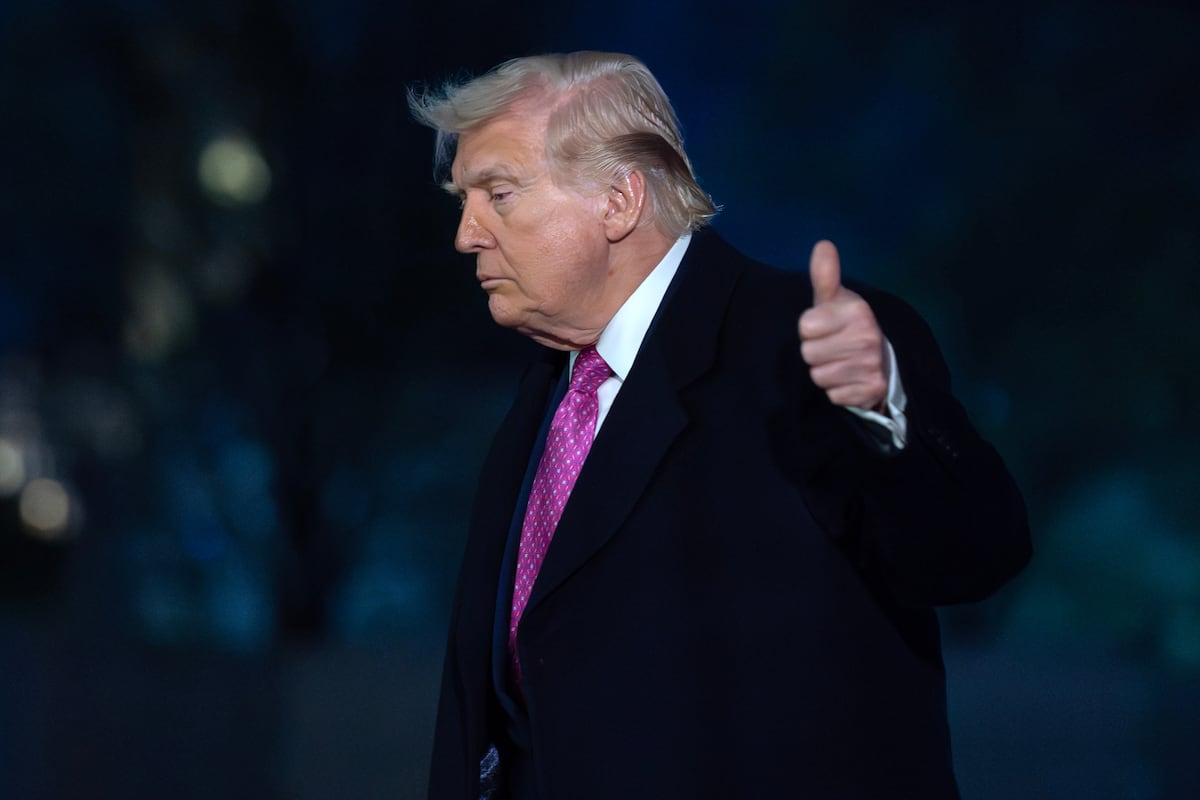
43 minutes ago'It's shocking how poorly prepared the administration is': DOGE gutted major energy personnel who warn the U.S. has lost key insights amid Iran war | Fortune
The Trump administration's cuts to the Bureau of Energy Resources hindered U.S. energy diplomacy during escalating tensions with Iran.
#us-military
World news
fromIrish Independent
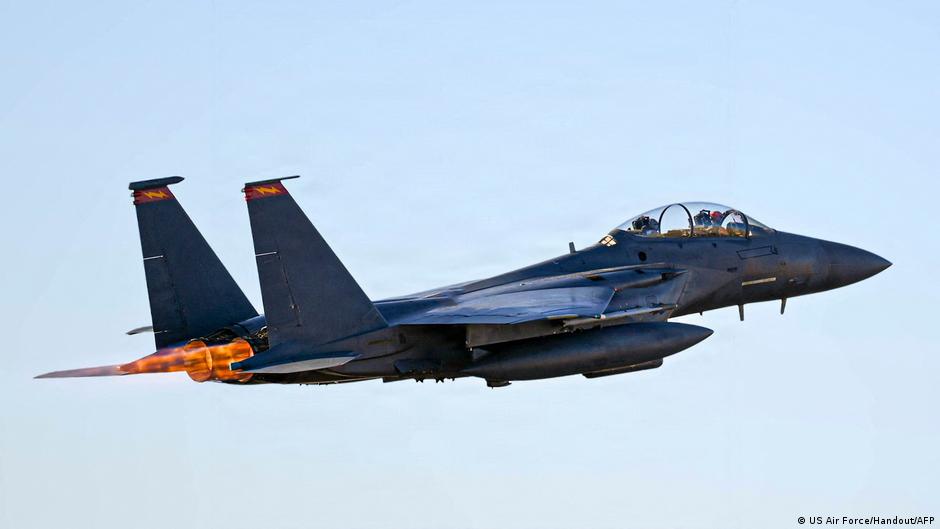
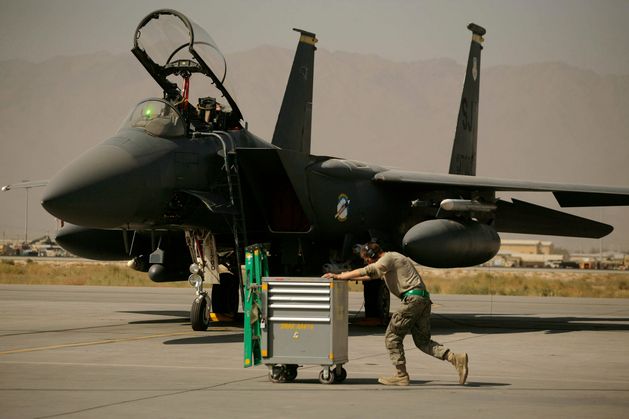
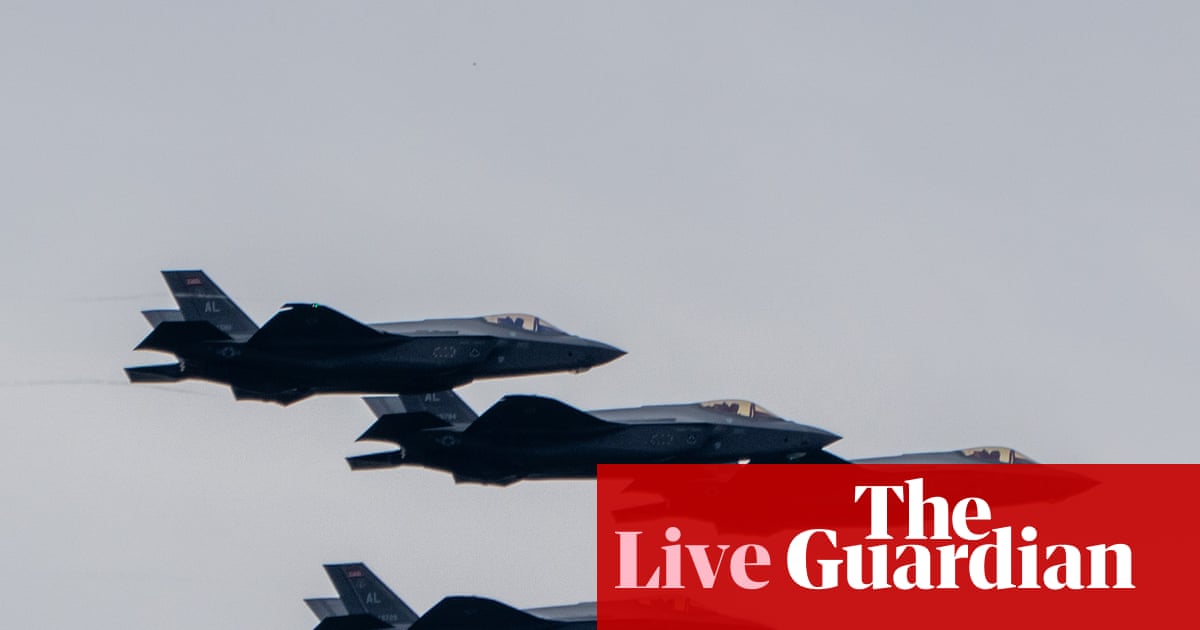
19 hours agoTrump gives Tehran 48 hours to open Hormuz Strait or 'all hell' will rain down as Iran urges public to search for downed US F-15 pilot
The US military conducted a rescue operation after an aircraft went down in Iran, marking a significant escalation in the conflict.

fromwww.dw.com
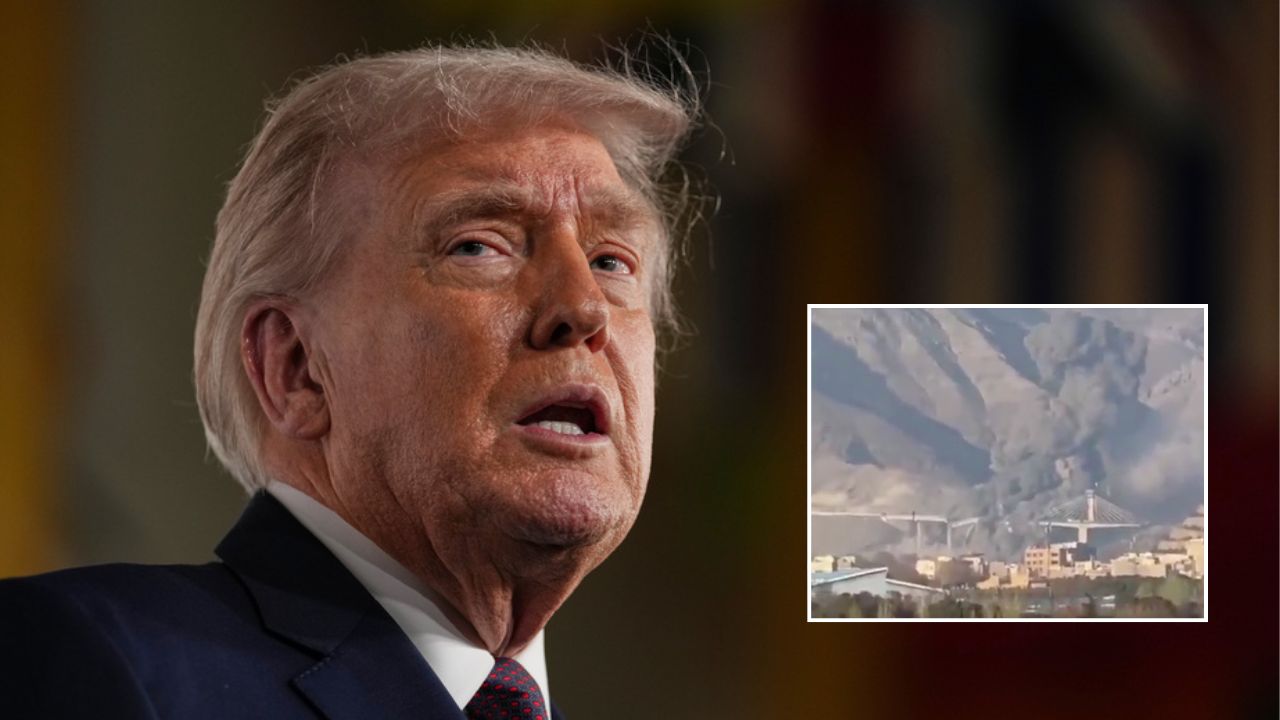
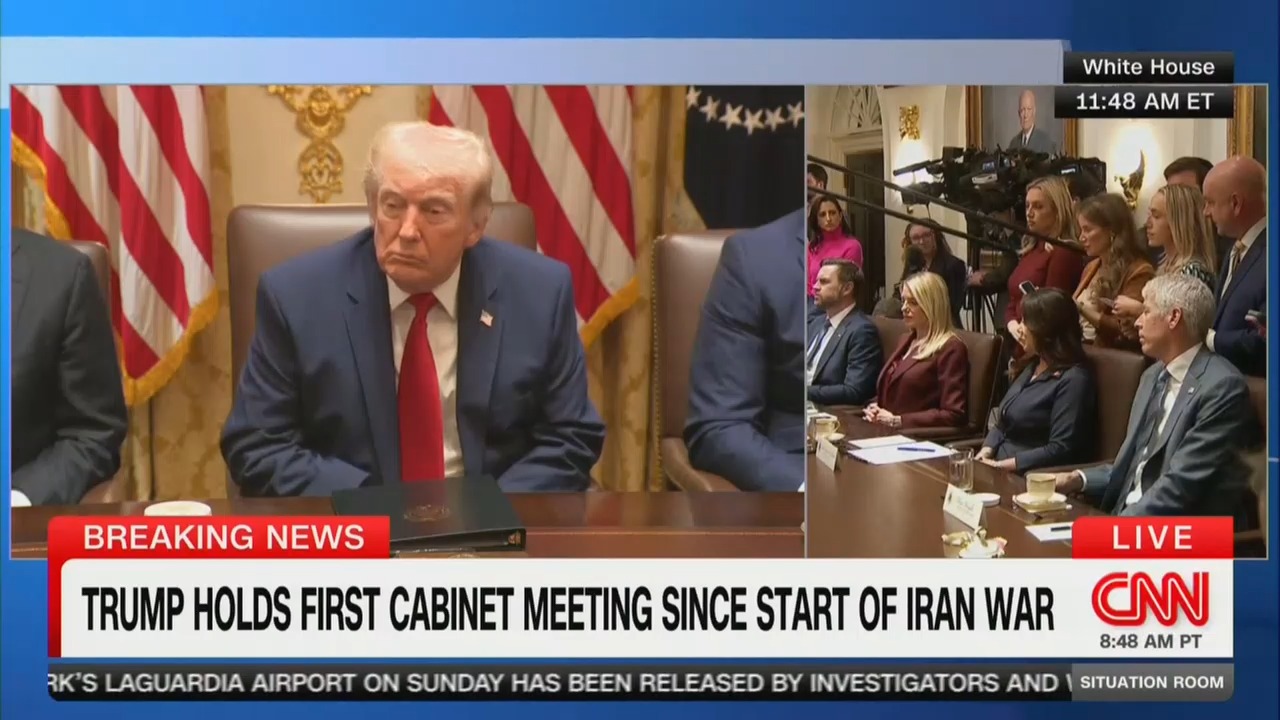
4 days agoIran war: Trump says US will be 'leaving soon'
Marco Rubio stated, 'If now we have reached a point where the NATO alliance means that we can't use those bases, that in fact we can no longer use those bases to defend America's interests, then NATO is a one-way street.'
Europe politics





fromThe Atlantic
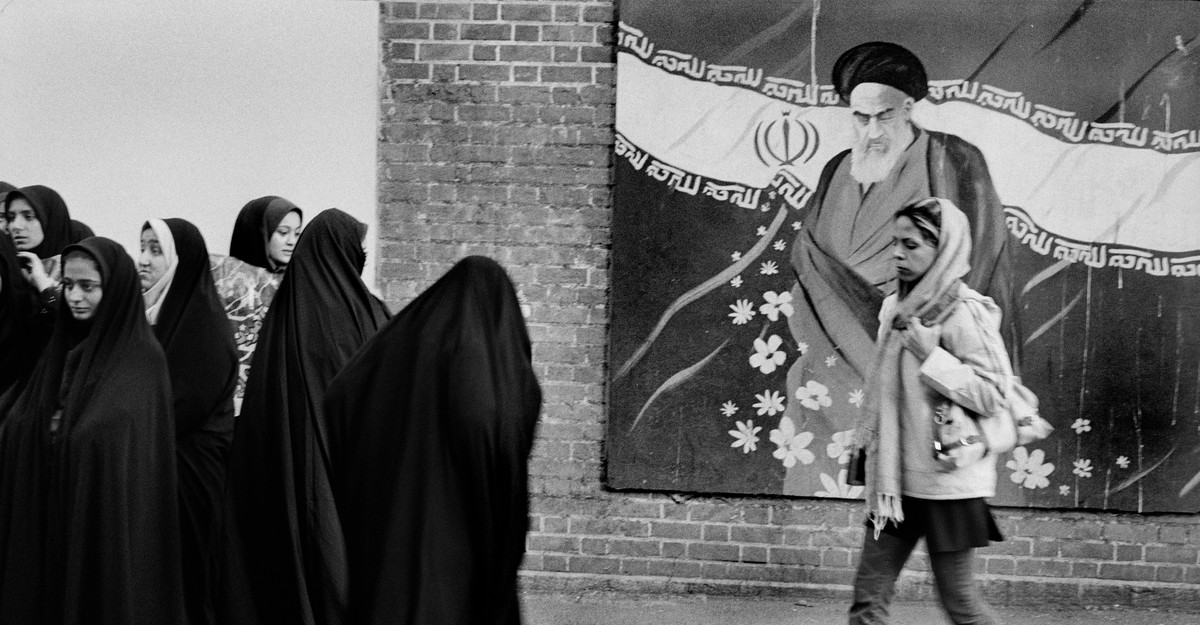
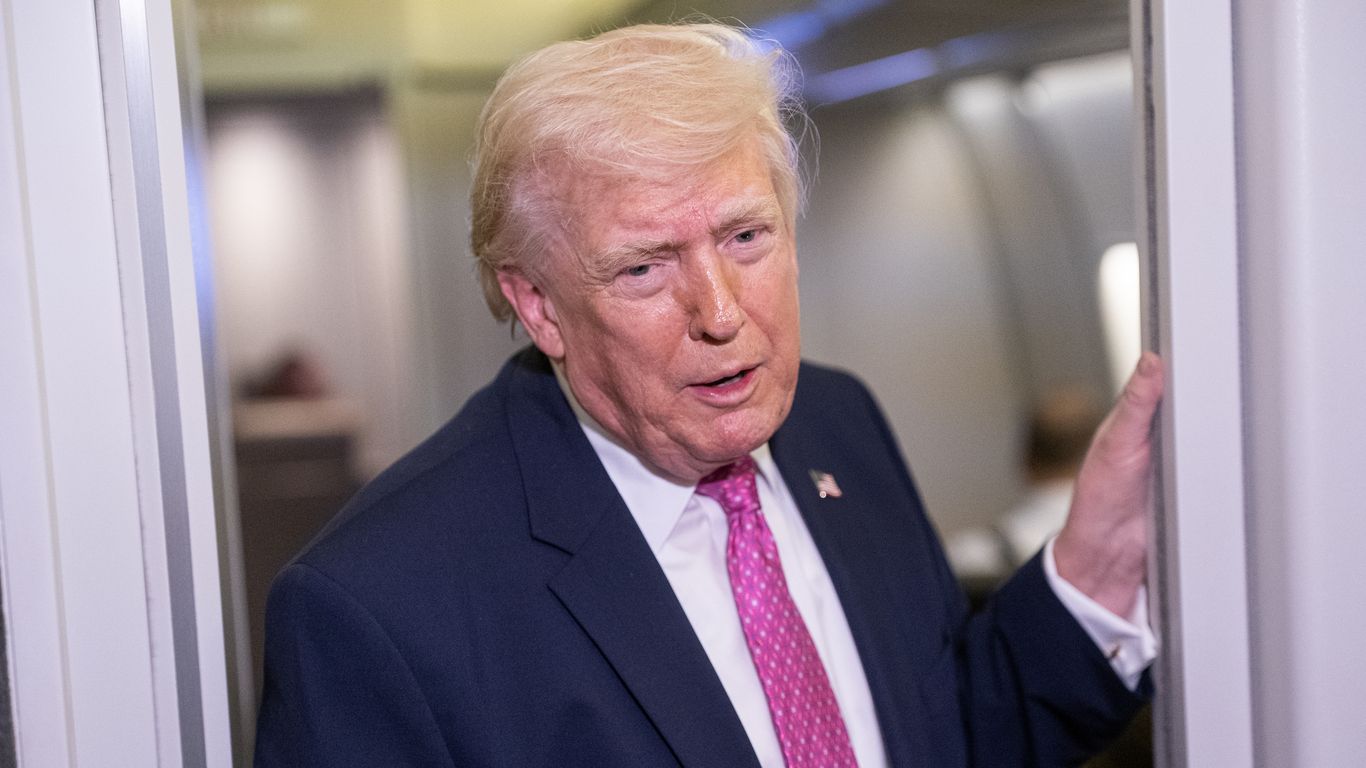
23 hours agoThe Iranian Opposition's Urgent Task
Pahlavi pledged to lead a transition to a 'free and democratic Iran.' He called on President Trump to continue the American-Israeli military operation against Iran, in the hope of displacing a regime he decried for placing a 'sea of blood' between itself and its people.
World news
fromwww.aljazeera.com
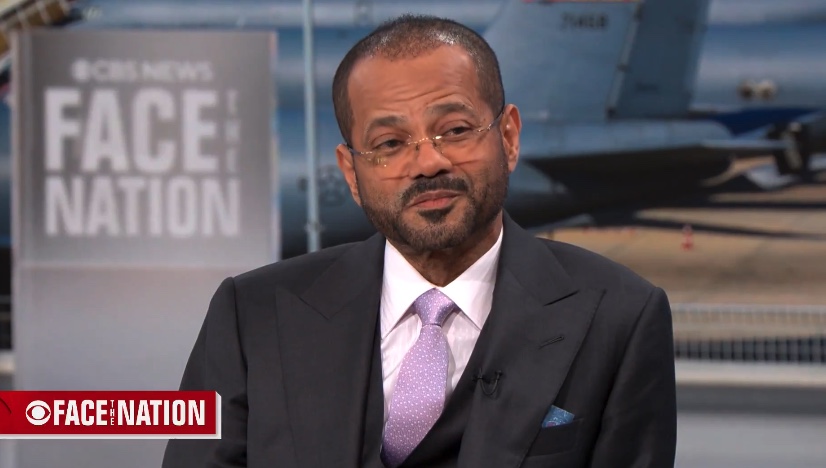
1 month agoIran says US must drop excessive demands' in nuclear negotiations
Iran's top diplomat said that success on this path requires seriousness and realism on the part of the other side and avoidance of any miscalculation and excessive demands. He did not elaborate on what those demands are.
World politics
fromAxios
2 months agoTop Iranian official says progress made towards launching negotiations with the U.S.
Between the lines: Larijani, a close confidant of Iran's supreme leader Ali Khamenei, visited Moscow earlier this week and met Russian President Putin. The Russians are one of several channels used by Iran and the U.S. to pass messages in recent days. The other side: President Trump told Fox News on Saturday that Iran is negotiating."The last time they negotiated, we had to take out their nuclear, didn't work, you know. Then we took it out a different way, and we'll see what happens"
World news
[ Load more ]