#volvo-ex60
#volvo-ex60
[ follow ]
#electric-vehicles #battery-technology #vehicle-safety #hugincore #spa3-architecture #400-mile-range #ev-demand
frominsideevs.com
3 months agoCheap Chinese Electric Cars Are Coming To Canada. What Happens Now?
It's no secret that China's high-tech electric vehicles and hybrids are taking over the worldeverywhere but in the United States and Canada, really. But that's about to change for the latter country very soon. On this week's Plugged-In Podcast, we're discussing the recent trade deal that will renew Chinese EV imports into America's neighbor to the northand what that means for the entire North American car market.
Cars




frominsideevs.com
3 months ago'Cell-To-Body': How The Volvo EX60's Battery Changes How EVs Are Built
It's an architectural breakthrough for us in terms of how we build the car, Anders Bell, the Chief Engineering and Technology Officer at Volvo Cars, told InsideEVs in an interview at the EX60 debut event. It's a massive [improvement], we save a lot of weight, we save a lot of cost, which is important because that means we can lower the price for the customers and sell more BEVs, he added.
Cars
frominsideevs.com
3 months agoThe Volvo EX60 Cross Country Has Something The Rivian R2 Doesn't
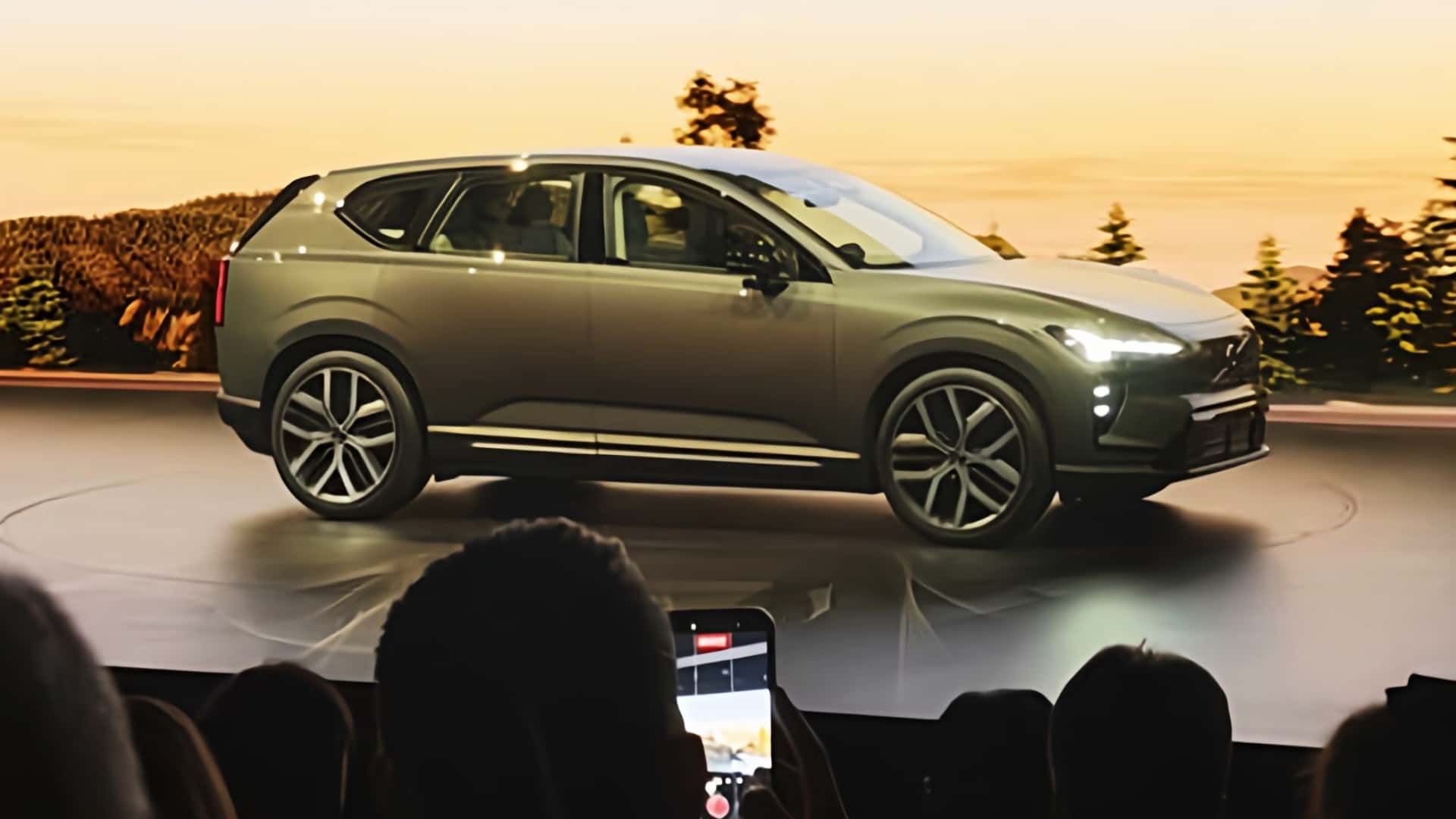
The all-new Volvo EX60 is here, but the Swedish automaker had an ace up its sleeve at the launch event in Stockholm today: the EX60 Cross Country. It is the latest in a long line of rugged-looking Volvo wagons, spanning all the way back to 1997 when the V70 XC debuted. Based on the regular EX60, the 2028 Volvo EX60 Cross Country comes with all the goodies of the base model, but ups the game with something that few, if any, models in the segment currently offer: an adjustable air suspension.
Cars
frominsideevs.com
3 months ago'Game Changer': The Volvo EX60 Is Here To Show Tesla That There's A New Range King In Town
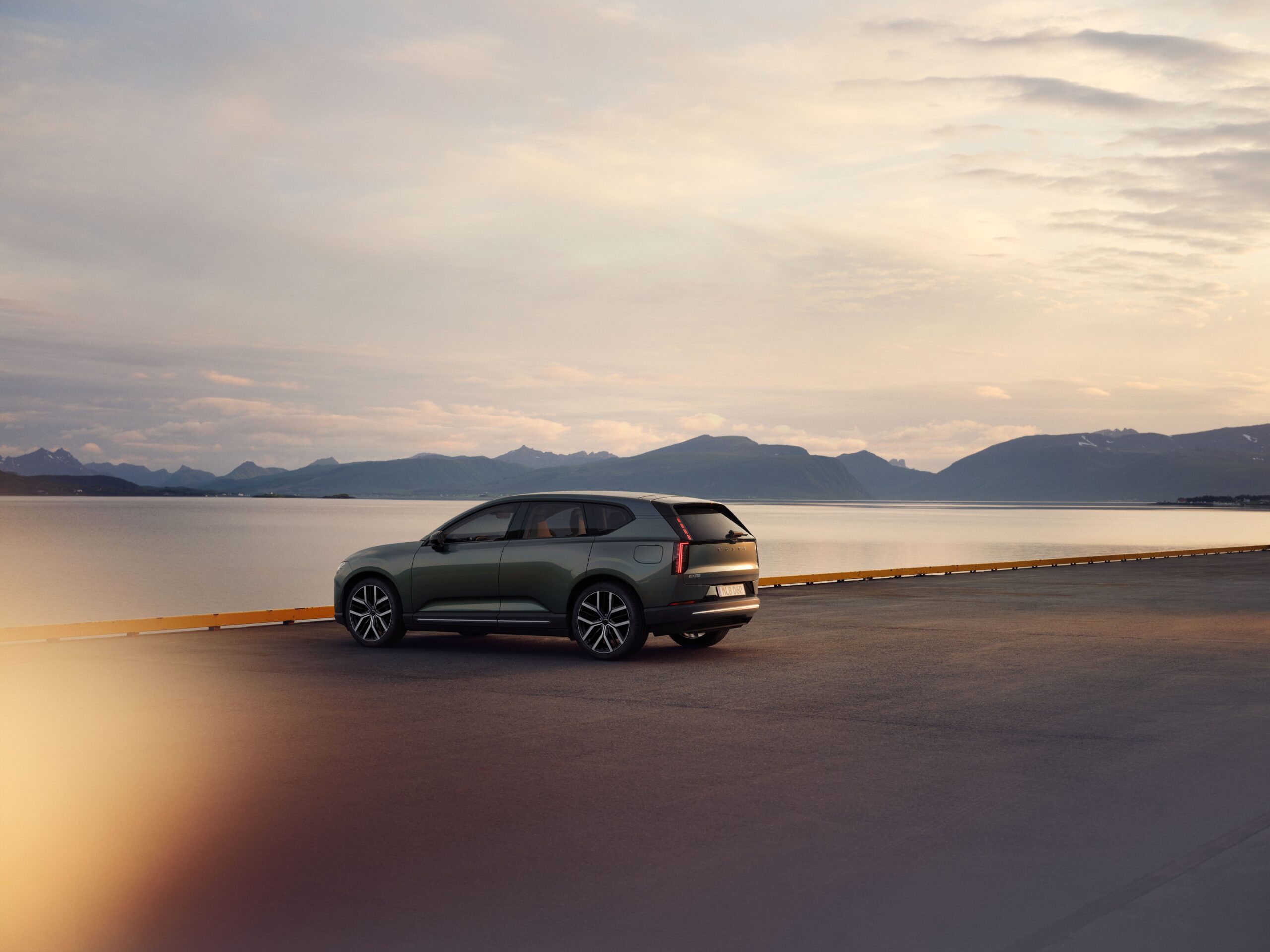
The EX60 sits on Volvo's most advanced architecture to date, SPA3, and it promises 400 miles of range on the EPA cycle. Volvo wants to make things right after the messy launches of the EX90 and EX30 EVs, which were riddled with software gremlins and unfinished features that frustrated owners. Now, the Swedish automaker that used to be a synonym for reliability and dependability is giving it all in a new push.
Cars
fromThe Verge
3 months agoVolvo touts EX60's range and charging speed ahead of official debut
The EX60 will have an estimated range of 400 miles (or 810km based on the generous WLTP standard in Europe). That's significantly more range than any previous Volvo EV - at least until the 434-mile-range ES90 sedan comes out. And the EX60 will be the first vehicle to benefit from the automaker's new megacasting production process to reduce weight and improve manufacturing efficiency.
Cars
[ Load more ]