#wood-inlay
#wood-inlay
[ follow ]
#interior-design #furniture-design #craftsmanship #home-design #architecture #brooklyn #sustainable-design


fromwww.npr.org
1 week agoHow a jeweler's quest to create the world's largest jeweled egg led to his downfall
Paul Kutchinsky's ambition to create the world's largest jeweled egg was driven by a desire to showcase British craftsmanship on a global stage, competing with the legendary Faberge eggs.
Berlin
fromYanko Design - Modern Industrial Design News
5 days agoBREMEN Turns a Broom Into a Guitar and a Desk Into a Piano - Yanko Design
BREMEN is designed to change the way people interact with music by allowing everyday objects to become actual instruments, thus removing traditional barriers to music-making.
Berlin music
#furniture-design
Design
fromYanko Design - Modern Industrial Design News
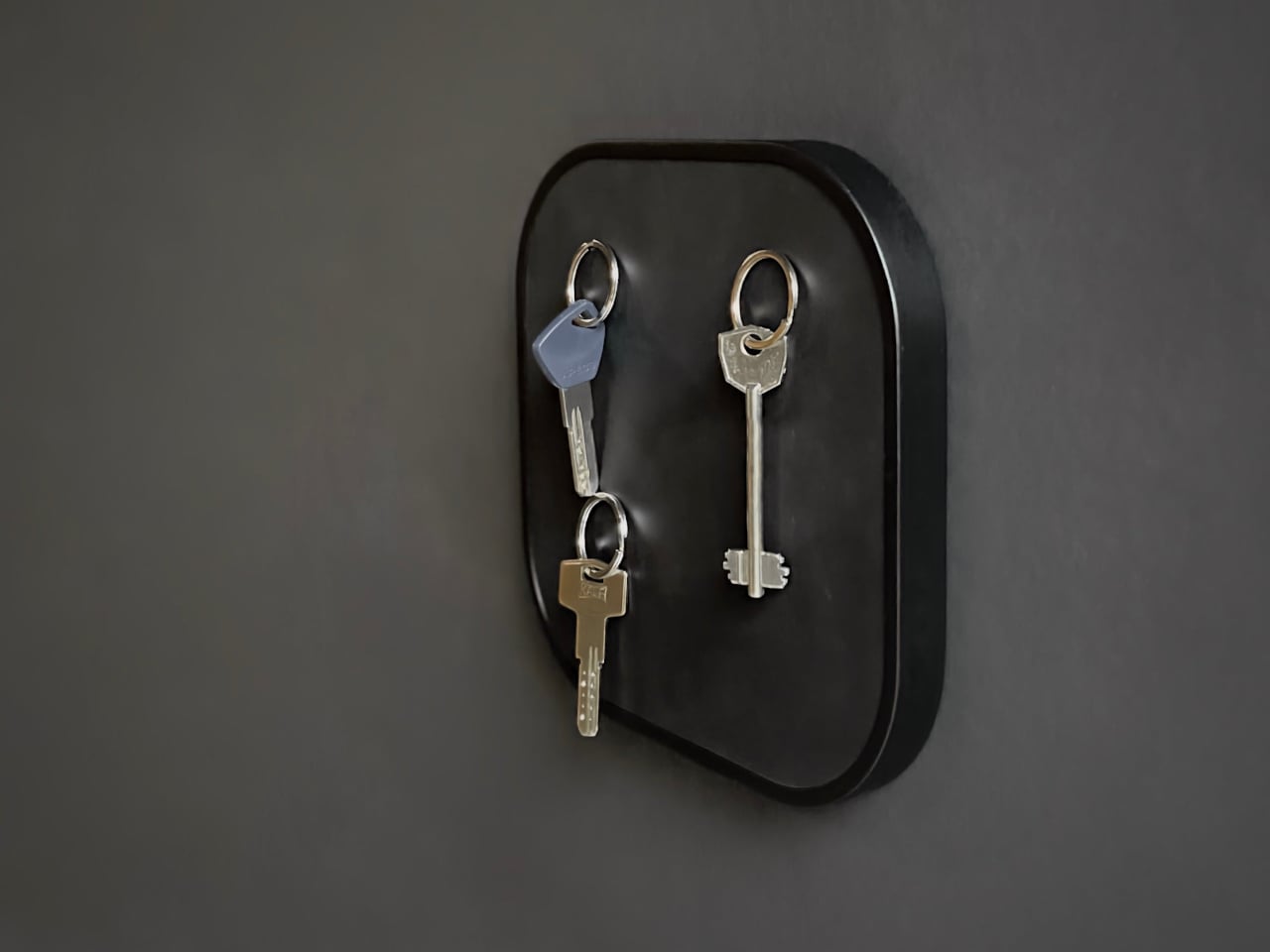
3 days agoOne Week Design's Squares Furniture Is Built on a Bricklayer's Memory - Yanko Design
The Squares collection by Xiaoya Wang and Jian Ni embodies personal memory and design restraint, creating furniture that resonates emotionally.
Design
fromYanko Design - Modern Industrial Design News
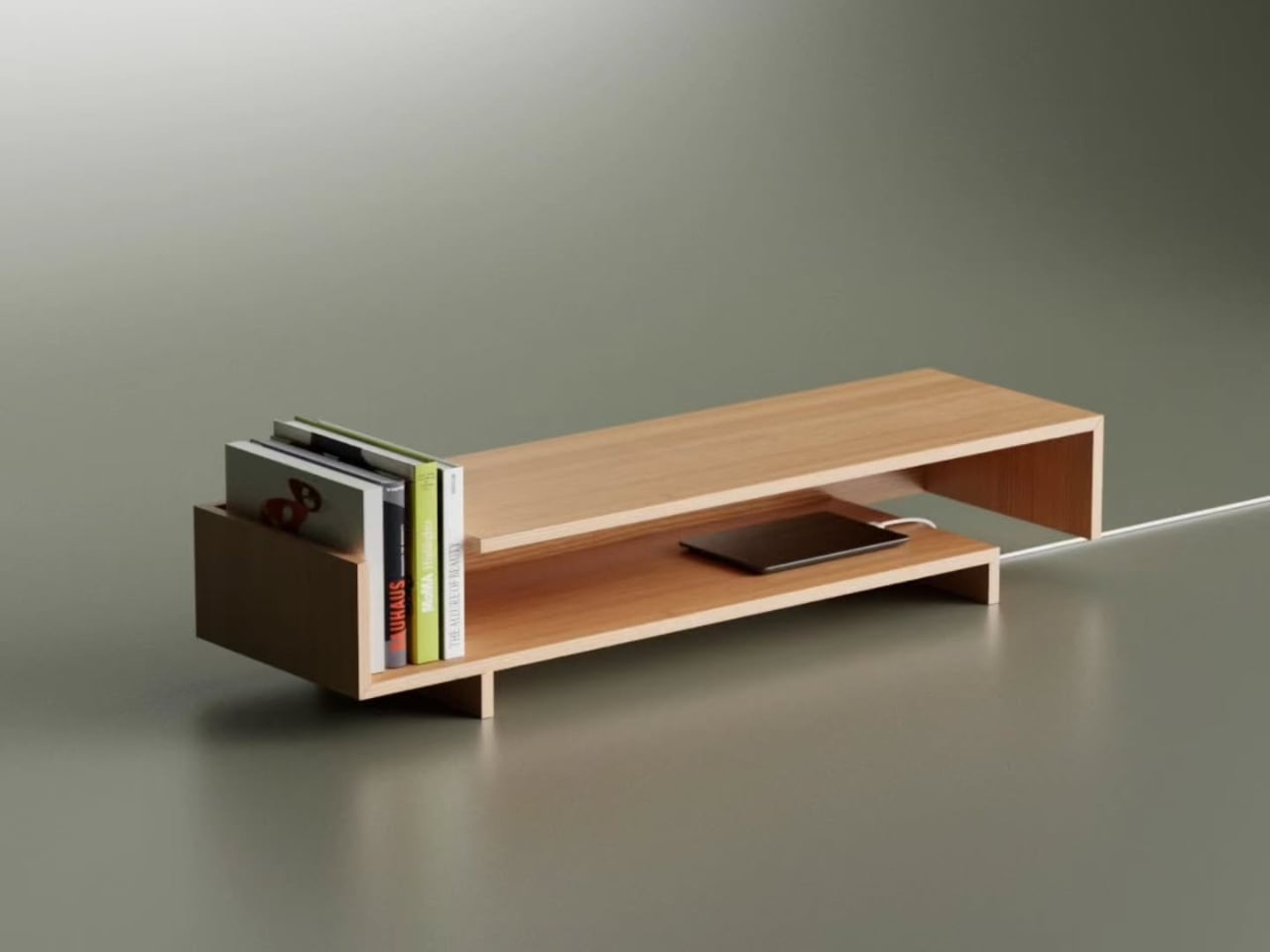
1 week agoFurniture That Borrows Its Bones From Architecture - Yanko Design
SeongJin Hwang's YY Series redefines furniture design by integrating architectural principles into its structural logic.
Design
fromYanko Design - Modern Industrial Design News
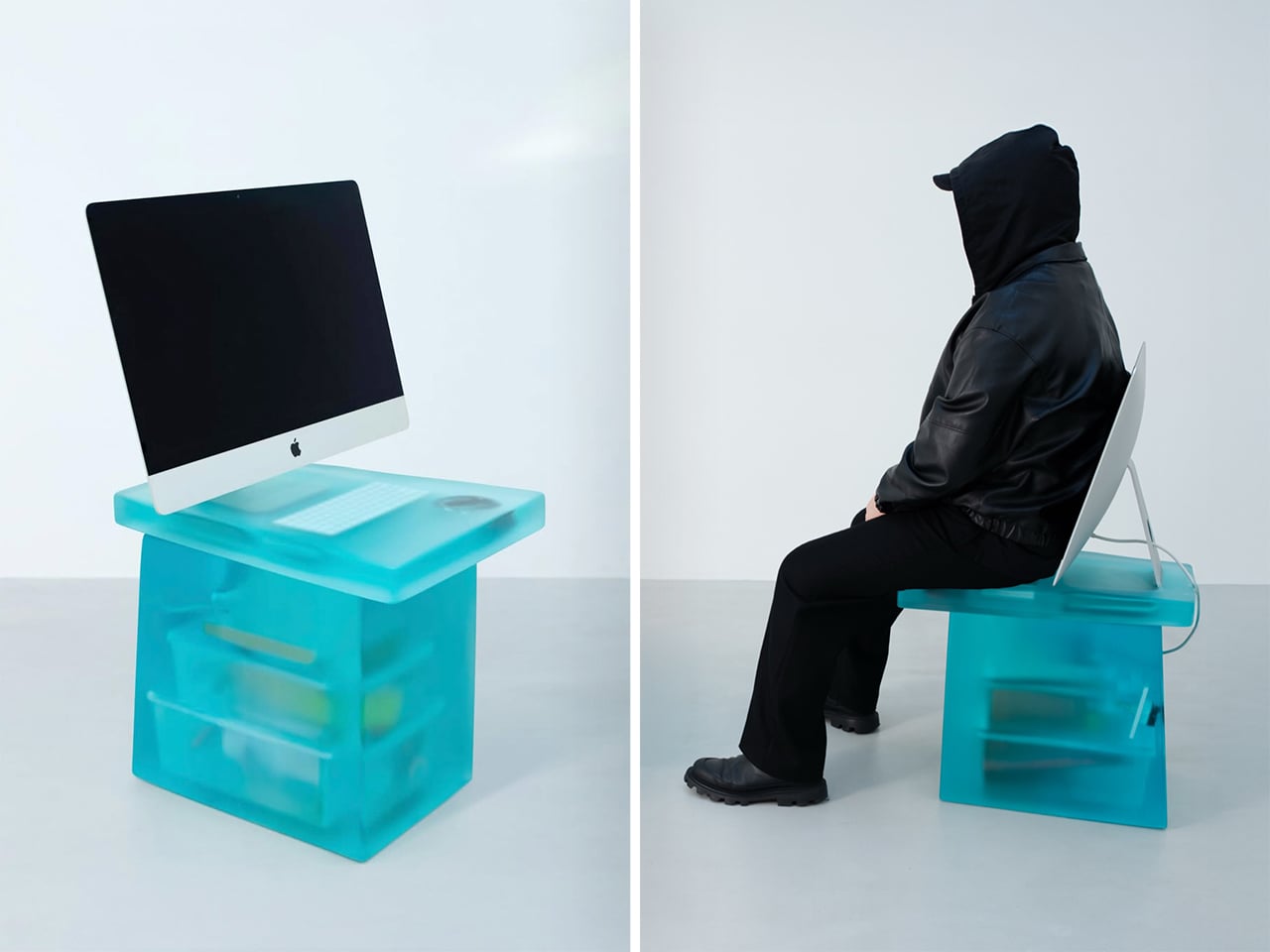
1 month agoThis Resin Chair Has a Real iMac, Magic Keyboard, and Mouse Sealed Inside It... Because 'Art' - Yanko Design
Dip1, a chair by designer Lim Wootek, embeds a 27-inch iMac monitor as its backrest and encases Apple peripherals in cyan resin beneath the seat, merging discomfort with aesthetic fascination.
Design
fromYanko Design - Modern Industrial Design News
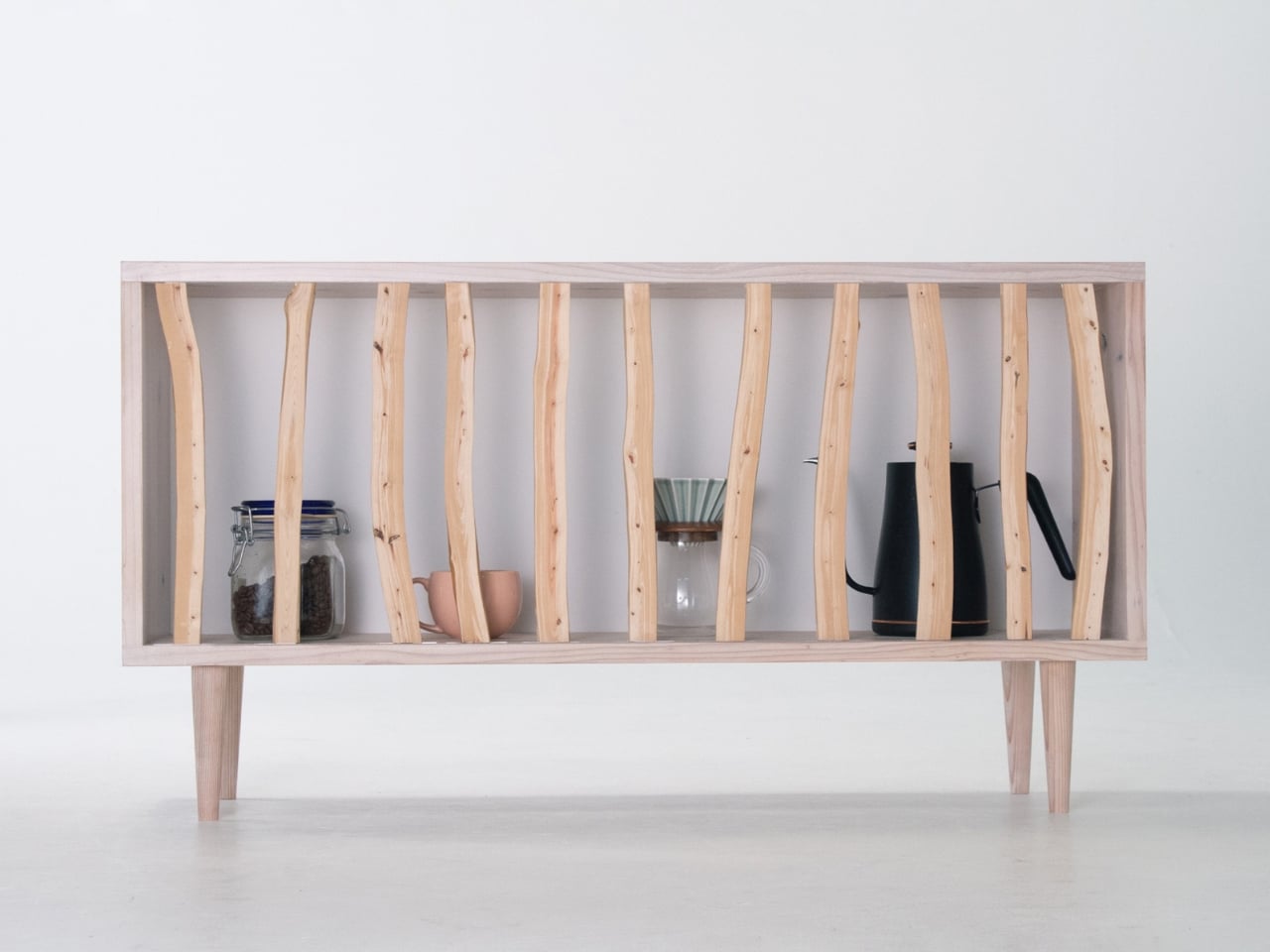
2 months agoThis Japanese Cabinet Uses Real Forest Branches as Doors - Yanko Design
Adjustable cabinet uses sliding Japanese cypress branches to customize openness and privacy, combining reclaimed wood’s natural asymmetry with functional, responsive storage.
Design
fromdesignboom | architecture & design magazine
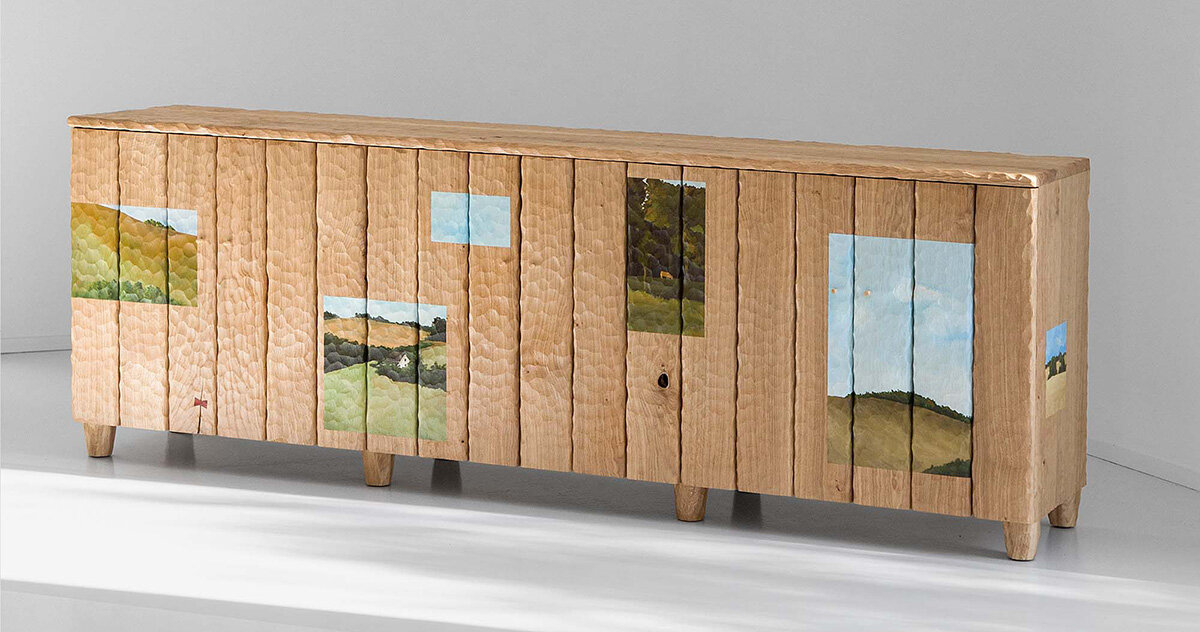
4 weeks agoferreol babin renders french countryside on hand-carved furniture for friedman benda show
Ferréol Babin creates carved wood furniture inspired by his French countryside environment, incorporating natural imperfections and local timber to reveal the material's inherent stories and textures.
fromColossal
2 weeks agoRestrained Emotions Simmer in Shinsuke Inoue's Tender Wood Sculptures
I have virtually no idea what the finished piece will look like until I actually begin working with the wood. As a result, the form often emerges as I carve, and I frequently change my plans midway through the process. Naturally, I keep the many failures a secret.
Arts
fromianVisits
3 weeks agoThat dressing gown? It's wood. Inside London's strangest materials exhibition
This is just one item in a display that looks at how wood can be turned into all sorts of things that don't look or feel like wood at all. It's all because wood is a renewable resource and could be a viable replacement for plastics and other oil-based materials.
London
fromColossal
3 weeks agoHistoric Architecture Emerges from Stone in Matthew Simmonds Ethereal Sculptures
From unassuming hunks of Carrara marble and limestone, Matthew Simmonds carves realistic, miniature gothic cathedral arches, stairwells, and colonnades. Often based on architectural details of real places, such as cities around Tuscany and Germany's Bamberg Cathedral, the sculptures portray intimate details of corners, vaulted ceilings, arcades, and stairwells that can sometimes be peeked through additional apertures.
Berlin music
fromLondon Business News | Londonlovesbusiness.com
1 month agoThe best solid wood furniture brands in the UK (2026): Expert reviews and buying guide - London Business News | Londonlovesbusiness.com
Off the Grain works out of Halifax in West Yorkshire, handcrafting every piece to order. Forget flat-pack or particleboard - here, it's all about real materials and genuine expertise. Skilled craftspeople cut, join, and finish each item by hand. You can pick your dimensions, wood, and finish, so the final piece fits your space instead of the other way around.
Real estate
fromwww.archdaily.com
4 weeks agoWood House / JAK Architecture
What began as a modest brief for a young and growing family soon evolved into a considered renovation that reimagines an existing Barwon Heads home. The original house had endured several unsympathetic alterations over the years, leaving it disjointed and built to a poor standard.
Renovation
Renovation
fromLos Angeles Times
36 years agoArchitectural Antiques Used as Home Decorating Elements
Architectural antiques from salvage houses and demolition sites are increasingly used as distinctive building and decorating elements in new home construction, driven by renewed historical interest and their status as art forms.
fromdesignboom | architecture & design magazine
2 weeks agovernacular bridge craftsmanship informs micro-museum set within bamboo grove in china
Baqiao bridges, including the nearby Shisanba Bridge, typically appear in areas where the difference between river level and embankment is relatively small. Their upstream piers are shaped like tapered spindles with slightly raised tips, creating a distinctive structural profile. Stone slabs span between the piers, forming a bridge deck assembled through interlocking construction methods.
Design
Design
fromApartment Therapy
3 weeks agoDesigners Are Done Perfectly "Matching" Their Marble - Here's the New Way to Use Stone
Modern stone design in 2026 prioritizes mixing different stones intentionally with varied finishes and embracing natural patina, replacing the outdated approach of matching all stone surfaces uniformly throughout spaces.
Gadgets
fromYanko Design - Modern Industrial Design News
2 months agoThis Reciprocating Detail Sander Works on Detailed Projects like Gundam Kits, Wood, and Jewelry - Yanko Design
NeoSander is a palm-sized, cordless linear-motor detail sander delivering up to 13,000 SPM and adjustable stroke for precise, low-vibration finishing in tight spaces.
fromApartment Therapy
3 weeks agoThis Trendy Aesthetic Will Define DIY Projects in 2026, According to Michaels' Experts
After years of hyper-polished feeds and showroom-perfect homes, people are embracing the beauty of imperfection. Wabi-sabi spaces celebrate texture, visible brushstrokes, uneven stitching, and layered finishes.
Design
fromYanko Design - Modern Industrial Design News
3 weeks agoThis Sideboard Has Lapis Lazuli and Green Onyx Hand-Set Into Marble - Yanko Design
The exterior runs on strict formal logic. Vertical fluting covers the door panels from edge to edge, each ridge precisely cut into the stone so the surface ripples with shadow even under flat ambient light. On plain marble, this treatment would read as architectural severity, which is exactly the point. The fluting establishes a rhythm, almost like a grid, that makes what comes next feel genuinely disruptive.
Design
Gadgets
fromYanko Design - Modern Industrial Design News
2 months agoPilot Just Turned a 400-Year-Old Japanese Craft Into Living Art - Yanko Design
Arita porcelain vases coated with Pilot's thermochromic ink reveal a celadon glaze when heated, creating unique, time-based color transformations that return as they cool.
Arts
fromdesignboom | architecture & design magazine
1 month agolight sculptures preserve ancestral designs through antique doilies and lace textile
Kinship transforms heirloom doilies and stockings into LED-lit stainless steel sculptures that preserve textiles and project lace-like shadows and layered histories.
Design
fromdesignboom | architecture & design magazine
3 weeks agoperforated wooden screens filter light and shadow within milan ceramic workshop
Curved walls and filtered light create an intimate ceramic workshop where shadow enhances material texture and artisanal gestures while maintaining functional separation of spaces.
fromApartment Therapy
1 month ago6 Designer Tricks That Make Any Room Feel So Vintage
After years of modern, ultra-polished aesthetics dominating the design industry, people are yearning for character. Young renters and homebuyers are indicating that new-builds and gut-renovated spaces, despite clean lines and amenities, simply pale in comparison to the aesthetic charm of an older home. And designers agree: There's something undeniably more interesting about a touch of patina or an imperfect silhouette. The romantic, old-world sensibility of vintage design is hard to beat.
Renovation
Gadgets
fromYanko Design - Modern Industrial Design News
1 month agoStop Ruining Your Chisels: This Sharpening Kit Locks Angles Every Time - Yanko Design
EdgeForm mechanically locks the sharpening angle and stabilizes the stroke to deliver repeatable, precise sharpening using modular plates, rollers, and clamps.
fromYanko Design - Modern Industrial Design News
1 month agoThese Lace-Shade Lamps Transform Family Heirlooms Into Memorable Floor Lighting - Yanko Design
In Lana Launay's Kinship series, light does more than illuminate space. It acts as a living archivist, revealing, preserving, and narrating stories embedded within inherited textiles. Through works such as Kinship I and Kinship II, the artist transforms antique doilies, lace fragments, and stockings passed down through generations into sculptural lighting forms that do not simply display history but actively project it into the present.
Arts
fromTasting Table
2 months agoWhy Bold And Colorful Lacquer Finishes Are Making A Comeback In Kitchens - Tasting Table
The gloss and color-pop of lacquer is a refreshing alternative - it achieves a playful vibrancy with modern sophistication. There are plenty of perks that come with lacquer finishes, too. For one thing, lacquer can be applied almost anywhere, from an accent kitchen island to your dining table to the material for all of your counters and cabinets. It introduces and strengthens the room's color scheme, also contributes some fresh texture with its sleek, shiny finish.
Remodel
Arts
fromdesignboom | architecture & design magazine
2 months agotiny leaves with cut-outs portray joyful animals as silhouette artworks
Lito creates finely cut leaf silhouettes of joyful animals by removing leaf material to carve detailed patterns and facial lines, exhibited across multiple Japanese venues.
fromTasting Table
2 months ago9 Kitchens That Mix Wood Tones Without Clashing - Tasting Table
Mixing wood tones can be a bold and rewarding design choice, but the potential for unseemly clashing is real. With a room as important as your kitchen, you want the space to feel inviting, stylish, and functional all at once. Before diving head-first into mixed wood tones, research the different ways to avoid a potentially ugly contrast. Kitchen flooring, backsplashes, cabinets, countertops, and even light fixtures all have the potential to be transformed with a wooden facelift.
Remodel
fromYanko Design - Modern Industrial Design News
2 months agoThis Oak Sideboard Has Doors You Can't Stop Touching - Yanko Design
You know that feeling when you run your fingers across something and the texture makes you stop in your tracks? That's exactly the vibe British furniture maker Nick James is going for with his sideboard featuring sculpted doors. And honestly, it's the kind of piece that makes you rethink what furniture can be. At first glance, it looks like a solid oak sideboard. Clean lines, classic proportions, nothing too flashy.
Design
fromYanko Design - Modern Industrial Design News
2 months agoThe Case for Heirloom Furniture in an Era Obsessed With Biodegradable Everything - Yanko Design
Furniture made from mycelium or algae can decompose in five years, sure, but a well-made antique armoire outlives empires because no one throws it away. Columns takes that logic seriously. Handcrafted in solid oak, natural leather, and horsehair, the pieces are built to last a thousand years, which sounds like marketing hyperbole until you look at the joinery, the hand stitching, and the material choices. This is furniture designed to be inherited, repaired, and remembered.
Design
fromColossal
2 months agoTraditional Indian Basketweaving Techniques Translate into Contemporary Installations
From a single material, a Hyderabad-based design studio creates a wide range of site-specific installations, furnishings, and decor. It's all in the name of the firm, The Wicker Story, which was founded in 2019 by architect Priyanka Narula. Capable of being formed into everything from abstract constructions to functional objects, the natural material lends itself a huge variety of pieces that vary in size and complexity.
Design
fromTasting Table
2 months ago14 Kitchens That Are A Master Class In Mixing Textures And Materials - Tasting Table
Most of us have a preferred kitchen style in mind when decorating our culinary space, but one of the most common kitchen design mistakes you could make is leaning into that one single style too much. Making one aesthetic your end-all be-all can turn a space with potential into a monotone room that's severely lacking character. Therefore, it's important to consider mixing materials and textures that give your kitchen personality, depth, and lots of dynamic focal points.
Design
fromYanko Design - Modern Industrial Design News
1 month agoFold the Corners of This Wooden Cube Lamp and Watch the Light Change - Yanko Design
Most contemporary lamps are adjusted with a dimmer on the cord, a touch sensor on the base, or a slider in an app. That makes light feel like another setting in a menu, slightly detached from the object itself. There is something satisfying about changing light by physically moving parts, as if you are sculpting both the fixture and the atmosphere around it, which is what smart bulbs and app-controlled RGB strips quietly leave out.
Design
fromdesignboom | architecture & design magazine
2 months agowallmakers sculpts sinuous kulhad pavilion from disused terracotta cups in india
Kulhads, also known as terracotta mud cups, once defined the everyday ritual of tea at railway stations across India. Used briefly and discarded soon after, they accumulated along tracks and coastlines, leaving a quiet record of consumption. For this pavilion, more than 18,000 of these cups were gathered from local communities in Dharavi and reused as a building material with structural purpose.
Design
fromArchDaily
2 months agoFrom Industry to the Living Room: Metal Furniture in Interior Architecture
How did a material conceived for bridges, factories, and large-scale structures make its way to the living room bench, the apartment bookshelf, the café table? For centuries, metal was associated with labor, machinery, and monumentality-from the exposed structures of 19th-century World's Fairs to the productive logic of modern industry. Its presence in domestic interiors is not self-evident but rather a cultural achievement: the transformation of an industrial material into an element of everyday, intimate use, in close proximity to the body.
Design
[ Load more ]