#workplace-well-being
#workplace-well-being
[ follow ]
#employee-engagement #mental-health #leadership #burnout #remote-work #employee-burnout #cognitive-load
Psychology
fromPsychology Today
1 month agoThe Psychology of Fair Labor
Decent work—encompassing safety, fair hours, adequate pay, healthcare access, and alignment with personal values—is essential for mental and physical health, while its absence creates chronic stress and undermines overall well-being.

fromFast Company
3 months agoWhat if hope is a strategy?
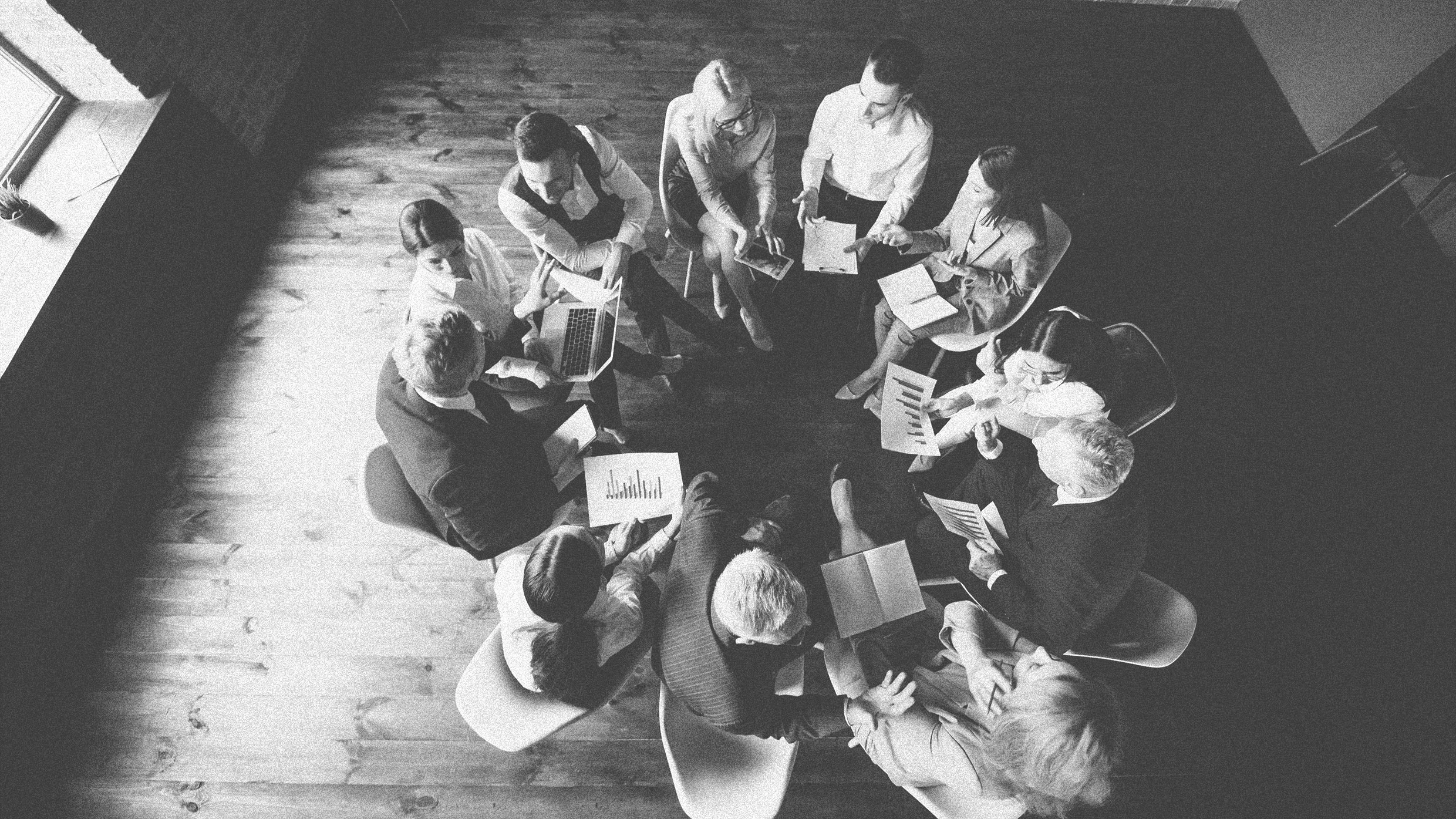
We've long misunderstood hope in the workplace. We've treated it as wishful thinking-a nice-to-have feeling that emerges when things are going well. But research from psychologist C.R. Snyder reveals something far more powerful: Hope is a cognitive process with three essential components: goals (what we want to achieve), pathways (our ability to identify routes to those goals), and agency (our belief that we can pursue those paths). This isn't passive optimism; it's an active strategy for navigating uncertainty and driving meaningful change.
Wellness
fromBusiness Insider
3 months agoI founded a wellness startup after leaving McKinsey. Hustle culture is a liability, not an asset.
I became interested in consulting through some older friends while studying at the University of São Paulo in Brazil. Their stories about how fast you could learn and grow in the career made me want to pursue it. I applied to all the top firms and accepted McKinsey's offer to be a business analyst in 2010 as soon as I received it. It was the best thing I could imagine as a long-term career.
Wellness
#burnout
Mental health
fromPsychology Today
11 months ago6 Burnout Myths That Stand in the Way of Real Change
Burnout is not a personal weakness; it's a call for change and requires both individual and organizational responses.
Misconceptions about burnout trap people in shame and silence, obstructing effective solutions.


fromNewsmax
7 months agoAmericans Abandon Hustle Culture for 'Soft Productivity'
Since the end of the COVID-19 pandemic, personal priorities have shifted. Many began to recognize the fragility of health, the value of family, and the all-too-common symptoms of burnout. In response, they are adopting a different approach. A new trend known as "soft productivity" has emerged as a guiding philosophy for a growing number of working Americans. In the five years since the pandemic, it has steadily taken hold, reshaping what "normal" looks like on the job.
Wellness
fromZDNET
8 months agoNew LinkedIn study reveals the secret that a third of professionals are hiding at work
Staying up with AI's changing landscape is getting workers down. Forty-one percent of professionals report AI's current pace is impacting their well-being, and more than half of professionals say learning about AI feels like another job in and of itself, according to the latest . LinkedIn monitored conversations on the platform that included the words "overwhelm" or "overwhelmed," "burn out," and "navigating change" from July 2024 through June 2025, while also keeping an eye on AI topics and keywords around that same time.
Artificial intelligence
fromZDNET
8 months agoA third of professionals are embarrassed by their lack of AI skills, says LinkedIn
The research found that AI is driving pressure among workers to upskill, despite how little they know about the technology -- and it's "fueling insecurity among professionals at work," the study said. Thirty-three percent of professionals admitted they felt embarrassed about how little they understand AI, and 35% of professionals said they feel nervous about bringing it up at work because of their lack of knowledge.
Artificial intelligence
#remote-work


Remote teams
fromNewsNation
11 months agoRemote workers more engaged, less likely to be thriving: Gallup
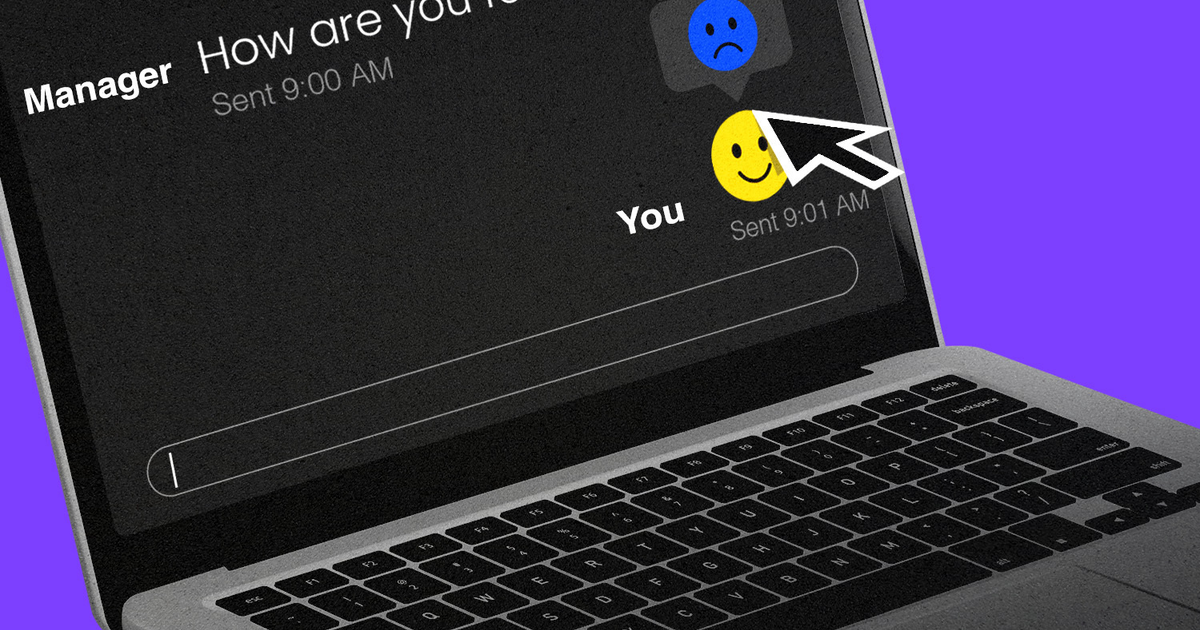
Remote workers exhibit higher engagement but lower overall well-being compared to on-site and hybrid workers.
A significant number of remote employees are seeking new job opportunities despite higher engagement levels.
fromLondon Business News | Londonlovesbusiness.com
1 year agoThe hidden barrier to office return: How noise is undermining UK workers' productivity - London Business News | Londonlovesbusiness.com
A significant 36% of employees have chosen to work from home primarily to escape the excessive noise in their offices, highlighting a crucial workplace challenge.
London startup
[ Load more ]