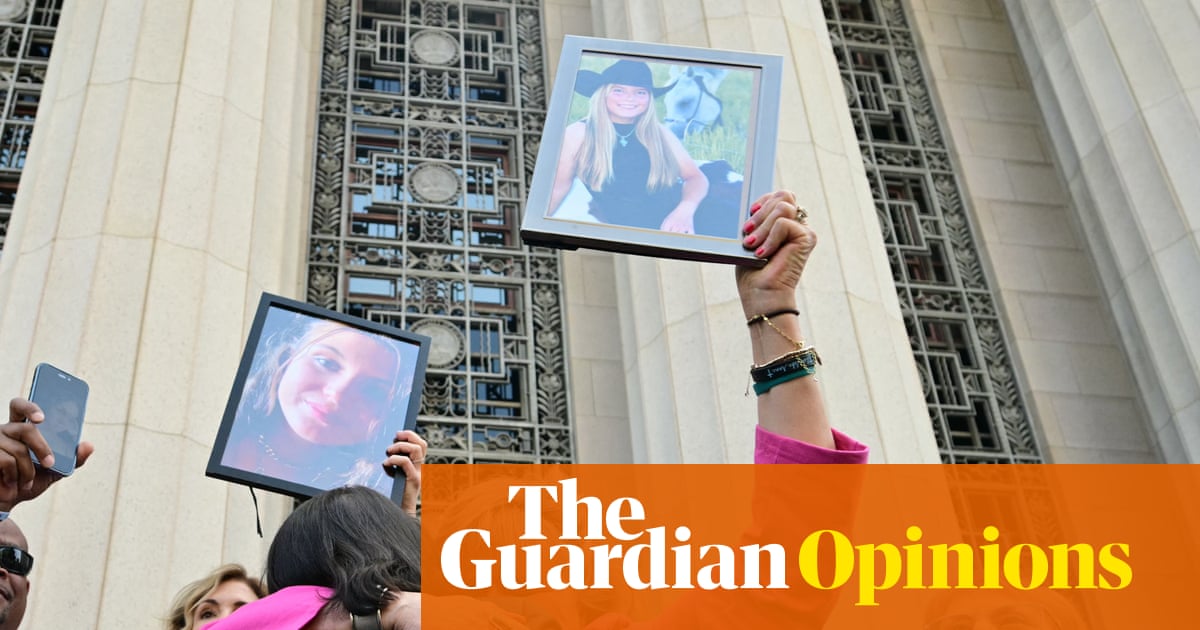
As parents, we did everything we could to teach our kids how to use social media responsibly and monitor their usage, but it still wasn't enough. Our sons, Carson and David, suffered from relentless cyberbullying that resulted in them taking their own lives. As we navigated our own grief and struggled to understand the pain that overwhelmed our sons, we met each other - and even more "survivor parents" who have experienced similar loss.
The Contribution Project, led by Cornell psychologist Anthony Burrow, randomly selected more than 1,200 high school and college students to receive $400 to add value for themselves or for their communities. The funds came with no strings attached-students could decide to use the money however they wished. Eight weeks after receiving the funds, participants scored significantly higher than non-recipients on multiple psychological measures, including sense of belonging, well-being, sense of purpose, and feeling useful.
Sadmir and his board game companions are just some of the 300 patients at the gaming disorder clinic, Australia's only publicly-run institution of its type, helping patients wean themselves off excessive online gaming habits. The room where they meet is a simple space in a faceless hospital but in the corner, there's a pile of boardgames on a chair. Jenga, Uno and Sushi Go are also popular choices at the informal group which is attended by both patients and clinicians.
By better understanding young shooters and the factors that influence the propensity to commit these crimes, we may be able to reduce the incidence of mass shootings. This post focuses on factors unique to the online ecosystems that many young people, especially young men, inhabit. While there isn't a universally accepted definition of a "mass shooting," roughly following The Violence Project and other researchers,
"As one of the first countries in the EU, Denmark is now taking a groundbreaking step towards introducing age limits on social media," said the country's digitalization ministry in a statement. "This is done to protect children and young people in the digital world." "As a starting point, children under the age of 15 should not have access to platforms that may expose them to harmful content or harmful features," the statement said.
Whether it's investigating the financials of Elon Musk's pro-Trump PAC or producing our latest documentary, 'The A Word', which shines a light on the American women fighting for reproductive rights, we know how important it is to parse out the facts from the messaging. At such a critical moment in US history, we need reporters on the ground. Your donation allows us to keep sending journalists to speak to both sides of the story. The Independent is trusted by Americans across the entire political spectrum.
Young people are in a bad way; they feel very sad, completely depressed. The worst thing isn't the anxiety, or being glued to their phones, or feeling lonely, or being unemployed, or even knowing that it's impossible for them to buy a house; the worst part is that, until just a few years ago, none of them expected to find themselves in this situation.
Of the respondents who reported negative effects (45 per cent) 97 per cent said it had some impact on them with 46 per cent saying it stayed with them for a while. Forty per cent reported feeling sad or emotionally low, while 39 per cent felt anxious or unsettled. More than a quarter (28 per cent) reported trouble sleeping afterwards, with three in 10 saying they chose to avoid similar content in future.