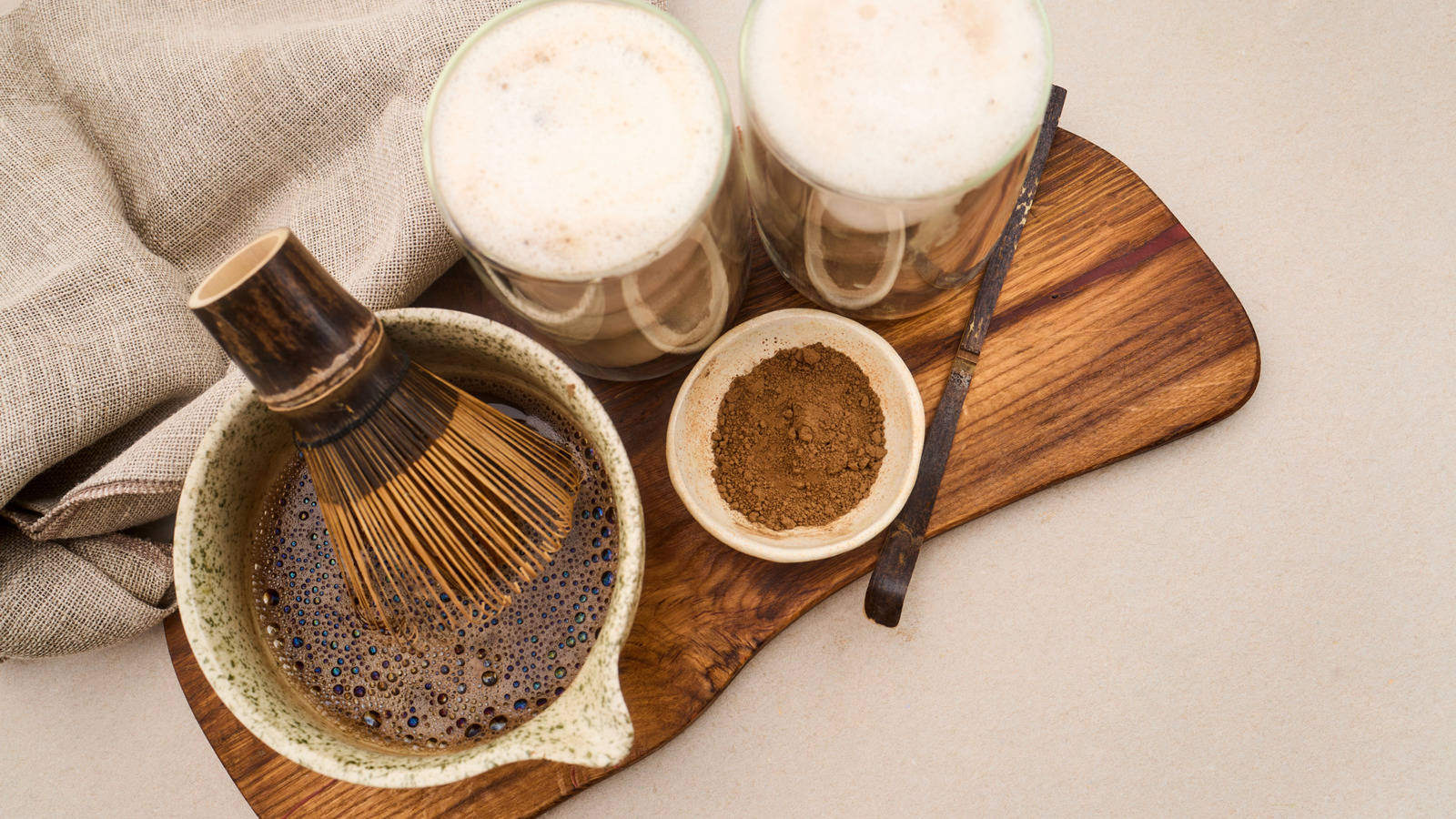
"Hojicha is smoky, it has umami, and that's because the tea leaves and stems are roasted in a tool called a horaku. Some hojichas are steamed before roasting, but the strongly nutty flavor belies their actual strength."
"Most green tea contains an amino acid called L-theanine. Research around it remains limited, but one 2019 study suggested that L-theanine can reduce biological signs of stress, while another flagged it as possibly improving sleep functions."
"Hojicha isn't just rustier than other green teas; it generally has less caffeine. Thus, the most soothing aspects of green tea are given room to percolate."
"Like the rest of the world of green tea, hojicha isn't a monolith. There is hojicha tea made from older leaves, bancha; hojicha tea made from early season leaf flushes, sencha; and hojicha that includes stems and twigs from the tea plant."
Hojicha tea is a unique type of Japanese green tea that is roasted, giving it a smoky flavor and umami characteristics. It generally contains less caffeine than other green teas, allowing for a soothing experience. Hojicha may have lower levels of L-theanine compared to shade-grown green teas, but its roasting process contributes to its distinct taste. Different varieties of hojicha exist, including those made from older leaves, early season flushes, and even powdered forms, each offering different flavor profiles and caffeine levels.
Read at Tasting Table
Unable to calculate read time
Collection
[
|
...
]