History
History
[ follow ]
#abolitionism #underground-railroad #russian-revolution #military-history #us-history #american-civil-war
History
fromHarvard Gazette
6 hours agoHarvard releases information on 1,613 individuals enslaved by leaders, faculty, or staff - Harvard Gazette
A public database identifies 1,613 enslaved people tied to Harvard from 1636–1865, including enslavers and documented dates to support descendant family-history recovery.
History
fromIndependent
18 hours agoForty years on, identity of man who washed up on Leitrim coast remains unknown - but one investigator believes mystery can be solved
Extensive efforts have not identified a man whose remains washed ashore decades ago, but continued investigation may solve the mystery.



fromThe Art Newspaper - International art news and events
1 day agoExhibitions marking 250th anniversary of the US open in New York
One of them is the New York Historical's Old Masters, New Amsterdam (until 30 August). One of several America 250 shows at the museum this year, it is drawn entirely from the Leiden Collection-philanthropist Thomas Kaplan's self-described "lending library" of 17th-century Netherlandish masterpieces (which is also set to be offered for fractional ownership).
History
fromwww.dw.com
1 day agoNazi-looted artwork surfaces with Dutch collaborator's heirs
Dutch art detective Arthur Brand said he could confirm that the work, “Portrait of a Young Girl by Toon Kelder, came from the famed Goudstikker collection. It was looted during World War II. Brand says he was approached months ago through an intermediary by the Seyffardt family member. The relative had discovered to his horror that his family had been concealing some uncomfortable secrets that he was a descendant of Seyffardt, who was associated with the Waffen-SS, and that the painting could demonstrably be traced to the Goudstikker collection.
History

fromOpen Culture
1 day agoWhy The Founding Fathers Were Obsessed with This Muslim Ruler
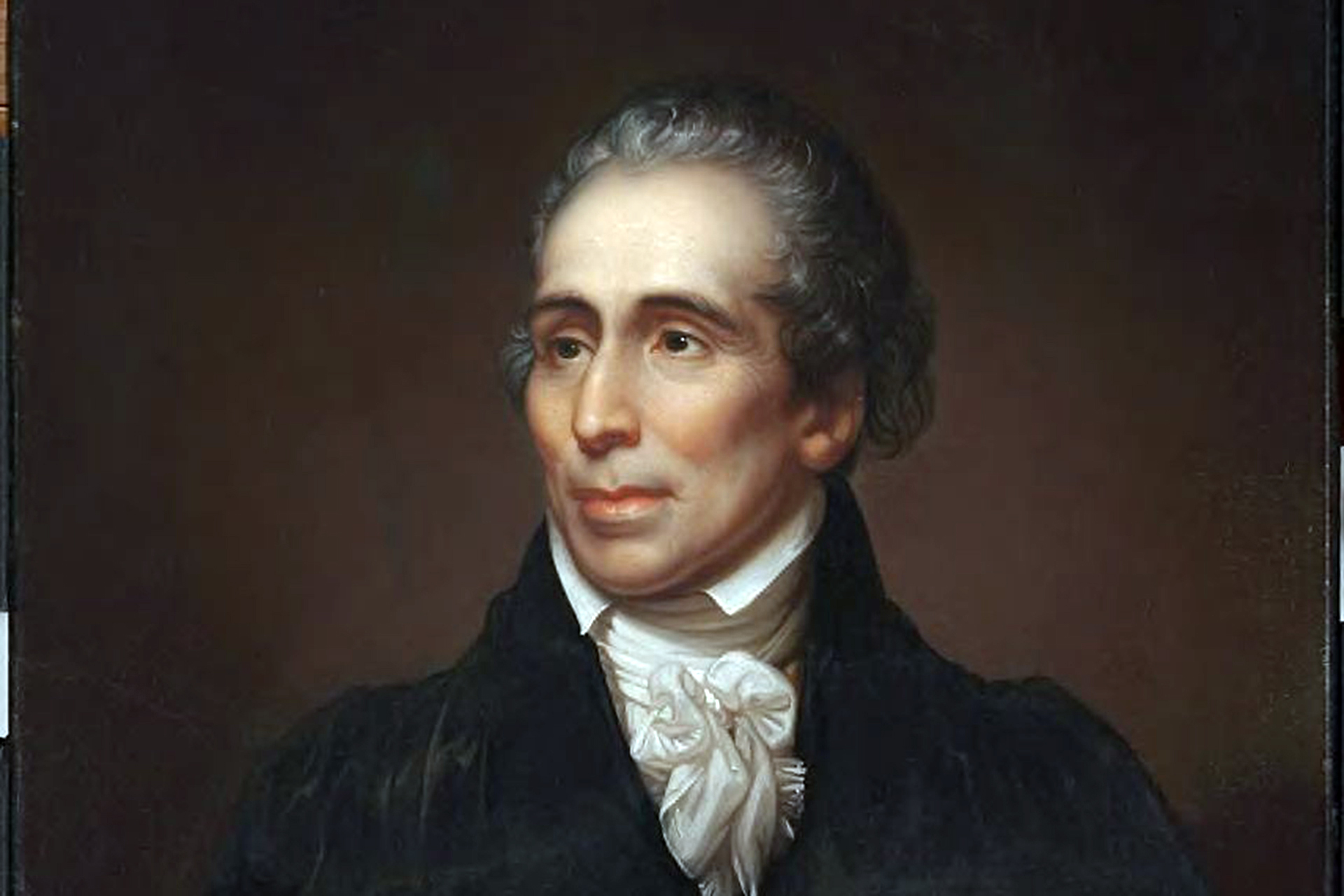
Hyder became the Sul­tan of Mysore in the sev­en­teen-six­ties: "a dan­ger­ous time to come to pow­er in South Asia," writes Blake Smith at Aeon, giv­en that "the British East India Com­pa­ny was expand­ing its pow­er through­out the Sub­con­ti­nent." Ally­ing with France, much like the rebelling Amer­i­can colonists, Hyder "held off the British advance for anoth­er two decades, dying in 1782, just a year before the US tri­umphed in its own rebel­lion against Britain."
History




fromenglish.elpais.com
1 day agoDracula's castle is bought by US entrepreneur in charge of Elvis Presley's estate
Bran Castle, Romania, an attraction for tourists as the home of the fictional character "Dracula." KONTROLAB (KONTROLAB/LightRocket via Getty ) The U.S. businessman Joel Weinshanker, the chief administrator of Elvis Presley's rights and properties, has purchased a majority stake in the company that operates Bran Castle popularly associated with "Dracula."
History
fromMedievalists.net
1 day agoLe Roman de Fauvel: Corruption and Power in Medieval France - Medievalists.net
A corrupt horse rises from a stable to the royal palace, winning the admiration of kings, clergy, and courtiers alike. Sonja Maurer-Dass tells us about Le Roman de Fauvel, one of the sharpest political satires of the Middle Ages, exposing the greed, ambition, and moral decay they saw in fourteenth-century France.
History


fromwww.theguardian.com
2 days agoResearch sheds light on GI's murder of seven-year-old girl in Northern Ireland in 1944
The worse part for our family, the leading cause of generational trauma, has been the myths that still exist today. William Harrison, a US soldier who was hanged for the 1944 murder of Patricia Wylie. Photograph: Military archives The result is a yet-to-be published book, titled Never Speak of Rope, and a new understanding of the murder and its consequences.
History
fromwww.theguardian.com
2 days agoWhat happens when we lose a language?
We are lucky to know anything at all about the Ubykh language. In the 1800s, tens of thousands of people spoke it on the Black Sea coast. When Russia conquered the region, the Ubykhs resisted until they were forced into exile in the Ottoman empire. Transported thousands of miles by a traumatised community now scattered across Turkey, Ubykh survived until 1992 when its last fluent speaker died.
History
fromMail Online
2 days agoDying ancient river sparks fears biblical prophecy may come true
A recent report has warned that the river could disappear by 2040 due to declining water levels and droughts driven by climate change. Satellite data have shown that the Euphrates basin has lost more than 34 cubic miles of freshwater since 2003, roughly 13 million Olympic-sized swimming pools, highlighting the scale of the decline.
History
fromwww.thehistoryblog.com
2 days agoUnlooted brick grave found in Roman necropolis in Croatia
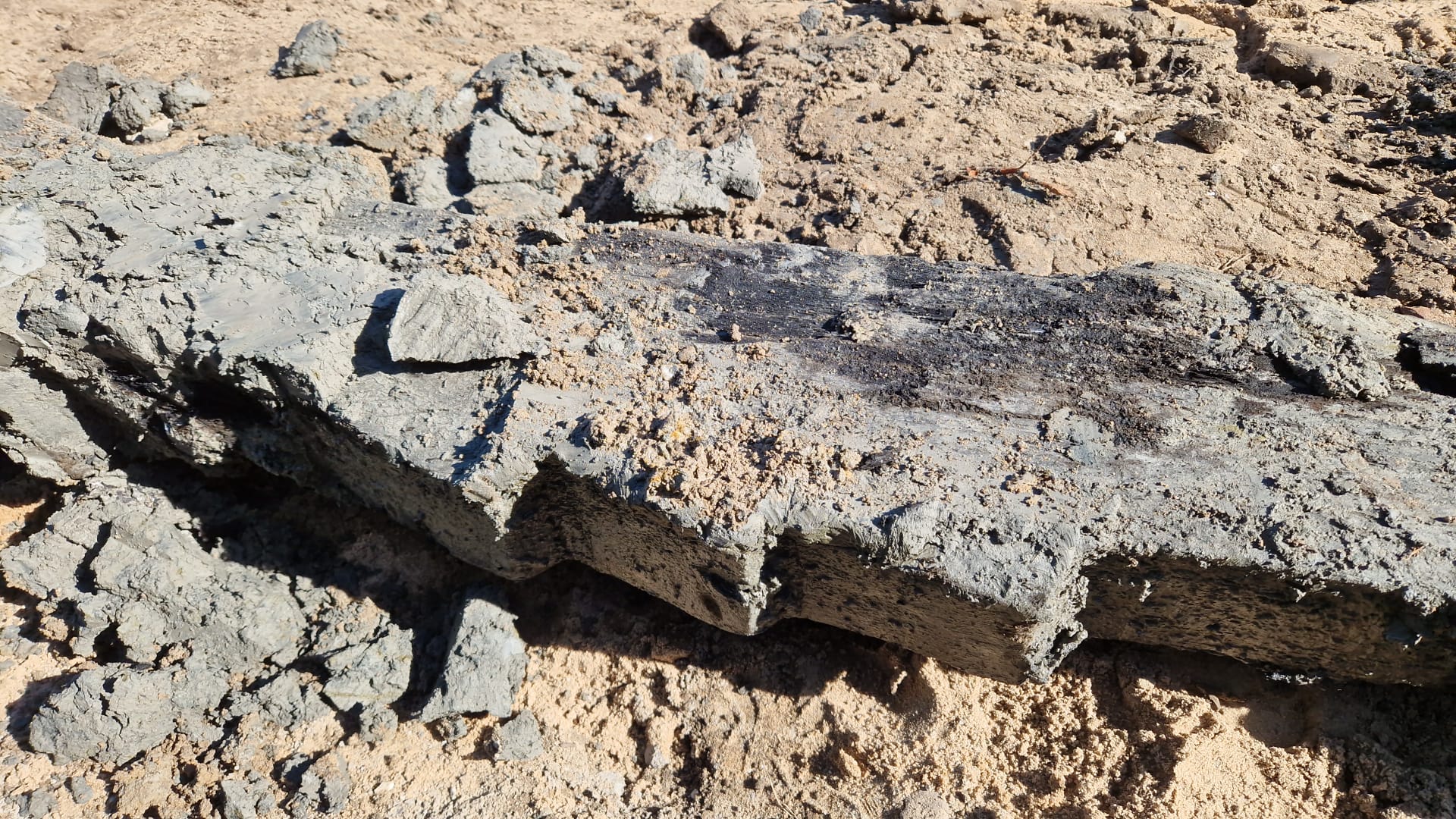
Out of more than 200 brick-built burials discovered in the area of the ancient city's northern necropolis over the years, only two have been discovered intact and unlooted. The city market area is known to have bordered the necropolis, so a preventative excavation was ordered before construction. This spring, archaeologists have unearthed 44 graves, but last Tuesday they found the first one that had not been looted in antiquity.
History
fromFortune
3 days agoThis economist studied 400 years of recessions. His bleak conclusion: stop trying to predict them | Fortune
Atlantic piracy had reached its peak, blockading the port of Charleston and choking off trade routes from the Caribbean to Long Island. Trade collapsed. The money supply collapsed. The economy followed. It's the kind of cause-and-effect that doesn't fit neatly into any business-cycle theory.
History
fromwww.theguardian.com
3 days agoYour homes will be destroyed, your family killed': the US has dropped millions of war propaganda leaflets but do they work?
For over a century, the United States military has been dropping propaganda leaflets in deliberate psychological operations, or psyops, to achieve success in war. But the key question behind the effort remains unanswered: does it even work? In 1918, the US released more than 3m leaflets behind enemy lines by plane and hydrogen balloon. To their delight, they found the leaflets helped erode morale and unit cohesion among the Germans in the first world war. Or so the story goes.
History
fromMedievalists.net
3 days ago10 Open-Access Medieval Studies Articles from April 2026 - Medievalists.net
Looking for new medieval research without hitting a paywall? Here are ten open-access articles published in April 2026 that explore everything from medieval trade and kingship to archaeology and smells. In total, we found more than 70 open-access articles on medieval studies published last month. Our Patreon supporters can access the full list, featuring research on literature, religion, warfare, manuscripts, and much more.
History
fromwww.thehistoryblog.com
3 days agoMore of finely detailed Zile mosaic uncovered
Excavation of a high-quality 2nd century mosaic in Tokat, nothern Turkey, that was seized by authorities last year after looters live-streamed themselves illegally excavating it, has revealed a finely-detailed figure that some are comparing to the iconic Gypsy Girl mosaic in Zeugma. The mosaic was discovered in the courtyard of a vineyard house. Police raided the site last May after receiving a tipoff to the looting activity that had been so stupidly but so helpfully posted on the internet.
History
fromwww.theguardian.com
4 days agoStory of enslaved boy featured in 1748 Joshua Reynolds portrait emerges in new study
For hundreds of years, he was known only as Jersey, an enslaved boy of about 11 rendered in oil on canvas by the great 18th-century portrait painter Sir Joshua Reynolds. But now the life of the youngster, believed to be Reynolds' earliest depiction of a person of colour, has begun to emerge, thanks to a research project. Details found in admiralty records and other archives have unearthed information about Jersey's identity, his military service and even hint he may eventually have found freedom.
History
fromABC7 Los Angeles
4 days agoPope Leo prays for end to 'fratricidal hatred' as he celebrates anniversary with visit to Pompeii
“What a beautiful day, how many blessings the Lord wanted to give to all of us,” Leo told throngs of faithful inside the sanctuary before Mass. “I feel I am the first blessed to be able to come here to the sanctuary of the Madonna on the day of her feast and on this anniversary.”
History
History
fromYanko Design - Modern Industrial Design News
4 days agoTanto Blade Explained: Why the Angled Tip Dominates 2026 EDC Knives - Yanko Design
Tantō blades evolved from Japanese close-quarters samurai weapons into modern EDC knives, with renewed popularity across premium and budget formats in 2026.
History
fromMedievalists.net
4 days agoNew Cambridge History Explores the Arthurian Legend from the Middle Ages to Modern Media - Medievalists.net
A two-volume Cambridge History provides a comprehensive, interdisciplinary account of Arthurian traditions from the early Middle Ages to modern media worldwide.
fromMail Online
5 days ago'Beautiful' 1-inch penis pendant is discovered at a Roman bathhouse
The phallus was often linked to luck or fertility, and was believed to offer protection from evil spirits. A small charm like this one would likely have been worn on the belt or as jewellery, but larger symbols might be carved into walls or statues.
History
fromSmithsonian Magazine
5 days agoDivers Discover the Shipwreck of a World War I-Era Coast Guard Cutter, Which Vanished With 131 Sailors on Board in 1918
It gets darker and darker. Eventually, out of the gloom, the seabed appears-or, if you've done it right, the shipwreck appears. Mortimer, the leader of the British technical diving team Gasperados, was searching for the Tampa, a United States Coast Guard cutter that sank in 1918. A German submarine torpedoed the vessel, killing all 131 people on board-the largest single loss of life in American naval combat during World War I.
History
fromWorld History Encyclopedia
5 days agoBritain and the Suez Canal: 75 Years of Colonialism & Crisis
From the 1840s, an overland route for travellers and trade goods was organised across the isthmus of Suez. This was first developed by the British officer Lieutenant Waghorn. People and goods took a ship to Alexandria on the Mediterranean coast, disembarked and crossed down to Suez using river boats and animal transport like camels, and then boarded another ship on the Red Sea coast to continue their voyage.
History
fromMail Online
6 days agoBritain's first grillz? Medieval jaw has bridge made from 20carat GOLD
Experts discovered a 20-carat gold dental bridge on a jaw belonging to an individual who lived around 500 years ago in Aberdeen. This represents the earliest known example of restorative dentistry in Scotland and appears to be the first evidence of gold used in the mouth in the UK.
History
fromMedievalists.net
6 days agoNew Video Game Lets Players Live Through the Hundred Years' War - Medievalists.net
"I wanted to create an experience where players can truly 'live' inside the great river of history and learn about it from the inside out," says Akihiro Yoshizawa, the lead developer of the game.
History
fromMedievalists.net
1 week agoThe Daily Life of a Medieval King - Medievalists.net
When he had been combed, dressed, and outfitted according to the demands of the day's program, his chaplain, a distinguished person and honourable priest, brought him his breviary and helped him to say his hours, according to the canonical day of the calendar.
History
History
fromThe Art Newspaper - International art news and events
1 week agoUS exhibition unearths the Etruscans and their enduring cultural influence
The Etruscan civilization thrived in central Italy for 800 years, establishing a rich culture and trade network before assimilating into the Roman Empire.
fromwww.scientificamerican.com
1 week agoSpectacular' Viking coin hoard discovery is likely the largest in history
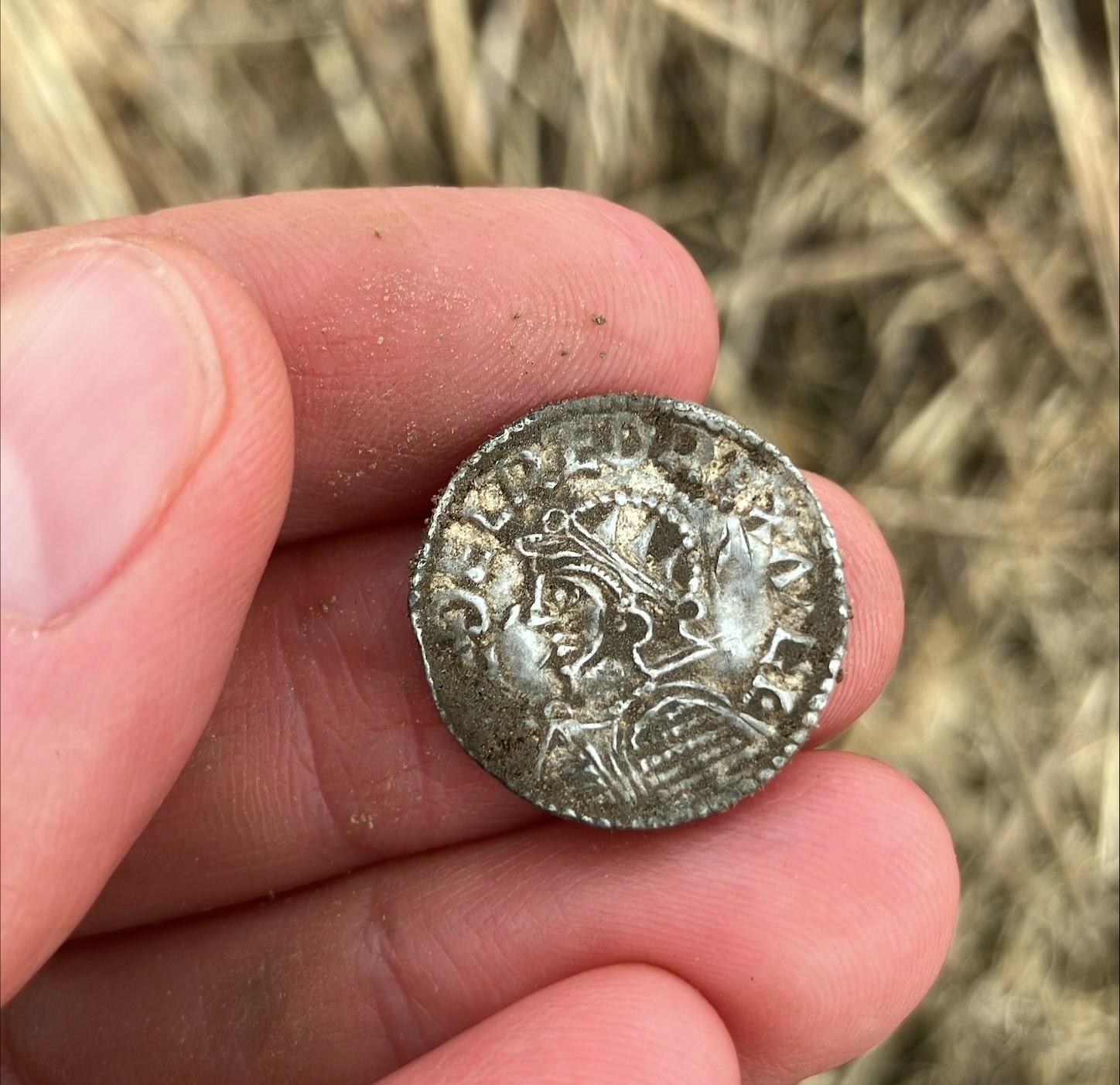
The hoard includes specimens from the 980s to the 1040s—the height of the Vikings' power. Notably, many of the coins are foreign made, originating from England, Germany, as well as Denmark and Norway.
History
fromThe Art Newspaper - International art news and events
1 week agoRare pigment worth more than its weight in gold found in Roman infant burials in York, UK
This remarkable discovery tells us a lot about the importance of children in Roman York and the willingness of the family to give their baby the best possible send off in tragic circumstances.
History
[ Load more ]