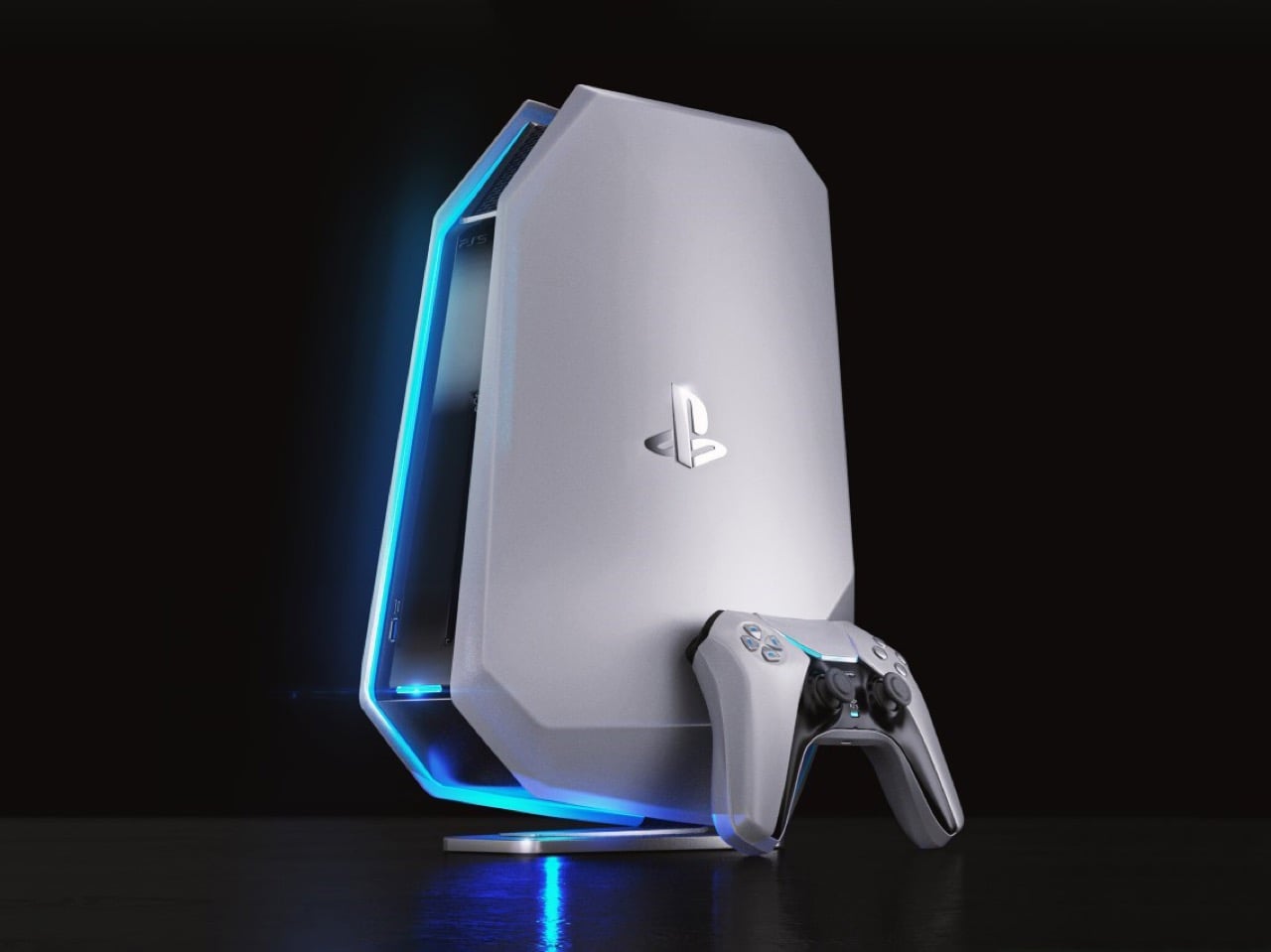
"Seven years is a strange unit of time. Long enough to finish a PhD, short enough to remember an event vividly, and apparently, exactly long enough for Sony to build, test, manufacture, and ship a new generation of PlayStation hardware. PS3 to PS4, PS4 to PS5: seven years, twice, with the precision of a Swiss movement. The console industry built its entire release calendar ecosystem around that cadence. Publishers scheduled their biggest titles around it. Retailers planned inventory cycles for it. Analysts forecast revenue curves based on it."
"The culprit is DDR7 memory, or more precisely, the catastrophic shortage of it, as AI data centers absorb the global supply of high-bandwidth RAM faster than Samsung, SK Hynix, and Micron can produce it. One year of delay sounds manageable until you zoom out. GTA6, announced in December 2023 for a 2025 launch, has been publicly delayed three separate times and is currently targeting November 2026, with bettors still skeptical. Beyond the Spider-Verse slipped from March 2024 to June 2027, a three-year crater in the release calendar of one of the most acclaimed animated franchises in history."
"The memory crisis at the root of Sony's problem is unlike previous supply chain disruptions in one important way: it is being driven by a competitor class that simply outclasses consumer electronics on every financial dimension. Samsung, SK Hynix, and Micron have made a calculated pivot toward high-bandwidth memory for AI accelerators, with demand expected to grow 70 percent year-over-year in 2026 alone. Meanwhile, A"
Sony has not set a PS6 launch date, with reporting pointing to 2028 or 2029. The console industry has relied on a roughly seven-year hardware cadence for planning releases, inventory, and revenue forecasts. The delay is linked to DDR7 memory shortages, intensified by AI data centers consuming high-bandwidth RAM faster than major memory suppliers can produce it. The impact extends beyond gaming, with multiple major product timelines slipping, including GTA6 and Spider-Verse. The memory shortage reflects a structural shift in demand toward AI workloads, where Samsung, SK Hynix, and Micron prioritize high-bandwidth memory for accelerators. Demand for this memory is expected to rise sharply, worsening constraints for consumer electronics.
#playstation #ddr7-memory #ai-data-centers #supply-chain-disruption #consumer-electronics-release-cycles
Read at Yanko Design - Modern Industrial Design News
Unable to calculate read time
Collection
[
|
...
]