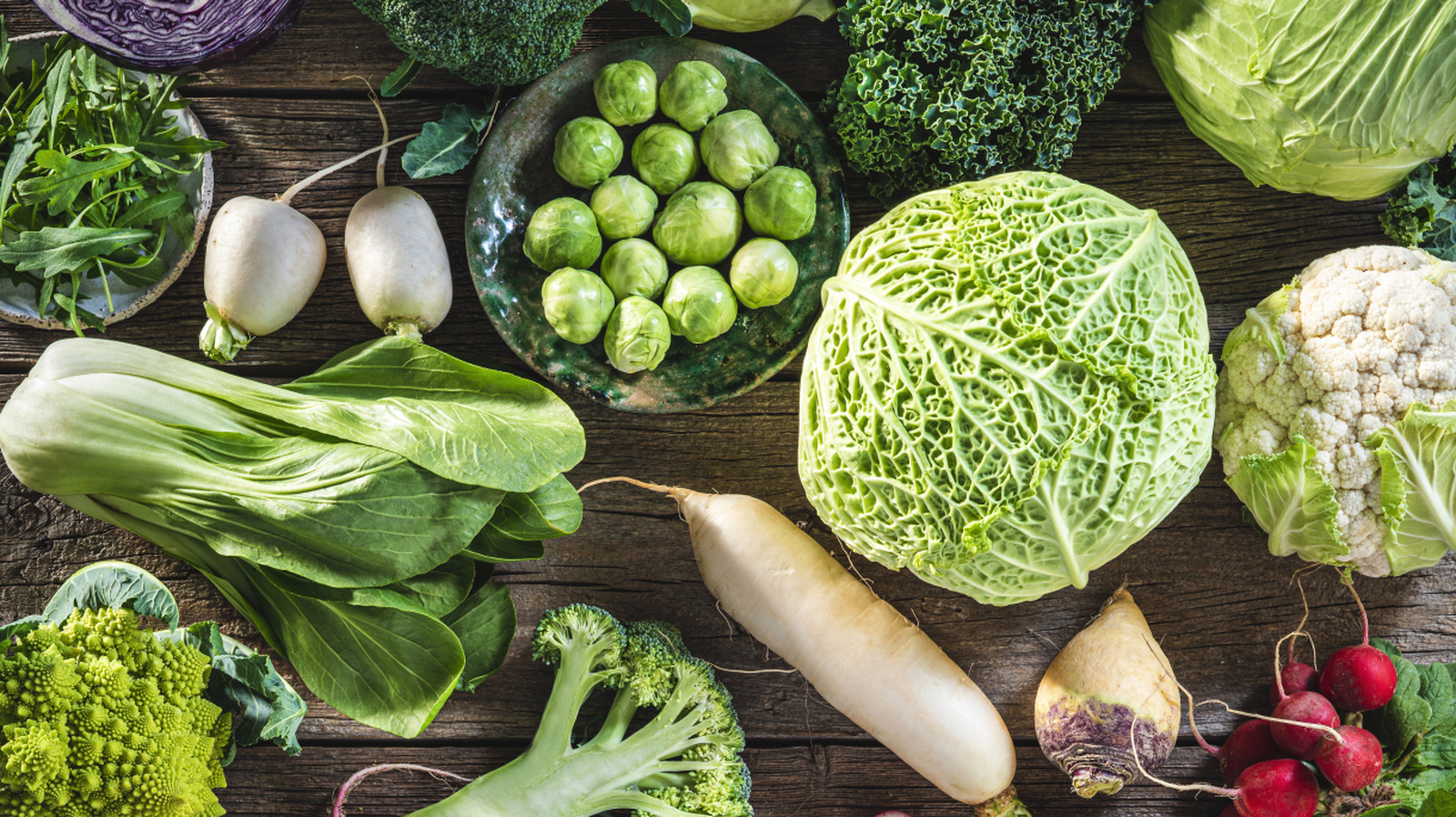
"Kale seemed to have grown out of nowhere sometime in the 2010s. What you might not realize about the leafy ingredient that greenifies juices, smoothies, and salads is that it has a history of over 2,000 years of consumption, but not as the champion of healthy diets as we see it today. Long before kale entered our bougiest recipes, it was known as "peasant cabbage," an unappetizing and stubborn vegetable that was hard work to make enjoyable. Nonetheless, kale went from "poor man's food" to superfood through some creative guerrilla marketing and a successful rebrand."
"It's not a unique story. Along with lobster and escargot, there are many luxury foods that were once considered "poor man's" options, only to make a comeback as highly sought-after delicacies that demand higher prices. Kale is a hardy winter crop, able to grow in colder climates, which made it a common last-resort vegetable in Europe when others weren't available. Kale is tough and can have a bitter or even peppery taste, making it less neutral or versatile than other cruciferous vegetables like cabbage or cauliflower."
"Despite western superfood markups, kale has maintained a very different reputation in East Africa, where it is a staple source of affordable nutrition in countries such as Kenya and Tanzania. Meanwhile, health supplements or dietary options containing kale command premium pricing in the U.S."
"The year 2011 was a big one for kale. That was when the AKA, or American Kale Association, supposedly enlisted the marketing talents of a publicist named Oberon Sinclair and her P.R. agency, My Young Auntie, to make the leafy greens a household name. Within three years, Beyoncé was proudly wearing a "Kale" emblazoned sweater in her "7/11" music video, and kale was appearing on cafe chalkboards, restaurant menus, and Instagram recipes."
Kale has been consumed for over 2,000 years, but it was not always viewed as a healthy staple. It was once called “peasant cabbage,” described as stubborn and hard to make enjoyable, and it was associated with “poor man’s food.” Kale is a hardy winter crop that grows in colder climates, making it a common fallback vegetable in Europe when other crops failed. Its tough texture and bitter or peppery flavor made it less neutral than other cruciferous vegetables. In East Africa, kale remains a staple affordable source of nutrition, while kale-based products in the U.S. often carry premium prices. In 2011, marketing efforts helped popularize kale, including celebrity visibility and widespread menu and social media presence.
Read at Tasting Table
Unable to calculate read time
Collection
[
|
...
]