#copyright
#copyright
[ follow ]
#openai #mls #disney #licensing #generative-ai #music-industry #disclaimer #ai-music #ai-training-data









fromThe Atlantic
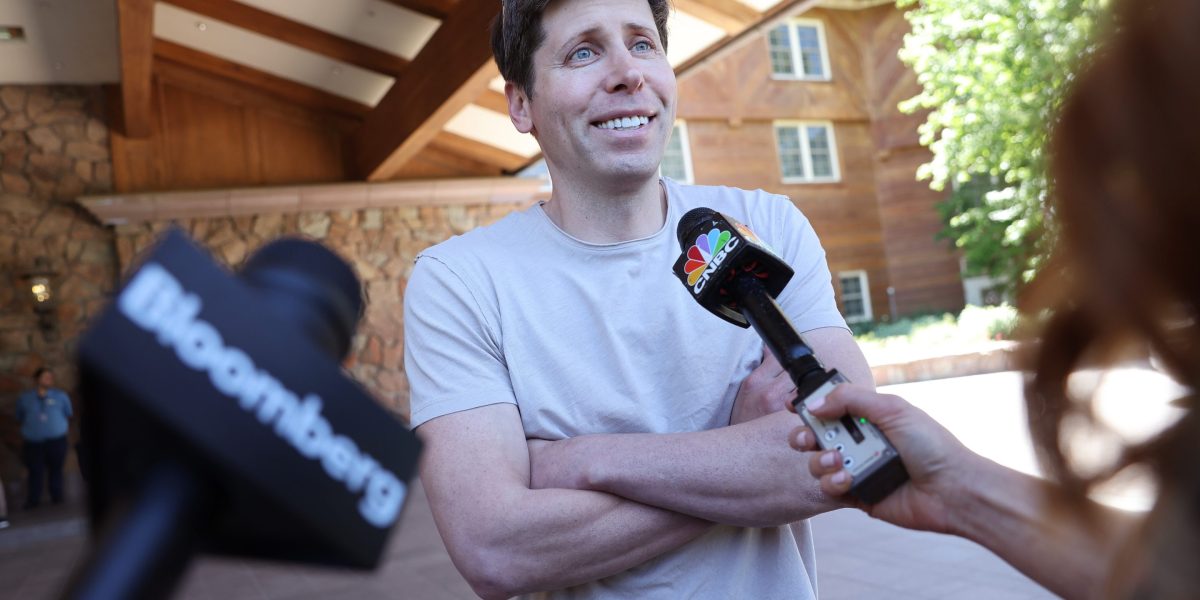
2 days agoI Am Time Magazine's Person of the Year
For the past two years, my colleague Alex Reisner has investigated precisely how tech companies use massive data sets to train their LLMs. He has repeatedly found that so-called architects of AI have relied heavily on enormous databases of copyrighted work to create chatbots and other programs, and has also found that this work is generally taken without the consent or awareness of its creators: musicians, filmmakers, YouTubers, podcasters, illustrators, writers.
Artificial intelligence

Real estate
fromBoston Condos For Sale Ford Realty
3 days ago2026 Boston Condo Buyer Design Trends Boston Condos For Sale Ford Realty
MLS Property Information Network provides third-party compiled property listings and images strictly for personal, noncommercial prospective-purchaser, lessee, or renter use and disclaims accuracy warranties.
Intellectual property law
fromLawSites
5 days agoFilm Studios, News Media and Even Competitor LexisNexis Among the Nine Amicus Briefs Supporting Thomson Reuters' Copyright Case Against ROSS
The Third Circuit will decide whether Westlaw editor-created headnotes are copyrightable and whether ROSS's copying of them constituted non‑fair use.
fromwww.bbc.com
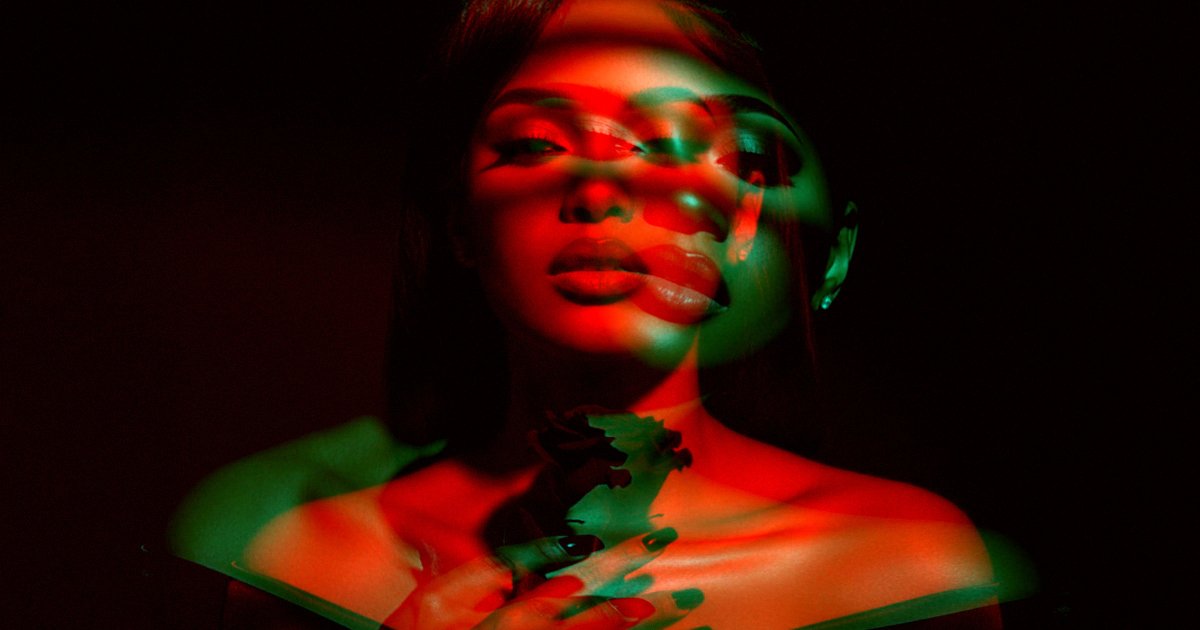
5 days agoJorja Smith's record label hits out at 'AI clone' song
The team behind the song have admitted using AI during its creation. Producer and songwriter Harrison Walker said the original vocals were actually his own, but were heavily manipulated using music-generation software Suno - sometimes called the "ChatGPT for music". Meanwhile, the second producer Waypoint, real name Jacob Donaghue, confirmed on social media that AI was used to "give our original vocal a female tone".
Music



fromIPWatchdog.com | Patents & Intellectual Property Law
1 week agoCox v. Sony Arguments Signal Justices May Fashion Middle-Ground Liability Test for ISPs
"We are being put to two extremes here... How do we announce a rule that deals with those two extremes?" - Justice Sonia Sotomayor
Intellectual property law



#ai-training-data



Intellectual property law
fromThe Art Newspaper - International art news and events
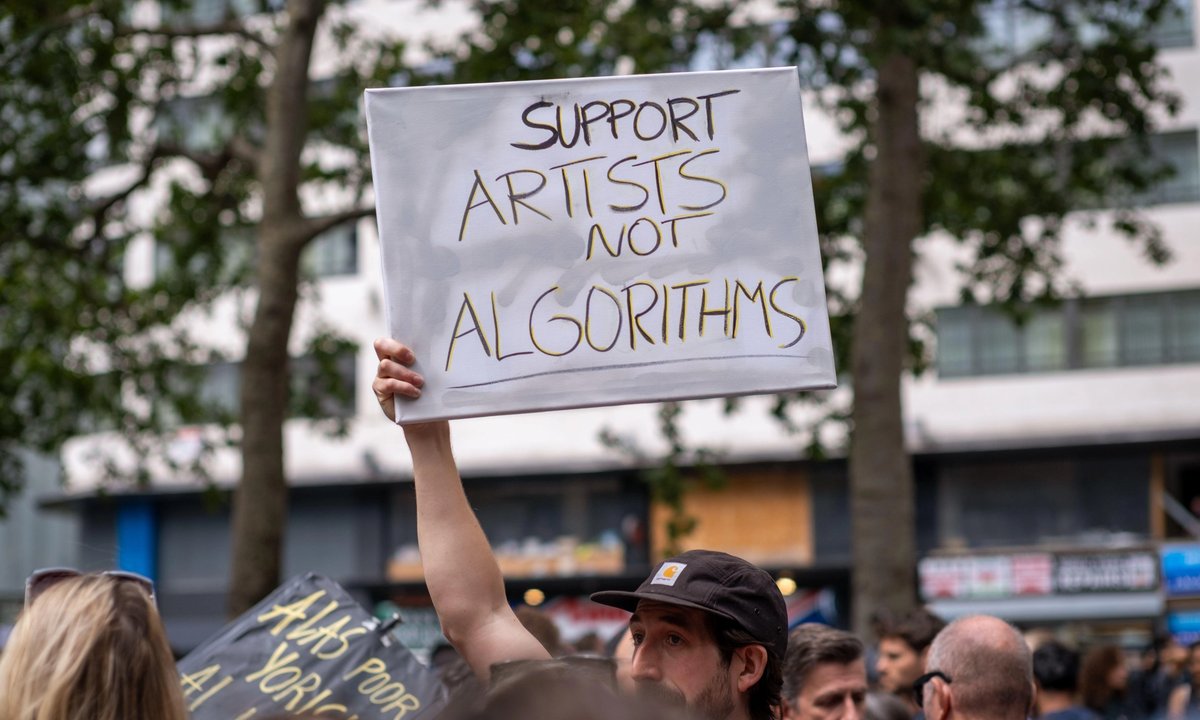
1 month agoArtists should receive retrospective payments for works used to train AI, say arts organisations
Artists' organisations demand an end to unauthorised scraping of copyrighted visual works by AI firms and seek transparency, retrospective settlements, fair licensing, credit and compensation.

fromBoston Condos For Sale Ford Realty
3 weeks agoHow The 4 D's Impact The Boston Condo For Sale Market Boston Condos For Sale Ford Realty
The property listing data and information, and the Images, are for the personal, noncommercial use of consumers having a good faith interest in purchasing, leasing, or renting listed properties of the type displayed to them and may not be used for any purpose other than to identify prospective properties which such consumers may have a good faith interest in purchasing, leasing or renting.
Real estate


Intellectual property law
fromIPWatchdog.com | Patents & Intellectual Property Law
4 weeks agoOther Barks & Bites for Friday, November 14: WIPO Study Shows IP Awareness Growing in Asia-Pacific; EPO Says Influencers Respect IP But Fear Open Discussions; CNIPA Patent Filings Increase Nearly 10% in 2024
A roundup of recent global intellectual property developments, including patent licensing revenues, court rulings on AI and patents, trademark disputes, and influencer IP study.
Intellectual property law
fromThe IP Law Blog
4 weeks agoThe Briefing: Reboot or Not? The Battle Between ER's Creator and Warner Bros Hits the Court of Appeal
Warner Bros. appealed after losing an anti-SLAPP motion in Roadrunner JMTC LLC v. Warner Bros., raising First Amendment and derivative-work disputes over The Pitt and ER.
fromThe Drum
1 month agoAI is stealing search traffic: here's how publishers can fight back
It's been accepted wisdom that traditional publishers play a pivotal role in the digital media landscape, with standout editorial content serving as a rich source of premium inventory for advertisers. But that view is increasingly being challenged by the growing impact of AI search, whether it's Perplexity, ChatGPT, or Google AI Overviews. Only last month, Google expanded AI mode to more than 40 new countries and 35 new languages.
Artificial intelligence
fromPitchfork
1 month agoBob Dylan's Publisher Seemingly Responsible for Takedown of Zohran Mamdani's "Times They Are a-Changin'" Ad
On the eve of his New York mayoral election victory, Zohran Kwame Mamdani posted an ad on social media soundtracked by Bob Dylan's "The Times They Are a-Changin'." The video, like much of Mamdani's campaign, went viral, as its "New York is a-changin'" slogan rapidly spread across social media. By the following morning, however, it had been removed from X with a takedown notice: "This media has been disabled in response to a report by the copyright holder."
US politics
fromSocial Media Today
1 month agoGetty Loses Legal Case Over Generative AI Copyright Infringement
Getty had accused Stability AI of using its images to train its Stable Diffusion system, which generates images from text inputs. The case itself is actually technically straightforward: Getty claimed that URLs of Getty images were included within Stability AI's LAION dataset, which is the training model that powers its "Stable Diffusion" v1 and v2 image generation tools.
Intellectual property law


Intellectual property law
fromIPWatchdog.com | Patents & Intellectual Property Law
1 month agoOpenAI Loses Bid to Dismiss Multi-District Class Action Over ChatGPT Outputs
A federal judge denied OpenAI's motion to dismiss a multi-district authors' class action alleging ChatGPT outputs directly infringe copyrighted works.
fromFuturism
1 month agoLock Company Sues Man Who Picked Its Lock, Gets Horribly Humiliated
The whole thing began in March of this year, when Proven blasted a 90 second promo clip called "YOU GUYS KEEP SAYING YOU CAN EASILY BREAK OFF OUR LATCH PIN LOCK." In the video, detailed by Ars Technica, a guy in a bald cap takes a sledgehammer to the company's $130 trailer hitch lock, hollering that he will "prove a lot of you haters wrong."
Information security
fromKotaku
1 month agoYouTuber Who Trolled Nintendo Now Owes $17,500 In Switch Piracy Lawsuit
The Court issues an injunction preventing Defendant from infringing Nintendo's copyrighted works, including by streaming, and from trafficking in Switch emulators, Nintendo's proprietary cryptographic keys, or other software or technologies that circumvent Nintendo's technological protective measures," U.S. District Judge Gordon P. Gallagher wrote in an order issued earlier this week (via TorrentFreak). The only thing the judge didn't grant Nintendo was its request to confiscate and destroy any tools Keighin had used to pirate Switch games.
Intellectual property law


fromTechCrunch
1 month agoPerplexity strikes multi-year licensing deal with Getty Images | TechCrunch
AI search startup Perplexity has signed a multi-year licensing deal with Getty Images, which gives it permission to display images from Getty across its AI-powered search and discovery tools. The deal marks a notable shift for the company, which has been hit by allegations of content scraping and plagiarism, and signals an effort to establish more formal content partnerships. Perplexity and Getty have been working together for more than a year, a source familiar with the deal told TechCrunch.
Artificial intelligence
fromwww.theguardian.com
1 month agoArtist sues for co-author credit on Chris Levine's queen portraits
Ben Munday claims he is a co-author of two 2004 portraits of the queen that were created using holography technology, which involves the use of light projection and multiple cameras to render a 3D image. In a court filing seen by the Guardian, Munday alleges Levine and his company Sphere 9 breached his moral rights over the works, titled Equanimity and Lightness of Being, which are both in the permanent collection at the National Portrait Gallery.
Arts

fromKotaku
1 month agoCall Of Duty Map Recreations In Battlefield 6 Are Getting Removed
Recreations of classic maps and modes from other games are nothing new in shooters. Lately, however, publishers have started getting prickly over users remaking maps from their game in someone else's, and it seems this may be especially true when those games are as competitive with each other as Battlefield and Call of Duty. Battlefield 6 players remaking CoD maps via the game's new portal mode are finding this out the hard way, with their recreations of modes and maps from Activision's popular shooter getting taken down over intellectual property violations.
Video games
Artificial intelligence
fromThe Mercury News
1 month agoReddit sues AI company Perplexity and others for 'industrial-scale' scraping of user comments
Reddit sued Perplexity AI and three entities for allegedly scraping millions of user comments for commercial use, alleging unfair competition and copyright violations.
fromFast Company
1 month agoI see dead people on Sora, and I'm conflicted about it
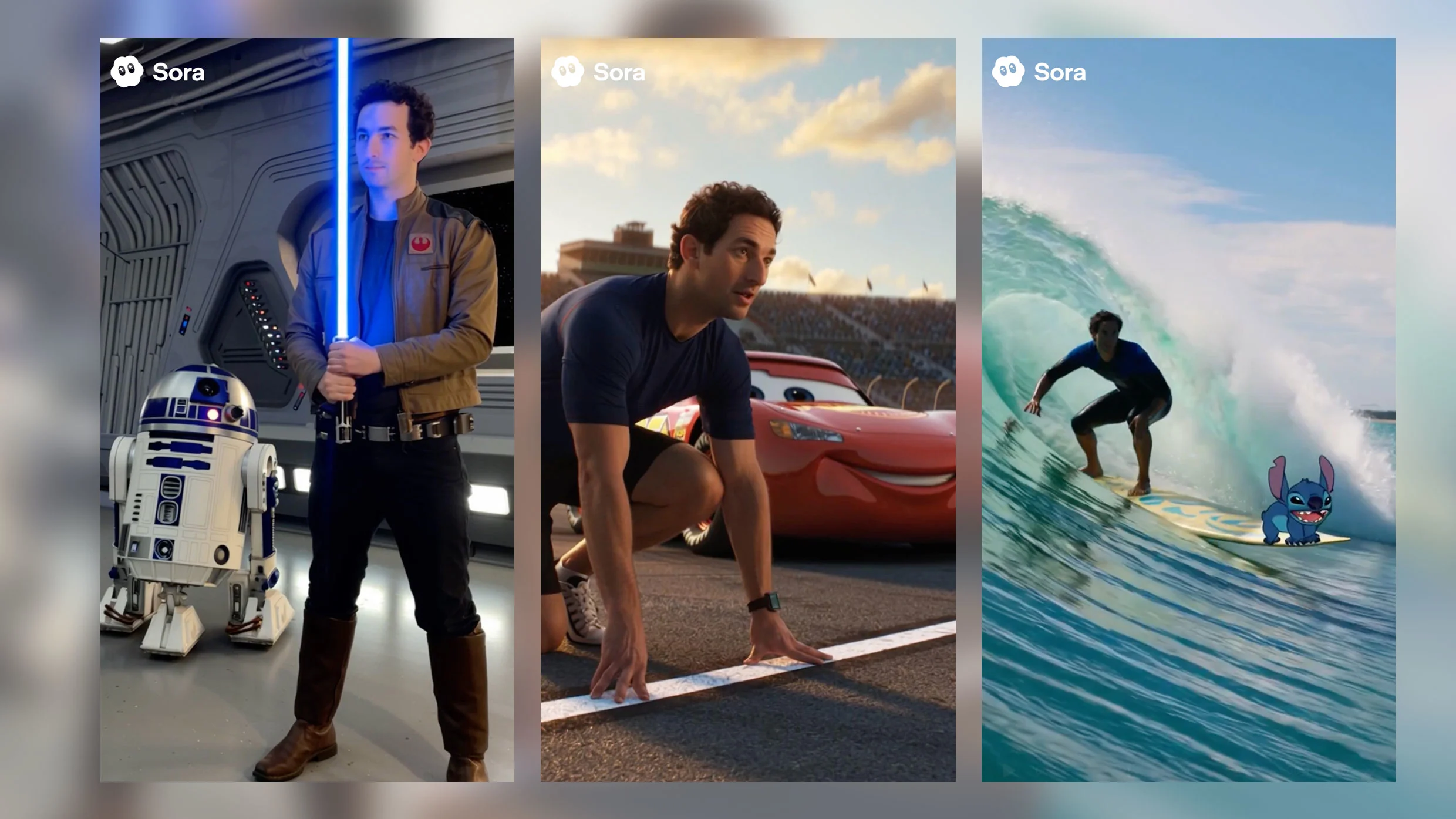
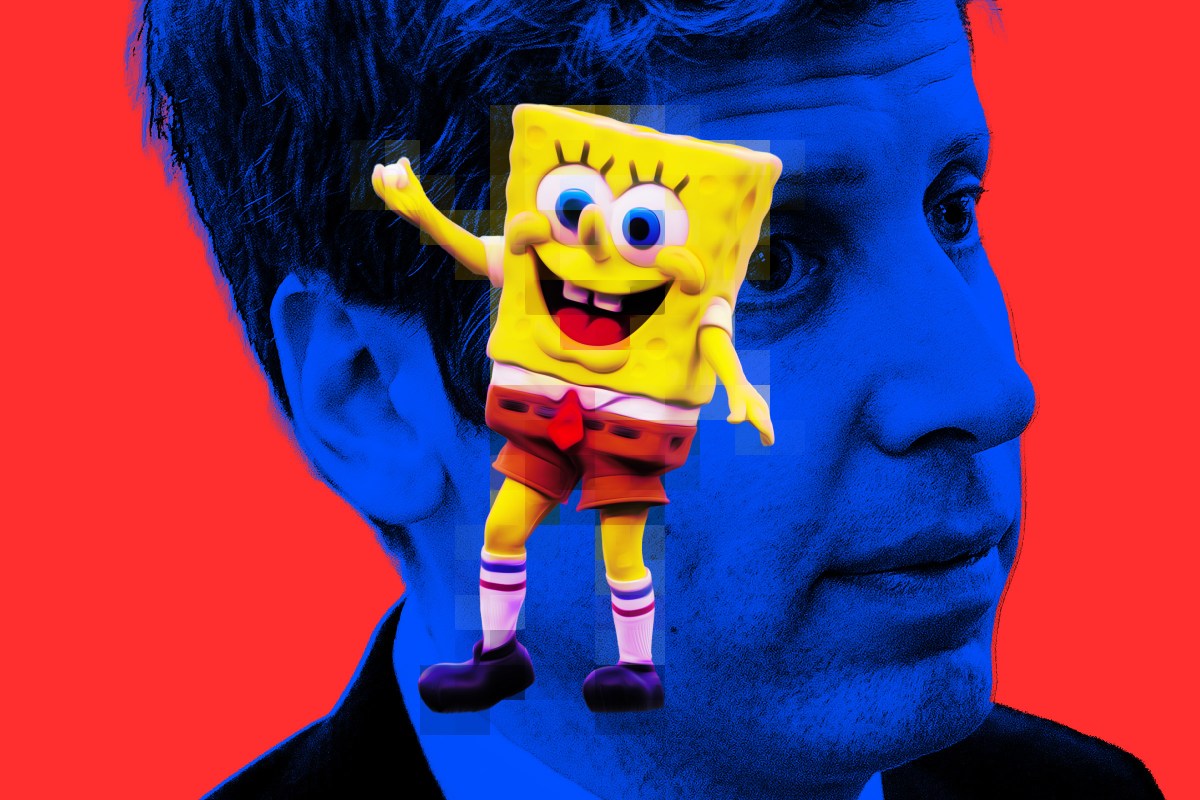
Two weeks ago in this space, I wrote about Sora, OpenAI's new social network devoted wholly to generating and remixing 10-second synthetic videos. At the time of launch, the company said its guardrails prohibited the inclusion of living celebrities, but also declared that it didn't plan to police copyright violations unless owners explicitly opted out of granting permission. Consequently, the clips people shared were rife with familiar faces such as Pikachu and SpongeBob.
Artificial intelligence
fromGameSpot
1 month agoJapanese Government Makes Formal Request For OpenAI To Stop Copyright Infringement
At a Cabinet Office press conference, Minister of State for IP and AI Strategy Minoru Kiuchi emphasized that anime and manga are "irreplaceable treasures" representing Japan's cultural pride (via IGN). The government urged OpenAI to respect Japanese copyrights and avoid misuse of its technology. Digital Minister Masaaki Taira echoed this sentiment, suggesting that if OpenAI doesn't voluntarily comply, Japan could invoke provisions under the AI Promotion Act--legislation that promotes AI development while also addressing risks such as copyright violations.
Intellectual property law
fromConsequence
2 months agoICE Propaganda Video Hit with DMCA Takedown Over Use of The Cure's "Friday I'm in Love"
A Department of Homeland Security social media post featuring The Cure 's "Friday I'm in Love" has been removed following a DMCA takedown request. The social media post, originally shared by DHS on October 2nd, were taken down on Twitter/X on Instagram on Friday. The same post has been muted on DHS's Instagram page. The Facebook version of the post remains available as of Saturday.
US politics
Intellectual property law
fromThe IP Law Blog
2 months agoThe Briefing: Studios Beware - The Danger of the Beauty and the Beast Copyright Decision
Studios can be held vicariously liable for VFX vendors' use of disputed software when contracts, on-set control, and red-flag evidence demonstrate practical control.
fromCreative Bloq
2 months agoPeople have realised Sora 2's copyright controls have loopholes
OpenAI's launch of its Sora 2 AI video generator and Sora social media app is in disarray after it backtracked following complaints about copyright theft. The company's claim to have been surprised by the controversy and users' rapid circumvention of new controls demonstrates an outstanding lack of thought before the launch of such powerful tech. sora update: cameo and safety improvements inbound!1. cameo restrictions: we've heard from lots of folks who want to make their cameos available to everyone but retain control over how they're used.
Artificial intelligence
[ Load more ]