Digital life
fromCbsnews
2 hours agoIs your phone listening to you?
Phones are not listening to conversations; targeted ads are based on user behavior and interests.
Approximately 500 tonnes of gold are lost in e-waste every year, which translates to a staggering worth of about $15 billion, highlighting the significant economic impact of electronic waste.
When cell towers are damaged or overloaded, phones work harder to stay connected, using up more power. Weak signals, frequent reconnecting, and increased activity from the phone's modem are among the main reasons the battery does not last as long in these situations.
Earlier we did episode one of this with Grady Booch where we discussed the principled view of that what's changing and what remains unchanged, what is hyped and what is actually naturally coming with the AI changes. We also spoke about that what is the difference between the design and the architecture and what teams are focusing and what they might be missing.
Researchers analysed three years of anonymous tracking data from passengers leaving trains on one platform. By observing how people chose between two routes around a kiosk, they found a clear pattern: many passengers copied the path taken by the person immediately ahead of them, rather than choosing independently.
They were trying to get to the bottom of how to diminish catalogue distribution without having a negative impact on store and online sales. They were also keen to define the geographic areas where digital content would work best and how to profile those areas to classify digital purchase behaviour. Together with Analytic Partners they were able to uncover opportunities to eliminate 22% of catalogues with negligible sales impact and increasing digital support in high-performing topologies, preserving€ 294 million in sales.
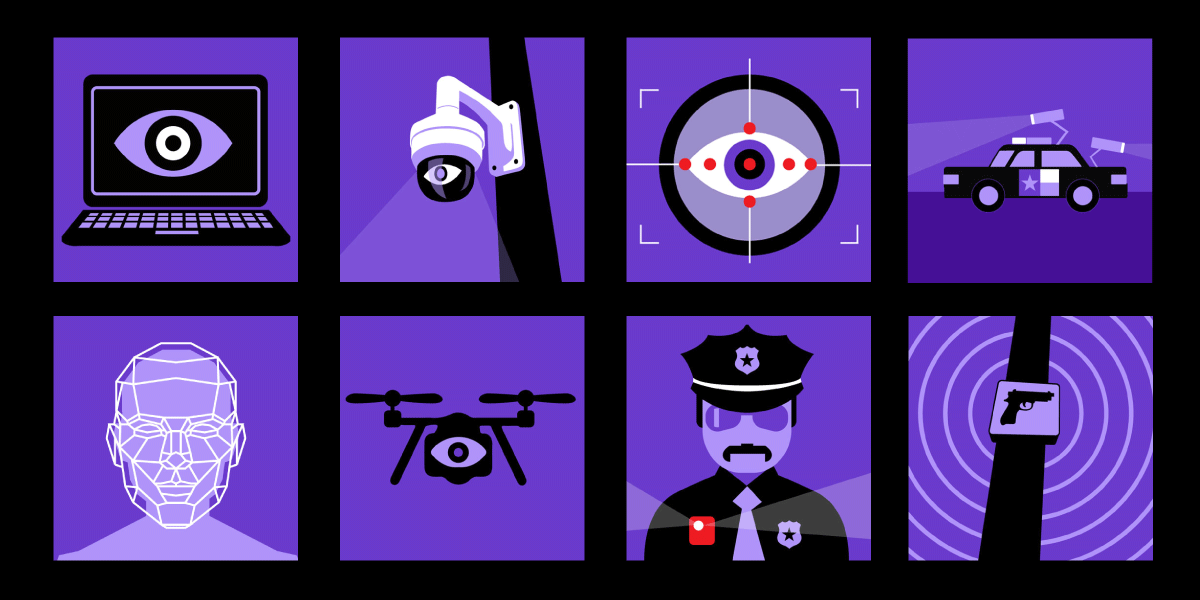
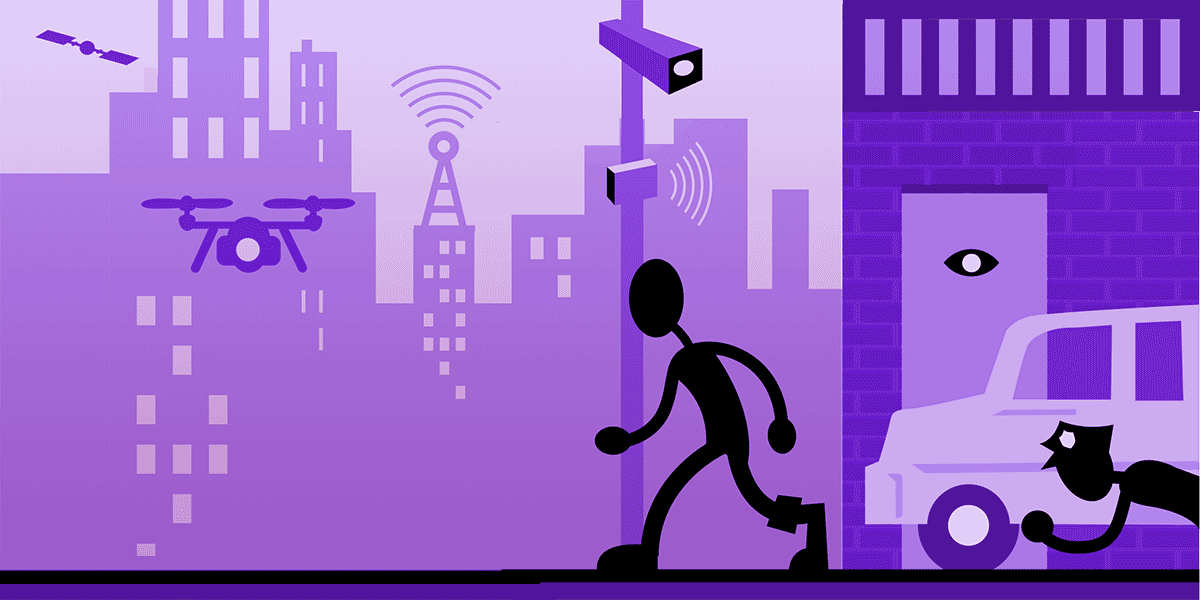
Since the start of 2025, at least 30 cities have canceled their contracts with Flock Safety, the AI surveillance company whose CEO wants to end all crime within the decade by blanketing the country in ever-watchful security cameras. That startling figure comes courtesy of NPR, which reports that concerned activists are putting mounting pressure on cities to cut ties with the company. "We are seeing a lot more momentum," Will Freeman, a Colorado-based organizer who runs the website DeFlock.org, told the broadcaster.
Cell-site simulators ICE has a technology known as cell-site simulators to snoop on cellphones. These surveillance devices, as the name suggests, are designed to appear as a cellphone tower, tricking nearby phones to connect to them. Once that happens, the law enforcement authorities who are using the cell-site simulators can locate and identify the phones in their vicinity, and potentially intercept calls, text messages, and internet traffic.
"There's interest across the board," Michael Kemper, MTA chief security officer, told THE CITY. "It's not only coming from the MTA, but from the business world, the AI business world, in working with us."
For a brief moment in October, Alejandro Quintero thought he had made it big in China. The Bogotá-based data analyst owns and manages a website that publishes articles about paranormal activities, like ghosts and aliens. The content is written in "Spanglish," he says, and was never intended for an Asian audience. But last fall, Quintero's site suddenly began receiving a large volume of visits from China and Singapore.
You pop open YouTube, and seconds into the video, an ad about your favorite chocolate brand shows up out of the blue. And you feel a bit of a chill since you were just talking about your sudden craving for that exact brand and type of chocolate. Well, it turns out that it can be like that. Information you enter online and through apps can be used to collect data such as your interests, hobbies, and simple search queries.
Between the lines: This isn't benevolence. It's customer acquisition. Mayors don't just buy "AI." They buy cloud, data modernization, cybersecurity, services, and long-term support - the tech stack underneath any serious deployment. In return, cities get tools that could fix long-standing challenges, Cris Turner, vice president of government affairs at Google told Axios last June when it first released its playbook.