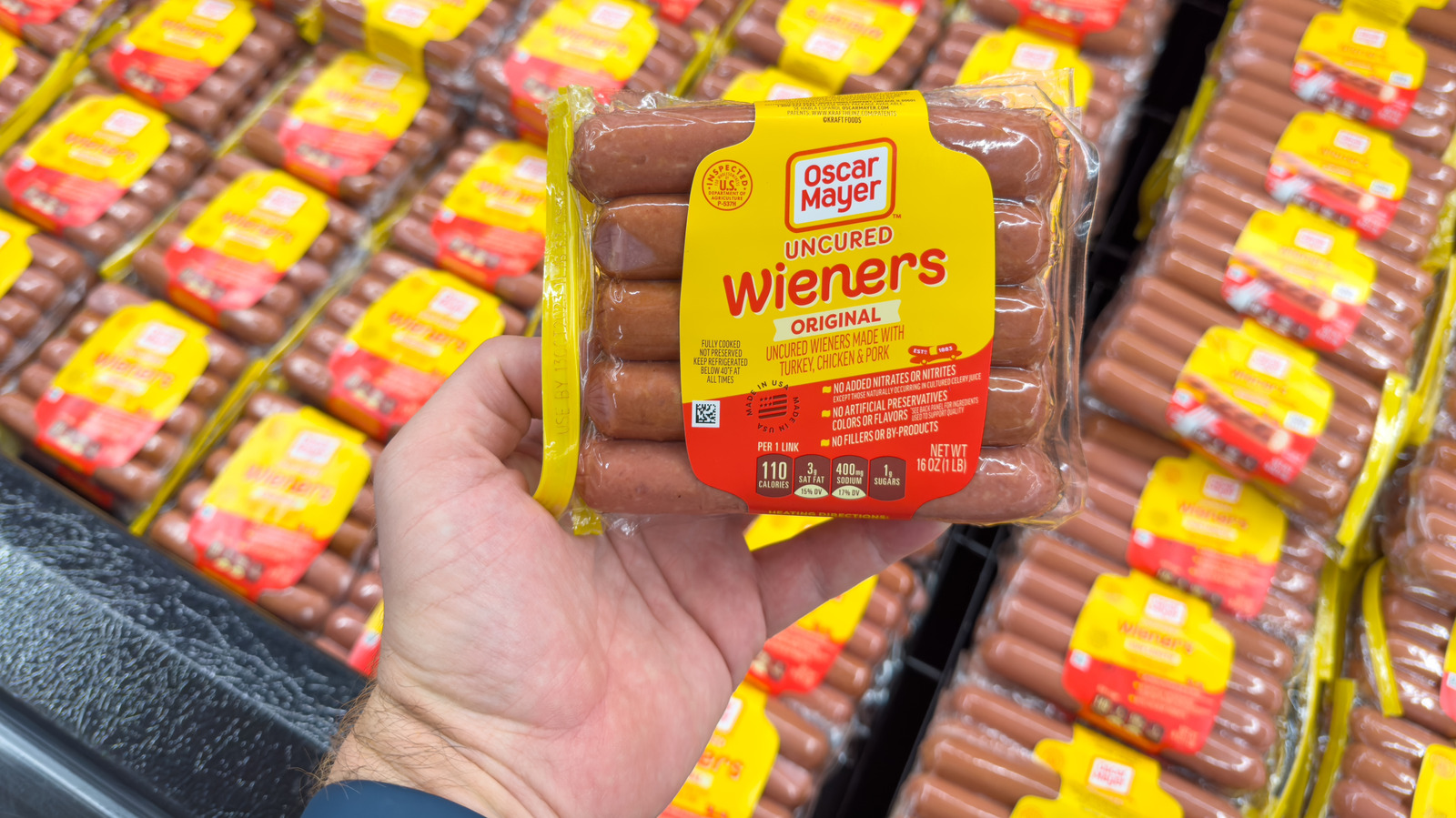
"Meat is cured when it's introduced to sodium nitrite or nitrate. There are natural and artificial versions of this. Artificially cured meats are manufactured in a lab, where nitrite is added in precise amounts to prevent nasty bacteria like botulism from forming, as well as preserving the color and flavor."
"Prague Powders and pink curing salts are artificial cures that are synthetically produced. Some vegetables, like celery and beets, are naturally high in nitrates. In turn, meat can be cured naturally and still be labelled as uncured for simply lacking synthetic nitrites."
"Meat can technically be cured with natural ingredients and be labeled as uncured because it doesn't include synthetic nitrites. That's thanks to the U.S. Department of Agriculture, which requires that products made without synthetic sodium nitrite or nitrate be labeled as uncured."
Cured meats are preserved using salt, nitrites, nitrates, and sugar to extend shelf life. Health organizations classify processed meats as carcinogens, prompting consumers to seek uncured alternatives. However, uncured meats are still technically cured, just using different methods. Artificially cured meats contain synthetically produced nitrites added in precise amounts to prevent bacterial growth and preserve color and flavor. Uncured meats achieve the same curing effect using natural nitrates found in vegetables like celery and beets. The USDA labels products without synthetic sodium nitrite or nitrate as uncured, creating a distinction based on production method rather than chemical composition. Chemically, nitrite molecules function identically regardless of their source.
Read at Tasting Table
Unable to calculate read time
Collection
[
|
...
]