#food-labeling
#food-labeling
[ follow ]
Alternative medicine
fromTasting Table
1 month agoWhy 'Uncured' Meats Are Still Technically Cured - Tasting Table
Uncured meats are still cured using natural nitrates from vegetables like celery and beets, making the distinction between cured and uncured largely a labeling technicality rather than a health difference.
SF food
fromTasting Table
1 month agoNot Every Grass-Fed Steak Cut Is Worth Buying - These Are Your Best Bets - Tasting Table
Grass-fed beef offers nutritional advantages including higher vitamins A and E, antioxidants, and omega-3 fatty acids, but costs more and requires careful label verification to ensure 100% grass-fed or grass-finished certification.
fromEntrepreneur
2 months agoGrandson of Reese's Inventor Says the Candy Is Now 'Not Edible'
Brad Reese used to eat a Reese's product every day. Not anymore. The 70-year-old grandson of Reese's Peanut Butter Cups inventor H.B. Reese wrote a scathing open letter to Hershey accusing the candy giant of replacing milk chocolate with compound coatings and peanut butter with peanut crème in multiple products. He recently threw out a bag of Reese's Mini Hearts. "It was not edible," he told the Associated Press.
Food & drink
fromBuzzFeed
3 months agoThis Simple Test Shows If Your Olive Oil Is Actually Fake, And Everyone Is Shocked
I'm at Costco, and this is your annual reminder that if your olive oil doesn't have a harvest date, it's not real. The lot number doesn't matter. Best buy doesn't matter. It has to have, as you can see, a harvest date to be real.
Food & drink
fromwww.mercurynews.com
3 months agoMcDonald's facing class action lawsuit over deceptive' McRib meat
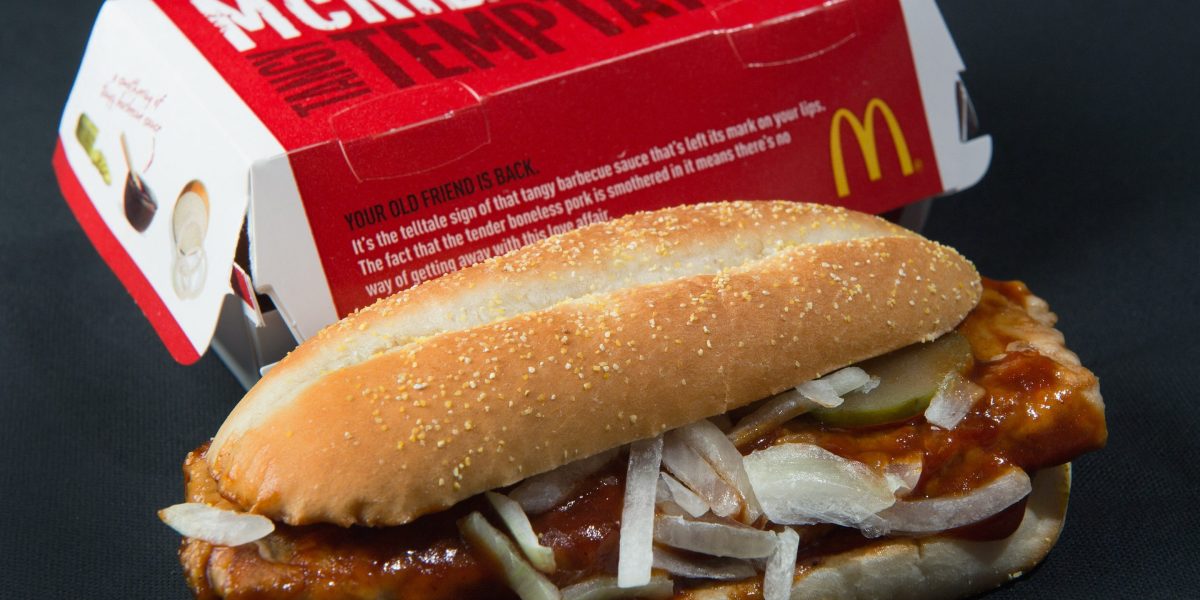
McDonald's is facing a class action lawsuit from plaintiffs who allege the fast food chain has long deceived customers about what type of meat is in the popular, limited McRib sandwich. The lawsuit was filed late last month in the U.S. District Court for the Northern District of Illinois by eaters from California, New York, Illinois and Washington, D.C. who claim the sandwich is marketed as containing pork rib meat but actually has none.
Food & drink
fromBoston Herald
3 months agoFoods with healthy-sounding buzzwords could be hiding added sugar in plain sight
Same goes for low-fat yogurts "made with real fruit," "organic" plant-based milks and bottled "superfood" smoothies. Buyer beware: Healthy grocery buzzwords like those often cover up an unhealthy amount of sugar. Added sugars are difficult to quickly spot because many companies use clever marketing to distract consumers, said Nicole Avena, a professor of neuroscience and psychiatry at Mount Sinai Medical School and Princeton University who has studied added sugars.
Food & drink
fromTasting Table
4 months agoWhat Counts As Chocolate? Here's What The FDA Says - Tasting Table
If you've ever picked up a bag of cereal or cookies, looked at the ingredients, and seen the word "chocolatey" as a key descriptor, it's not marketing - there's a scientific reason behind this label. In the U.S., the FDA has regulations around what actually counts as chocolate and what can be labeled as such. Standards of Identity (or SOIs) for chocolate and other foods help companies name and define the ingredients in their products so customers can better identify and understand what they're eating.
Food & drink
fromEarth911
5 months agoGreen This, Not That: Simple Swaps for a Healthy Thanksgiving
Turkeys labeled USDA Organic meet specific requirements of organic farming. Turkeys carrying this label may not receive antibiotics, arsenic compounds, or animal byproducts, and must eat 100% organic feed. The animals must have access to the outdoors or pasture, and GMOs are prohibited. You do have a choice when shopping, so why not buy a turkey that was raised as healthy food, not an industrial product? Purchase an organic turkey from a local farm or farmers' market and familiarize yourself with these labels:
Food & drink
fromTasting Table
6 months agoThe Number-One Red Flag On Store-Bought Food Labels Goes Far Beyond The Ingredients Themselves - Tasting Table
Some may choose to gloss over this table, but for many - diabetics, dieters, folks who simply want to have more control over what they eat - it can be extremely helpful. But the fact that it looks "official" and is scribbled with numbers doesn't mean all of them are trustworthy. In an interview with Real Simple, Amy Davis, RDN noted that there's one red flag to always look out for when reading this nifty box: whether it complies with FDA labeling regulations or not.
Food & drink
fromNatural Health News
6 months agoTexas Gov. Greg Abbott signs three health-focused bills into law
Senate Bill 25, which mandates that packaged foods sold in Texas display warning labels if they contain synthetic food dyes, including Blue No. 2 and Green No. 3. These additives have come under increased scrutiny for potential behavioral and health effects, especially in children. Beginning in 2027, products with these synthetic food dyes will be required to display a label stating, "WARNING: This product contains an ingredient that is not recommended for human consumption by the appropriate authority in Australia, Canada, the European Union or the United Kingdom." (Related: Kraft Heinz removes SYNTHETIC DYES from its products, aligning with MAHA initiative.)
Alternative medicine

Food & drink
fromTasting Table
6 months agoHas Your Work Lunch Ever Been Stolen? Reddit Has Opinions On What To Do Next - Tasting Table
Workplace lunch theft provokes strong reactions; respond calmly, label and secure food, post a polite notice, consider deterrents and escalate to management if needed.

fromTasting Table
7 months agoWhy You Won't Find Velveeta In The Refrigerated Aisle - Tasting Table
Some grocery stores stock their bricks of Velveeta in the refrigerated aisle, alongside cheese blocks and bags of shredded fromage. At other grocery retailers, the Velveeta might be stashed in the canned aisle beside tins of stewed tomatoes and jarred pasta sauces. Both spots work just as well. Velveeta doesn't need to be refrigerated at all, because it's processed. Surprising probably no one, Velveeta isn't technically cheese at all.
Food & drink
from24/7 Wall St.
9 months agoU.S. Cracker Giant Admits Labeling Error, Plus Recalled Products with Catastrophic Impacts
Ritz mistakenly labeled peanut butter crackers as cheese crackers, prompting Mondelez International to issue a recall due to severe nut allergy risks, despite correct outer carton labeling.
Food & drink
Silicon Valley food
fromTasting Table
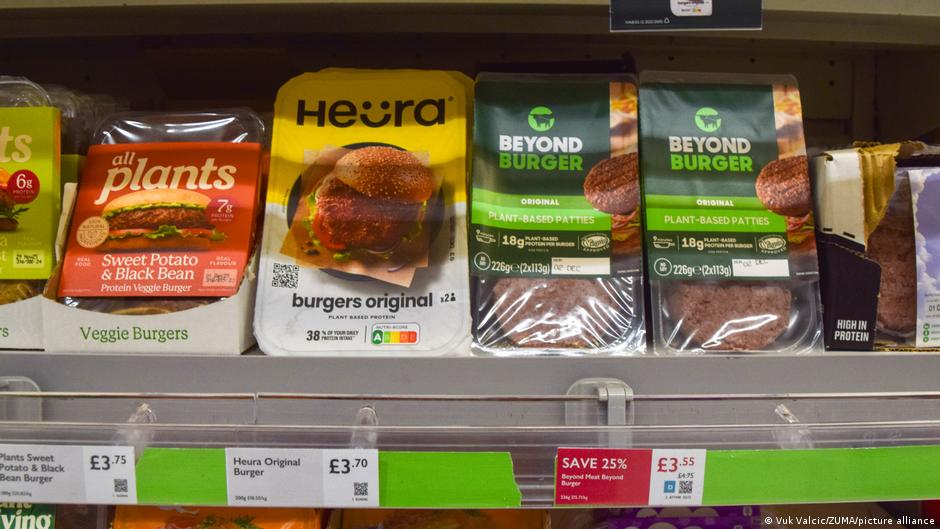
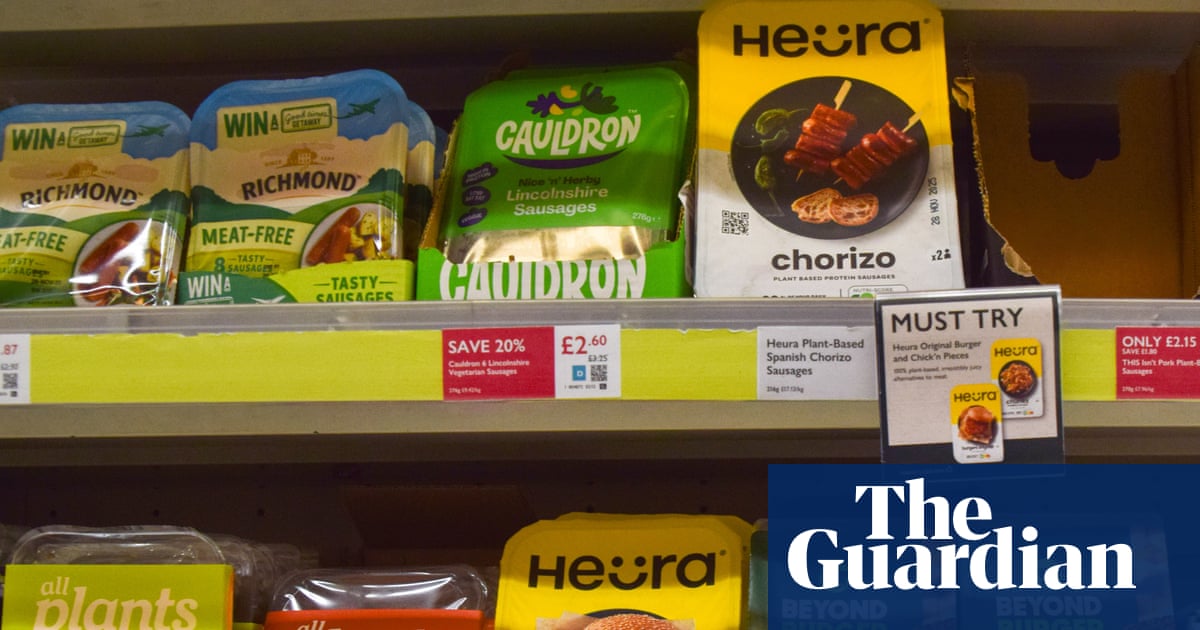
1 year ago7 Imitation Foods Worth Eating And 7 You Should Avoid Completely - Tasting Table
Many grocery products are misleadingly labeled, presenting alternatives to traditional foods.
Plant-based options like egg substitutes can be a cost-effective choice that meets dietary needs.
[ Load more ]