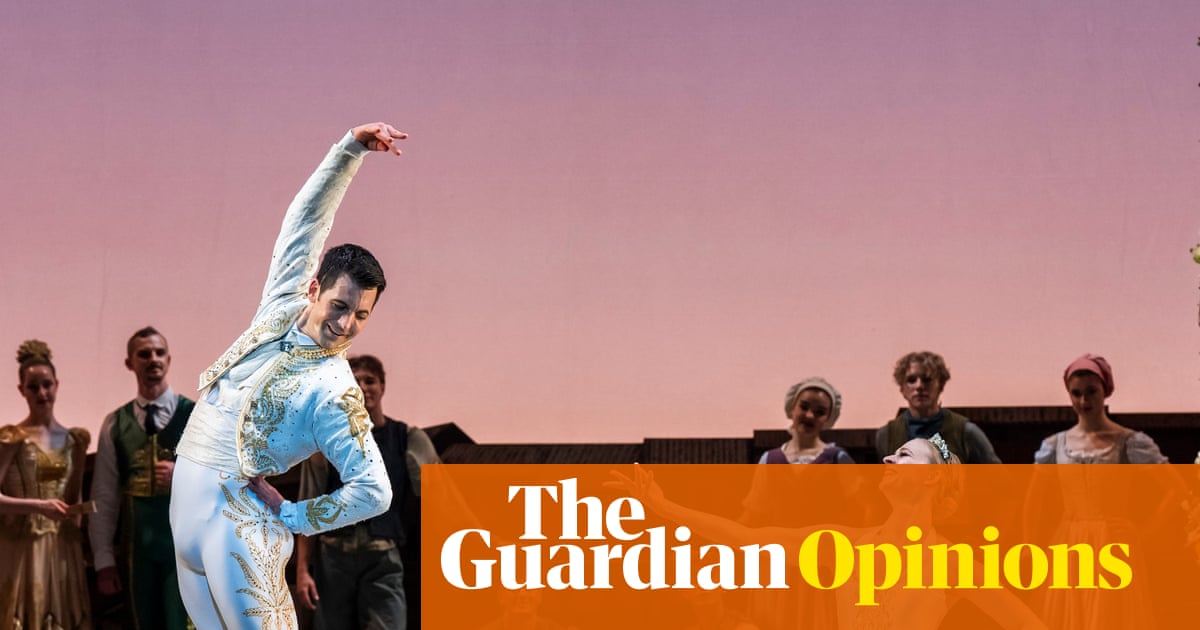
"I don't want to be working in ballet, or opera, or things where it's like, Hey, keep this thing alive, even though like no one cares about this any more. Chalamet said in a recorded conversation for Variety, expressing his reluctance to participate in art forms he perceives as lacking contemporary audience engagement and cultural relevance."
"What the big organisations in the UK failed to mention is that dwindling audience numbers post-Covid have led to significantly fewer stage shows being produced, meaning more people in the industry are out of work. It may be an awkward truth, but opera and ballet are going the way of stamp-collecting, churchgoing and blacksmithing, and appreciation alone will not rescue them."
"If as many people who've labelled Chalamet uncultured bought a ticket, opera and ballet wouldn't be in this mess. Clearly there's a difference between virtue signalling about art and doing what's required to keep it alive."
Timothee Chalamet's comments dismissing opera and ballet as irrelevant sparked widespread backlash from major institutions and performers. The Metropolitan Opera, Royal Ballet, and Opera, and ballerina Misty Copeland publicly rebuked him, emphasizing their large audiences and cultural importance. However, beneath the defensive responses lies an uncomfortable reality: these art forms have experienced significant audience decline following the pandemic, resulting in fewer productions and industry job losses. While institutions claim thriving attendance, the broader trend suggests opera and ballet are struggling to maintain relevance. The controversy highlights a disconnect between cultural appreciation expressed through social media and the concrete support—ticket purchases—necessary for these art forms' survival.
#opera-and-ballet-industry #cultural-relevance #post-pandemic-arts #audience-engagement #virtue-signaling-vs-action
Read at www.theguardian.com
Unable to calculate read time
Collection
[
|
...
]