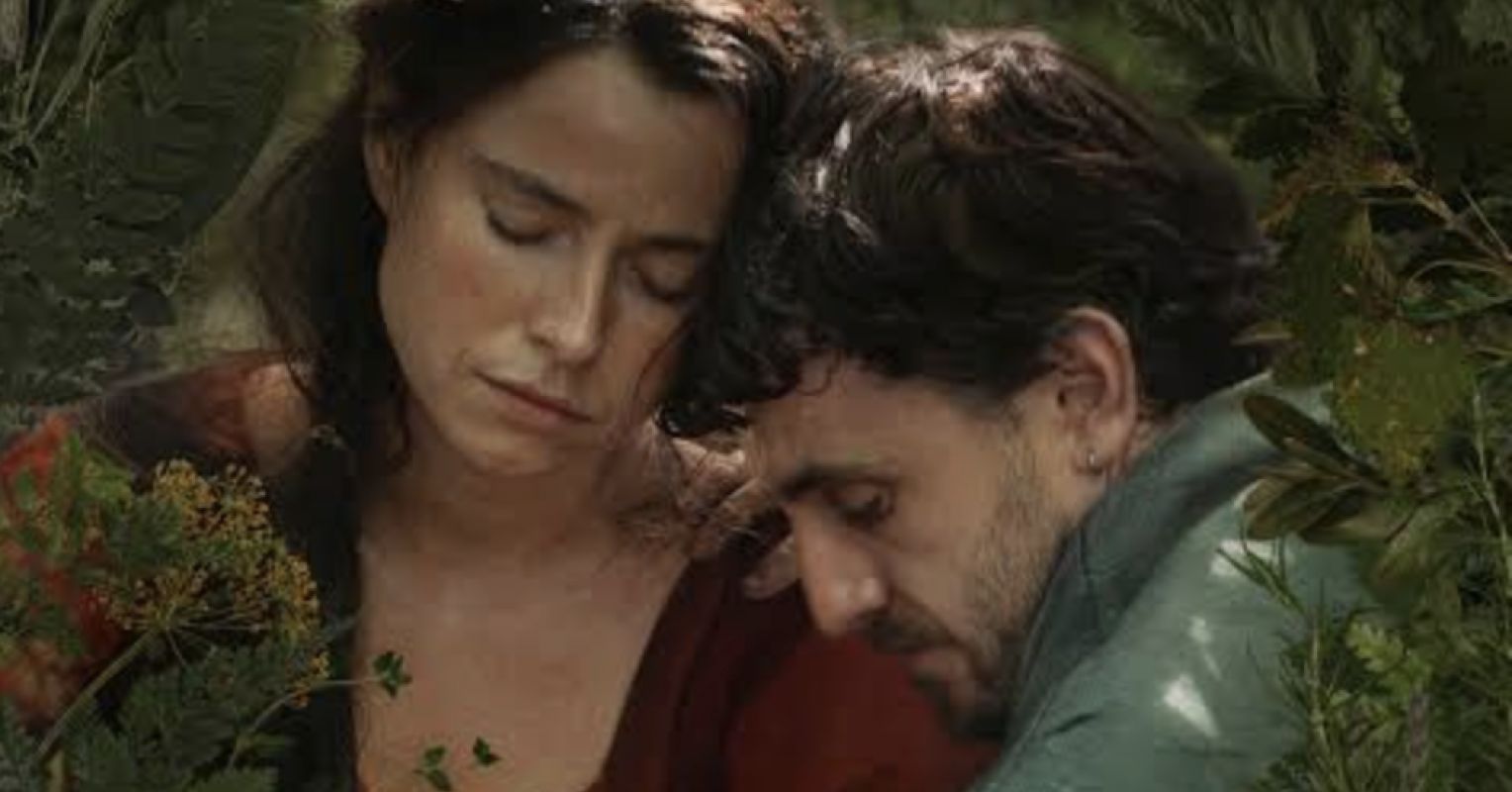
"The novel draws on a handful of historical facts: Shakespeare and his wife Agnes (also known as Anne Hathaway) had three children; in 1596, their 11-year-old son Hamnet died, likely of the plague. A few years later, Hamlet appeared on the London stage. In that era, the names Hamlet and Hamnet were used interchangeably. O'Farrell imagines what feels psychologically inevitable: that one of the greatest works ever written about grief was born from a father's own."
"When I learned that Hamnet had been adapted for film, directed by Chloé Zhao, I was both hopeful and skeptical. The novel is ethereal, embodied, and steeped in intuition and the natural world. How could a film capture its otherworldly quality - especially Agnes, whom O'Farrell renders as instinctive and proudly mystical in her knowing? Zhao's gift in the film's rendering is restraint. She trusts silence. She trusts landscape. She allows grief to breathe."
A narrative set in 1596 portrays Shakespeare and his wife Agnes losing their 11-year-old son Hamnet, likely to the plague. The story traces how private sorrow moves through a family, reshaping marriage, identity, and meaning, and probes what happens to love in the face of unimaginable loss. Art is presented as a way to metabolize sorrow, externalizing what has been sealed inside, an effect paralleled in therapeutic work that helps grieving clients give voice to internal pain. A cinematic rendering chooses restraint, silence, and landscape to allow grief space, with performances emphasizing sensuality, maternal intensity, and creative connection.
Read at Psychology Today
Unable to calculate read time
Collection
[
|
...
]