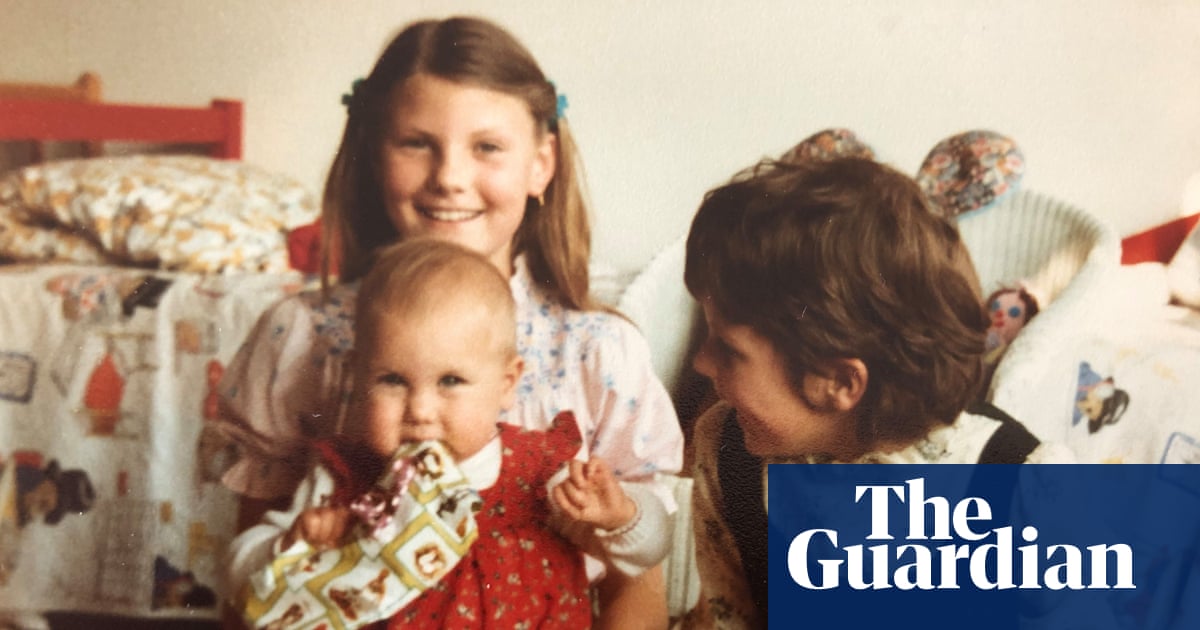
"Oldest children are born into an adult world, full of grown-up language and behaviour. Governed by anxious, inexperienced but still fresh parents, they bask in the glow of undivided attention. Their infancy will be markedly different to that of their little brother or sister who will be born into a family with a toddler as their role model/ally/nemesis, no new clothes, and shared parental attention."
"Birth order theory may be neat, but our place in the family roll call cannot fully account for the ways in which we grow up together apart as siblings. We must examine all of the knottiness underpinning our accepted roles as responsible firstborns, problematic middles or spoilt babies, including home environment, parental relationship, careers, gender pressures, aptitude, and special needs."
"Difficulties typically arise because of the slipperiness of memory, often shot through with profound emotions—making it hard to pull together a coherent and agreed-upon story of our pasts."
Siblings raised together paradoxically have both shared experiences and distinctly different childhoods. Birth order theory explains some differences: firstborns experience undivided parental attention in an adult environment, while younger siblings have older siblings as role models and share parental focus with them. Parents become progressively more relaxed and exhausted with each child. However, birth order alone cannot fully explain sibling differences. Family environment, parental relationship quality, career pressures, gender expectations, aptitude considerations, and special needs significantly shape each child's experience. Memory's unreliability and emotional weight further complicate siblings' ability to agree on shared family history, making it difficult to understand each other's perspectives.
#sibling-relationships #birth-order-theory #family-dynamics #childhood-experiences #memory-and-emotion
Read at www.theguardian.com
Unable to calculate read time
Collection
[
|
...
]