Writing
fromEsquire
10 hours agoThe Lost Art of Writing a Note by Hand
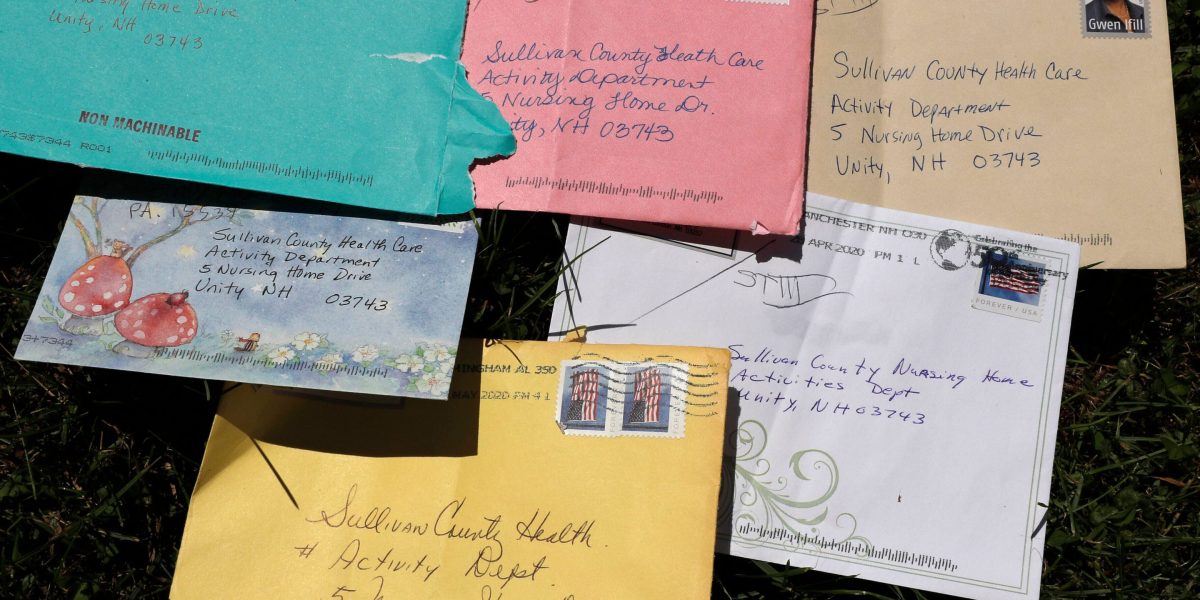
Handwritten letters have become rare due to digital communication, but writing them remains a meaningful way to express thoughtfulness and create lasting impressions.
The Center for Literary Arts presents acclaimed author Venita Blackburn, Compton-born creative writing professor and founder of Live, Write, an organization offering free creative writing workshops.
Anytime an Oregon author, or any other prominent writer, gave a reading at Powell's Books, Steve Arndt would show up early, sometimes by a couple hours, and reserve front-row seats for his fellow writers. He wanted the writer giving the reading to know they had the support of Portland's literary community. His friends say that habit embodies Arndt's kindness, generosity, thoughtfulness, and the way he fostered and strengthened a sense of community in Portland's literary scene.
We've all been there. Someone starts telling a story, and within seconds, your mind starts wandering. Maybe you pull out your phone, suddenly remember an urgent email, or find yourself mentally reorganizing your weekend plans. The storyteller doesn't notice. They keep going, completely unaware that they've lost their audience. After interviewing over 200 people for various articles, I've noticed patterns in how people communicate their experiences. Some captivate you from the first word, while others lose you before they've even gotten to the point.
The term "conspiracy theory" calls to mind a variety of dubious claims and controversies, like rumors about Area 51, claims that the Earth is flat, and the movement known as QAnon. At first blush, these phenomena would seem to have little in common with bogus word origins. But there are a variety of false etymologies that spread virally and refuse to go away, in much the same way that stories about chemtrails, black helicopters, and UFOs refuse to die.
Many lawyers have eagerly adopted the buzzword "BLUF"-bottom line up front-as if invoking the acronym were synonymous with careful thinking. The catch is that almost no one stops to ask the important question: What exactly is meant by "bottom line"? The answer isn't obvious, and it shifts with context. In military writing, the "bottom line" is a concrete decision or action a commander must take-stated at the very start because the commander already knows the mission, the terrain and the stakes.
A crack of thunder, a flash of light, and a sulfurous mist flooded my apartment. Marax, President of Hell, stood before me. Marax entered my summoning circle, eyes burning with unholy fire, and I gave him the stack of homework to flip through while I brushed my teeth. Marax marked up the papers and fleshed out my bullet points into thoughtful feedback before I even got to my molars. Then-three hours of my life, saved!-I banished him back to Hell.
A little rice? A little soup? I'd rather die reading the early texts you sent about my breasts. I wouldn't take a picture- infidelity!- and so instead had conjured them with words, for which, with words, you gave me back a tongue we dragged across the skin of common thought. Such is our lot, our shared disease or gift. Like Bernini's angels propped somewhere in Rome
Back in December, when SFWA announced that it was updating its rules for the Nebula Awards. Works written entirely by large language models would not be eligible, while authors who used LLMs "at any point during the writing process" had to disclose that use, allowing award voters to make their own decisions about whether that usage would affect their support.
1. Tongue in cheek 2. Old wives' tales 3. Statute of limitations 4. To be specific 5. Nipped in the bud 6. Get down to brass tacks 7. Deep-seated hatred 8. All intents and purposes 9. Wheelbarrow 10. Champing at the bit 11. Jury-rigged 12. Ulterior motive 13. Bald-faced lie 14. Dog eat dog world 15. Chump change 16. Dime a dozen 17. Duct tape 18. Can't see the forest for the trees 19. Quote unquote 20. Could have 21. Chalk it up 22. Iced tea 23. Take for granted 24. Blessing in disguise 25. Bated breath
The English language is a marvelous thing. In just the past few years, we've been treated to the invention of words or terms that have captured new technologies or given voice to how it feels to be alive in 2026: rage bait, rizz, slop, hard pants, nepo baby, brain rot. But occasionally, new phrases arise that describe something much older-perhaps even ancient-to which no one has given a name.
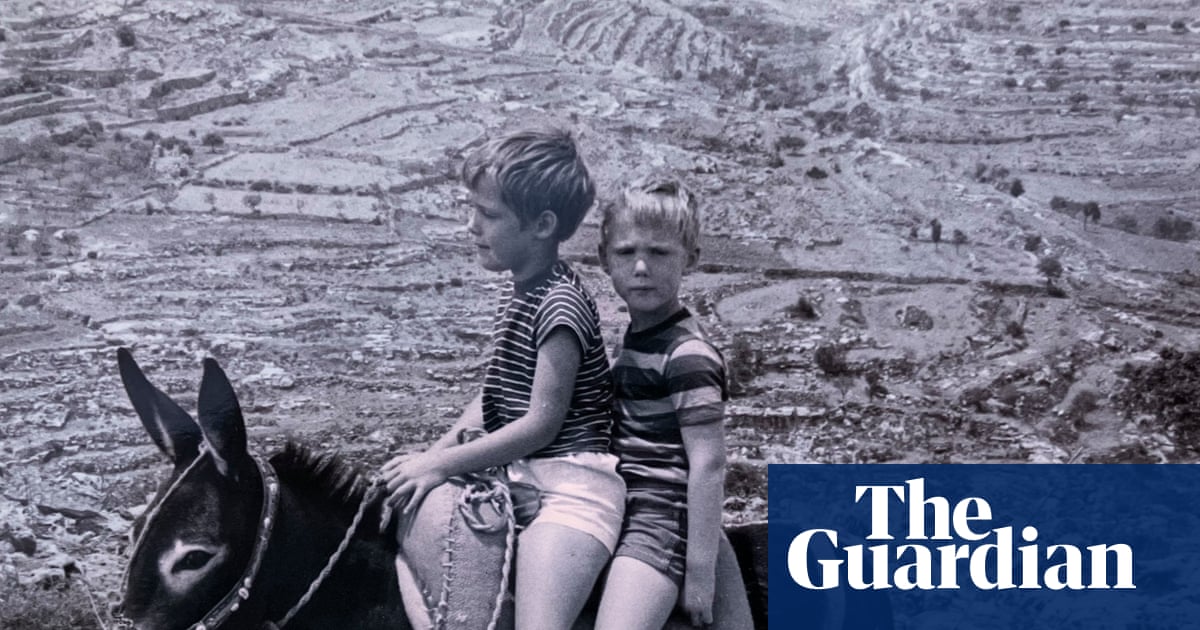
cardiganed grandmothers eating roadside picnics beside Morris Minors, pale men sunbathing in shoes and socks on stripy deckchairs, Raleigh Choppers and caged budgerigars and faux leather pouffes I feel a wave of what can't properly be called nostalgia, because the last thing I'd want is to return to that age and those places where I was often profoundly unhappy and from which I'd have been desperate to escape if escape had been a possibility.
I'm one of those authors whose books AI ate for lunch a few years back. At some point I might get a check to pay me for a dozen years' work on the three books it stole, but really, there's no way to compensate for the fallout. AI seems to think no, it can't think, only shuffle what real people thought that a machine can write as well as a person can.
Here's the good news: writing isn't a talent. It's a skill. And skills respond to the same cure as every other skill: reps. Not glamorous reps. Not the kind that gets applause. The kind you do in small rooms, when no one is watching, when you're a little uncomfortable, when you want to quit halfway through because the sentence you just wrote feels like wet cardboard. That's the work.
Born in San Francisco as John Griffith Chaney on January 12, 1876, Jack London lived a life even more dramatic than those portrayed in many of his novels. His biological father never acknowledged paternity, shunning his mother while she was still pregnant. She would later marry Civil War veteran John London, who took him in as his stepson and gave him his surname. London grew up in severe financial hardship.
i want back my rocking chairs, solipsist sunsets, & coastal jungle sounds that are tercets from cicadas and pentameter from the hairy legs of cockroaches. i've donated bibles to thrift stores (mashed them in plastic trash bags with an acidic himalayan salt lamp the post-baptism bibles, the ones plucked from street corners from the meaty hands of zealots, the dumbed-down, easy-to-read, parasitic kind): remember more the slick rubber smell of high gloss biology textbook pictures;
Trope, POV, backstory, character arc. In the 30 years since I was a student of that benign, pipe-smoking, elbow-patched man of letters Malcolm Bradbury, the private language of creative writing workshops has taken over the world. What writers used to say to small circles of students in an attempt to help them improve their storytelling technique has become a familiar way, often parodic and self-knowing, of interpreting the grand and not-sogrand narratives of our time.
When I was studying writing in college, my personal essay class was my favorite. I'd already been journaling for almost a decade, so I understood the power of exploring life experiences through the written word. Journaling wasn't immediately helpful for me. In my younger years, I often wrote to ruminate, beat myself up, count calories, or otherwise reinforce patterns that didn't support me. But as I worked through childhood trauma in therapy and through other approaches, my writing gradually became healthier.
My dad has always had a southern accent: His words fall out of his mouth the way molasses would sound if it could speak, thick and slow. But his "KFC voice," as my sisters and I call it, is country. It's watered-down on work calls and during debates with his West Coast relatives. But it comes out around fellow cattle farmers and old friends from Kentucky, where he grew up.
Respondents to an annual Michigan college survey of overused and misused words and phrases say " 6-7 " is "cooked" and should come to a massive full-stop heading into the new year.