Environment
fromArs Technica
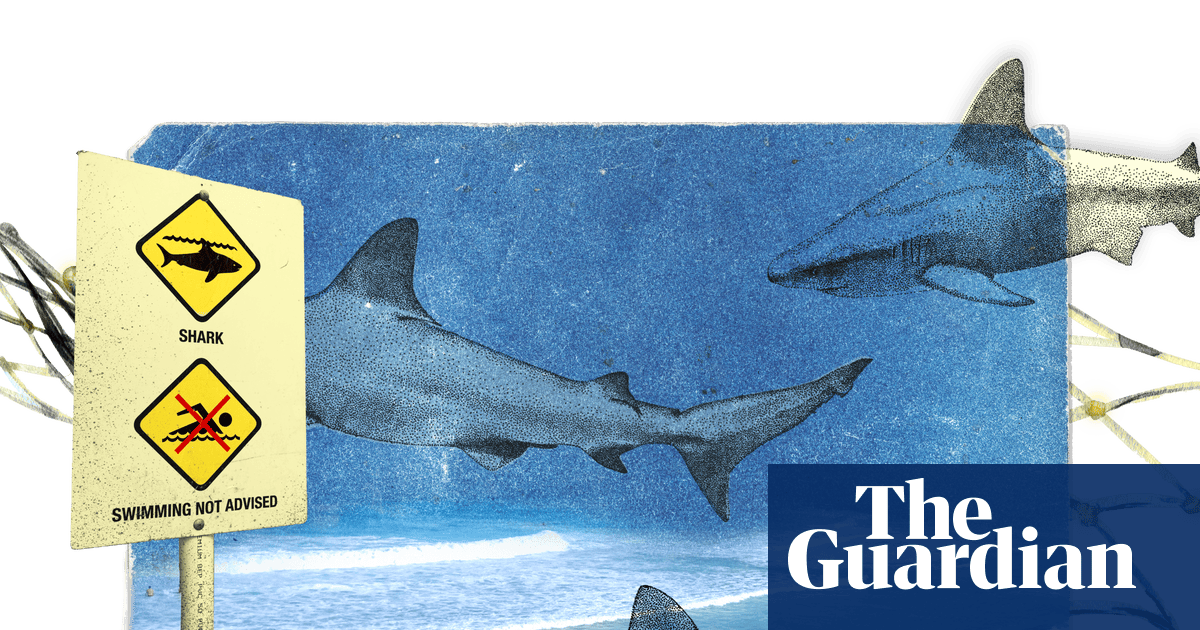
1 day agoGreat white sharks are overheating
Climate change threatens mesotherm apex predators, impacting ecosystems and their survival due to physiological limits and historical overfishing.
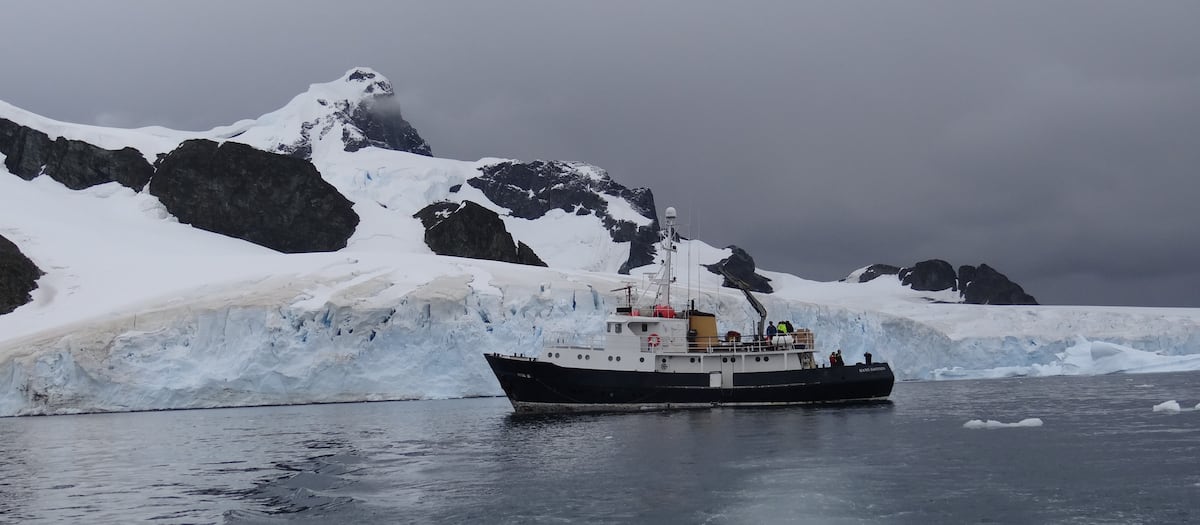
Imagine waking up on a ship surrounded by icebergs, camping in the snowy wilderness and kayaking among the exhalations of humpback whales. You can also take part in a polar plunge, board small zodiac boats to search for leopard seals and collect samples for science research.
In February 2023, an article in the Mexican press announced the capture of a vessel some 195 nautical miles from the port of Lazaro Cardenas in the state of Michoacan. It had been carrying nearly 700 pounds of cocaine packaged in plastic-wrapped bricks, in addition to 1,650 liters of hydrocarbons in 33 plastic containers. Two Ecuadorian fishermen were among the five detainees, and their immigration records showed unusual activity.
Travelling there was a childhood dream of mine. I saw it as a way to test myself against something so much bigger. I nearly applied for a role at the British Antarctic Survey (BAS) 30 years ago, but then my wife and I were expecting our first child. Instead, I've worked as a chef in Michelin-star restaurants in Paris and London, hotels in Kuala Lumpur and St Moritz, and even at a school in Oxfordshire.
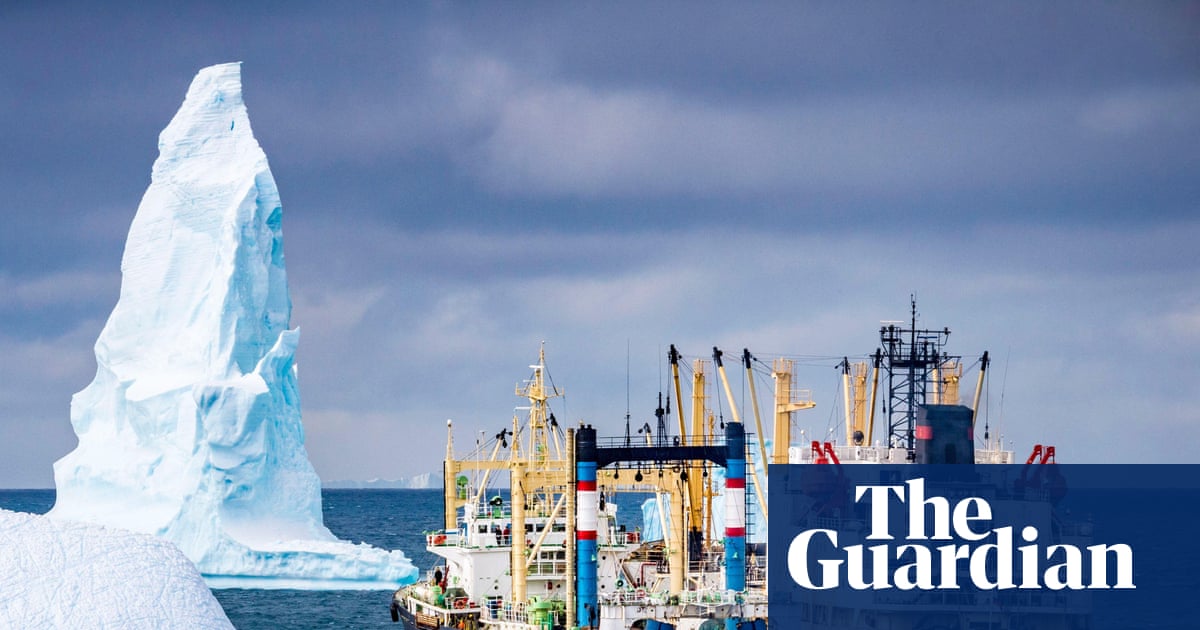
Krill are a keystone species and the main food source for whales, penguins and seals. Aker QRILL, the world's largest harvester of krill, a tiny crustacean and keystone of Antarctica's fragile ecosystem, and its sister company, Aker BioMarine, produce feed additives for aquaculture and dietary supplements for pets and humans.
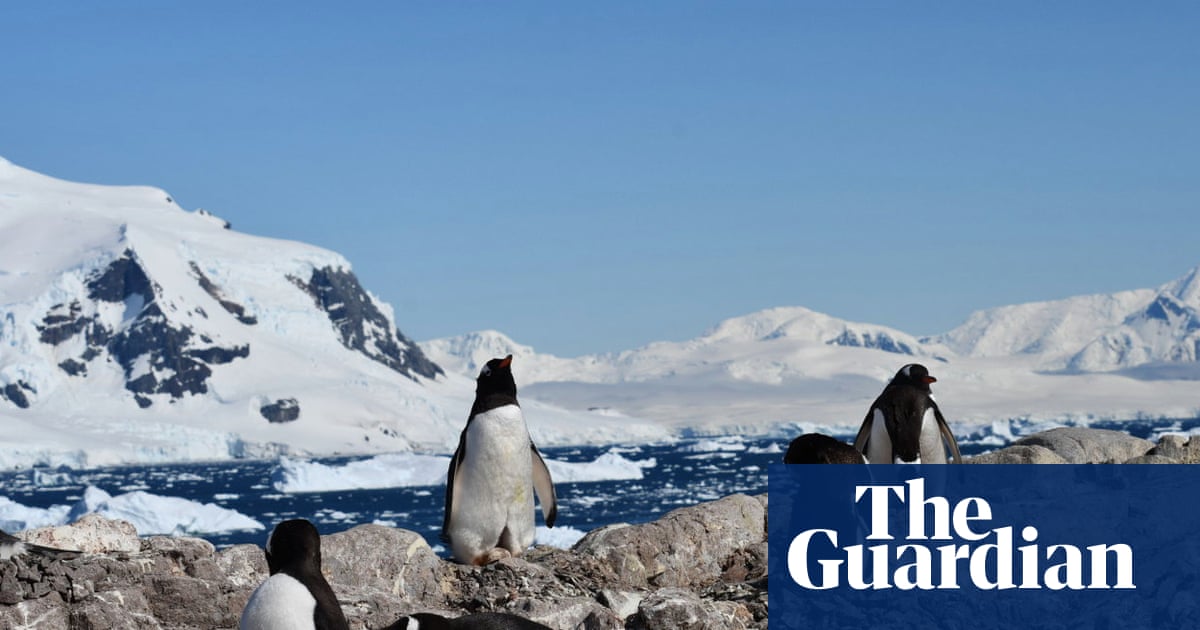
Changes in the Antarctic do not stay in the Antarctic. Though Antarctica is far away, changes here will impact the rest of the world through changes in sea level, oceanic and atmospheric connections and circulation changes.
In this photo, I'm preparing drifting buoys for deployment. This was my main responsibility aboard the RV Falkor (too), during a 27-day research expedition in October 2025 exploring the Malvinas Current, an ocean current that runs alongside Argentina. The expedition included biologists, geologists and physical oceanographers such as myself; I'm a PhD candidate at the Sea and Atmosphere Research Center (CIMA) in Buenos Aires, Argentina.
Argentina's deep sea holds more biodiversity than scientists previously thought. An expedition that traveled from the north of Buenos Aires province to Tierra del Fuego, the country's southernmost point, observed the world's largest known Bathelia candida coral reef, worms, sea urchins, snails, anemones, and a specimen that captured the public's attention: a rare phantom jellyfish that can grow as large as a school bus.
Ice-sheet retreat lined up with low algae growth over the past ~500,000 years, implying less CO₂ uptake in parts of the Southern Ocean during warm periods. The study points to iceberg-delivered, iron-rich sediments from West Antarctica during warm intervals, not windblown dust. The iron-bearing minerals in these sediments were highly weathered and not readily bioavailable to marine algae. If WAIS keeps shrinking, similar sediment delivery could weaken Southern Ocean carbon uptake, creating feedback that could amplify climate change.
At first glance, it looked like Wooller and his colleagues might have found evidence that mammoths lived in central Alaska just 2,000 years ago. But ancient DNA revealed that two "mammoth" bones actually belonged to a North Pacific right whale and a minke whale-which raised a whole new set of questions. The team's hunt for Alaska's last mammoth had turned into an epic case of mistaken identity, starring two whale species and a mid-century fossil hunter.
Because we're homeotherms, we assume all mammals work the way we do. But in recent years, as improvements in technology allowed researchers to more easily track small animals and their metabolisms in the wild, we're starting to find a lot more weirdness.
Polar bears are the poster children of climate changeand for good reason. These giant bears hunt, mate and spend their days hanging out on Arctic sea ice, which is rapidly disappearing as the climate warms. But some polar bears, it seems, are far more resilient than we realized: new research suggests that in one region, the bears are adapting to the declining sea ice.