Psychology
fromwww.scientificamerican.com
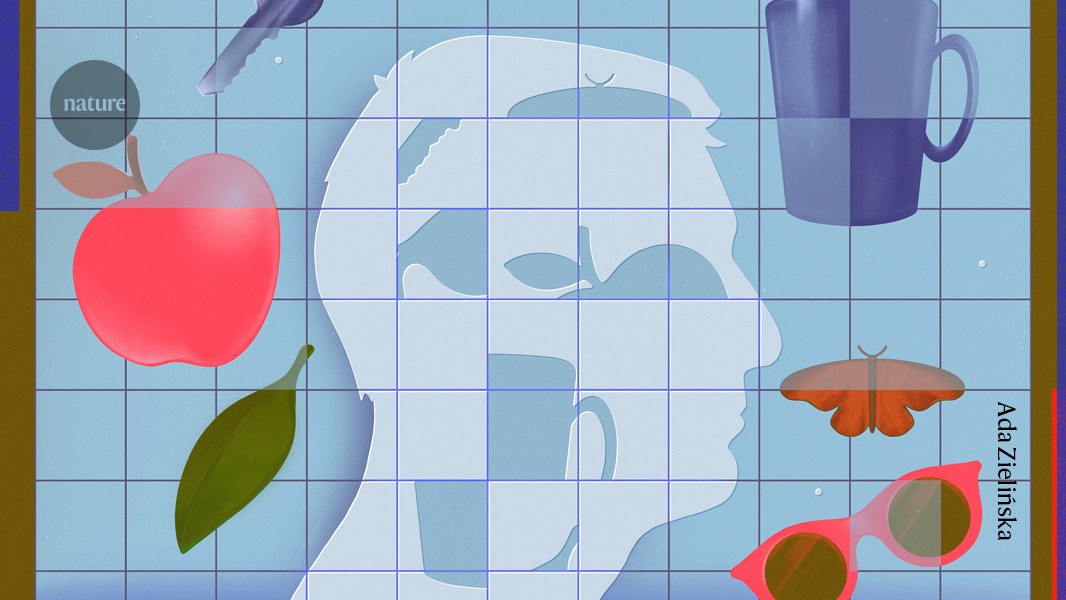
14 hours agoA face-swapping illusion can unlock childhood memories
Changing perceived body can enhance access to early memories.
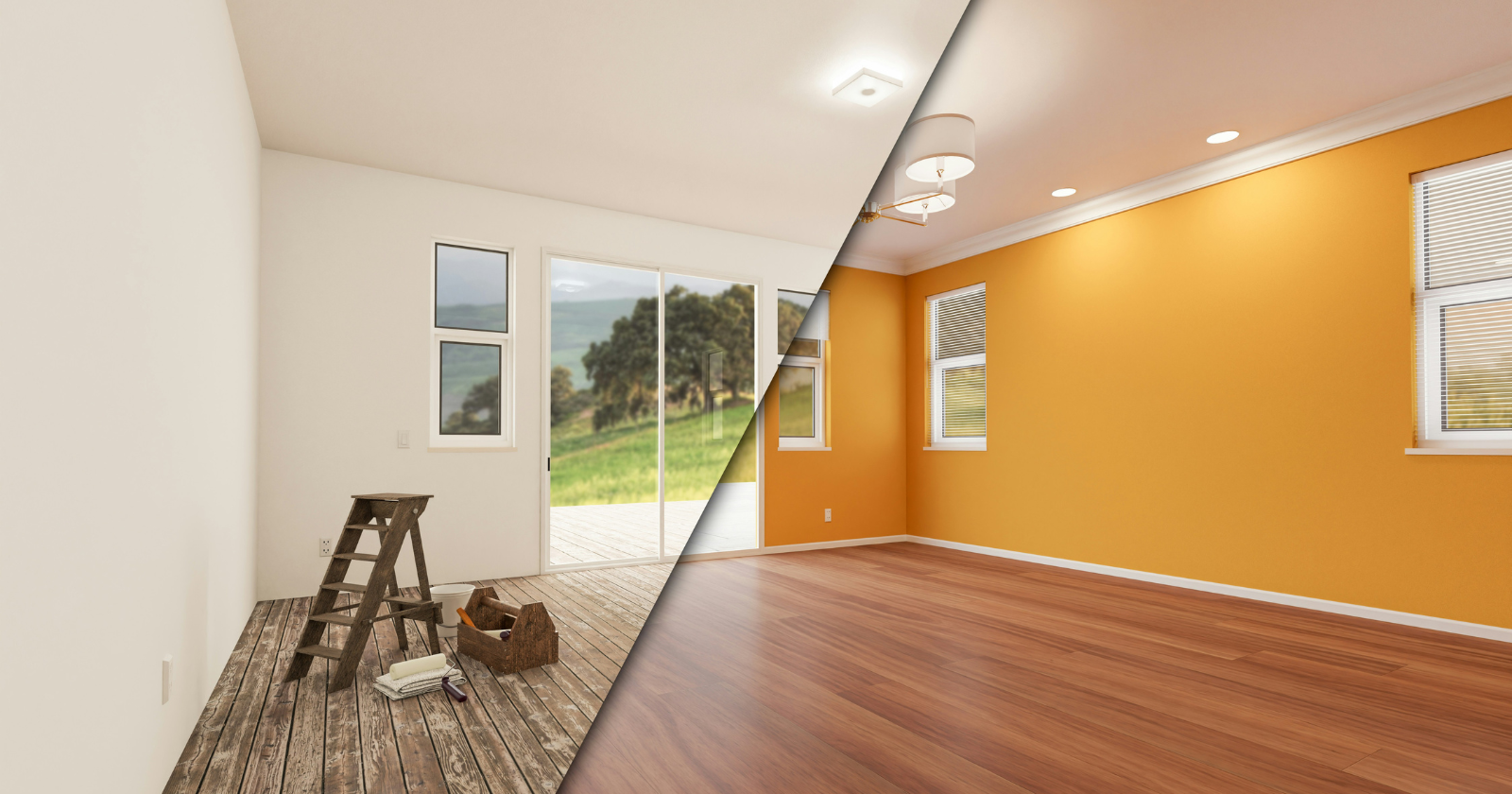
Decades of research in environmental psychology and building science reveal that indoor conditions can profoundly affect human health and behavior. Lighting influences circadian rhythms and sleep patterns. Air quality impacts cognitive performance and respiratory health. Temperature and acoustics shape comfort and concentration.
Over the next few days, the pattern repeated in ways that allowed annoyance and resentment to accumulate. When Daniel told friends about weekend plans, Maya corrected the date before he finished the sentence. When Maya described a conversation with their daughter's teacher, Daniel clarified a detail in front of the kids. When Daniel forgot one item at the grocery store, [the pattern continued]. These small corrections and clarifications, seemingly harmless individually, created a cumulative effect of tension.
Beauty, it turns out, is capable of launching not just an armada of ships, but a cascade of the same feel-good chemicals you get from being in love, eating chocolate, exercising, and having orgasms- dopamine, endorphins, serotonin, oxytocin. It also lowers stress, blood pressure, and heart rate.
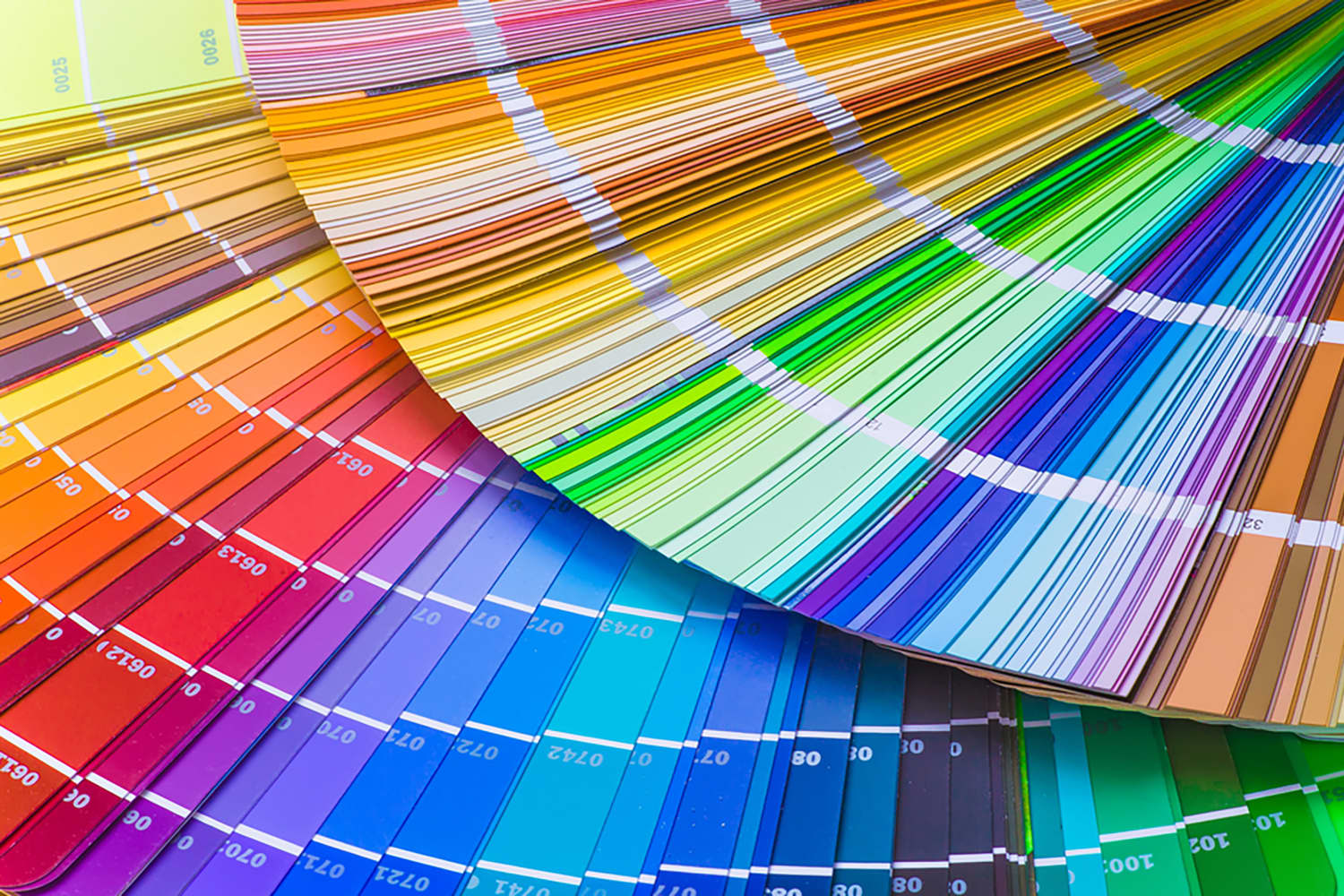
From Do Ho Suh's ethereal architecture to Kimsooja's irridescent mirrors to Lauren Halsey's fringed tapestry, a new book from Monacelli celebrates a broad spectrum of light and color. Rainbow Dreams features more than 200 installations, sculptures, paintings, photographs, and more that revel in the possibilities of pigment. Bound in a smooth gradient that extends to the pages' edges, this vivid survey is a celebratory, playful object in itself.
At a time when memories are increasingly flattened into folders, feeds, and cloud backups, a new experimental device from MIT Media Lab proposes a far more intimate archive: scent. Developed by Cyrus Clarke, the Anemoia Device is a speculative yet functional prototype that translates photographs into bespoke fragrances using generative AI, inviting users not to view memories, but to inhabit them through the body.
"Me and my girlfriend went on color hunting in Berlin this weekend," user Erikas Mališauskas shared on X. "We picked two random colors and had to make a 3×3 photo grid featuring that color. I got yellow, she got blue, here's the result." Commenters rallied together in agreement, saying how good of an idea this is.
Attention is the brain's filtering mechanism; what passes through that filter is what gets encoded. What gets encoded becomes memory. And memory is the raw material of identity. So in the architecture of your identity, attention is the doorway.
If we told them to look at the face, they could usually manage it. But they were mostly looking at the hands. The Prakash children eventually learn to look at faces when spoken to - usually a few months after their surgeries. Their experiences reveal that seeing doesn't come naturally the moment a person is cured of blindness. Newly-sighted people must learn to see.
There have been a few drafts of a specification function for this functionality, most recently, contrast-color() (formerly color-contrast()) in the CSS Color Module Level 5 draft. But with Safari and Firefox being the only browsers that have implemented it so far, the final version of this functionality is likely still a ways off. There has been a lot of functionality added to CSS in the meantime; enough that I wanted to see whether we could implement it in a cross-browser friendly way today. Here's what I have: color: oklch(from <your color> round(1.21 - L) 0 0);
Real estate with ocean views, stunning mountain vistas, and wide-open green spaces sell at premium prices because humans find those settings pleasing [1-5]. Certain color combinations in fashion-such as brown and forest green-blend harmoniously, while others, such as hot pink and orange, clash. And our eyes like certain proportions in visual objects (like buildings and human faces) but not others.
In 2011, researchers Jason Tangen, Sean Murphy, and Matthew Thompson at the University of Queensland discovered a striking visual illusion while preparing a set of face images for a study. As they were going quickly through the faces to check their spatial alignment, they started noticing that the faces appeared highly distorted, almost cartoonish. They then realized that these distortions were most pronounced when the faces were flashed about 4-5 times per second in peripheral vision.
Did someone with spatial-sequence synaesthesia design the calendar app on mobile phones? Because that's how time and dates look in my brain. If you say a date to me, that day appears in a grid diagram in my head, and it shows if that box is already imprinted with a holiday, event or someone's birthday. Public holidays and special events like Christmas and Easter are already imprinted for the year, and the diagram goes backwards to about 100,000BC
Yes and no, says cognitive scientist Tomer Ullman, the Morris Kahn Associate Professor of Psychology, who with Halely Balaban recently published a paper titled "The Capacity Limits of Moving Objects in the Imagination." If you're like most people, you probably thought about some of these things, but not others. People build mental imagery hierarchically, starting with the ideas of "person," "room," "ball," and "table," then placing them in relation to one another in space, and only later filling in details like color.