#camping-gear-innovation
#camping-gear-innovation
[ follow ]
#outdoor-gear #travel #packing-tips #mental-health #camping #backcountry-skiing #safety #digital-detox




Alternative transportation
fromYanko Design - Modern Industrial Design News
5 days agoPrattline Launches $55K Low Tow caravan with rugged build and two-shell expanding design - Yanko Design
The trailer industry is shifting to hard-bodied construction with features like auto-lifting roofs and compact designs for enhanced off-road capabilities.
fromBikerumor
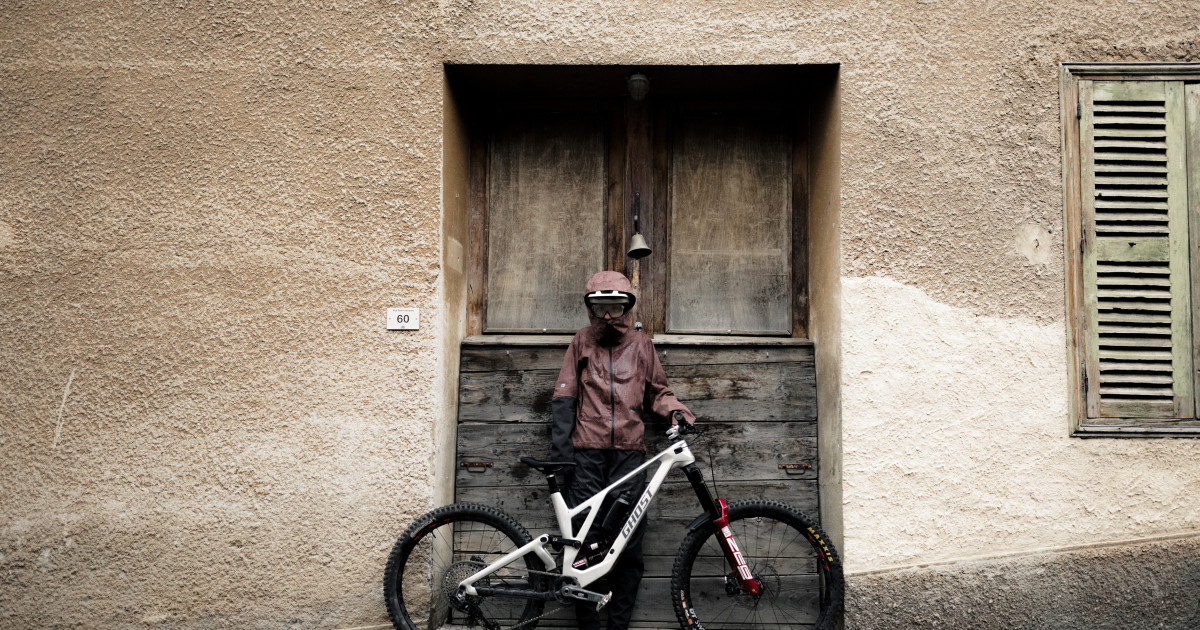
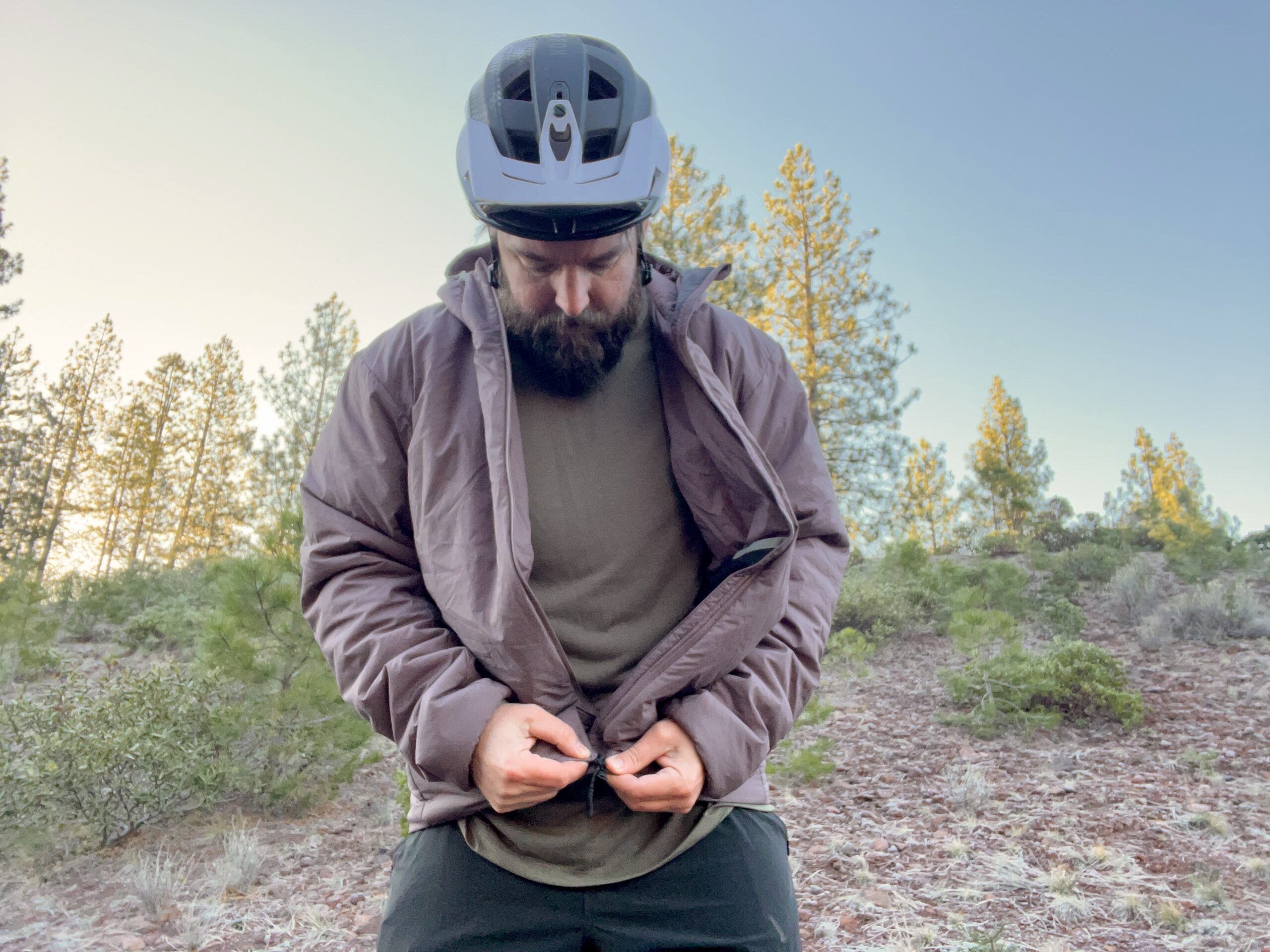
3 days agoArc'teryx Enters the MTB World With the Rhoam Collection
"Our heritage is rooted in building gear for people who live and thrive in the mountains, and that includes our own team. Many of us ride; our athletes ride. Mountain biking is part of our culture," Ashley Anson, VP Design at Arc'teryx, said.
Bicycling
:max_bytes(150000):strip_icc()/tal-tout-amazon-hiking-camping-deals-tout-a5b7810df18c4ebbb6fe07ccfcbf1c61.jpg)
fromYanko Design - Modern Industrial Design News
2 weeks ago10 Best Camping Gadgets Every Design Snob Needs Before Spring Actually Convinces You to Go Outside - Yanko Design
The camping category has gone through a genuine design evolution. Products are emerging from studios that understand outdoor life not as a survival exercise but as an experience worth designing for.
Gadgets


:max_bytes(150000):strip_icc()/tal-10-travel-essentials-tout-05709dc8a3fa45f08984fc2261535708.jpg)

Wearables
fromYanko Design - Modern Industrial Design News
2 weeks agoFuturewave Just Built a Smartwatch That Works Off the Grid - Yanko Design
O-Boy is a satellite-connected smartwatch designed for emergency communication in areas without mobile network coverage, prioritizing survival over lifestyle optimization.
fromYanko Design - Modern Industrial Design News
2 weeks agoThe $135 Power Station That's Also a Camping Lantern - Yanko Design
The portable power station market has grown considerably over the last few years, and with that growth has come a predictable flood of look-alike black rectangles. They're useful, sure. But they're mostly garage gear, things you pull out during a power outage or scramble to pack the night before a camping trip.
Gadgets
Fashion & style
fromTravel + Leisure
2 weeks agoI'm a Pro Packer: 10 Travel Essentials That Are 'In' for Spring This Year-and What to Leave Behind
Seasonal wardrobe audits optimize travel packing by replacing worn items with functional gear like compression cubes and quality toiletry bags that reduce bulk and improve organization.
Gadgets
fromYanko Design - Modern Industrial Design News
3 weeks ago7 Genius Spring Camping Gadgets & Gear for 2026 That Make the Great Outdoors Feel Like a Five-Star Hotel - Yanko Design
Spring 2026 camping gear solves comfort-weight contradictions through biological modeling and innovative engineering rather than traditional deprivation-based design.
fromBikerumor
2 weeks agoiKamper Skycamp 4.0 Gets Roomier w/ New 3-Person Rooftop Tent
The Skycamp 4.0 gets several technical updates, including a Duracore fiber-reinforced plastic shell designed for UV and temperature resistance, and BreathWeave high-density polycotton canvas that addresses condensation issues without heavy waterproof coatings.
Bicycling
fromCNET
1 month agoI Want This Twisted Firestarter Smartphone in My Camping Essentials
It's got a 20,000-mAh battery -- yes, twenty thousand milliamp hours -- with an included USB-C port for charging other devices. It also powers a large audio speaker and LED lamp on the back, the latter of which can get so bright that a pop-up dialog warns you not to look directly at it to avoid eye damage.
Wearables
Gadgets
fromYanko Design - Modern Industrial Design News
3 weeks ago5 Best Spring EDC Gear Upgrades for 2026 That Actually Deserve a Permanent Spot in Your Pocket - Yanko Design
Spring cleaning reveals which everyday carry items truly justify pocket space through compact design and genuine utility rather than unnecessary features.
Fashion & style
fromTravel + Leisure
4 weeks ago7 Things You Shouldn't Buy for Early Spring Trips-and the Smart Style Swaps You'll Actually Need, From $17
March requires versatile transitional pieces that layer easily rather than committing to full warm-weather wardrobes, as unpredictable temperatures make premature spring dressing risky.
fromYanko Design - Modern Industrial Design News
1 month ago2026 Escape Pod is more powerful, comfortable, and all set for escaping into the wilderness - Yanko Design
The all-new 2026 Escape, designed after the original camper, is no less, in fact, the petite solution, the Escape Pod. Which reimagines the existing model, is "built for those who want to disappear off-grid without giving up comfort."
Travel
Fashion & style
fromTravel + Leisure
1 month ago10 Pants Styles That Are 'Out' for Spring-and What to Wear Instead, From $20
Spring travel wardrobes benefit from strategic pant choices like grey jeans and barrel joggers while avoiding black denim, traditional barrel jeans, and leggings for more versatile, stylish options.
fromYanko Design - Modern Industrial Design News
1 month agoThe Most Advanced Camping Pillow of 2026 Looks Like It Grew in a Forest - Yanko Design
Using Voronoi polygon modelling, the design team mapped how pressure from a sleeping head distributes across the pillow's surface, then engineered protrusions and recesses to respond to that data. The front face features raised cellular structures that increase the contact area between pillow and skin, improving comfort while simultaneously channelling airflow to keep things cool. The back face offers four distinct tactile zones depending on orientation, giving users a degree of customisation that is rare in camping gear. Also, a little warning but: trypophobia alert.
Design
fromBikerumor
1 month agoJetboil Fires Up New TrailCook Camp Stoves for Bikepacking
The key upgrades with these new units compared to the original/standard Jetboil stoves are the integrated pot supports and regulator valves that enable simmer control and incremental heat adjustment, expanding beyond the company's signature boil-water-as-fast-as-possible functionality.
Bicycling
fromConde Nast Traveler
3 years ago11 Hiking Pants That Won't Quit, From Trails to Summits
The best hiking pants earn their place in our packing list the hard way-through scree scrambles, sweaty switchbacks, and the kind of bushwhacking that tests each and every seam. We've worn them on short hikes and multi-day backpacking trips, in hot and cold weather, through light rain and high-alpine winds.
Fashion & style
Cars
fromYanko Design - Modern Industrial Design News
2 months agoThis Unimog-based wooden cabin with pop-up roof tent is built for the wilderness - Yanko Design
The Pucchino is a compact, custom wooden-cabin expedition motorhome built on a Mercedes-Benz Unimog U418 with an electric pop-up roof for extreme off-road travel.
fromNature
2 months agoWhat my cave stay taught me about sensors
To capture the biological impact of this extreme environment, I used a comprehensive suite of sensors and biomarker analyses. I wore a wireless electroencephalograph (EEG) system to monitor brain activity, sleep stages and neural signatures of stress and adaptation; the Oura Ring to continuously track sleep patterns, heart-rate variability and circadian-rhythm shifts; and the glucose monitor to follow metabolic responses in real time.
Wearables
Gadgets
fromYanko Design - Modern Industrial Design News
2 months ago10 Best Camping Gadgets & Essentials to Buy Before Spring 2026 Sells Out - Yanko Design
Solar-powered, modular, compact camping gear—exemplified by a tent with integrated photovoltaic fabric and built-in AC—redefines comfort, portability, and sustainability for modern campers.
fromYanko Design - Modern Industrial Design News
1 month agoCamprit Just Solved Camping's Bulkiest Problem With 5 Titanium Pieces - Yanko Design
There's something oddly satisfying about watching outdoor gear shed its bulk. We've seen tents collapse into impossibly small pouches and sleeping bags compress into cylinders the size of water bottles. Now, Camprit is applying that same minimalist philosophy to camp stoves with their TiStove, and the results are kind of brilliant. The concept is deceptively simple. Take five titanium pieces (two foldable legs and three cooking panels), make them pack completely flat, and keep the whole setup under 1.5 pounds.
Gadgets
E-Commerce
fromwww.travelandleisure.com
1 month agoREI and Amazon Are Hiding Outdoor Gear Deals Up to 66% OffOsprey, Merrell, and Patagonia Start at Just $7
Major retailers are offering steep Presidents Day weekend discounts on outdoor gear including packs, clothing, footwear, and camping essentials from well-known brands.
fromTravel + Leisure
2 months ago12 of the Best Places to Camp in State Parks Across the U.S.
You may dream of seeing the geysers of Yellowstone or the overwhelming greatness of the Grand Canyon, but chances are you have a handful of little wonders in your own backyard. State parks like Goblin Valley in Utah hold their own against the neighboring Arches National Park (or Canyonlands, for that matter), while Maine's Baxter State Park is arguably just as wild as the well-known Acadia National Park (Baxter doesn't even have running water!). Plus, state parks tend to be less crowded and more affordable-two things that bode well for overnight guests.
Travel
fromTravel + Leisure
2 months agoI Hike 200+ Miles Per Year, and I Won't Hit the Trails in 2026 Without These 14 Essentials-From $27
From a safety point of view, it is a lot easier to organize and take stock of the quality of your items on a calm, relaxed afternoon, versus the night before a big hike when you are frantically packing. It's also safer to learn that a rain jacket has a hole when indoors versus discovering the problem while you are miles in on an off-the-grid hike.
Gadgets
fromwww.kaltblut-magazine.com
2 months agoTerrain
The body is a shifting landscape transformed by surfaces and sensations. Each look captures a different tactile world: the heat of blood, the cool weight of metal, the yielding drift of water. The result is a sculptural study of how the elements carve, shield, and release the self. The materials we embody become the emotions we carry, and the body becomes a materialised exhibition of our emotions, from the pulse of Blood to the discipline of Metal to the surrender of Water.
Fashion & style
fromBikerumor
1 month agoBikepacking Roots & Old Man Mountain Make Bikepacking More Accessible with Gear Libraries
We are all familiar with the idea of a library. You go, check out a book, read said book, and return the book when you are done. Yes, there is a bit more mixed in there, such as attaining a library card, due dates, and late fees, but I'm sure you get the general idea. We all know how libraries work.
Bicycling
fromGamintraveler
2 months agoWhat Happened When I Lived Out Of A Carry-On For 12 Months
The idea of living out of a single carry-on bag for an entire year sounds impossible to most people. We're taught from childhood to accumulate more clothes, more products, more backups "just in case." Yet, for thousands of digital nomads and minimalist travelers, fitting their entire life into one small suitcase is not only doable but liberating. It's a lifestyle shift that forces you to prioritize what truly matters and let go of the clutter that weighs you down.
Travel
Travel
fromTravel + Leisure
2 months agoLuxury Hotels Are Teaming Up With Outdoor Brands to Redefine Winter Travel Style
Luxury hotels partner with rugged outdoor brands to create alpine-inspired, premium winter footwear and apparel combining performance materials, elevated design, and resort-style luxury.
Gadgets
fromTravel + Leisure
2 months ago9 Dated Travel Essentials We're Tossing-and the Genius Swaps We're Replacing Them With, From $20
Replace single-USB power banks, flat unsupportive shoes, and heavy weekender bags with multi-device portable chargers, supportive sneakers, and colorful lightweight luggage in 2026.
Gadgets
fromTravel + Leisure
2 months agoAvoid Sneaky Baggage Fees With These 15 Travel Backpacks That Fit 2 Weeks of Clothes-From $27 at Amazon
Travel backpacks sized as personal items function as TSA-approved, spacious, lightweight second carry-ons that help bypass strict airline baggage limits when packed strategically.

:max_bytes(150000):strip_icc()/tal-wallet-socks-simnptech-sure-lock-tout-6723b7227b1f4603897297eec2745d25.jpg)
[ Load more ]