The internet has made our worlds feel smaller. We keep up with family and friends through apps instead of phone calls or visits. We use an app to deliver our food instead of going out to eat. We shop online instead of going to the store to see and feel the things we purchase before we buy them.
Walking along sandy beaches and exploring a completely different culture is a perfect way to escape the realities of home. Despite jetting off abroad to get away from the troubles in their lives - from work to family drama - many Brits struggle to turn off their phone on holiday. Most UK holidaymakers, 88 per cent, say they want to switch off their mobile while away - intending to disconnect from the world.
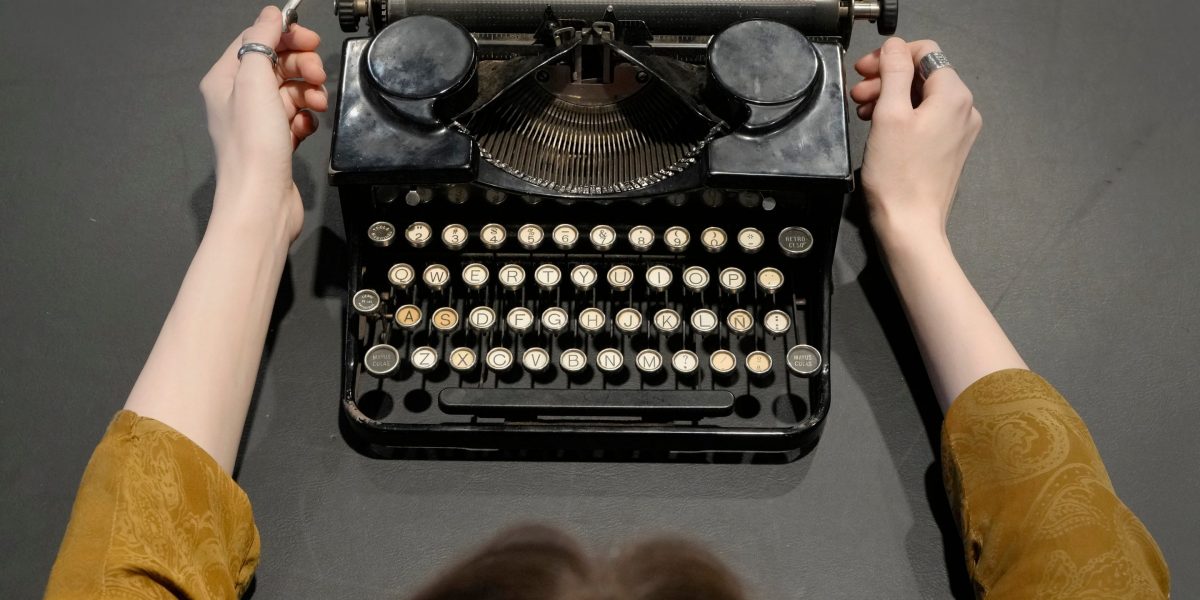
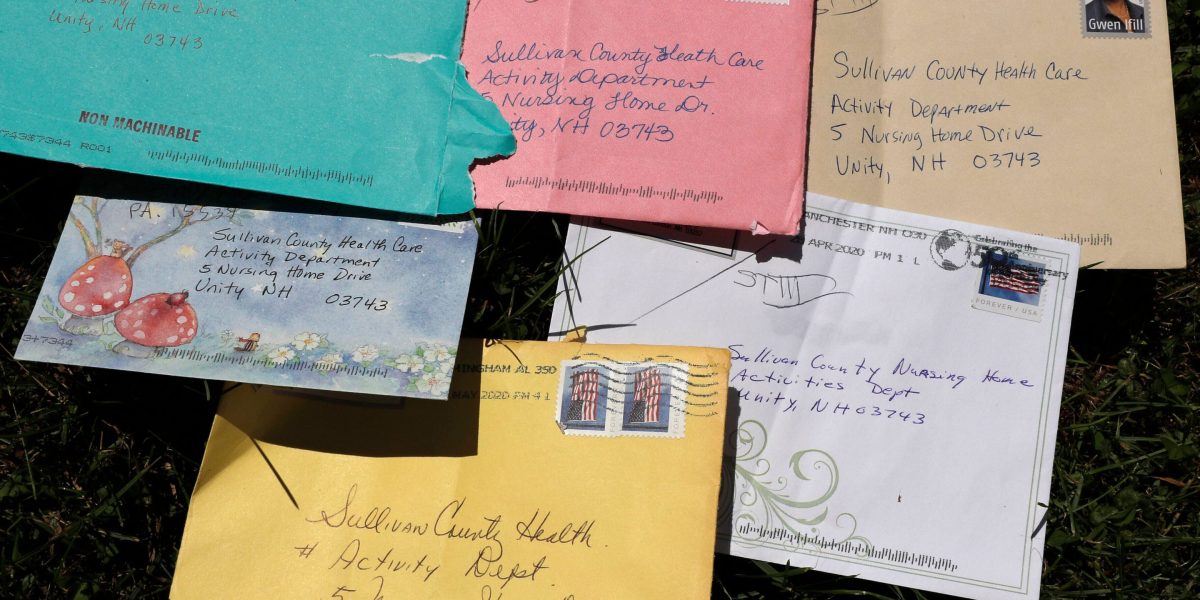
As technology distracts, polarizes and automates, people are still finding refuge on analog islands in the digital sea. The holdouts span the generation gaps, uniting elderly and middle-aged enclaves born in the pre-internet times with the digital natives raised in the era of online ubiquity. They are setting down their devices to paint, color, knit and play board games. Others carve out time to mail birthday cards and salutations written in their own hand.
The question of whether mental health retreats allow social media access does not have a universal answer. Different facilities approach digital connectivity in varying ways, reflecting their treatment philosophies and therapeutic goals. Most mental health retreats limit or completely restrict social media use during the initial phases of treatment, though specific policies can range from total digital detox to supervised access at designated times.
I noticed this shift in my own life when I started having dinner with my partner most nights, phones deliberately tucked away in another room. We made this change after too many evenings disappeared into "just checking one thing" that turned into hours of parallel scrolling. The difference was immediate and profound. Conversations went deeper. We actually looked at each other. Time seemed to stretch in the best possible way.
Are people turning away from social media? But that tide might be finally, yet slowly, turning. My Gen Z students have recently been the ones telling me about social media "cleanses", whereby they take a break from it all for a prescribed duration, and "grayscaling" their socials (whereby color images turn to black and white, making them less eye-candy-esque-and all around having better cellphone etiquette such as putting it away during class and turning it off at night.
I've reached a boiling point. I don't want to live my life and see others live their lives through phones. I'm sick of watching AI slop (AI-generated images and short videos that dumb us down) and news that is upsetting, exhausting, and hopeless. And, simultaneously, I'm scrolling through Instagram and mindlessly comparing myself to strangers, consuming content from a toxic algorithm, shaping what I see. Social media, for me, has become overwhelming;
Digital interfaces, as convenient as they are, bypass many of the sensory pathways that help us process and retain information. Think about it this way: when you write something by hand, your brain engages multiple systems simultaneously. You're planning the movement, feeling the texture of paper, hearing the scratch of pen on page, and seeing the words form. This multi-sensory engagement creates what psychologists call "embodied cognition"-the idea that our physical actions directly influence our thinking patterns.
I am a professor of public health who studies health behaviors and the gap between intentions and outcomes. I became interested in this self-care paradox recently, after I suffered from a concussion. I was prescribed two months of strictly screen-free cognitive rest-no television, email, Zooming, social media, streaming, or texting. The benefits were almost immediate, and they surprised me. I slept better, had a longer attention span, and had a newfound sense of mental quiet.
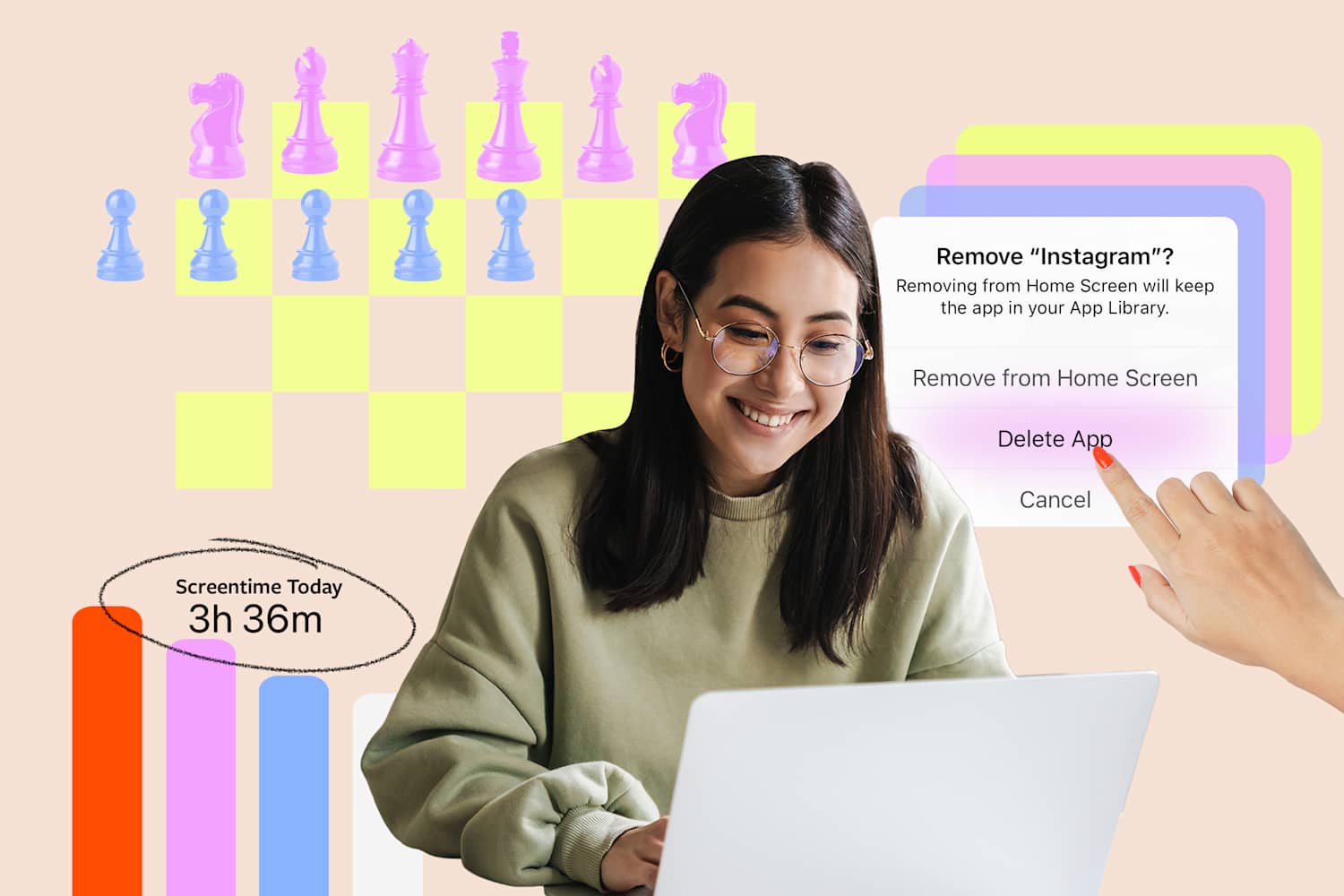
Still, even in the early days of social media, there was a lot of talk about what a mind-mess these platforms could create, including research that tracked declines in mental health. I deliberated cutting ties with Instagram because I noticed myself falling into the classic trap: looking at what my friends were posting and wondering, "Why aren't I doing what they're doing?" and "Should I be doing that?"
Your phone already has built-in features that can help you stop getting distracted.To temporarily silence all those attention-seeking notifications, use the Focus setting on your iPhone or Android device. This mode is designed to stop interruptions when you want to concentrate. You can customize it by blocking specific apps or muting only when you're doing certain things, like sleeping or reading.
As an advisor to many CEOs of Fortune 500 companies over the years, I've found a common thread that might surprise you: CEOs work hard but they also know how to recharge faster and better. Just like in fitness, recovery is a key part of exertion. At work, learning to micro-relax better can increase energy, productivity and, quite frankly, joy.
Last Friday night, close to a hundred of us gathered around candle-lit picnic blankets with a makeshift stage at the head of the grass. We know, that's probably not your idea of a typical night at Tompkins Square Park in downtown Manhattan - but it's safe to say we did something a bit ... different. We got off together. Off the apps, that is; after a big countdown, we deleted our accounts to digital platforms that we've simply had enough of.
"I think I'm going to get into beading," I said to my husband as we sat on the couch together in the post-bedtime slump. After we get our 4-year-old to bed, sometimes with a fight, we crash in the living room together and just enjoy the sound of silence. In telling him, I was mostly preparing him for the number of packages that were about to arrive in the mail bearing beads, tiny pliers, and little gold doodads.
The HMD Touch 4G offers a thoughtful middle ground by reimagining what a phone can be when stripped of unnecessary complexity. This compact, Nokia-inspired feature phone provides essential modern connectivity through 4G data, video calling, and cloud apps, while maintaining the focused simplicity that made classic phones so appealing for actual communication rather than endless scrolling. Designer: HMD The design immediately evokes nostalgia with its candybar form factor and minimalist curves that feel borrowed from Nokia's golden era of feature phones.
"Even if it gives us rabies, we will free the iPad babies!" the crowdofmostly young people chanted. They donned colored folders fashioned into pointy hats inspired by gnomes, a symbol for the rally due to the mythical creatures' earthy, non-digital aesthetic. Each hat contained a printed note taped inside criticizing things like AI data centers and inviting people to join "the Luddite Renaissance."