#cinematography
#cinematography
[ follow ]
#film #filmmaking #character-development #film-adaptation #visual-storytelling #documentary #women-in-film

fromwww.theguardian.com
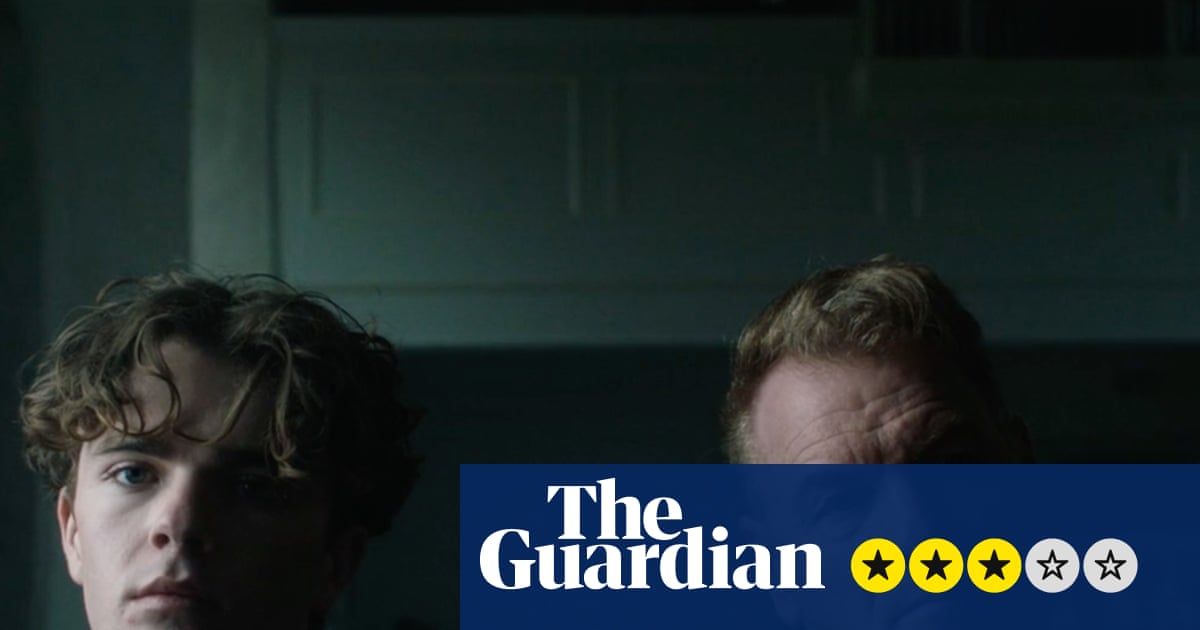
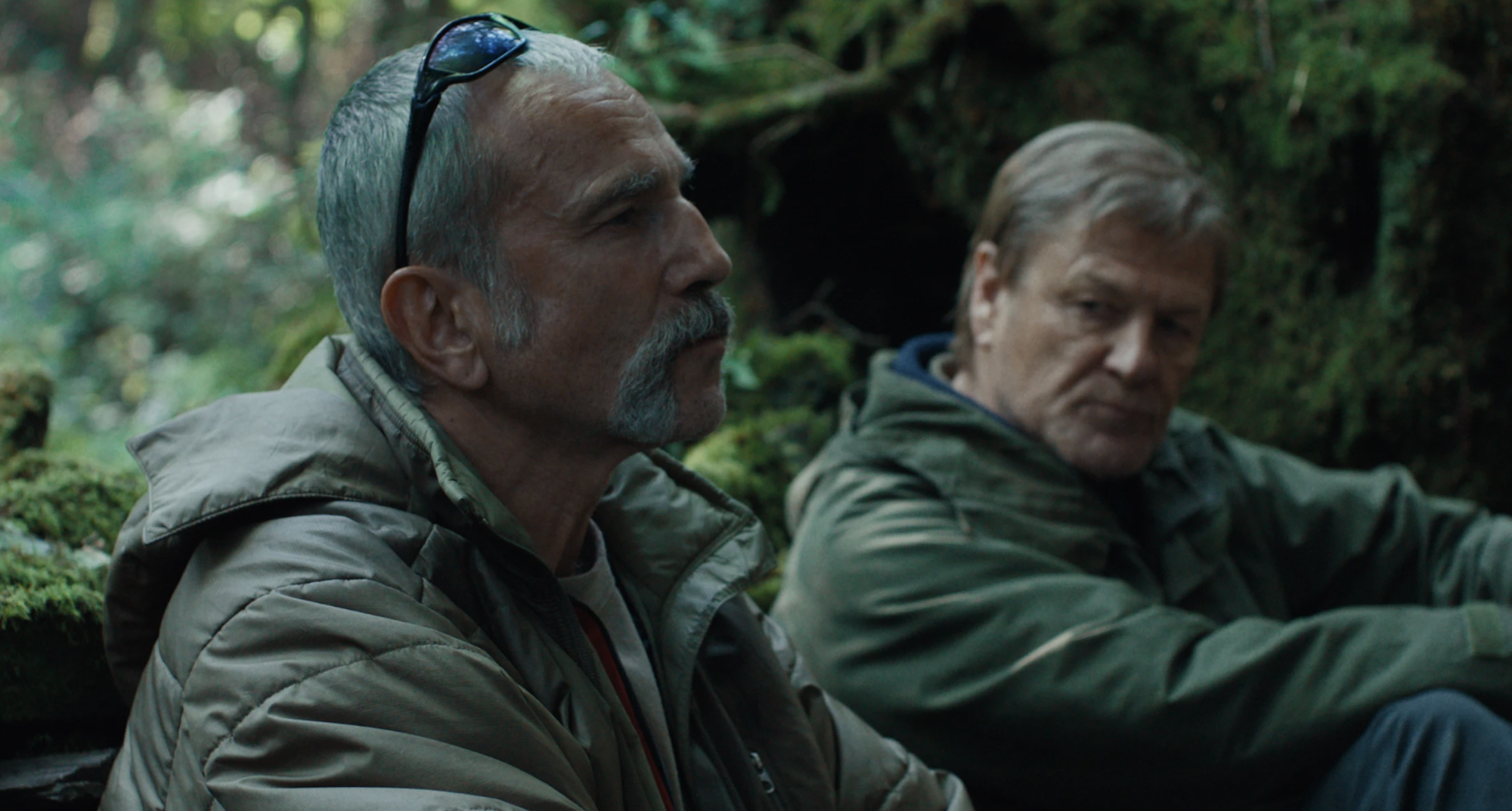
3 hours agoRise of the Conqueror review Gladiator meets throat singing as Mongol hordes ride out
Rise of the Conqueror features Christian Mortensen in the role of Timur, a kingmaker caught between his native Barlas tribe and the occupying Mongol forces. The film presents a visually appealing narrative but struggles to provide depth in its storytelling.
Independent films
fromwww.theguardian.com
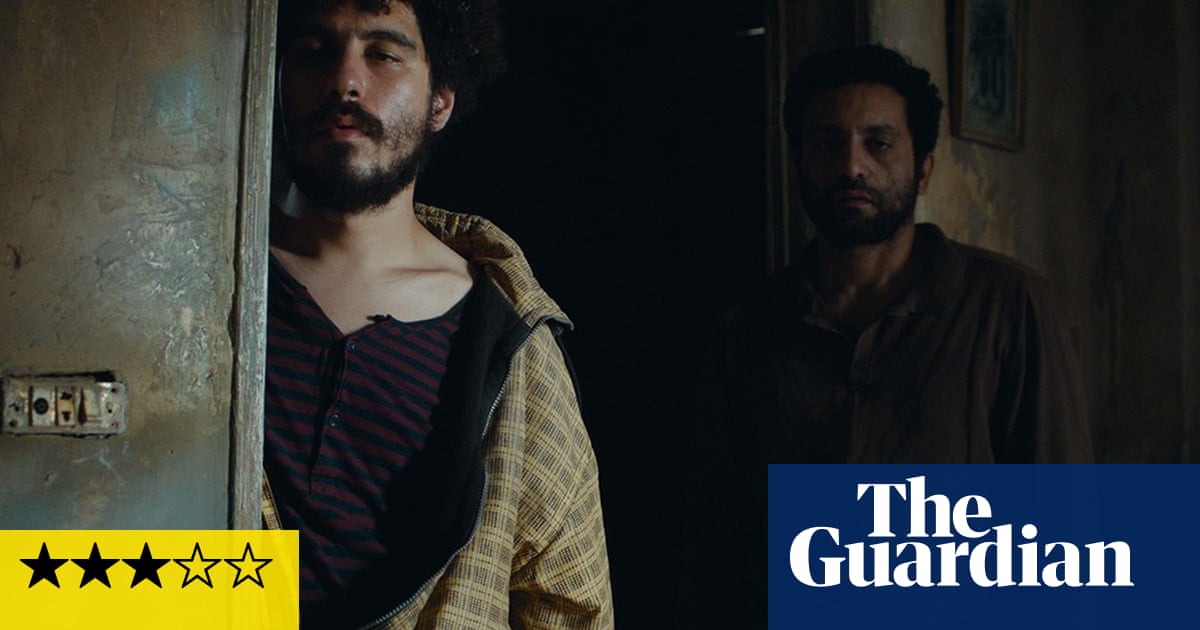
6 days agoThe Return of Arinzo review families who hate each other clash in noirish Nollywood thriller
Aisha Williams, the bossy matriarch, showcases a complicated character, oscillating between charm and hostility, particularly evident in her interactions with her son’s fiancée and her rival.
Film


Independent films
fromFortune
1 month agoMeet Autumn Durald Arkapaw, the cinematographer behind 'Sinners' who shattered a major glass ceiling in Hollywood | Fortune
Autumn Durald Arkapaw became the first Black woman nominated and won Best Cinematography at the 98th Academy Awards, breaking a nearly 100-year barrier with only three prior female nominees in the category's history.
#oscar-history
Women in technology
fromSlate Magazine
1 month agoA Woman Just Won an Oscar Category for the First Time in Its 98-Year History. How ... Is That Possible?
Autumn Durald Arkapaw became the first woman ever to win the Oscar for Best Cinematography in the award's 98-year history, breaking a significant barrier in a male-dominated industry sector.
fromAnOther
1 month agoRoger Deakins on the Five Films Every Aspiring Cinematographer Should See
Cinematography isn't about beautiful images. It's about producing a whole series of images that serve a story. If I come out of a premiere and somebody says, 'Oh, I love the shot when such and such ...' I know I've made a mistake.
Film
Film
fromwww.theguardian.com
1 month agoWhy Train Dreams should win the best picture Oscar
Train Dreams offers a meditative, character-driven narrative that contrasts with contemporary cinema's frenetic pacing and empty provocations, presenting a more substantive storytelling approach reminiscent of classic filmmaking.
Music
fromColossal
2 months agoIn 'The Fall-Off Is Inevitable,' J. Cole Circles Back to the Beginning
J. Cole's music video for 'The Fall-Off Is Inevitable' uses backward-moving narrative and nostalgic cinematography to chronicle his career journey across defining life moments within a looping studio setting.
Film
fromIndieWire
2 months ago'Train Dreams' Cinematographer Adolpho Veloso Explains Why Digital Cameras Were the Key to Period Accuracy
Train Dreams presents a meticulously crafted, immersive period character study whose natural, low-light cinematography by Adolpho Veloso creates timeless authenticity and visceral emotional depth.
fromwww.theguardian.com
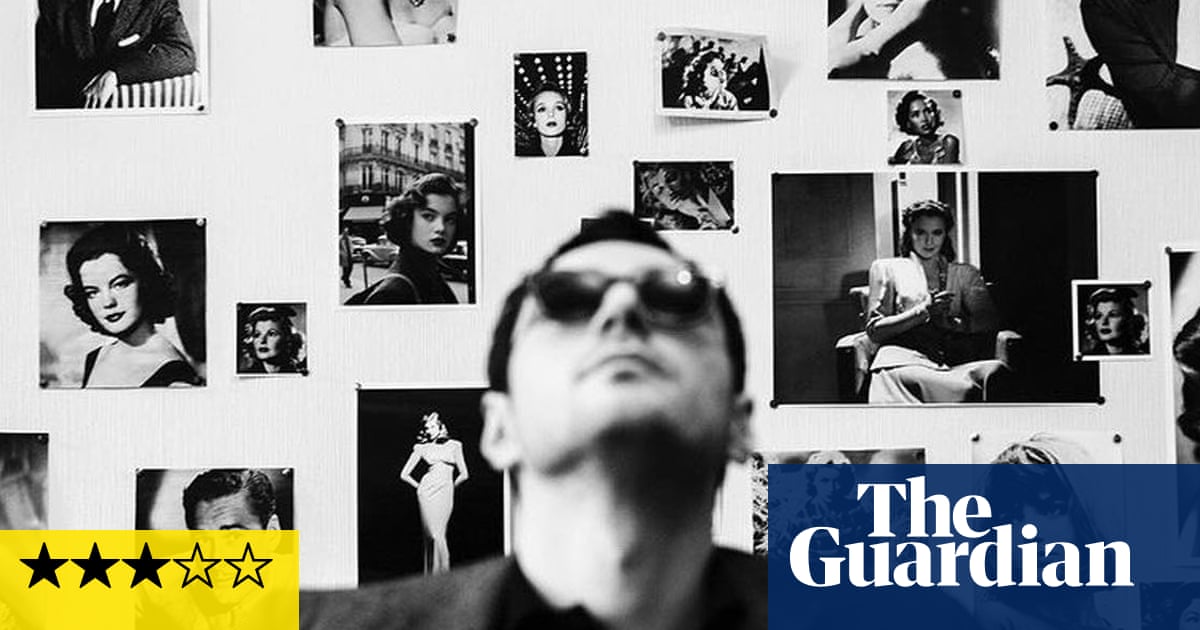
2 months agoEverybody Digs Bill Evans review absorbing delve into the tumultuous world of the great jazz man
It's a film about music. Particularly, about what remains when a musician cannot play and is left to consider the terrible sacrifices made, without conscious consent, to this all-consuming vocation that creates family pain and jealousy almost as a toxic byproduct. It's a drama to put you in mind of Glenn Gould and Hilary du Pre, sister of Jacqueline. Screenwriter Mark O'Halloran has adapted the 2013 novel Intermission by Owen Martell about renowned jazz pianist Bill Evans.
Film
fromColossal
3 months agoWade into Slow-Motion Suspension and Anticipation in the Radiant Film 'Divers'
Through the atmospheric lens of New York-based photographer Geordie Wood, a short film called " Divers " glimpses a day in the life of an elite high-diving camp. A moody yet bright setting evokes the way sun still glares when tucked behind clouds or glints off the surface water, and individuals are alternately silhouetted and spotlit by its glow. With cinematography by Adam Golfer and editing by Luke Lorentzen,
Film
fromFilmmaker Magazine
3 months agoDP Michael Bauman on "One Battle After Another"
Anderson's One Battle After Another continues a resurgence of VistaVision that now includes The Brutalist and Yorgos Lanthimos' Poor Things and Bugonia. The format, which uses 8-perf 35mm traveling through the camera horizontally rather than vertically to create a larger negative, gained popularity as a non-anamorphic widescreen alternative in the mid-1950s. It was used for everything from Biblical epics ( The Ten Commandments) to musicals ( White Christmas) to Alfred Hitchcock thrillers ( Vertigo and North by Northwest).
Film
fromFilmmaker Magazine
3 months agoCue the Sun: DP Steve Yedlin on "Wake Up Dead Man"
After spending the last Knives Out entry on a billionaire's private Greek island, master sleuth Benoit Blanc's latest mystery Wake Up Dead Man takes him to a remote parish in upstate New York to solve the murder of a priest (Josh Brolin). It's a classic locked door mystery, with Brolin's monsignor stabbed mid-mass in a closet a few feet from his pulpit.
Film
fromFilmmaker Magazine
4 months ago"Red is Always Surprisingly Challenging on Focus": DP Caleb Heymann on "Stranger Things," Season Five
The fifth and final season of Stranger Things required a full calendar year of production in Atlanta, a marathon of 240 shooting days that will bring the beloved Netflix series to a close with eight super-sized episodes. A job of that scale and duration is an arduous undertaking that could rightfully intimidate any crewmember. For Caleb Heymann, it's kind of his thing.
Television
Snowboarding
fromSnowBrains
4 months agoRanch Hand: A Jackson Hole, WY, Snowboard Film That Brings Riding Back to its Roots - SnowBrains
Ranch Hand celebrates Jackson Hole snowboarding through a season of ranch-style powder hunting, earned turns, craft-focused process, and striking Tetons cinematography; premieres Dec 21.
fromFilmmaker Magazine
4 months agoDP Lukasz Zal on "Hamnet"
But Hamnet has a distinctive atmosphere that sets it apart from many of this year's releases. That look and feel is largely due to cinematographer Łukasz Żal. Known for collaborations with Paweł Pawlikowski on Ida and Cold War, Żal has also worked with filmmakers like Charlie Kaufman and Jonathan Glazer. He approaches each shot with meticulous care, building layers into his frames so they convey emotion as much as narrative.
Film
Snowboarding
fromSnowBrains
4 months agoThe Top 5 Travis Rice Films That Capture the Soul of Snowboarding - SnowBrains
Travis Rice films redefine snowboard filmmaking with cinematic visuals, emotional storytelling, and nature-driven big lines that inspire riders to chase authentic adventure in the mountains.

fromFilmmaker Magazine
5 months agoMusic as Nourishment: Max Richter on Scoring "Hamnet"
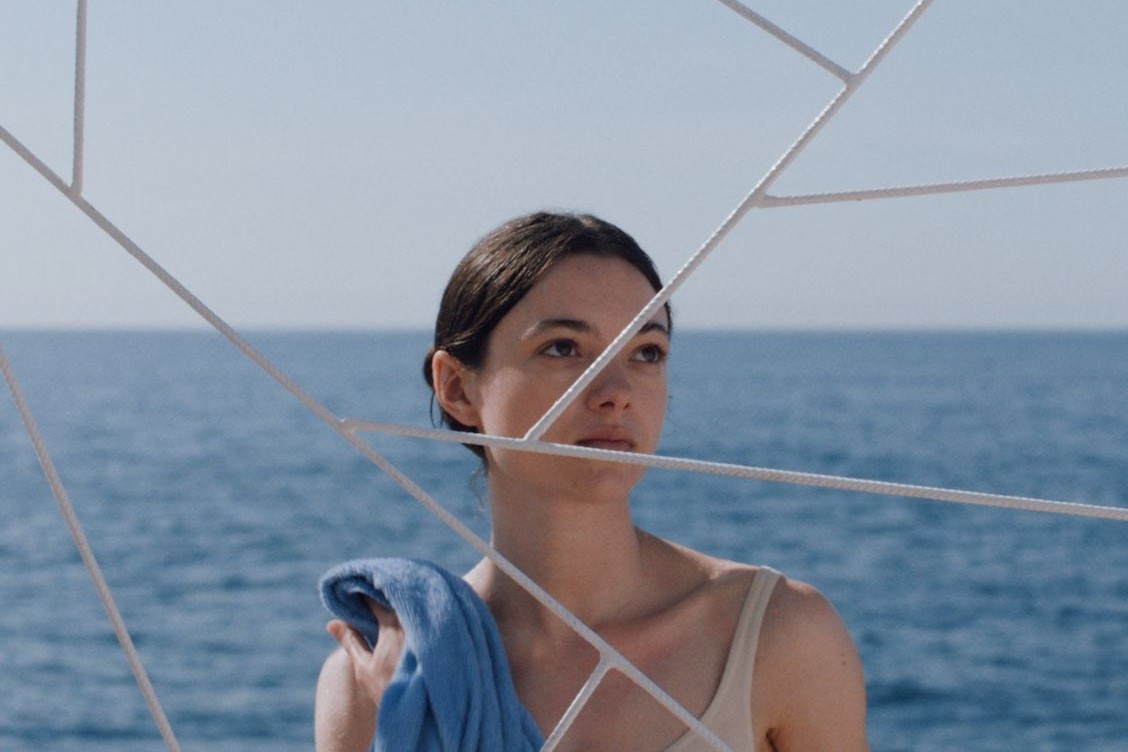
Zhao's fifth feature, Hamnet, likewise finds a synthesis between the natural world and the interiority of her charactersin telling a story of creation in every sense of the word - the genesis of new life and the mysterious place within where creativity and artistic processes emerge. An adaptation of Maggie O'Farrell's eponymous book, the filmdepicts how William Shakespeare (Paul Mescal) embarked on his most ambitious and iconic play after the loss of his titular son. More so, it's the story of his wife Agnes (Jessie Buckley), a loving mother of two who has a profound connection with the nature that surrounds her in the English countryside. Much like her other films, Zhao is looking here for a synthesis between the natural world and the rich interiority of her characters. Gorgeously shot by Łukasz Żal, and edited by Zhao herself alongside Affonso Gonçalves, Hamnet aspires to near-Malickian transcendence in its depiction of how life on earth inevitably crosses over to the afterworld.
Film
Film
fromOpen Culture
5 months agoWhy Movies Don't Feel Real Anymore: A Close Look at Changing Filmmaking Techniques
Contemporary films often feel less real because cinematography favors shallow focus and other techniques that disconnect images from everyday human perception, alongside digital distractions.
fromwww.theguardian.com
5 months agoKeeper review romance goes to hell in effectively eerie horror
For the past few years, horror cinema has sometimes felt as fraught with toxic romance as a particularly cursed dating app. From manipulated meet-cutes (Fresh; Companion) to long-term codependence (Together) to the occasional success story (Heart Eyes), it's clear that romantic relationships are mostly blood-stained hell, and a couple going to a secluded location together is a fresh level of it.
Film

fromBikeMag
5 months agoThe Eye of Kona - 20 Years of Dirt and Duct Tape with Joonas Vinnari
He's been behind the lens for more than 20 years, documenting everything from World Championship wins to late-night garage sessions; Joonas is a creative who's career has been built on caffeine, duct tape, and pure stoke. Before he was Kona's in-house cinematographer, Joonas was a rider himself - a European Kona Clump athlete who lived for the same sketchy lines and photo worthy moments that he now captures on film.
Bicycling
fromThe New Yorker
6 months ago"Fire of Wind" Is a Bold and Inspired Debut
"Fire of Wind" is a movie of images, and its attention to light and shadow, to the texture of faces and of tree bark, of foliage and terrain, is among the most careful and most daring that I've ever seen. (Mateus and Vítor Carvalho did the cinematography.) Although "Fire of Wind" is drastically different from other films in recent release, it nonetheless harks back to a venerable tradition in political filmmaking.
Film
fromABC7 Los Angeles
6 months agoNat Geo, Hulu, ESPN earn big nominations for Disney for Critics Choice Documentary Awards
From National Geographic's exploration of the sea in " Ocean with David Attenborough," to Hulu's documentation of the life of Sly Stone in " Sly Lives! (aka The Burden of Black Genius)" and ESPN's ongoing "30 for 30" series, the CCDA honors a wide range of topics, bringing together leading filmmakers and industry professionals from all circles. "The nominated films and series this year remind us how documentary storytelling can illuminate truth, inspire empathy, and deepen our understanding of the world," said Christopher Campbell, Critics Choice Association's VP, Documentary.
Film
fromRoger Ebert
7 months agoHome Entertainment Guide: "28 Years Later," "Materialists," "Superman," "Jurassic World Rebirth," More | DVD/Blu-Ray | Roger Ebert
Set the titular time after the virus that decimated England, Boyle shot his film on iPhones, included more prosthetic penises than seems reasonable, and even embedded a Brexit commentary in his action flick. At its core, it's a traditional coming-of-age action narrative about a young man who discovers that not only is the world unsafe but that adults in it will betray you, but it's also just a visually stunning piece of work, a movie that looks like nothing else that played in a multiplex this year.
Film
fromFilmmaker Magazine
7 months agoInterview: Cinematographer Jo Willems on The Long Walk
Though 1974's Carrie marked Stephen King's first published novel, The Long Walks holds the distinction of being the earliest opus penned by the horror author. The story of a contest in which 100 teenagers march until only one is left alive, King began as a college freshman at the University of Maine in the late 1960s amid the Vietnam War and the looming threat of its televised draft.
Film
fromwww.theguardian.com
7 months agoDevil in the Dust review Guy Pearce leads old west outcasts on a supernatural mission with a message
First off, the film is beautifully shot, from the opening scene, which tracks back from a hallucinatory landscape until we see the source of a strange sound: a riffled deck of cards in a desperado's hands. And its central conceit a little girl (Emily Katherine Ford) whose touch is fatal flowers into an intriguing metaphor for the consequences of the white man's burden. Except here the girl is, initially, a black woman's burden. Formerly enslaved Sarah (DeWanda Wise) runs a homestead
Film


fromThe Mercury News
7 months agoReview: 'Long Walk' is a brutal, and riveting, adaptation of Stephen King novel
Nothing about Francis Lawrence's take-no-prisoners adaptation of Richard Bachman's (aka Stephen King) staggering novel offers one shard of hope for any of us to wrap our bloodied fingers around. Nor should it, given the hellish America landscape it envisions, an undefined time where a rotting-to-its-core nation goads 50 male teens into a grueling contest that demands participants walk at a 3-mile-an-our pace or get a bullet through the head delivered by The Major (Mark Hamill) or his military goons.
Film
Film
fromItsnicethat
7 months agoUncommon's ad for Under Armour uses shadow and spotlight to translate the emotional intensity of sport
Villainous football advertising uses a commanding monologue, sleek visuals and dynamic cinematography to portray the ball as a tool and immerse viewers in athletes' worlds.



fromABC7 Los Angeles
11 months agoSteven Spielberg and Nat Geo celebrate 'Jaws' 50th with behind-the-scenes documentary feature
The documentary takes viewers on a 'deep dive,' going behind the scenes with never-before-seen footage and newly-filmed interviews, revealing the legacy of 'Jaws.'
San Jose Sharks
Film
fromDatebook | San Francisco Arts & Entertainment Guide
11 months agoGene Hackman often played the tough guy in movies. Here's what I thought of him offscreen
Different personal encounters with Gene Hackman highlight contrasting perceptions of his character.
Modern filming techniques may lead to darker scenes; adjusting TV settings could help.
Perception of films can change with age, but the films themselves remain the same.
[ Load more ]