World news
fromAxios
1 hour agoThe massive economic impact of the global energy crisis
Global economic growth is expected to slow significantly due to the war's impact on supply chains and rising costs.
Microsoft's Monarch Compute Campus is set to run entirely on natural gas, which could lead to a staggering 44% increase in the company's emissions, according to Stand.earth researchers.
The state of national energy emergency is declared in light of the ongoing conflict in the Middle East, posing an imminent danger to the availability and stability of the country's energy supply.
"If we're worried about ratepayers paying data-center energy costs, then knowing how much energy data centers are using is a necessary part of that calculation. It's not the only piece of information you need, but it certainly is a piece of the puzzle."
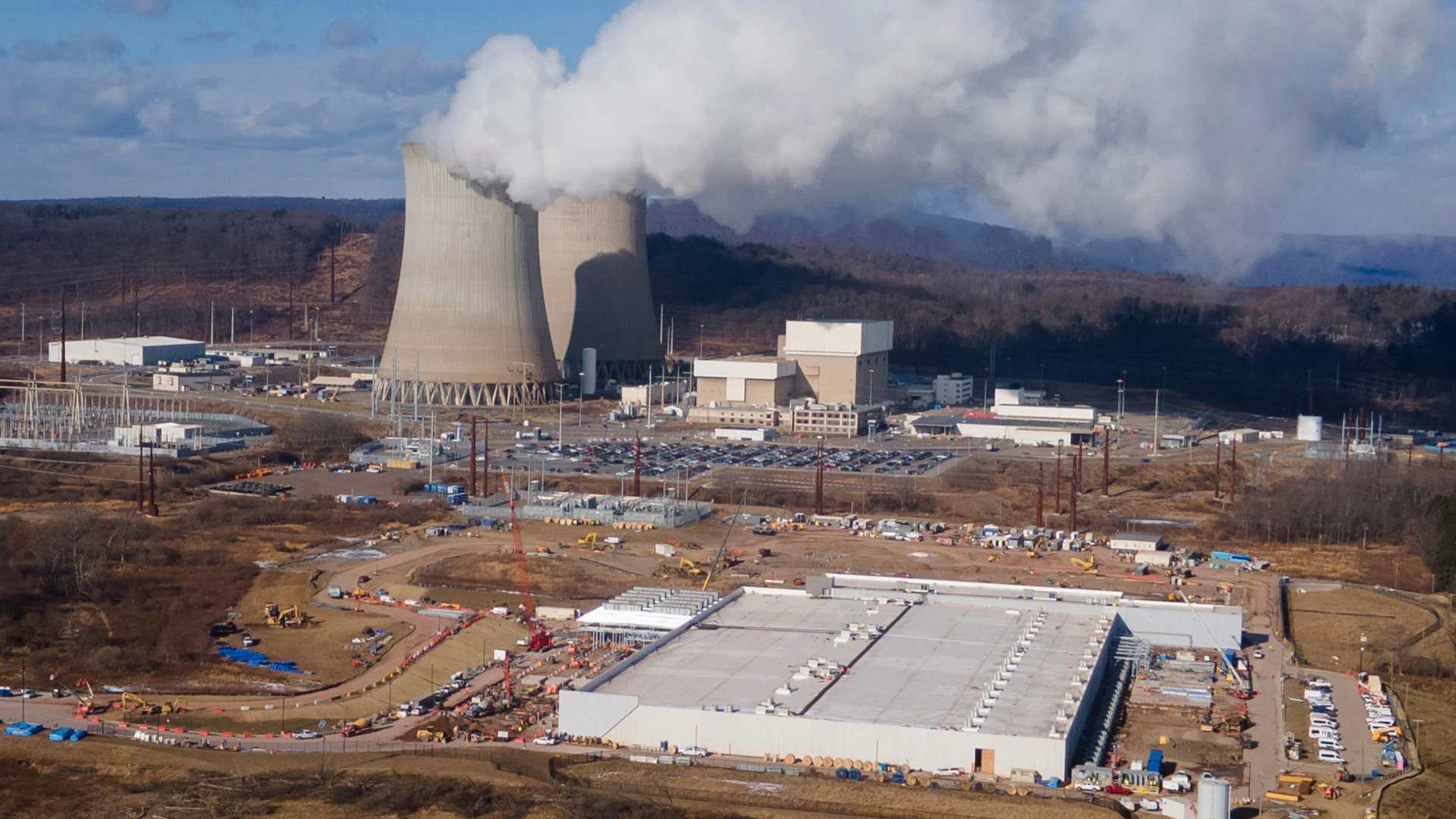
TerraPower is one of several companies racing to build smaller, more efficient reactors to augment electrical grids under strain from AI data centers. In a 2024 interview with The Verge, Bill Gates said that he also believes nuclear energy can help solve the climate crisis by using designs that minimize the problem in terms of their safety or fuel use or how they handle waste.
The war in the Middle East is exposing how dependent the world is on a handful of strategic chokepoints. The Strait of Hormuz a narrow waterway in the Gulf is closed. The longer this goes on, the faster the global energy map could be reshaped.
January 2026 showed just how violent this relationship can get: Henry Hub spiked to $30.72/MMBtu on January 23 - a near-tenfold surge - before collapsing to $3.13/MMBtu by February 23. Extreme winter heating demand and supply constraints drove that move - exactly what BOIL is built to capture on the upside, and what devastates holders on the way back down.
These sagebrush-covered foothills of primarily Bureau of Land Management land have a higher concentration of sage grouse than anywhere else on the planet, likely in part because the birds have room to move. More than a thousand elk winter there, too, sustained by the high-elevation landscape's cured grasses, dried wildflowers and shrubs. So do pronghorn and mule deer, wintering or using the area as a stopover on their journeys, which include the longest documented mule deer and pronghorn migrations in the Lower 48.
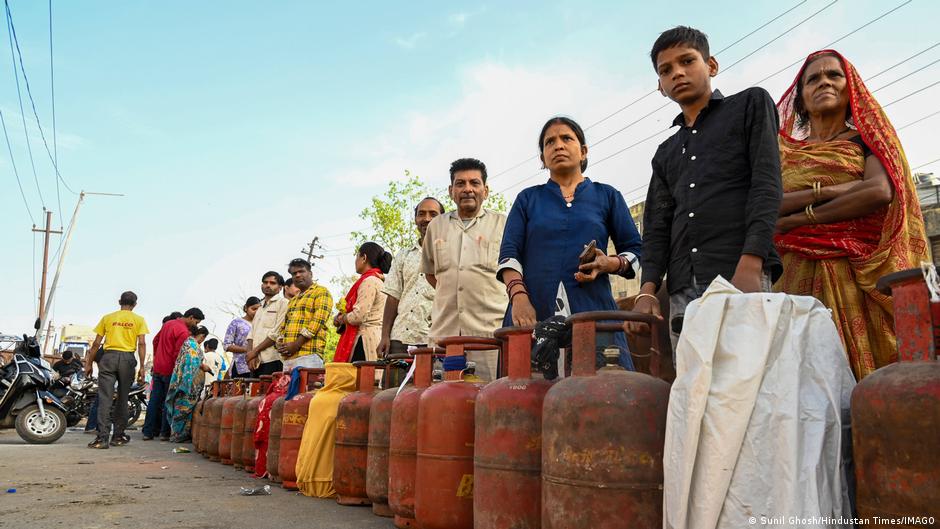
The energy minister, Chris Bowen, acknowledged fuel supplies could face further pressure but ruled out a cut to the fuel excise or rationing fuel purchasing. Bowen said he had cut fuel companies' minimum stock obligations to about 2.2bn litres of diesel and 700m litres of petrol respectively, freeing up about 500m and 300m respectively to be directed towards regional Australia.
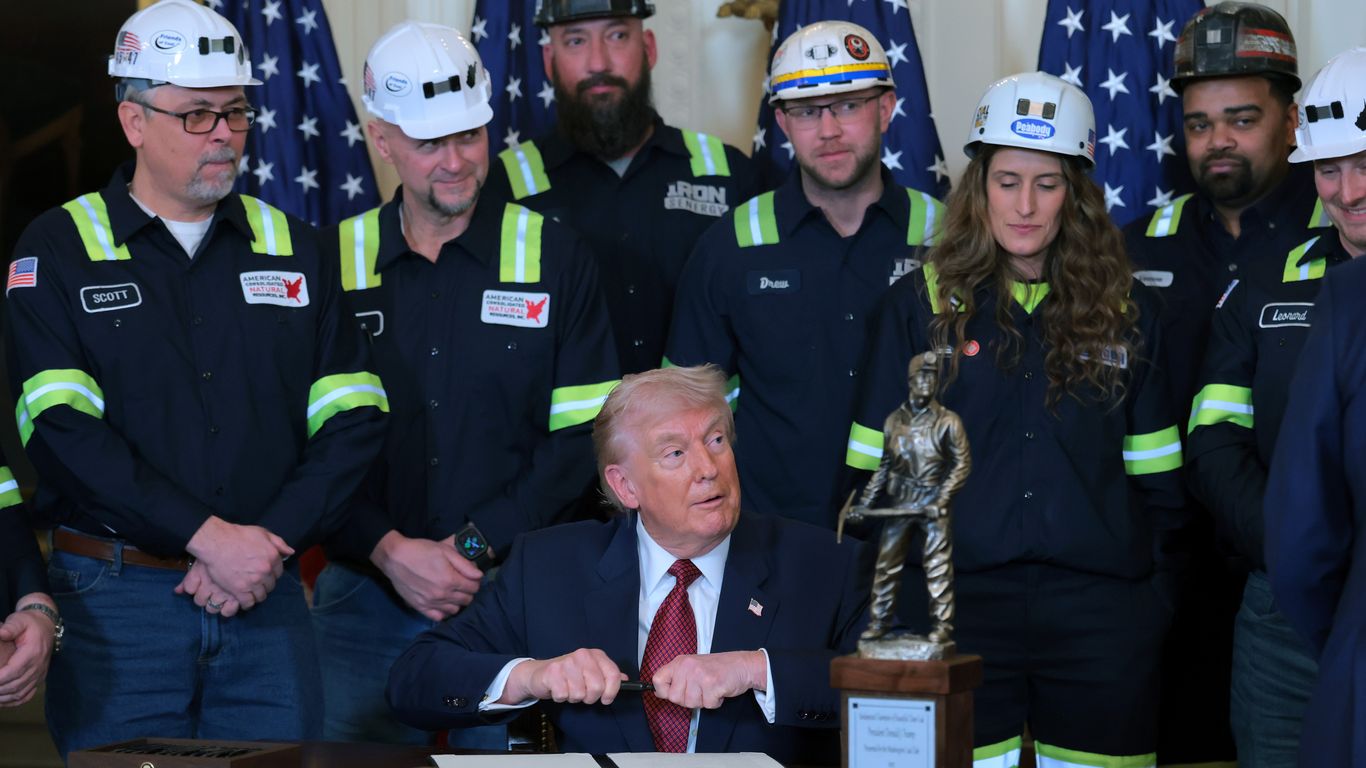
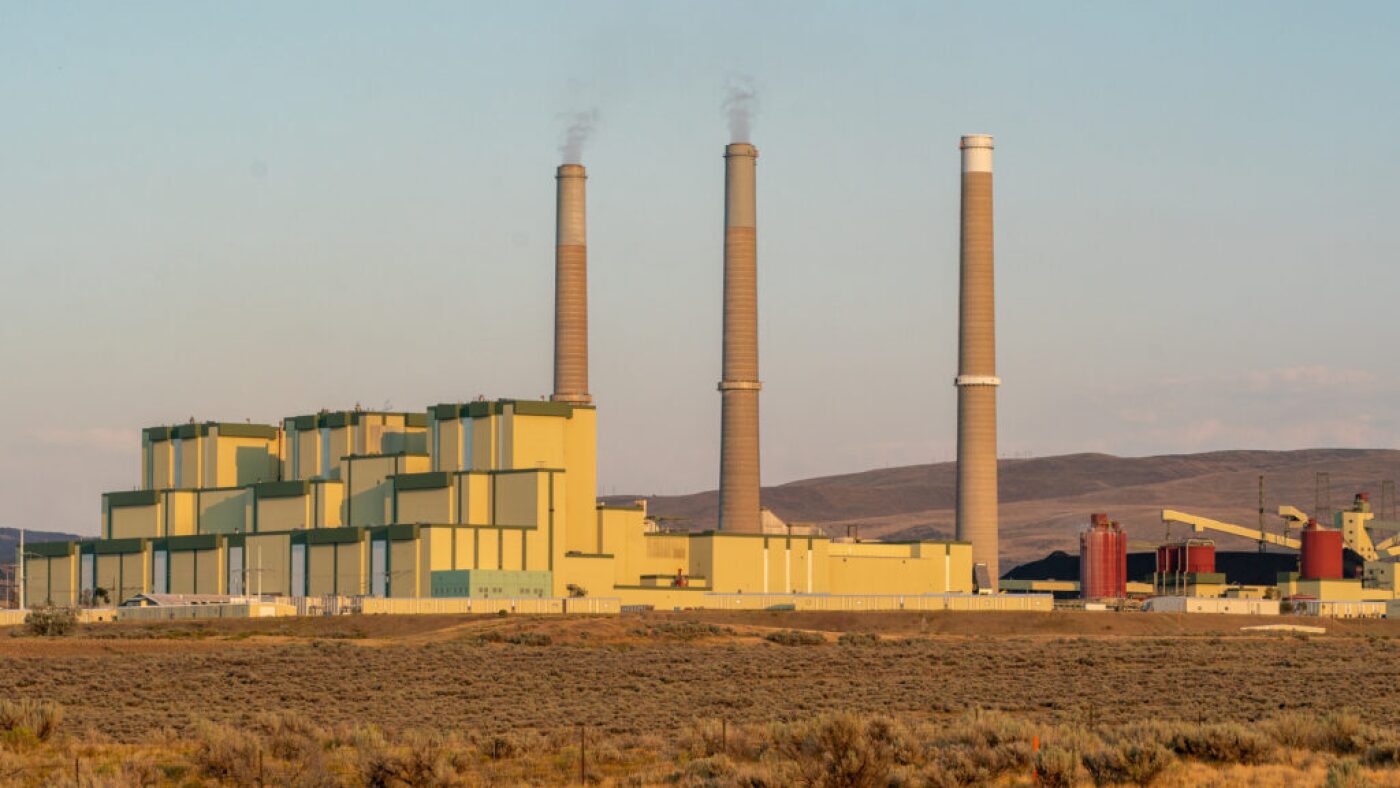
"The Secretary of War, in coordination with the Secretary of Energy," the order reads, "shall seek to procure power from the United States coal generation fleet by approving long-term Power Purchase Agreements, or entering into any similar contractual agreements, with coal-fired energy production facilities to serve Department of War installations or other mission-critical facilities."
After two years of declines, United States greenhouse gas emissions increased in 2025-a change driven by increased electricity use, due in part to data centers and cryptocurrency mining, as well as cold winter temperatures that meant homes required more heating. Emissions increased 2.4% in 2025, according to preliminary data from the research firm Rhodium Group. That's higher than the country's GDP growth, which increased by a projected 1.9%.
Coal power generation fell in China and India for the first time since the 1970s last year, in a historic moment that could bring a decline in global emissions, according to analysis. The simultaneous fall in coal-powered electricity in the world's biggest coal-consuming countries had not happened since 1973, according to analysts at the Centre for Research on Energy and Clean Air, and was driven by a record roll-out of clean energy projects.
The US is leading a huge global surge in new gas-fired power generation that will cause a major leap in planet-heating emissions, with this record boom driven by the expansion of energy-hungry datacenters to service artificial intelligence, according to a new forecast. This year is set to shatter the annual record for new gas power additions around the world, with planned and under-construction projects earmarked for 2026 set to nearly triple the amount of existing gas capacity, a report by Global Energy Monitor (GEM) found.
Last year, the nonprofit Climate Central launched an online database to track the most costly weather- and climate-related disasters across the country. The effort was led by the same lead scientist who tracked those costs for the National Oceanic and Atmospheric Administration-until the Trump administration axed the project in May. In 2025, the US experienced 23 such disasters with costs totaling at least $1 billion, for a total of $115 billion, Climate Central concluded.
When Specian dug into the data, he discovered that implementing energy-efficiency measures and shifting electricity usage to lower-demand times are two of the fastest and cheapest ways of meeting growing thirst for electricity. These moves could help meet much, if not all, of the nation's projected load growth. Moreover, they would cost only half-or less-what building out new infrastructure would, while avoiding the emissions those operations would bring.
Carbon markets are simultaneously promoted as an essential climate financing tool, and criticized as a license to pollute. A carbon market puts a price on greenhouse gas emissions via carbon credits that get bought and sold, almost like stocks. A credit represents one metric ton of CO 2 that has been avoided or removed through a specific project. A project could target emissions through agricultural practices, CO 2 capture or reforestation.
On Thursday, the Environmental Protection Agency is expected to roll back the endangerment finding, which underpins the US's ability to regulate the greenhouse gases that cause climate change. The rollback, the result of more than 15 years of work from right-wing special interest groups, represents the most aggressive move against climate regulation in the US to date-and will introduce a lengthy fight that's almost certain to wind up in front of the Supreme Court.
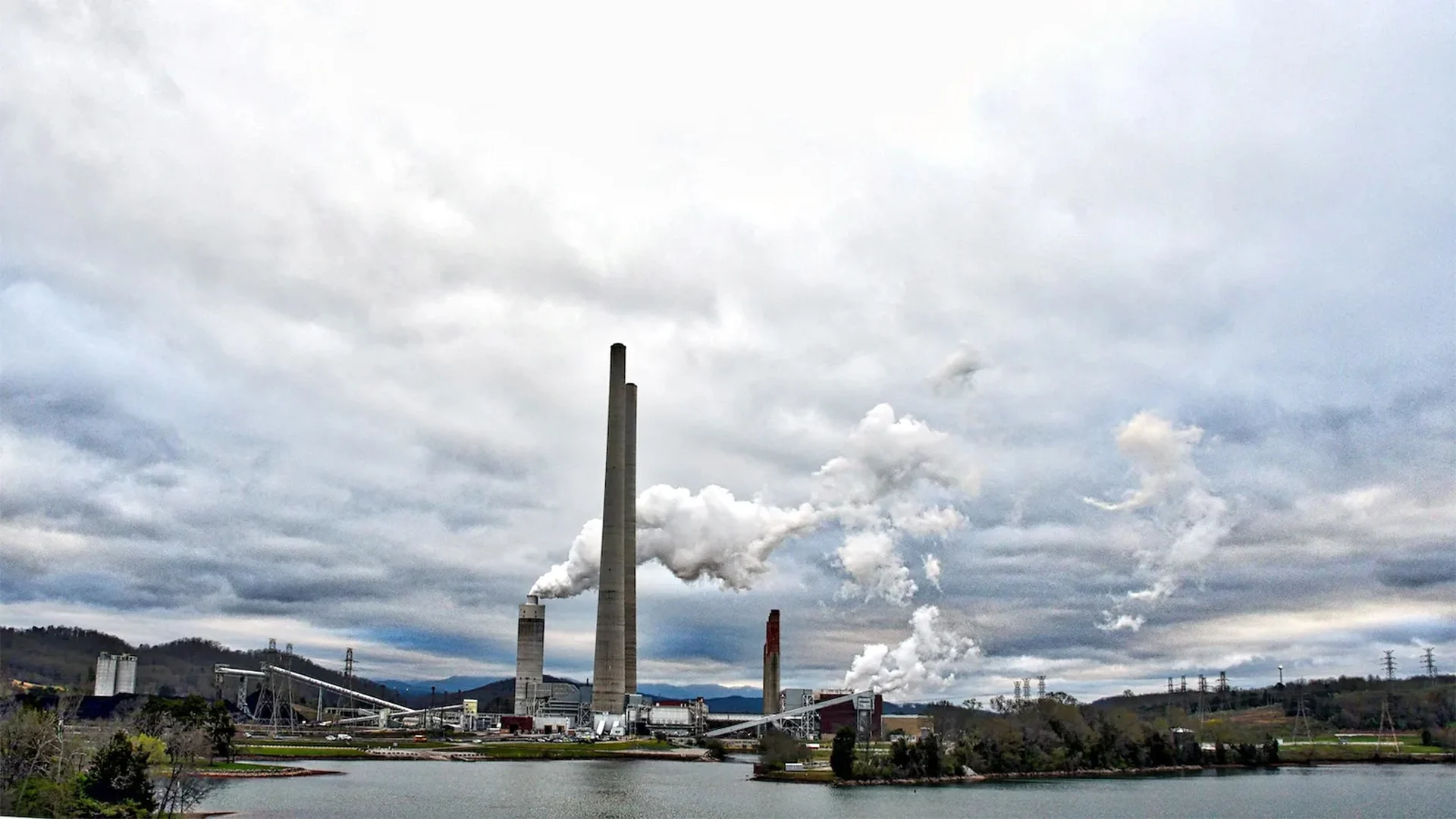
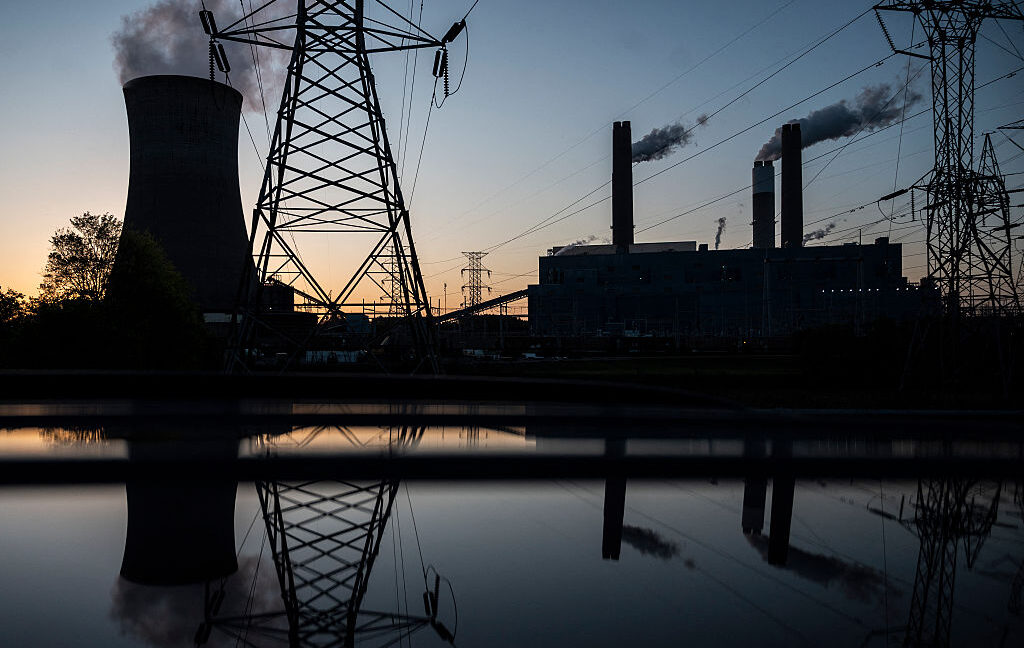
For decades, he's lived in Homer City, a southwestern Pennsylvania town that was once home to the largest coal-fired power plant in the state. The plant, which shares its name with the town, closed nearly three years ago after years of financial distress. Dudash, 89, has lived in the shadow of its smokestacks-said to be the tallest in the country before they were demolished-for much of his life.