#component-prices
#component-prices
[ follow ]
#semiconductors #supply-chain #stock-market #tariffs #ai-demand #micron-technology #intel #memory-chips


#semiconductors


World politics
fromSilicon Canals
2 weeks agoInside the quiet restructuring of global semiconductor supply chains: how TSMC, Samsung, and Intel's subsidy race is creating three separate technological civilisations - Silicon Canals
Governments are investing heavily in semiconductor production, leading to the creation of three distinct technological ecosystems.




#tesla
Toronto startup
fromTESLARATI
3 days agoTesla's Q1 delivery figures show Elon Musk was right
Tesla's Q1 2026 delivery figures show a shift towards Optimus, with traditional auto business becoming less central to its future.

fromTNW | Asia
5 days agoSouth Korea turns to Russian naphtha as chip supply chain faces Middle East crisis
South Korea imports about 45 percent of its naphtha, a critical petrochemical feedstock, with roughly 77 percent of those imports historically arriving from the Middle East. That supply line is now, for all practical purposes, severed.
World news
fromBig Think
5 days agoWhy fixing your gadgets often costs more than replacing them
The fix, he told me, was temporary - he didn't have the right part and couldn't get it. This experience revealed a broader shift in how modern products are designed, sold, and owned - one that increasingly treats repair as optional and replacement as inevitable.
Renovation


Alternative transportation
fromStreetsblog USA
1 week agoTrump's 'Freedom Means Affordable Cars' Rings Hollow As Gas Prices Surge - Streetsblog USA
Rising gas prices challenge the Trump administration's oil consumption strategy and highlight the need for better mobility alternatives in American cities.
Cars
fromSilicon Canals
6 days agoToyota faces aluminum supply risks as Strait of Hormuz tensions threaten the material EVs depend on - Silicon Canals
Electric vehicles are increasingly dependent on specialized aluminum from the Persian Gulf, highlighting vulnerabilities in supply chains amid regional instability.
from24/7 Wall St.
6 days agoHelium "Tsunami" to Hit Chipmakers -- The Surprising Winner to Profit From the Coming Shortage
Global helium consumption runs about 6 billion cubic feet per year. Qatar supplied a big slice until this month. With one-third of output sidelined, prices have already soared.
Business
fromTNW | China
4 days agoChina's Nexchip files for Hong Kong listing as $5 billion chip expansion accelerates
Nexchip Semiconductor is seeking a dual listing alongside its existing Shanghai shares, a move designed to tap international capital for what amounts to an industrial expansion of extraordinary scale.
European startups
fromTheregister
6 days agoUS PC shipments to fall 13% as memory costs surge
US PC shipments are set to fall by 13 percent this year thanks to the ongoing memory and storage crisis, with budget PCs hardest hit. Memory and storage costs will see at least a 60 percent increase during Q1 2026, compounding last year's rises of 40 to 70 percent.
Tech industry

Intellectual property law
fromArs Technica
1 month agoTech industry is in tariff hell, even if refunds are automated
Trade groups urge courts to establish a clear tariff refund process as 300,000 US businesses await $175 billion in unlawful tariff collections, with interest accruing at $23 million daily.
Business
from24/7 Wall St.
2 weeks agoACMR vs KLIC: Battle of the Semiconductor Equipment Stocks
ACM Research achieved record revenue but faced margin collapse, while Kulicke & Soffa posted strong earnings with stable margins after strategic restructuring, revealing divergent momentum in semiconductor tools.
fromGameSpot
2 months agoRAM Shortages May Lead To More Expensive TVs And Devices, Warns Samsung
The increasing demand for AI among tech companies is one of the reasons why the global shortage of memory chips remains an ongoing issue. And while it's expected to adversely affect the production of smartphones, Samsung Electronics co-CEO T M Roh has warned that TVs and home appliances may also be hit by shortages and increased prices. "As this situation is unprecedented, no company is immune to its impact," said Roh via Reuters.
Artificial intelligence
fromComputerworld
2 months agoApple Silicon: As demand grows, is TSMC driving a harder bargain?
The gold rush across the high-end processor market might help Apple's processor manufacturing partner, TSMC, drive harder bargains than in the past. That's because Apple's huge appetite for processors is being met by fast-growing demand for chips for servers. As a result, the cost of the chips used inside Macs, iPads, and iPhones will likely increase, putting even more inflationary pressure on Cupertino's bottom line.
Apple
fromThe Verge
1 month agoThe RAM shortage is coming for everything you care about
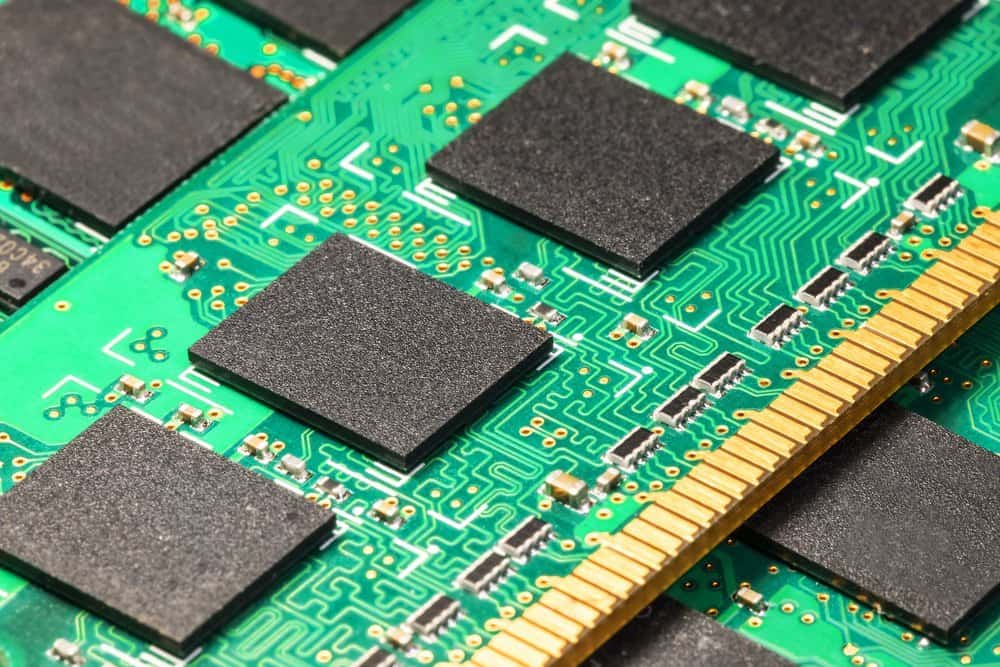
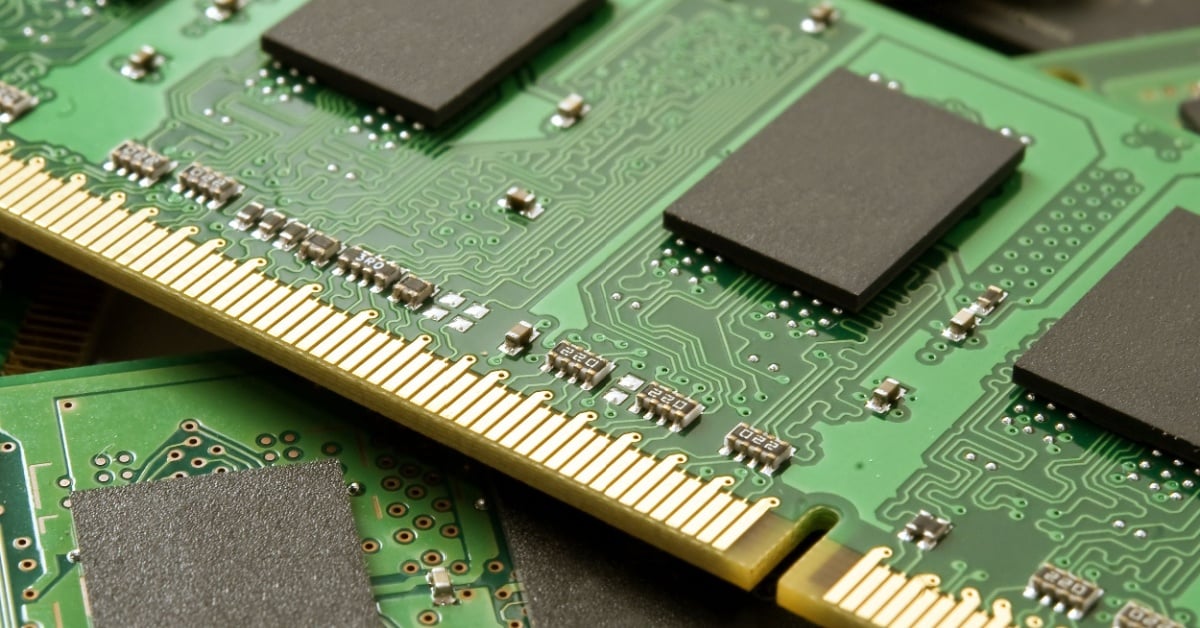
Do you have a phone in your pocket you'd like to upgrade in the next few years? Fancy a game console or handheld? A laptop, perhaps? Will you need a new router, whether you're purchasing outright or renting from your ISP? Each of these devices is expected to have shortages, price hikes, or both in 2026. And even if you don't plan to buy, you depend on goods and services from others who'll be paying more to upgrade their devices.
Gadgets
fromArs Technica
1 month agoDIY PC maker Framework has needed monthly price hikes to navigate the RAM shortage
AI-driven memory and storage price hikes have been the defining feature of the PC industry in 2026, and hobbyists have been hit the hardest-companies like Apple with lots of buying power have been able to limit the price increases for their PCs, phones, and other gadgets so far, but smaller outfits like Valve and Raspberry Pi haven't been so lucky.
Gadgets
fromThe Verge
2 months agoFramework hikes desktop PC prices as RAM shortage drags on
Just weeks after raising the price of its RAM modules, Framework has announced that it's also increasing the price of its desktop PC in response to the global memory shortage. The Framework Desktop with 32GB of RAM and an AMD Ryzen AI Max 385 chip now starts at $1,139, instead of $1,099. "We held off on it for as long as we could, but we had to update our Framework Desktop pricing today to account for the massive increase in LPDDR5x pricing from our suppliers," Framework says in a post on X.
Tech industry
fromTheregister
2 months agoPC shipments set to hit the buffers as AI guzzles memory
Memory shortages will likely stunt PC shipments in 2026, as available supplies will not be able to meet demand thanks to memory makers chasing the lucrative AI infrastructure market instead. Overall PC market performance in 2025 was healthy, according to research biz Omdia, but it notes that memory and storage supply was already tightening, with associated upward price pressure emerging around the middle of last year.
Tech industry
[ Load more ]